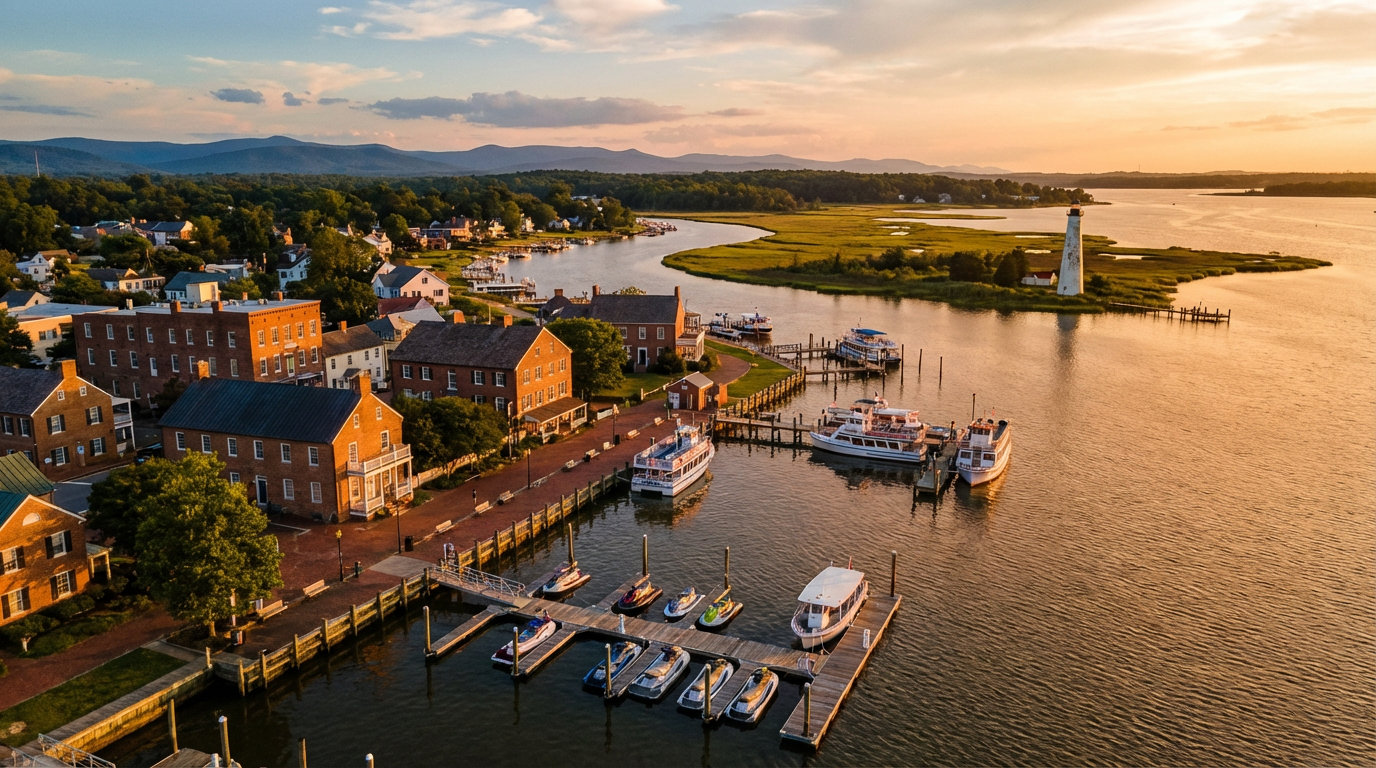
Virginia, the
Virginia beckons with a captivating blend of historical grandeur and thrilling outdoor adventures. From the storied battlefields and presidential homes that shaped a nation to the pristine beaches and majestic mountains, there's an endless array of experiences to discover.
Know Before You Go
History Buffs
- Virginia is home to pivotal historical sites, including Jamestown, Colonial Williamsburg, and numerous Civil War battlefields. Allow ample time to delve into these rich narratives.
Outdoor Enthusiasts
- From hiking the Appalachian Trail to exploring Luray Caverns and sailing the York River, Virginia offers diverse landscapes for every kind of adventurer. Pack accordingly for varying terrains and activities.
Wine Lovers
- Virginia's wine country is rapidly gaining recognition. Explore charming vineyards and taste award-winning wines, especially in the spring and fall for picturesque scenery.
Coastal Charms
- The coast of Virginia, particularly around Chincoteague Island, offers unique aquatic experiences like jet skiing and wildlife viewing. Remember sunscreen and swimwear!
Frequently Asked Questions
- What is the best time of year to visit Virginia?
- Spring (April-May) and Fall (September-October) offer pleasant weather, vibrant foliage, and various festivals, making them ideal for exploring both historical sites and natural attractions. Summer is great for beaches and water activities, while winter offers a quieter experience with colder temperatures.
- What are the must-see historical sites in Virginia?
- Don't miss Colonial Williamsburg, Jamestown, Yorktown, Monticello (Thomas Jefferson's home), and numerous Civil War battlefields like Manassas and Richmond. Each offers a unique glimpse into American history.
- Are there good outdoor activities in Virginia?
- Absolutely! Virginia offers hiking along the Appalachian Trail and in Shenandoah National Park, exploring Luray Caverns, sailing on the Chesapeake Bay or York River, jet skiing on the coast, and various water sports. The state provides diverse landscapes for every type of outdoor enthusiast.
- Is Virginia suitable for family vacations?
- Yes, Virginia is very family-friendly. Attractions like Colonial Williamsburg, Virginia Beach, Busch Gardens Williamsburg, and the Virginia Living Museum offer engaging experiences for all ages.
- What are some unique culinary experiences in Virginia?
- Virginia is known for its fresh seafood, particularly oysters and blue crabs. Also, explore Virginia's burgeoning wine country, craft breweries, and the widespread farm-to-table dining scene, especially in Charlottesville and Richmond.
- How do I get around Virginia?
- While major cities have public transportation, a car is recommended for exploring the state's diverse regions and attractions, especially for reaching national parks, historical sites, and coastal areas.
- What are typical accommodation options in Virginia?
- Virginia offers a range of accommodations, from luxurious resorts and charming bed & breakfasts to rustic cabins and campgrounds in natural settings. Major cities provide a variety of hotels, while coastal areas feature vacation rentals.
- Are there any hidden gems in Virginia?
- Beyond the well-known spots, explore quaint small towns like Staunton or Lexington, discover lesser-known historical markers and battlefields, or seek out local distilleries and artisan shops for unique finds.
- What should I pack for a trip to Virginia?
- Pack layers, as weather can vary. Include comfortable walking shoes for historical sites and hiking, swimwear for coastal trips, and a light jacket for cooler evenings or cavern explorations. Don't forget sunscreen and insect repellent!
- Is Virginia a safe destination for travelers?
- Virginia is generally a safe state for travelers. Like any destination, it's wise to be aware of your surroundings, especially in urban areas or when engaging in outdoor activities. Always check local conditions and follow safety guidelines.
- What are the costs associated with visiting Virginia?
- Costs can vary widely depending on your choices for accommodation, dining, and activities. Historical site admissions and guided tours have fees, but many natural attractions like hiking trails are free. Budget for transportation, especially if renting a car.
- Can I visit Virginia on a budget?
- Yes, budget-friendly options include camping in state parks, enjoying free historical markers and scenic drives, packing picnics, and looking for deals on accommodations outside peak season. Many museums offer free admission days or discounts.
- What kind of wildlife can I expect to see in Virginia?
- Virginia's diverse ecosystems support a variety of wildlife. In coastal areas, you might spot dolphins, seabirds, and wild ponies on Assateague Island. Inland, deer, black bears, foxes, and numerous bird species are common, especially in forested and mountainous regions.
- Are there specific etiquette tips for visiting historical sites in Virginia?
- When visiting historical sites, generally practice respectful behavior: stay on marked paths, do not touch artifacts unless indicated, respect quiet areas, and adhere to any photography restrictions. Many sites request silence out of respect for their historical significance.