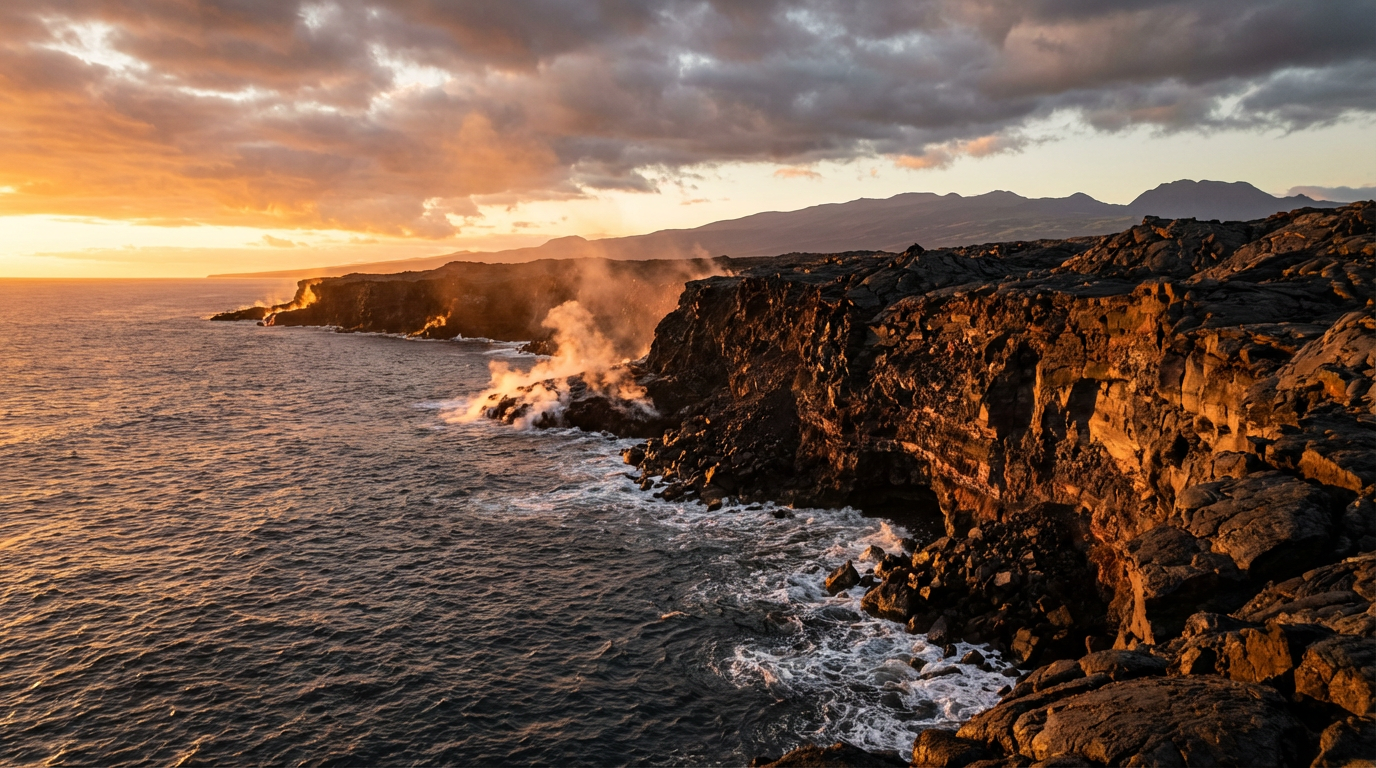
The Big Island of Hawaii, also known as Hawaiʻi Island, lives up to its name as the largest and youngest island in the Hawaiian chain. It’s a place of dramatic contrasts, where active volcanoes meet snow-capped peaks, and black sand beaches blend with lush rainforests. This incredible diversity offers an unparalleled adventure for every traveler.
The Big Island pulses with an energy unlike anywhere else. You can explore the fiery heart of Kīlauea Volcano, hike through ancient lava fields, or discover hidden waterfalls cascading into verdant valleys. It's a land where nature's raw power is constantly on display.
Beyond its dramatic landscapes, the Big Island offers serene moments too. Imagine stargazing from the summit of Mauna Kea, snorkeling in crystal-clear waters alongside vibrant marine life, or simply unwinding on a secluded beach. The island truly embodies the aloha spirit, inviting you to connect with its rich culture and breathtaking beauty.
Know Before You Go
Getting Around
- A rental car is essential for exploring the Big Island due to its vast size and varied attractions. Roads are well-maintained, but be prepared for longer drives between different regions.
Volcano Safety
- When visiting Hawaiʻi Volcanoes National Park, always stay on marked trails and respect all warning signs regarding volcanic activity and hazardous gases. Conditions can change rapidly.
Sun Protection
- The Hawaiian sun is strong, even on cloudy days. Pack reef-safe sunscreen, hats, and sunglasses to protect yourself from UV rays, especially while engaging in outdoor activities.
Weather Variety
- The Big Island has 8 of the world's 13 climate zones. Be prepared for diverse weather, from sunny beaches to cool, rainy uplands and even snow on the highest peaks. Pack layers!
Frequently Asked Questions
- What is the best time of year to visit the Big Island?
- The Big Island is a year-round destination, but the shoulder seasons (April-May and September-November) offer pleasant weather, fewer crowds, and potentially better deals. Winter (December-March) is popular for whale watching, while summer (June-August) is great for beach activities.
- How many days should I spend on the Big Island?
- To truly experience the Big Island's diverse landscapes and attractions, we recommend at least 7-10 days. This allows you to explore both the Kona and Hilo sides without feeling rushed.
- Do I need a rental car on the Big Island?
- Yes, a rental car is absolutely essential for exploring the Big Island. Public transportation is limited, and attractions are spread out across the island's vast terrain.
- What are the must-see attractions on the Big Island?
- Top attractions include Hawaiʻi Volcanoes National Park, Mauna Kea Summit (for stargazing), Punaluʻu Black Sand Beach, Akaka Falls State Park, and snorkeling or diving in Kealakekua Bay.
- Is it safe to visit Hawaiʻi Volcanoes National Park?
- Yes, it is safe to visit Hawaiʻi Volcanoes National Park provided you follow all park rules, warnings, and stay on marked trails. Volcanic activity is monitored closely, and areas are closed if deemed unsafe.
- What kind of clothing should I pack for the Big Island?
- Pack a variety of clothing. Bring swimwear and light beachwear for coastal areas, comfortable hiking clothes and shoes for trails, and warmer layers, including a jacket, for cooler evenings, particularly if visiting Mauna Kea or higher elevations.
- Are there good options for families with children?
- Absolutely! The Big Island offers many family-friendly activities like exploring volcanos safely, visiting black sand beaches, snorkeling, farm tours, and seeing various marine life.
- What are some unique culinary experiences on the Big Island?
- Don't miss a Kona coffee tasting, trying fresh poke from local markets, sampling macadamia nuts, and experiencing a traditional Hawaiian luau. Explore the diverse food truck scene as well.
- Can I really see snow on the Big Island?
- Yes! During winter months, the summits of Mauna Kea and Mauna Loa often receive snow, offering a truly unique Hawaiian experience.
- What is the cultural significance of the Big Island?
- The Big Island holds immense cultural significance as the birthplace of King Kamehameha the Great and a land rich in ancient Hawaiian history and traditions. Places like Puʻuhonua o Hōnaunau National Historical Park offer deep insights into this heritage.