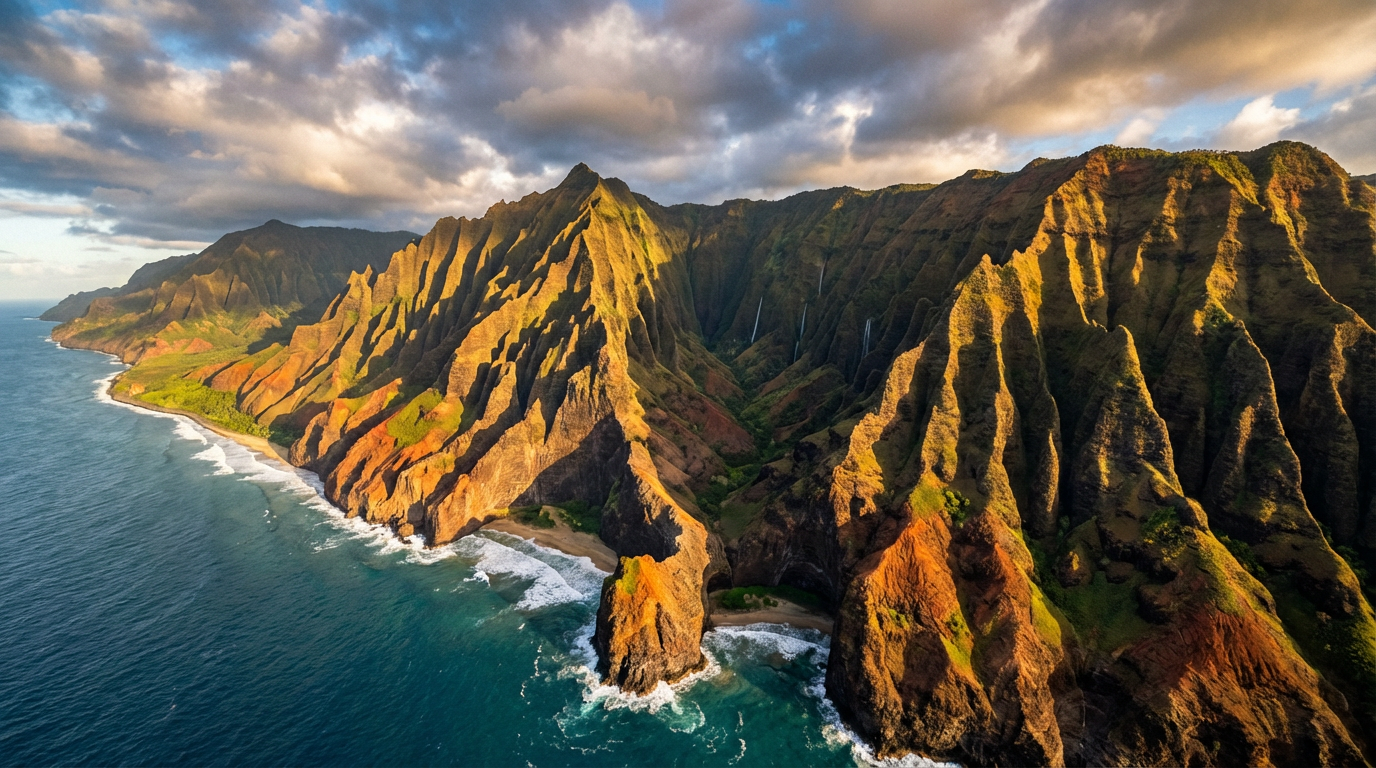
Welcome to Hawaii, a paradise renowned for its breathtaking landscapes, vibrant culture, and endless opportunities for adventure. From the bustling streets of Waikiki to the serene beauty of a hidden waterfall, Hawaii offers an unforgettable journey for every traveler. Discover pristine beaches, volcanic wonders, lush rainforests, and a rich history that invites exploration.
Hawaii is more than just a destination; it's a feeling. The
Know Before You Go
Money
- Hawaii uses the US Dollar. Credit cards are widely accepted, but it's good to have cash for smaller vendors or remote areas. Tipping is customary, typically 15-20% for good service.
Safety
- Ocean conditions can change rapidly. Always check local advisories for currents and surf. Hike with a buddy and inform someone of your plans. Be mindful of your belongings in crowded tourist areas.
Transportation
- Renting a car is highly recommended for exploring the islands independently. Public transportation is available in denser areas like Honolulu, but limited elsewhere. Ride-sharing services also operate.
Culture
- Embrace the 'Aloha Spirit' which encompasses love, peace, compassion, and mutual understanding. Learn a few Hawaiian phrases, respect sacred sites, and always ask for permission before entering private property.
Environment
- Hawaii is a delicate ecosystem. Use reef-safe sunscreen, avoid touching marine life, and dispose of your trash properly. Stay on marked trails to protect native plants and animals. Do not remove lava rocks or sand from beaches as it is considered bad luck and is illegal.
Frequently Asked Questions
- What is the best time of year to visit Hawaii?
- The shoulder seasons (April-May and September-November) generally offer the best balance of good weather, fewer crowds, and more moderate prices. Winter (December-March) is popular for whale watching and big surf, while summer (June-August) is great for calm waters and family travel.
- Do I need a rental car in Hawaii?
- While public transportation is available in some areas (like Honolulu on Oahu), a rental car is highly recommended for exploring the diverse landscapes and hidden gems across all the islands. It provides the most flexibility.
- What should I pack for a trip to Hawaii?
- Pack light, breathable clothing, swimsuits, comfortable walking shoes, sandals, reef-safe sunscreen, a hat, sunglasses, and a light jacket or sweater for cooler evenings or higher elevations.
- Is Hawaii expensive?
- Hawaii can be an expensive destination due to its remote location. However, budgeting wisely, utilizing local food trucks, and booking accommodations and flights in advance can help manage costs.
- What is the 'Aloha Spirit'?
- The 'Aloha Spirit' is a Hawaiian philosophy of kindness, hospitality, compassion, and respect. Visitors are encouraged to embody this spirit during their stay, treating the land and people with care and appreciation.
- Are there active volcanoes I can visit?
- Yes, on the Big Island of Hawaii, you can visit Hawaii Volcanoes National Park to see Kilauea, one of the world's most active volcanoes. Conditions and accessibility can change, so always check the National Park Service website for current information.
- What are some traditional Hawaiian foods to try?
- Don't miss out on kalua pig, poke, lomi salmon, lau lau, poi, and haupia (coconut pudding). Fresh tropical fruits like pineapple, mango, and papaya are also a must-try.
- Is it safe to swim in the ocean in Hawaii?
- Generally, yes, but always exercise caution. Be aware of currents, waves, and marine life. Swim at lifeguard-protected beaches and heed any warning signs. Never turn your back on the ocean.
- Can I visit multiple islands during my trip?
- Absolutely! Inter-island flights are frequent and relatively short, making island hopping a popular choice. Choose islands that align with your interests, whether it's surfing on Oahu, hiking on Kauai, or exploring volcanoes on the Big Island.
- What are popular activities for families in Hawaii?
- Families love going to calm beaches, snorkeling in protected coves, visiting luaus, exploring cultural centers, taking surf lessons, and visiting attractions like the Polynesian Cultural Center or Honolulu Zoo.