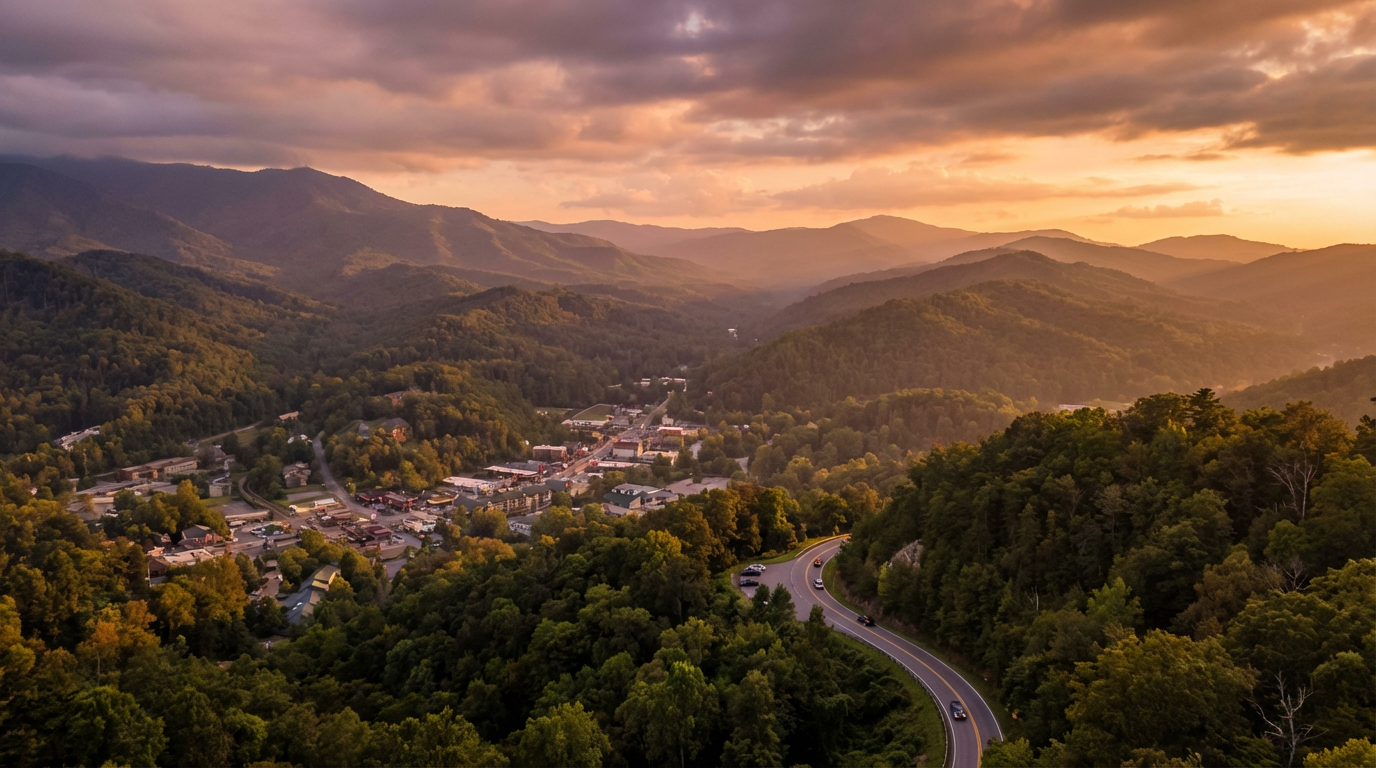
Great Smoky Mountains National Park, straddling the border of Tennessee and North Carolina, is a majestic wonderland of ancient mountains, lush forests, and unparalleled biodiversity. As the most visited national park in the United States, it offers an escape into nature with something for everyone, from serene scenic drives to challenging hikes and wildlife spotting.
The Great Smoky Mountains offer a truly enchanting vibe, where mist-shrouded peaks meet vibrant green valleys. It's a place where you can feel connected to ancient rhythms, explore diverse ecosystems, and discover a sense of peace surrounded by nature's grandeur.
Whether you're seeking a quiet communion with nature on a secluded trail or an exciting family adventure, the Smokies deliver. The air is crisp, the views are breathtaking, and the potential for unforgettable memories is as boundless as the mountains themselves.
Know Before You Go
Getting Around
- Newfound Gap Road (US 441) is a 31-mile scenic drive offering panoramic views and key sights. Be prepared for winding roads and potential traffic, especially during peak seasons. Consider taking a self-guided tour for an enhanced experience.
Accommodation
- To avoid crowds and traffic, especially in popular areas like Gatlinburg, consider staying near the Cherokee entrance on the North Carolina side or in Asheville if you don't mind a bit of a drive.
Wildlife Spotting
- The park is home to over 22,000 life forms, including black bears, elk, and giant hellbender salamanders. Early mornings and late evenings are often the best times for wildlife viewing, particularly in Cades Cove.
Entrance Fees
- Great Smoky Mountains National Park is one of the few national parks that does not charge an entrance fee, making it an accessible destination for all.
Frequently Asked Questions
- What is the best time of year to visit Great Smoky Mountains National Park?
- The park is beautiful year-round, but spring (April-May) offers wildflowers and pleasant temperatures, while fall (September-October) boasts stunning foliage. Summer (June-August) is popular for outdoor activities, but also sees the largest crowds. Winter offers a serene, snow-covered landscape for those seeking solitude.
- Are there any entrance fees for Great Smoky Mountains National Park?
- No, Great Smoky Mountains National Park is one of the few national parks in the United States that does not charge an entrance fee, making it free to enter and enjoy.
- What wildlife can I expect to see in the park?
- The park is renowned for its diverse wildlife, including black bears, white-tailed deer, elk (especially in Cataloochee Valley), wild turkeys, and a variety of bird species. Remember to observe wildlife from a safe distance and never feed them.
- What are some popular hiking trails in Great Smoky Mountains National Park?
- Popular trails include Laurel Falls (paved, easy), Abrams Falls (moderate), Alum Cave Bluffs Trail to Mount LeConte (strenuous), and portions of the Appalachian Trail accessible from Newfound Gap.
- Can I drive through the park, and what are the main scenic drives?
- Yes, you can drive through the park. The main scenic drives are Newfound Gap Road (US 441), which traverses the park from north to south, and the Cades Cove Loop Road, an 11-mile one-way road known for historic sites and wildlife viewing.
- Are there accessible attractions for visitors with disabilities?
- Yes, some areas are wheelchair-accessible, including portions of the Gatlinburg Trail, paved sections of the Oconaluftee River Trail, and Sugarlands Visitor Center exhibits. Clingmans Dome Observation Tower has a steep, paved path, but it's not considered fully accessible due to the incline.
- What are the best places for photography in Great Smoky Mountains National Park?
- Iconic photography spots include Cades Cove for pastoral scenes and wildlife, Newfound Gap for panoramic mountain vistas, Clingmans Dome for 360-degree views, and various waterfalls throughout the park.
- Are pets allowed in Great Smoky Mountains National Park?
- Pets are only permitted on the Gatlinburg Trail and the Oconaluftee River Trail, and in campgrounds, picnic areas, and along roads. They are not allowed on any other hiking trails or in the backcountry.
- What should I pack for a trip to the Great Smoky Mountains?
- Layered clothing is advisable due to changing mountain weather. Essential items include sturdy hiking shoes, rain gear, water, snacks, a map, insect repellent, and binoculars for wildlife viewing.
- What's the difference between the Tennessee and North Carolina sides of the park?
- While the park is one continuous entity, the Tennessee side (near Gatlinburg and Pigeon Forge) is generally more developed with tourist amenities, while the North Carolina side (near Cherokee) often offers a more secluded and historically rich experience, particularly with its proximity to the Cherokee Indian Reservation.
- Are there opportunities for stargazing in the Great Smoky Mountains?
- Absolutely! With minimal light pollution, the park offers excellent stargazing opportunities. Cades Cove and Newfound Gap are popular spots for observing the night sky. Check moon phases for optimal viewing.
- Can I camp inside Great Smoky Mountains National Park?
- Yes, the park offers several frontcountry campgrounds suitable for tents and RVs, as well as backcountry campsites for backpackers (permits required). Reservations are highly recommended, especially during peak season.
- What are some activities for families with young children?
- Families can enjoy easy hikes like the Gatlinburg Trail, picnicking, observing wildlife from scenic drives, junior ranger programs at visitor centers, and exploring historic buildings in Cades Cove.