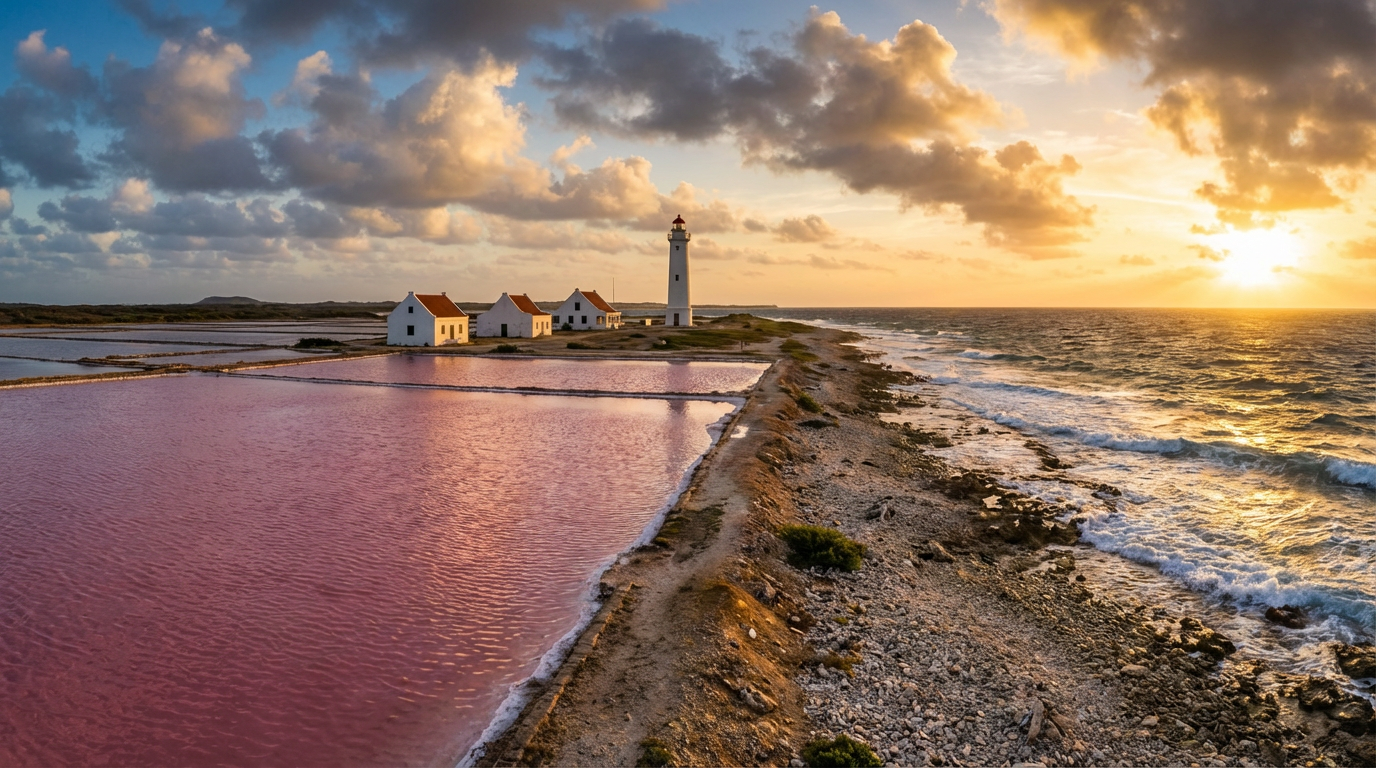
Bonaire, often called the “B” in the ABC islands (Aruba, Bonaire, Curaçao), is a hidden gem in the Dutch Caribbean. This tranquil island is a paradise for adventurers and nature lovers, famous for its incredible underwater world, serene natural beauty, and a commitment to preserving its pristine environment. Whether you're a seasoned diver or just looking for a peaceful escape, Bonaire offers an unforgettable experience.
Bonaire’s vibe is all about laid-back exploration and deep appreciation for nature. This
Know Before You Go
Marine Park Fees
- All visitors engaging in marine activities, including snorkelling and diving, are required to purchase a STINAPA Bonaire Nature Fee. This fee directly supports marine park conservation efforts.
Transportation
- While taxis are available, renting a car or scooter is highly recommended for exploring the island's diverse attractions at your own pace. Roads outside Kralendijk can be rustic.
Currency
- The official currency of Bonaire is the US Dollar (USD), making transactions easy for many international visitors. Major credit cards are widely accepted.
Language
- The official languages are Dutch and Papiamento, but English and Spanish are widely spoken, especially in tourist areas. Learning a few Papiamento phrases like 'Bon dia' (Good day) is always appreciated.
Frequently Asked Questions
- What is the best time of year to visit Bonaire?
- Bonaire enjoys sunny weather year-round, as it's outside the hurricane belt. Peak season is typically from December to April, offering cooler breezes. May to November offers fewer crowds and often lower prices, with equally great weather.
- Do I need a special visa to visit Bonaire?
- Bonaire is a special municipality of the Netherlands. Most visitors from the US, Canada, EU, and many other countries do not require a visa for stays up to 90 days. Always check the latest entry requirements based on your nationality.
- What kind of activities are available in Bonaire beyond diving?
- Beyond its renowned diving, Bonaire offers excellent snorkeling, windsurfing, kitesurfing, kayaking through mangroves, birdwatching (especially flamingos), exploring Washington Slagbaai National Park, and visiting the historic town of Rincon.
- Is Bonaire a good destination for families with children?
- Yes, Bonaire is very family-friendly. The calm, shallow waters are ideal for children to snorkel and swim. Activities like the Donkey Sanctuary, exploring the national park, and gentle boat tours are popular with families.
- What are the common marine life encounters in Bonaire?
- Bonaire's marine park teems with diverse life including vibrant coral, parrotfish, angelfish, barracudas, sea turtles, stingrays, seahorses, and various reef sharks (non-aggressive).
- Are there any cultural experiences unique to Bonaire?
- Absolutely! Explore Rincon, the oldest village, to experience traditional Bonairean culture. Visit the Chich’i Tan Museum, sample local cuisine, and listen to Papiamento, the local language.
- What should I pack for a trip to Bonaire?
- Pack light, breathable clothing, swimwear, reef-safe sunscreen, a wide-brimmed hat, sunglasses, sturdy walking shoes for hiking, water shoes for rocky beaches, and your diving/snorkeling gear if you have it.
- Is Bonaire considered a safe travel destination?
- Bonaire is generally considered a very safe destination with low crime rates. However, it's always wise to take standard precautions like securing valuables and being aware of your surroundings, especially at night.
- Can I drink the tap water in Bonaire?
- Yes, the tap water in Bonaire is desalinated seawater and is safe to drink. It's often highly praised for its quality and taste, making it eco-friendly to refill reusable bottles.
- Where can I see flamingos in Bonaire?
- Bonaire is famous for its flamingos! You can commonly spot them in the Pekelmeer Flamingo Sanctuary in the south and at Goto Lake in Washington Slagbaai National Park. The pink salt pans also often host these beautiful birds.
- What types of accommodation are available on the island?
- Bonaire offers a range of accommodations including resorts, boutique hotels, private villas, guesthouses, and apartments, catering to various budgets and preferences. Many accommodations are geared towards divers with rinse tanks and gear storage.
- What are the driving conditions like in Bonaire?
- Main roads in Kralendijk and between major towns are generally paved and in good condition. However, roads leading to dive sites and within Washington Slagbaai National Park can be unpaved, rocky, or sandy, so a 4x4 vehicle is often recommended for more extensive exploration.
- Are there opportunities for ethical tourism or conservation efforts to support?
- Yes, Bonaire is a leader in marine conservation. You can support STINAPA Bonaire by purchasing your nature tags, participating in beach cleanups, choosing Blue Destination certified businesses, and being mindful of reef-safe practices when in the water.