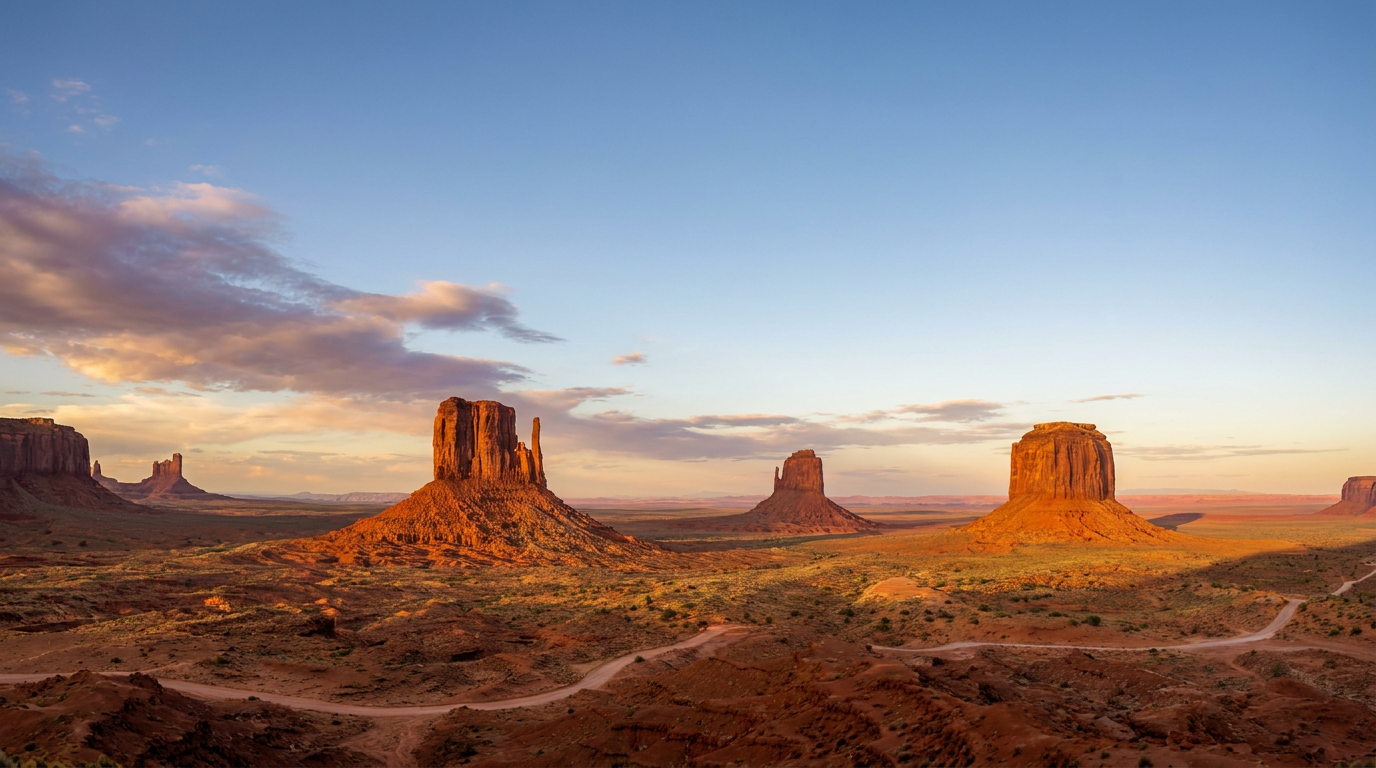
Welcome to US-AZ, a land of breathtaking natural beauty and vibrant cultural experiences. From the iconic red rock landscapes of Sedona to the bustling urban centers, US-AZ offers an unparalleled adventure for every type of traveler. Discover ancient saguaro cacti forests, explore deep canyons, and immerse yourself in a rich blend of Native American heritage and Southwestern charm. Whether you're seeking outdoor thrills, serene desert escapes, or unique culinary journeys, US-AZ promises unforgettable moments under its perpetually sunny skies.
US-AZ pulsates with a unique blend of rugged wilderness and artistic spirit. Picture yourself hiking amidst towering sandstone formations at sunrise, the desert air crisp and cool, before exploring a charming town filled with artisan galleries and cozy cafes. It's a place where adventure calls, but relaxation is always within reach.
The landscape is an ever-changing canvas, from the verdant riparian areas to the stark, majestic desert. Days are often bathed in sunshine, perfect for exploring, while evenings transform into spectacular stargazing opportunities. US-AZ truly offers a dynamic backdrop for any vacation, blending the thrill of discovery with the tranquility of nature.
Know Before You Go
Weather & Climate
- US-AZ experiences distinct seasonal changes. Summers (June-September) are very hot, especially in lower elevations, with temperatures often exceeding 100°F (38°C), and feature monsoon season with afternoon thunderstorms. Winters (December-February) are mild and sunny in the south, but can be cold with snow in higher elevations like Flagstaff. Spring and fall offer the most comfortable temperatures for outdoor activities.
Transportation
- While major cities have public transport, a rental car is highly recommended for exploring US-AZ's vast landscapes and national parks. Distances between attractions can be significant, and public transit options are limited outside urban areas.
Altitude & Hydration
- Many popular destinations in US-AZ are at higher altitudes, such as Flagstaff (7,000 ft/2,134m) and Sedona (4,500 ft/1,372m). Drink plenty of water, especially during physical activity, to prevent dehydration and altitude sickness. Sun protection is crucial year-round.
Respect the Land
- US-AZ is home to numerous Native American tribal lands and delicate desert ecosystems. Always stay on marked trails, do not disturb archaeological sites or natural formations, and pack out everything you pack in. Respect local customs and regulations, especially on tribal lands.
Frequently Asked Questions
- What is the best time of year to visit US-AZ?
- The best time to visit US-AZ is typically during the spring (March-May) and fall (October-November) when temperatures are mild and pleasant for outdoor activities. Winter (December-February) is also popular, especially in the southern parts, offering cool, sunny days. Summers (June-September) are very hot, especially in the low deserts.
- What are the must-see attractions in US-AZ?
- Key attractions include the Grand Canyon National Park, the red rocks of Sedona, the Desert Botanical Garden in Phoenix, Saguaro National Park near Tucson, and historical sites like Tombstone. Each offers unique natural beauty and cultural insights.
- Is US-AZ good for families with children?
- Absolutely! US-AZ offers numerous family-friendly activities, from junior ranger programs at national parks to interactive museums, zoos, and kid-friendly hiking trails. Many resorts also cater to families with pools and activities.
- What kind of wildlife can I expect to see in US-AZ?
- US-AZ is home to diverse wildlife, including javelina, coyotes, bobcats, various snake species, and a wide array of birds like hummingbirds and roadrunners. In higher elevations, you might spot deer or even bears. Always observe from a distance and never feed wild animals.
- What should I pack for a trip to US-AZ?
- Pack layers, as desert temperatures can fluctuate significantly between day and night. Essentials include sunscreen, a wide-brimmed hat, sunglasses, sturdy hiking shoes, and plenty of water. For summer, light, breathable clothing is a must, while winter may require warmer outerwear.
- Are there any cultural etiquette tips for visiting US-AZ?
- When visiting Native American tribal lands, always be respectful of customs and traditions. Ask permission before taking photos of people or sacred sites. Adhere to all posted regulations and leave no trace when exploring natural areas.
- How can I avoid the heat during summer visits?
- During summer, plan outdoor activities for early mornings or late evenings. Hydrate constantly, wear protective clothing, and seek shade during the hottest parts of the day. Many indoor attractions, pools, and higher-elevation areas offer respite from the heat.
- What are the best places for stargazing in US-AZ?
- US-AZ boasts several International Dark Sky Parks and Communities, including Flagstaff, Sedona, and Saguaro National Park. These areas offer exceptional opportunities for stargazing due to minimal light pollution and clear desert skies.
- What kind of food is US-AZ known for?
- US-AZ is famous for its Southwestern cuisine, featuring flavors influenced by Mexican and Native American traditions. Expect delicious dishes with green chile, regional cheeses, fresh tortillas, and ingredients like prickly pear and mesquite. Don't miss trying a traditional Sonoran hot dog!
- Is US-AZ accessible for travelers with disabilities?
- Many major attractions, national parks, and city facilities in US-AZ strive for accessibility. It's always best to check specific venues or park websites in advance for detailed information on accessible trails, restrooms, and services.
- Can I visit the Grand Canyon as a day trip from US-AZ cities?
- While technically possible from cities like Phoenix or Sedona, a day trip to the Grand Canyon involves significant driving (3-4 hours one-way). For a more relaxed and immersive experience, consider an overnight stay near the Grand Canyon or allocate a full day for travel and exploration.