The Reality of the Bahia Mar Morning Rush
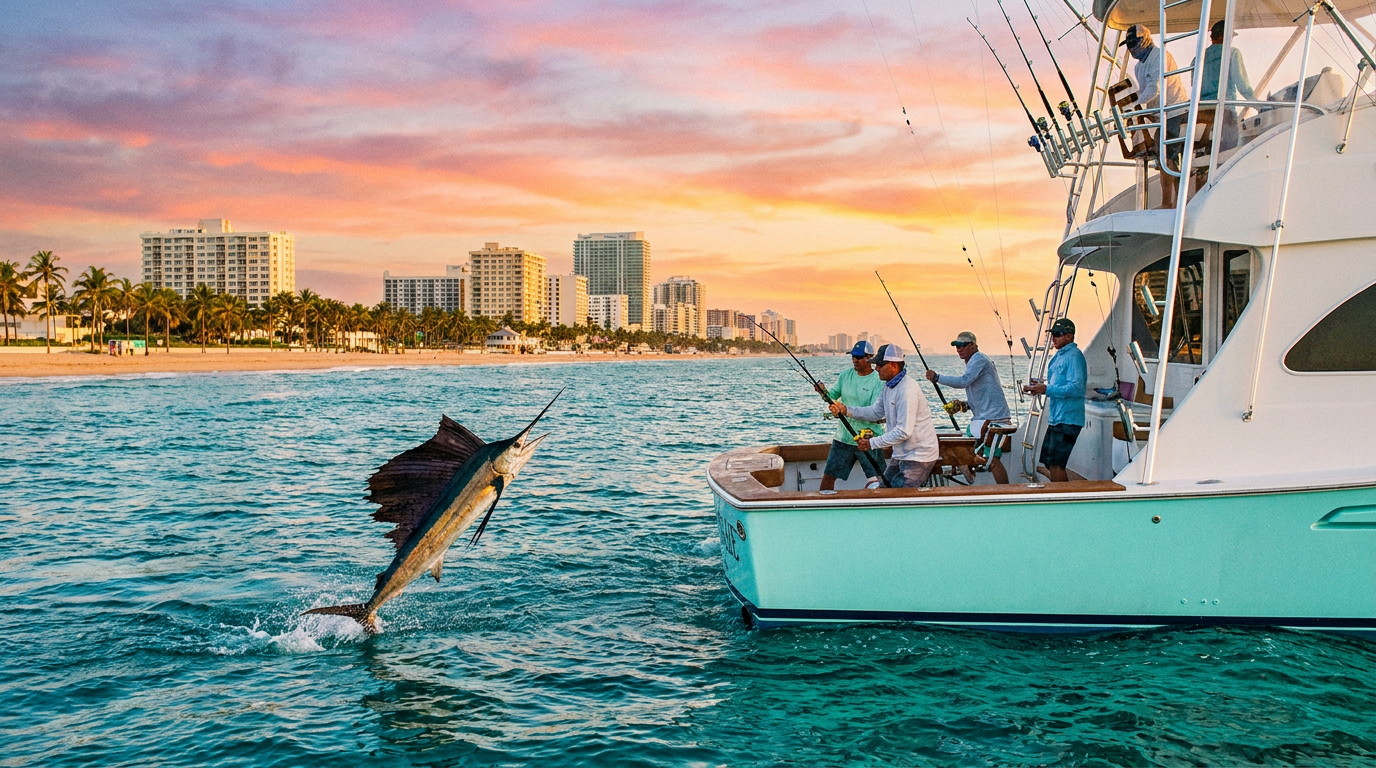
The sharp tang of marine diesel cuts through the brine at the Bahia Mar marina, mixing with the scent of cut ballyhoo bait. Most mornings here operate at maximum volume. You watch a dozen groups load oversized coolers for a standard fort lauderdale fishing trip, shouting over idling twin outboards. The glossy pamphlets shoved into hotel lobbies promise high-octane offshore adventure. Reality usually involves dodging flying treble hooks while a deckhand patiently untangles a bird's nest of monofilament line from a borrowed reel. The large headboats, packed with thirty strangers elbow-to-elbow, lumber out of the inlet like floating buses.
2019 me would have booked the cheapest spot on the biggest boat, assuming offshore fishing was a volume game. 2026 me knows it is just a tourist trap with better marketing. If it is on a postcard, it is a trap. True maritime operations in South Florida happen in the margins, on the smaller center consoles that slip out of the harbor before the tourists even finish their hotel coffee. These smaller vessels do not rely on sheer numbers. They rely on maneuverability.
The hollow thud of rubber-soled boots on a fiberglass deck signals a different kind of preparation. Booking a private, smaller boat changes the entire dynamic of the ocean. The captain is not pivoting to appease a crowd; they are reading the specific pelagic patterns of the Gulf Stream. They know the drop-offs. They know the currents. They also handle the ocean's more solemn duties.
The Mechanics of the Gulf Stream Advantage
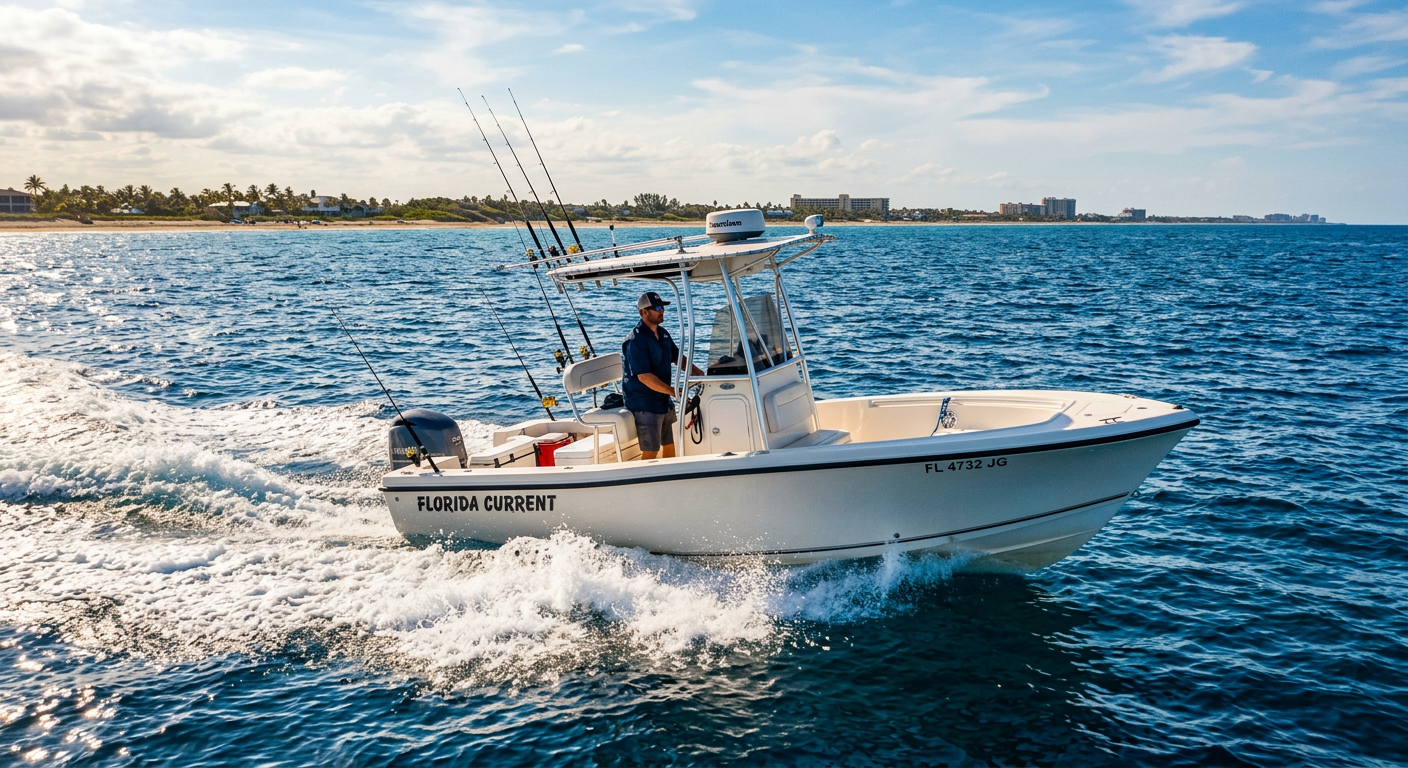
The bitter copper taste of old thermos coffee coats your tongue as the vessel clears the Port Everglades inlet. You barely have time to stow the mooring lines before the depth finder numbers plummet. Fort Lauderdale holds a geographical advantage that dictates everything that happens on the water here, from chasing sailfish to scattering ashes. The continental shelf drops away almost immediately.
According to coastal surveys from the National Oceanic and Atmospheric Administration, the edge of the shelf sits right off our beaches. The water depth drops to roughly 400 feet before you lose sight of the beachfront high-rises. This creates a natural pelagic highway. The Gulf Stream current flows parallel to the coastline, acting as a massive underwater river moving north at several knots.
A typical headboat needs about 150 feet of swinging room just to anchor safely near a reef. A dedicated 30-foot center console operates with surgical precision, holding a stationary drift right over the edge of the continental drop-off. That agility matters when you are trying to land a wahoo. It matters even more when the cargo is not fishing tackle, but human memory.
The Pivot to Solemn Waters
Years ago, I assumed every charter leaving Port Everglades was either a chaotic bachelor party or a generic sightseeing cruise. I was wrong. Sometimes, the crew of a small center console steps aboard without coolers of beer or live bait. They carry a single, biodegradable urn. This is an unattended burial at sea. It makes sense on paper when families live hundreds of miles inland and cannot make the journey. You assume it feels transactional or cold. Instead, it is a coordinated, respectful maritime tradition.
The realization shifts your perspective. The same seasoned captains who aggressively chase tuna on a Saturday are the ones trusted to navigate a quiet memorial on a Tuesday morning. I can't prove this, but the captains who handle these quiet runs seem to navigate with more reverence than they do when putting clients on fish. The energy on the boat fundamentally changes.
Glossing over the realities of end-of-life maritime logistics is just ignorance. Settling for generic assumptions about what happens on the water misses the profound mechanics of the local charter industry. The same Gulf Stream that brings the game fish also provides the necessary deep currents for a legal, dignified scattering.
Understanding the Regulatory Framework
The coarse grit of dried salt on the aluminum grab rail grounds you in the reality of the vessel. Let's talk about the logistics. The rules mandate that only decomposable materials enter the water. You cannot toss a plastic urn or leave artificial flowers floating in the Atlantic.
According to the Environmental Protection Agency, ashes must be scattered at least three nautical miles from land. Because Fort Lauderdale's deep water begins so close to shore, a boat reaches the required three-mile mark and the deep Gulf Stream currents in about twenty minutes. This efficiency allows the service to happen during the calmest weather windows.
A captain halts a vessel a little over four miles offshore, kills the engines, and reads a requested poem into the salty breeze while miles away from any spectator. That deliberate, isolated act reframes the concept of a burial at sea. It sheds the corporate sterility of a funeral parlor for raw elements.
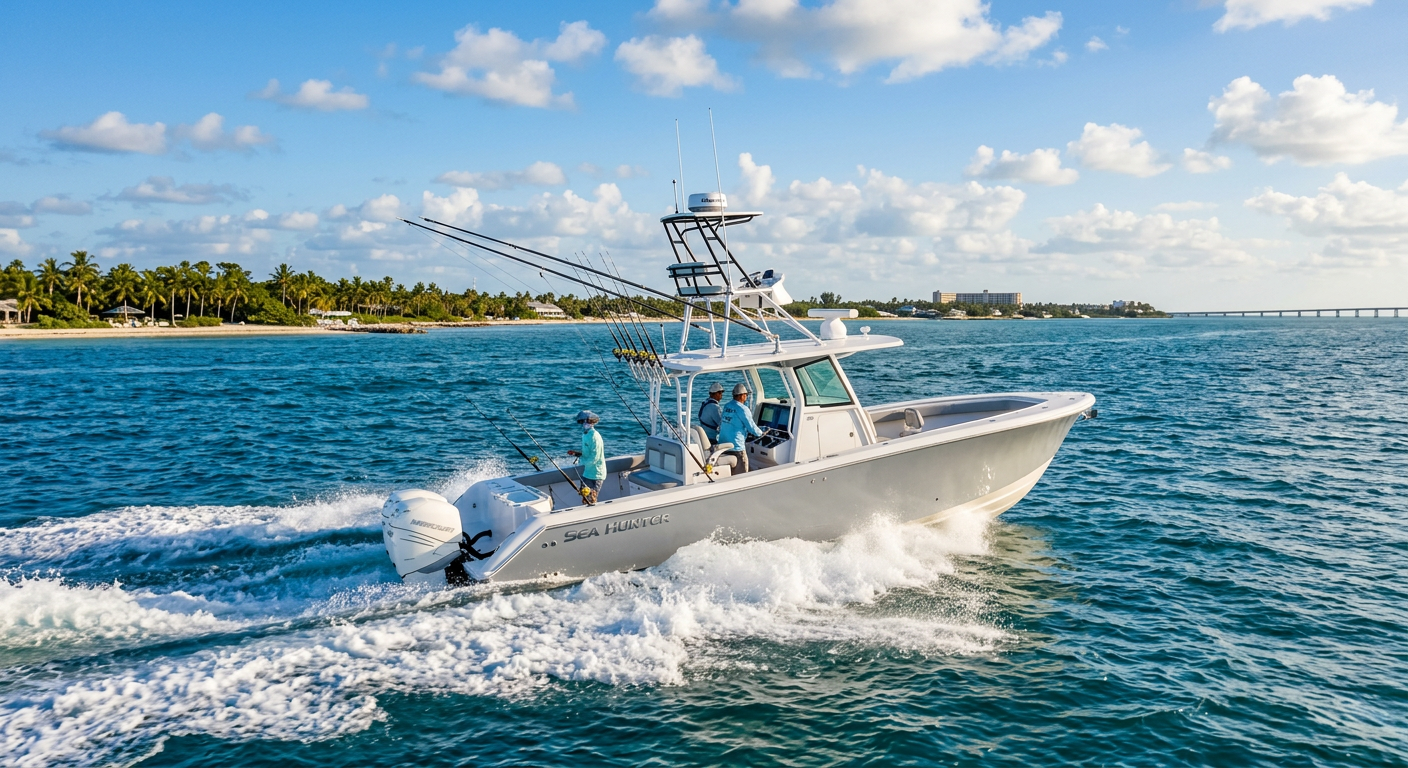
When families plan this service, they match the vessel to the legal requirements. Booking an unattended service through Rockon Recreation Rentals ensures the captain holds the proper federal permits. They handle the complex EPA reporting while providing the family with photographic evidence and peace of mind.
Avoiding the Slick Website Trap
The heavy coastal dampness sticks to your collar before the sun even clears the horizon. Finding the right captain for a solemn service—or even just a reliable offshore trip—involves ignoring most brochures handed out on Las Olas Boulevard. You want an operator who respects the gravity of the ocean, not a party-boat captain looking to make a quick buck between weekend sandbar hops.
The slickest website usually belongs to the captain who spends more time on marketing than on vessel maintenance. The real professionals operate off basic text-only webpages, relying on reputation rather than cinematic drone footage. They are the ones with a dedicated, velvet-lined locker specifically for holding urns safely during transit.
Look for captains with a quiet demeanor and boats that look impeccably maintained. Trust your gut on this, even if the online reviews are sparse. True professionals delay the trip if the ocean is violent. A scheduled passenger trip with thirty tourists might force its way out into five-foot swells to avoid issuing refunds. A private captain carrying an urn waits for a glassy Wednesday morning.
The Economics of the First Mate
The mate stands at the stern preparing the biodegradable wreath. They handle the flowers with bare hands, ensuring no plastic ties or metal wires remain attached. The captain steers from the bridge above, maintaining the vessel's position against the strong northbound current.
The captain drives the bus, but the mate performs the actual ceremony. It requires a delicate touch to lower an urn into moving water without capsizing the vessel's center of gravity. A standard New York Times etiquette guide won't cover tipping for an unattended service, but operators generally factor the crew's compensation into the upfront flat fee.
Stepping Back onto the Dock
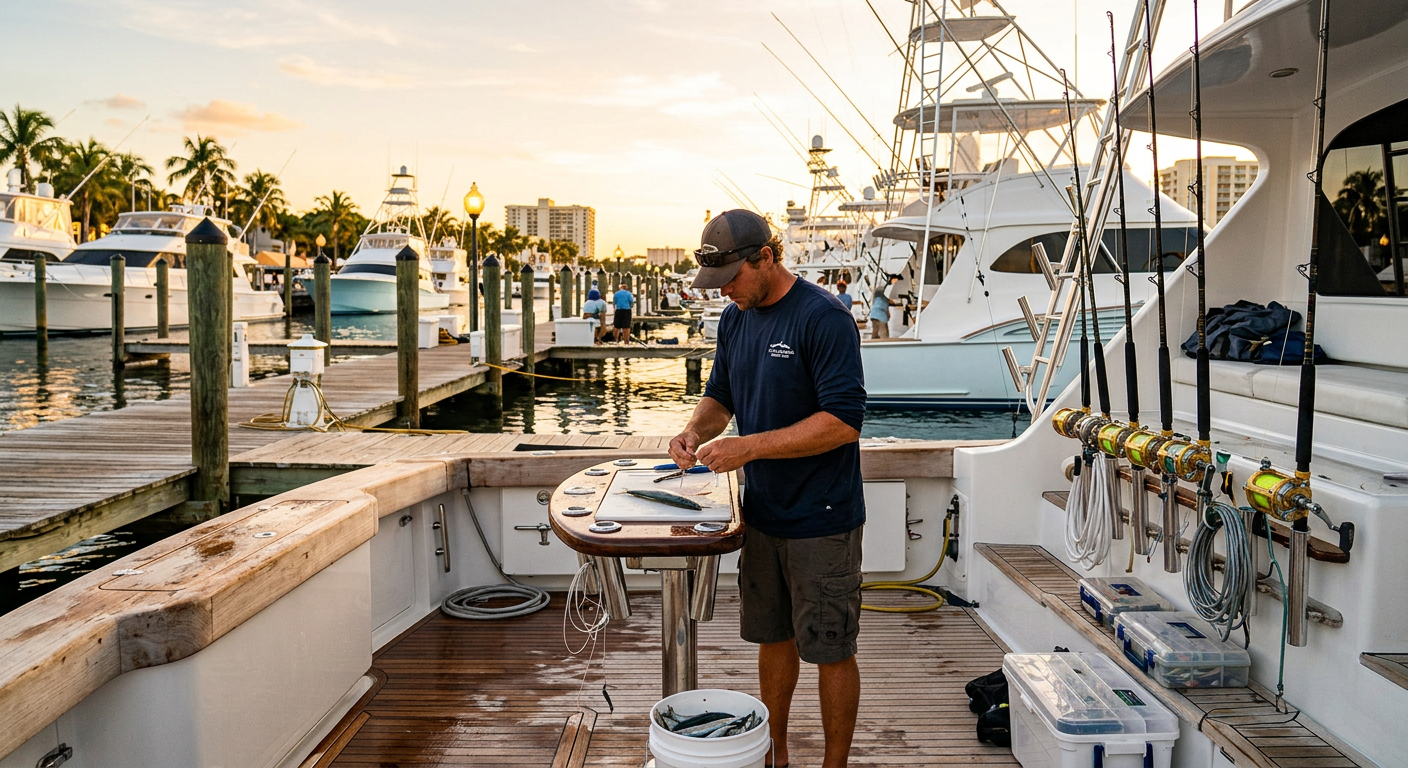
The distant hum of traffic on A1A bleeds back into your ears as the boat returns to the slip. Walking past slip number five at the Bahia Mar marina, there is a faded aluminum sign bolted to a piling. It advertises a dolphin tournament from May of 1998. Nobody looks at it anymore.
The crew steps off the boat, hoses down the deck, and immediately begins filling out the official EPA coordinates form. The water simply laps against the hull. The pelicans wait on the cleaning tables. The morning transitions from a memorial back to a working marina.
Dock rock is a physiological response. The CDC notes that prolonged motion environments temporarily alter human spatial orientation. Even after a short two-hour run, the crew feels it.
You can arrange an unattended service through Rockon Recreation Rentals from anywhere in the country. For the family, it means avoiding the logistical nightmare of flying with cremains. For the crew, it is a quiet, honorable start to the day before the loud crowds arrive. The salt spray and the powerful Gulf Stream offer a return to nature that a manicured cemetery simply cannot replicate.
Frequently Asked Questions About Unattended Sea Burials
What exactly is an unattended burial at sea?
An unattended burial means the family does not board the vessel. The family ships the cremains to the charter operator, who then takes the urn offshore, performs a quiet scattering ceremony, and records the GPS coordinates to send back to the family.
How far offshore must the ashes be scattered?
Federal law requires that all cremains be scattered at least three nautical miles from land. Fort Lauderdale is ideal for this because the deep waters of the Gulf Stream begin almost immediately past this boundary.
Do I need to file paperwork with the EPA?
No, the charter captain handles the Environmental Protection Agency reporting on your behalf. They are legally required to submit the specific GPS coordinates and details of the scattering within thirty days of the ceremony taking place.
How do I transport the ashes to Fort Lauderdale?
The United States Postal Service remains the only legal courier for shipping cremated remains in 2026. You must use their specific Priority Mail Express service and approved packaging when sending the urn to the charter operator.
Can we include flowers with the ashes?
Yes, but all materials must be biodegradable. Captains will throw real flowers and organic wreaths into the ocean, but any plastic stems, metal wires, or non-decomposable ribbons are strictly prohibited by maritime law.
Is this service cheaper than a traditional funeral?
Yes. Unattended maritime scatterings are more affordable than purchasing a cemetery plot, a casket, or arranging an attended memorial service. It offers a dignified option without the heavy financial burden usually associated with end-of-life logistics.
Do the ashes just float on the surface?
If you use a water-soluble, biodegradable urn, it will briefly float before dissolving and allowing the ashes to sink into the deep pelagic currents. If scattered loosely, the cremains mix directly into the water column and are carried away.
How do I know the scattering actually took place?
Professional charter operators provide a signed certificate of scattering that includes the exact time, date, latitude, and longitude. They also provide unedited, time-stamped photographs or videos of the release on the water as proof.
Does weather affect the schedule of an unattended service?
Yes. Because the service is unattended, captains have the flexibility to wait for optimal, calm sea conditions. If a storm rolls in, they simply secure the urn and perform the ceremony on the next clear day to ensure dignity.
Are the vessels used strictly for memorials?
No, the same sturdy center consoles and sportfishers used for a standard fort lauderdale fishing trip are utilized for these services. The captains dedicate specific, quiet morning runs exclusively to the memorial before taking on recreational passengers later in the day.
Plan your trip: Ready to experience this firsthand? Book Fort Lauderdale Unattended Burial at Sea directly through our marketplace.