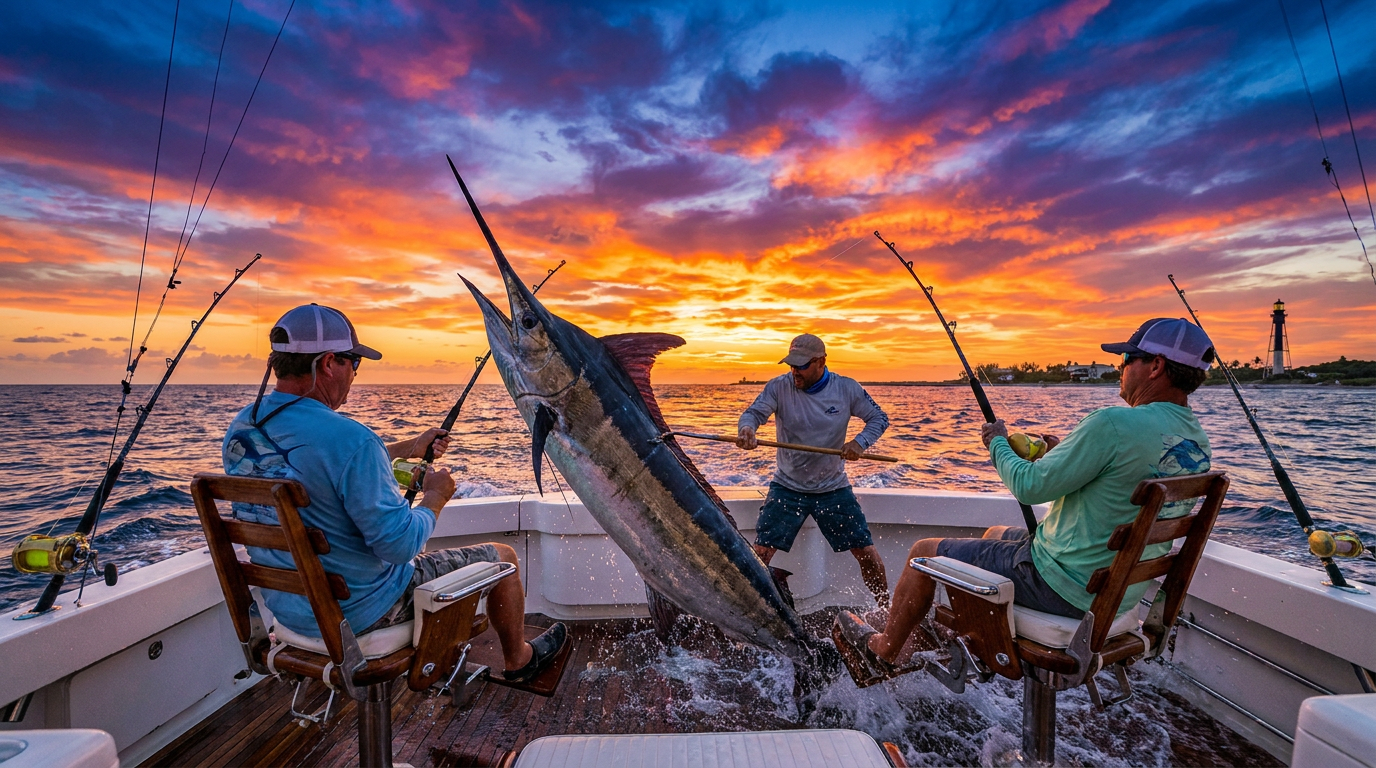
The Geographic Reality of Leaving Estero Island
Bile and stale marina coffee coat the back of your throat long before the sun clears the Matanzas Pass Bridge. A guy from Ohio in crisp white boat shoes stands on the damp wooden planks at Fort Myers Beach, expecting to battle monsters by breakfast. Marketing agencies crop the harsh transit time out of those glossy flyers selling most Florida deep sea fishing trips.
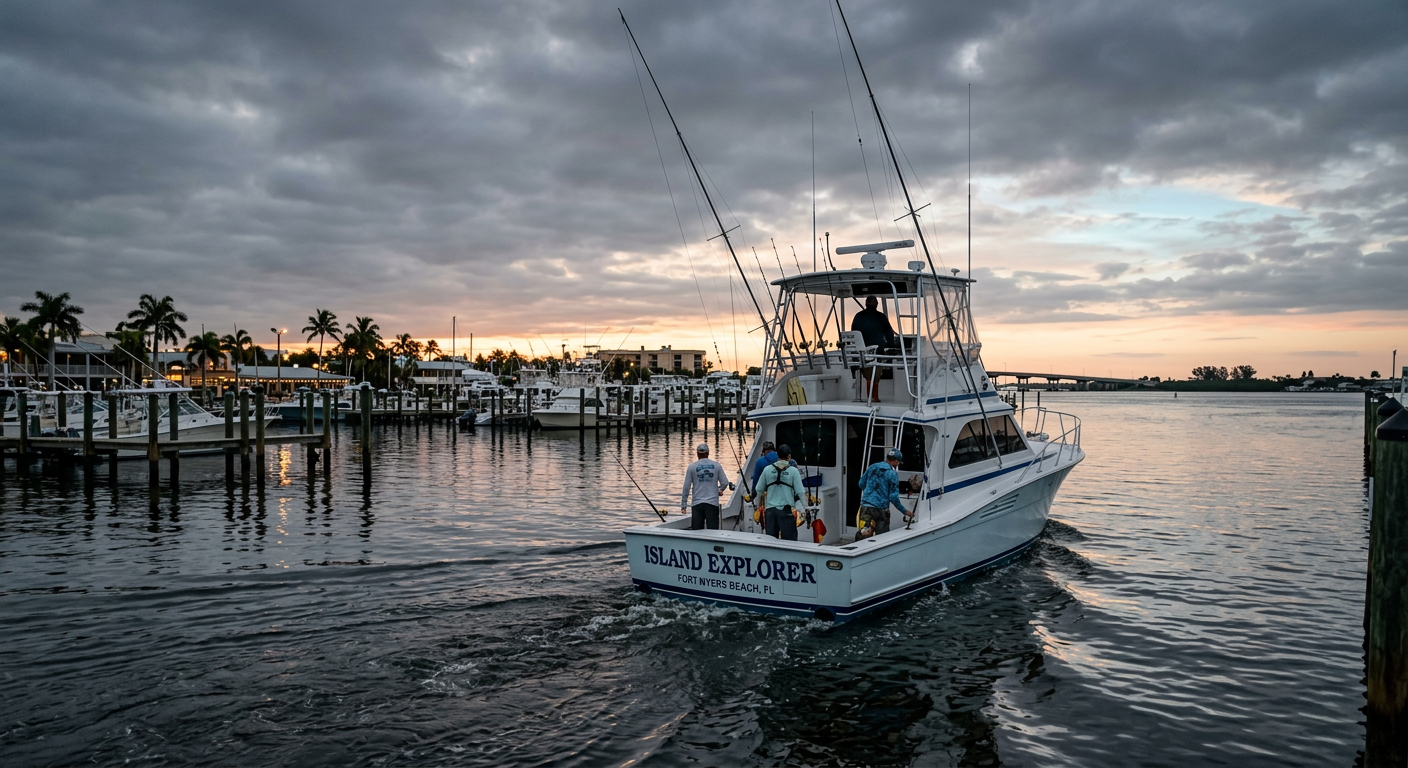
The Continental Shelf Crawl
The digital depth finder reads around forty feet for a frustratingly long time. You book these excursions picturing a sudden plunge into the abyss mere miles from the dock. The coastal topography prevents it. The continental shelf stretching west from Estero Island is flat and slopes downward at a glacial pace. According to the bathymetric charts published by NOAA, the ocean floor declines just inches per square mile in this sector.
There is a crescent-shaped chip in the red gel coat next to the port side cleat.
The endless boat ride initially looks like an artificial delay to burn the clock. Then you watch the mate organize rigid bottom rigs near the center console. The slow commute acts as a necessary filter separating serious anglers from the sandbar tourists. By the time you reach the genuine fishing grounds, anyone prone to motion sickness is asleep below deck.
Locating the Blue Water
The competent captains available through Rockon Recreation Rentals disclose this commute upfront. The state boundary lines sit nine miles out. You hook juvenile snapper in that zone. The staggering pelagic predators roam miles past that marker. Pursuing them requires navigating hours west of the primary navigation buoy just to locate rugged limestone ledges. The geographic reality demands patience. You accept the empty horizon, or you stay near the passes.
Decoding Authentic Offshore Runs
A rhythmic squeak from a loose cooler hinge cuts through the crosswind before the boat clears the channel markers. Standard promotional materials push a sanitized narrative of offshore angling. Everyone smiles while holding a pristine catch against a cloudless sky. They omit the physical toll of the offshore run. It takes about an hour for a scopolamine motion sickness patch to kick in. The steep Gulf chop starts rocking the hull long before the medication takes hold.
I can't prove this, but the worse a boat's outboard paint job looks, the better the captain probably is. Tourists fall into the trap of prioritizing molded cupholders over a mate with calloused hands. A flawless vessel deck indicates a crew spending their shifts scrubbing at the marina dock. A scarred gunwale suggests a boat that spends its days hoisting grouper over the rail. Research is my love language; reality is my ex.
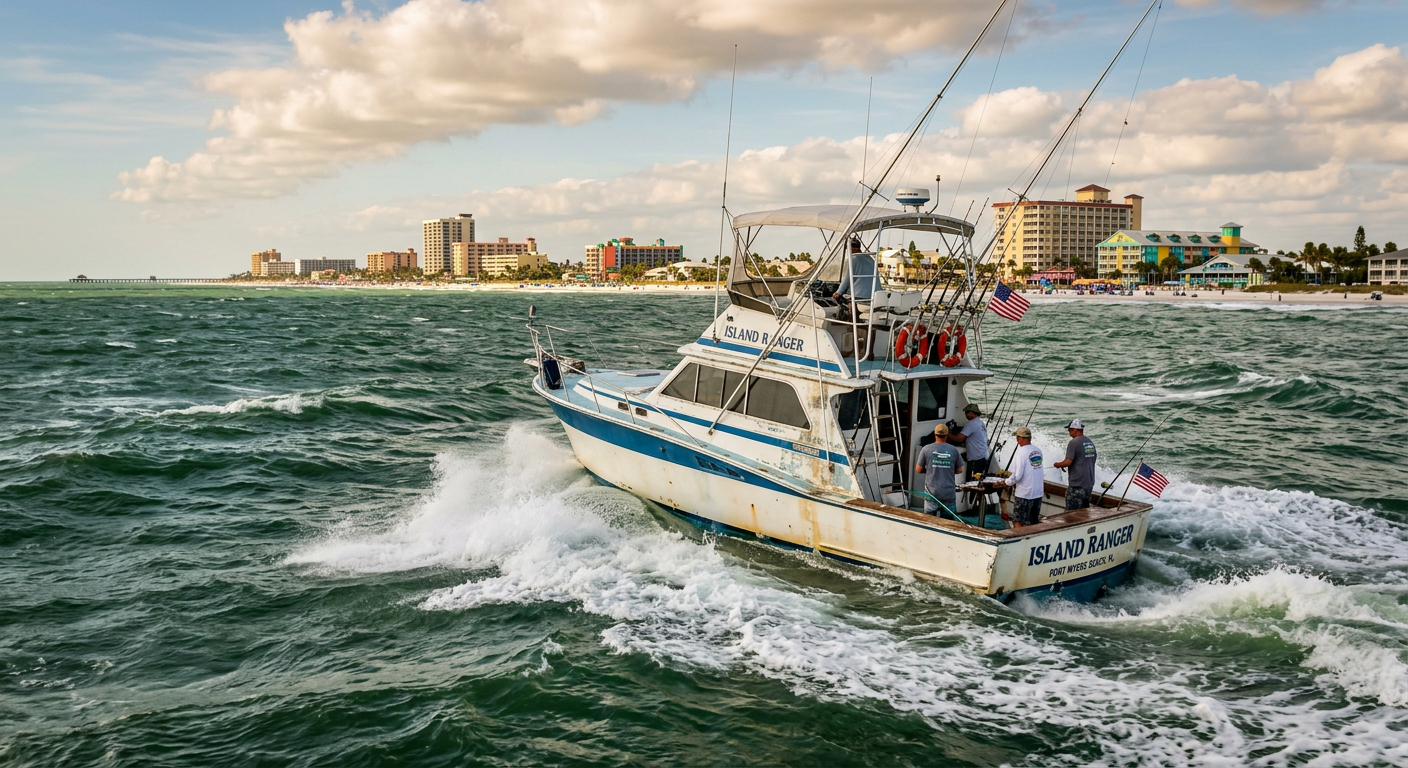
The Finesse Illusion
2019 me assumed the veteran fleet captains used thick fiberglass rods because they lacked the patience for modern light tackle. Then I watched a deckhand muscle a hulking Goliath grouper away from a sunken barge off the Lee County coast. The bulky gear is not a crutch for bad technique. It acts as an insurance policy. It stops jagged wreck structure from severing your braided line before the drag begins screaming.
A green plastic bucket sits upside down next to the starboard bait well.
The vessel groans as it pushes further west. The water drops its muddy green hue and turns a darker shade of blue. The captain cuts the engine and drops an anchor to the rocky bottom. The heavy offshore rods rest quietly in the metal holders along the back transom.
Navigating Federal Waters
The 2026 calendar brings updated NOAA Federal regulations for harvesting reef species in these Gulf waters. Many booking operators suffer from selective amnesia regarding seasonal closures during a sales pitch. You pay the premium charter rate to stare at a compliance sheet while tossing back the specific fish you wanted to eat. We advise clients to adjust their harvest schedules. Pivot to amberjack or cobia during the restricted windows. Those species fight harder anyway.
The ocean gives zero thought to your dinner plans. You just drop the bait and hope.
The Brutal Honesty of Gulf Coast Swells
Rough salt grit sets into your shirt collar by midday. Out here, past the offshore markers, the water exposes an isolated tragedy. That guy from Ohio in the white boat shoes stains his footwear black with squid ink. It gives you something to stare at while the diesel exhaust wafts over the stern.
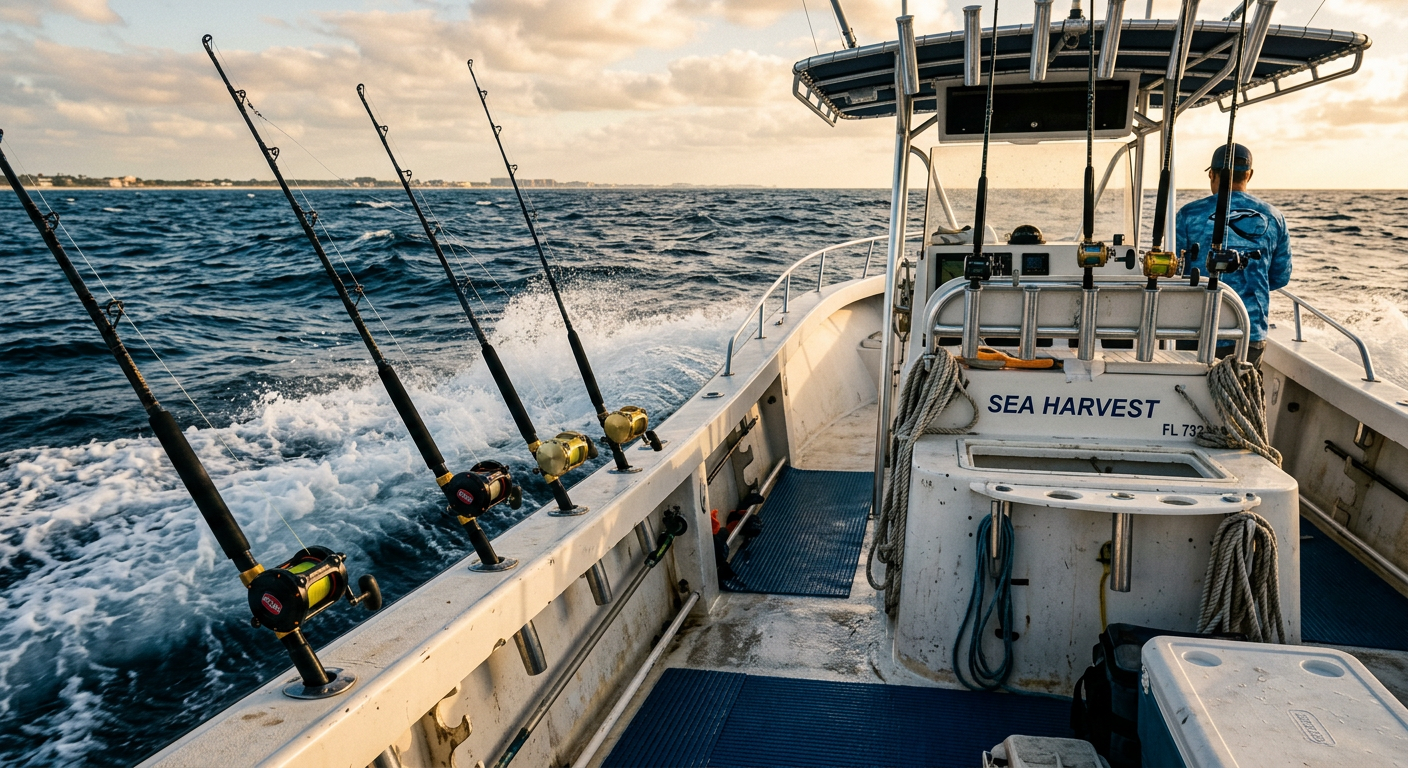
The Impact of the Swell
The Gulf of Mexico commands respect. Most vacationers book Florida deep sea fishing trips expecting a relaxed afternoon holding a bent rod. The logistical reality involves leg cramps and managing low-grade nausea. A short-period swell pushes the hull sideways at irregular intervals. It demands constant balance from everyone aboard. Your quadriceps burn before the first piece of cut bait reaches the bottom structure.
Hooking a mature gag grouper feels like snagging a submerged minivan. The rod bends into a sharp arc. You pull upward. The dead weight refuses to yield. The fish dives toward the limestone bottom to snap your leader around a jagged offshore reef. Lactic acid builds in your forearms. It is a gritty tug-of-war fought on a moving platform.
The Myth of Heavy Drag
The prevailing advice suggests brute force wins this fight. You lock the reel drag, assuming muscle overpowers the animal. Then the rod tip stops moving. The sudden stalemate exposes the flaw in that logic. Calculated line tension pulls a stubborn grouper out of a wreck. Raw pulling just guarantees a snapped leader and a deflated ego.
The captain turns the wheel portside. The blue hull cuts through a steep wave. A red cooler sits strapped to the aluminum leaning post.
A capable skipper anticipates these local wave actions. Evaluating the trip options matters more than inspecting the hull wax. The verified marine database at Rockon Recreation Rentals filters out the unseasoned crews. When NOAA Fisheries offshore wave buoys report a moderate chop, the shallow regional topography amplifies the bounce. You learn to brace your thighs against the fiberglass gunwales and grind the reel handle.
The Estero Bay Pivot
Thick, oppressive humidity wraps around your neck long before the captain prepares the return run. The offshore schedule dictates hours of clutching a steel rail while an exhaust stack blows into your personal space. Commercial transit logs near Matanzas Pass show a bleak ratio. Most clients spend longer bouncing in Gulf swells than actually dropping bait. People default to Florida deep sea fishing trips assuming bigger water yields a better return on investment.
The math on that assumption fails. Three hours into a pitching swell, I watched a deckhand untangle a six-rod mess while the cabin smelled faintly of stale chum. The pursuit of pelagic fish requires heavy machinery. It reduces the angler to a mere passenger until the strike happens.
You turn your back on the horizon. True technical angling exists in the opposite direction.
Fly Fishing the Coastal Margins
The shallow flats behind Fort Myers Beach offer a quiet counterpoint to the offshore industrial noise. Estero Bay operates silently. Fly fishing the coastal mangroves strips away the mechanical advantage of deep water dredges. You stand on the bow of a specialized skiff drawing exactly 8.3 inches of water. According to the Florida Fish and Wildlife Conservation Commission, this specific estuarine environment acts as a primary nursery for snook and redfish.
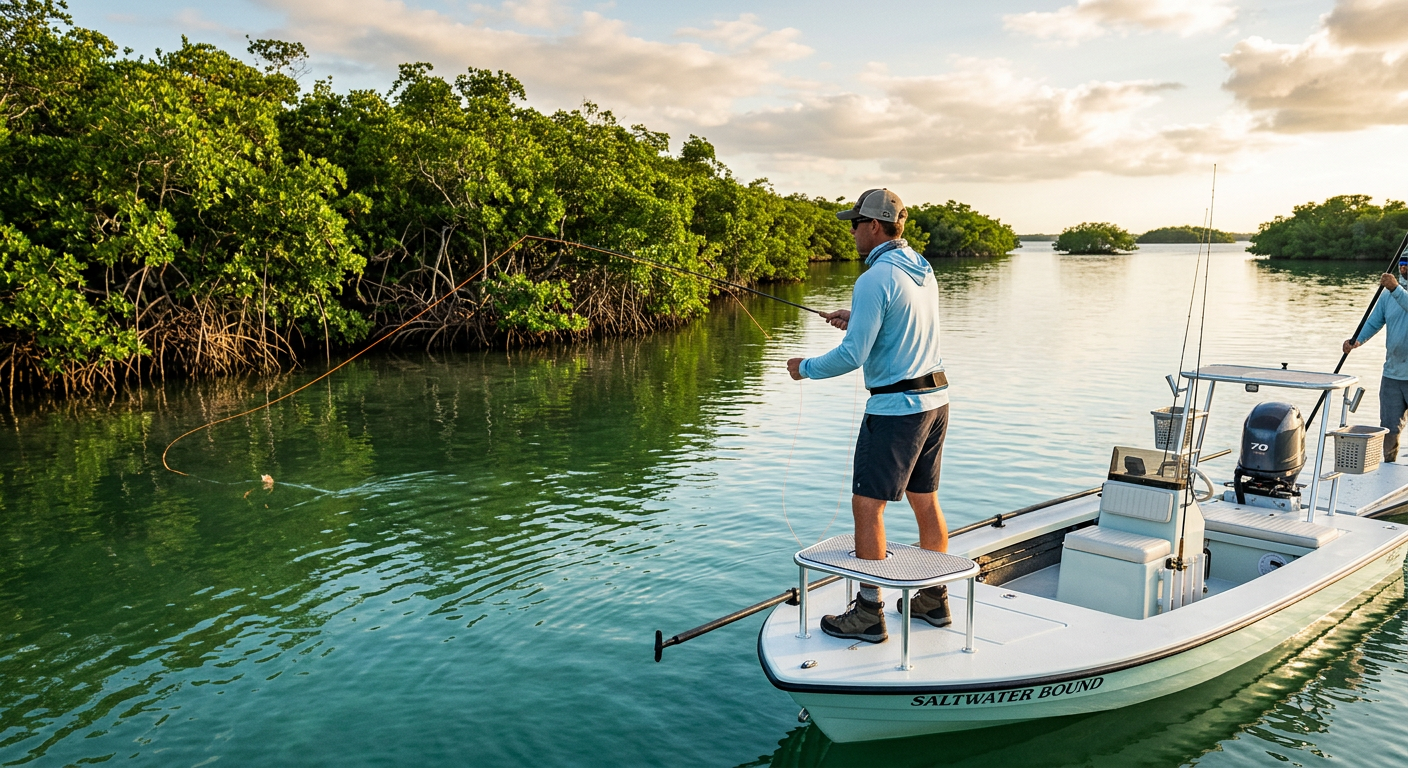
The slick coating of the fly line slides between your wet fingers. The carbon fiber rod measures nine feet. The current pushes against the mangrove roots, tinting the water a dark olive color. You manage the line tension by hand, eliminating the mechanical winch of an offshore conventional reel.
There is a faded yellow sticker peeling off the base of the poling platform.
Swapping Diesel for Poling Skiffs
The booking records at Rockon Recreation Rentals expose a clear divide in client satisfaction. The offshore crowds return physically beaten from the transit. The inshore fly fishers return mentally drained from the intense focus of sight-casting. Spotting a silver flash near a submerged oyster bar requires dissecting the water column with polarized lenses. The University of Florida mangrove ecology data indicates these root systems offer dense sanctuary structures. Pulling a fish out of there demands highly accurate casting loops rather than blind drops in open ocean.
Those traditional offshore runs sell the illusion of guaranteed hauling. The shallow water guides sell technical precision. You might land fewer total pounds of meat in the back bay, but every single connection results from a deliberate, tactical presentation while the engine remains shut off.
Surviving the Deck
The steady hum of the returning outboards rattles your jaw as the boat heads east. You survive a day on the offshore deck by abandoning your preconceived itineraries. The learning curve is steep.
The Banana Superstition
Many novices treat these charters like casual sunset cruises. They pack provisions without consulting local maritime folklore. Ever wonder why deckhands inspect your grocery bags before untying the dock lines? Bringing bananas onto a charter vessel is a fast way to alienate the crew. It is considered catastrophic luck. The mate will toss the fruit overboard without asking.
A corroded pair of needle-nose pliers sits wedged under the bait cutting board.
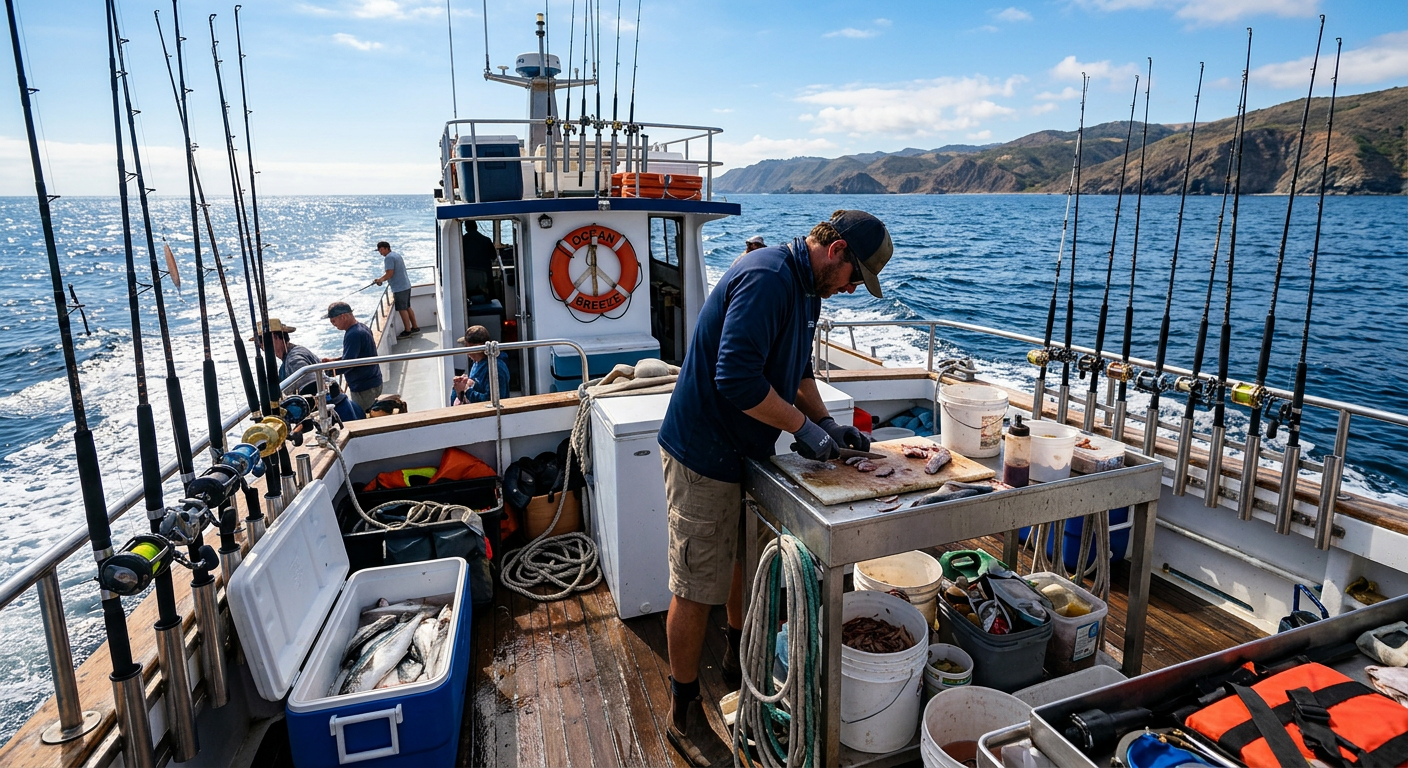
A quick glance at the operator guidelines on Rockon Recreation Rentals highlights this reality. Competent crews defend their deck space. A soft cooler and a light jacket are sufficient. Dragging hard-sided coolers aboard creates dangerous tripping hazards on a pitching hull, and the crew already has insulated boxes for the catch.
The Reality of the Haul
You evaluate the day expecting a quick wall-mounted trophy. The Gulf ignores you. You might hook a Goliath grouper that snaps your heavy leader in six seconds. You might pull up undersized red snappers for four consecutive hours.
The ocean owes you nothing.
I once assumed charter captains anchored at subpar reefs to save fuel at the end of a long shift. The 2026 migration data published by the Florida Fish and Wildlife Conservation Commission corrected my cynical theory. Large pelagic species cover ground faster than the boats can track them. The captain is often chasing shifting shadows on a sonar screen, attempting to predict an unpredictable migration pattern.
The bait well holds thawed chunks of frozen squid. A crew member ties fresh circle hooks onto the frayed leaders. The captain steers the vessel southeast. The water depth reads around a hundred feet. The sky remains flat grey.
The deckhand hoses fish scales off the non-skid flooring before the engines shift down into idle speeds. You sit on a wet seat cushion and avoid making eye contact with the partially empty fish box. Your right shoulder throbs with a dull ache as the boat drifts back under the Matanzas Pass Bridge. You realize next time, you are booking a fly trip.
Plan your trip: Ready to experience this firsthand? Book Fly Fishing Trip directly through our marketplace.