The Reality of the Paunsaugunt Plateau
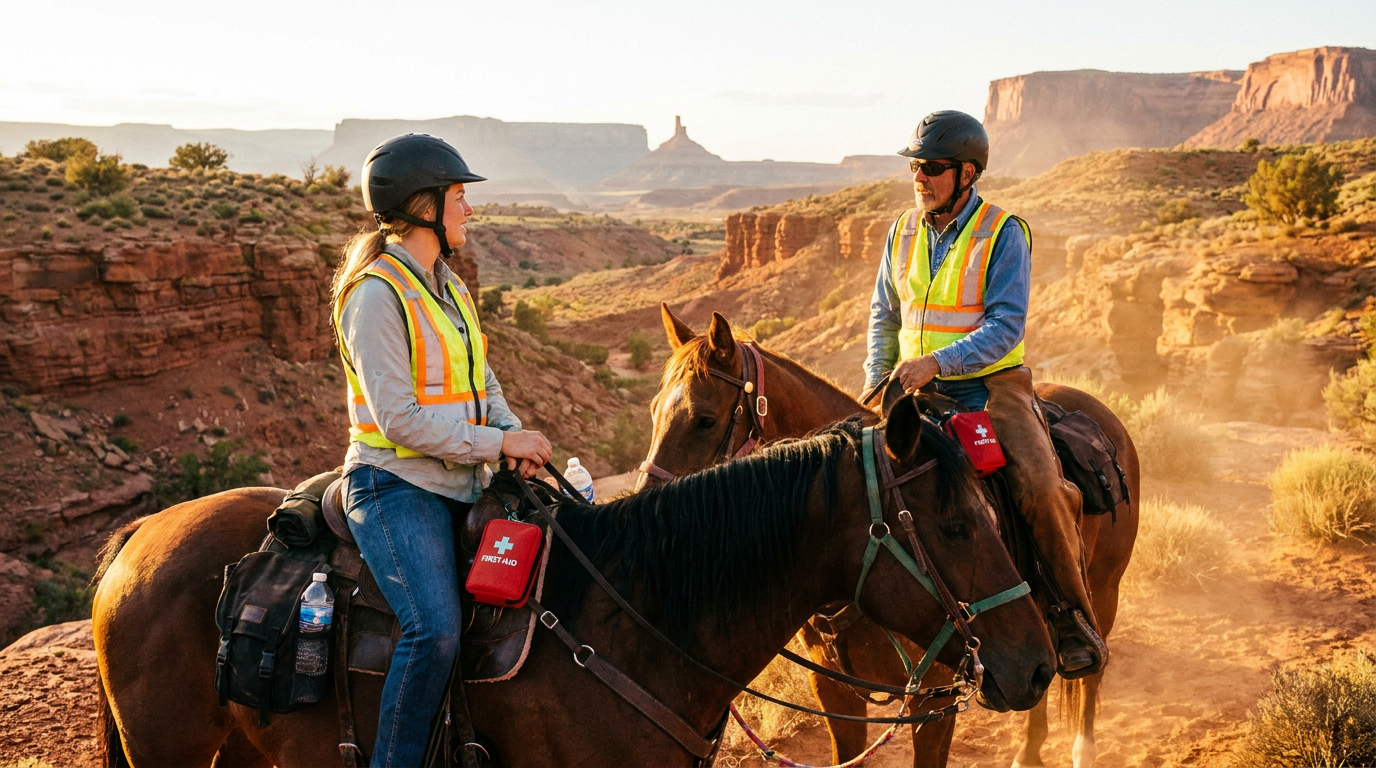
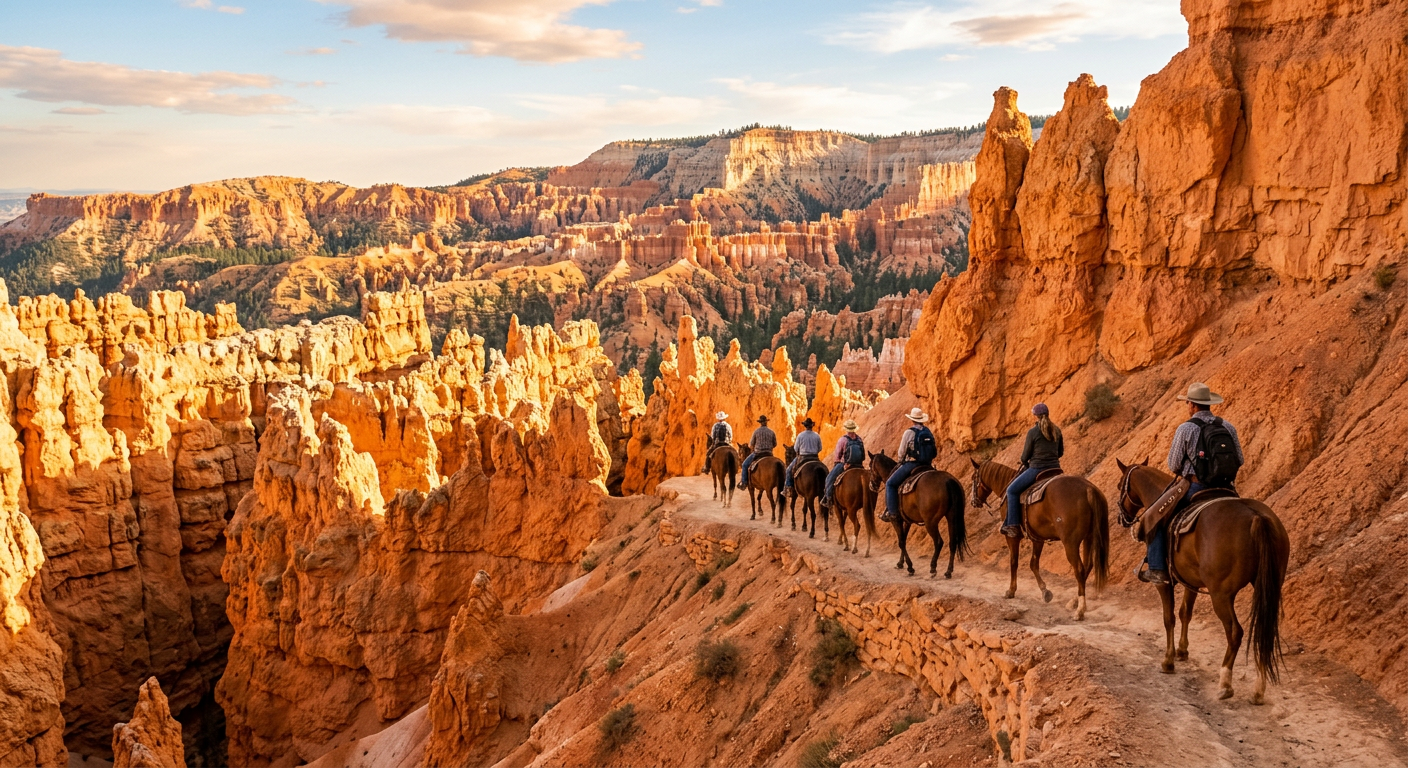
The red dust settling on your tongue tastes faintly of iron and chalk. It coats your boots, your jeans, and the reins in your hands within ten minutes of leaving the corral. You are riding along the edge of the Paunsaugunt Plateau in 2026, and the wind here carries a fine grit that works its way into everything. Bryce Canyon is not a canyon. It is a massive series of natural amphitheaters carved into the eastern edge of a high plateau. Nature is tricky like that.
The leather creaks as your horse shifts weight at the trailhead, standing at exactly 8,321 feet of elevation. The air is thinner up here, which catches many riders off guard when they first saddle up. According to the National Park Service, the high altitude combined with the arid climate requires far more hydration than typical trail rides back home. I expected to feel out of breath immediately, but the cool breeze sweeping through the ponderosa pines makes the elevation feel deceivingly manageable.
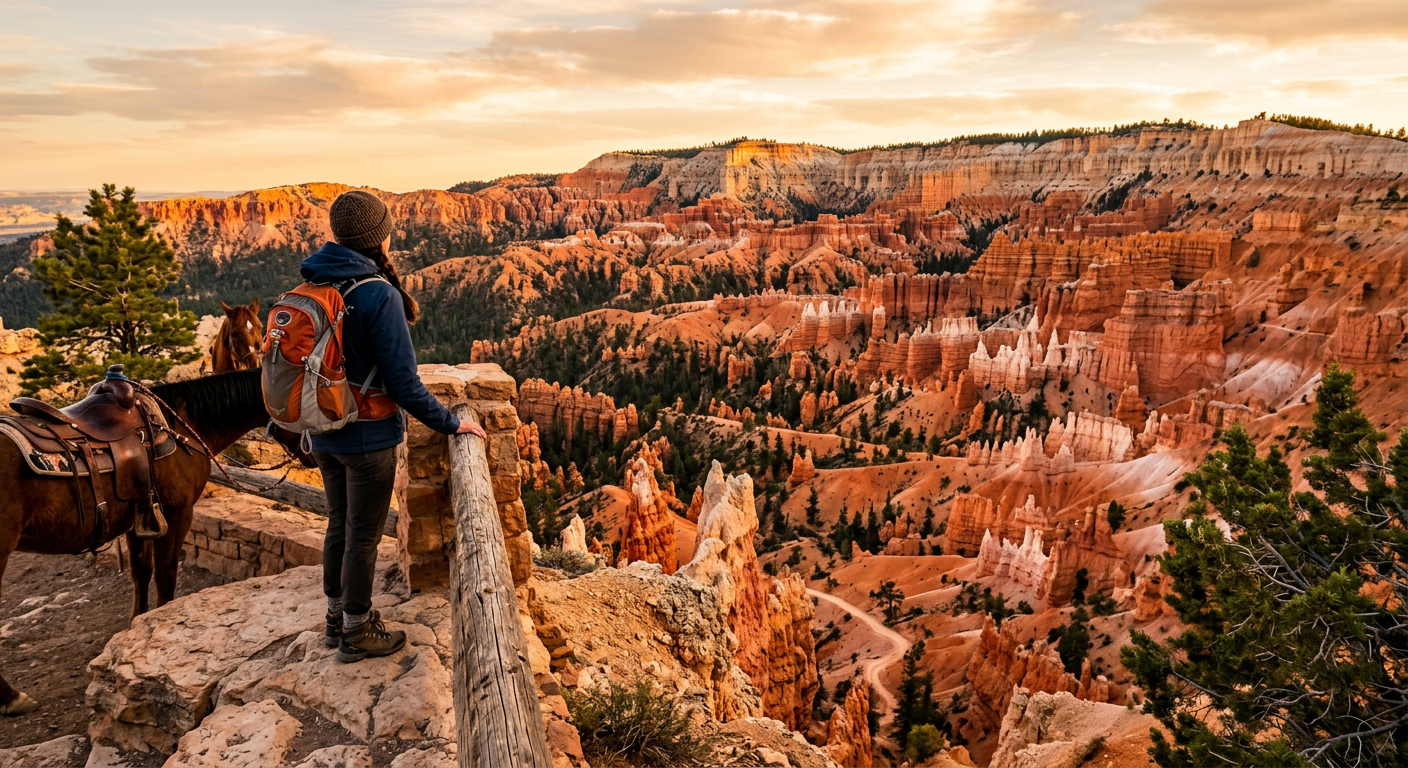
The basic safety tips for desert horseback riding in utah usually focus on packing water, but they rarely mention the psychological toll of the switchbacks. Navigating steep grades among ancient hoodoos requires a different level of trust in your animal. Beige is a sin, and this landscape is brilliant orange, towering like mismatched pillars holding up the sky.
We started our descent along the Peek-A-Boo Loop trail just after sunrise. The path was narrow and lined with loose gravel. A small piece of blue twine was tied around the third fence post near the trailhead—a useless detail that stuck in my mind while the horses walked in a single file line down the slope.
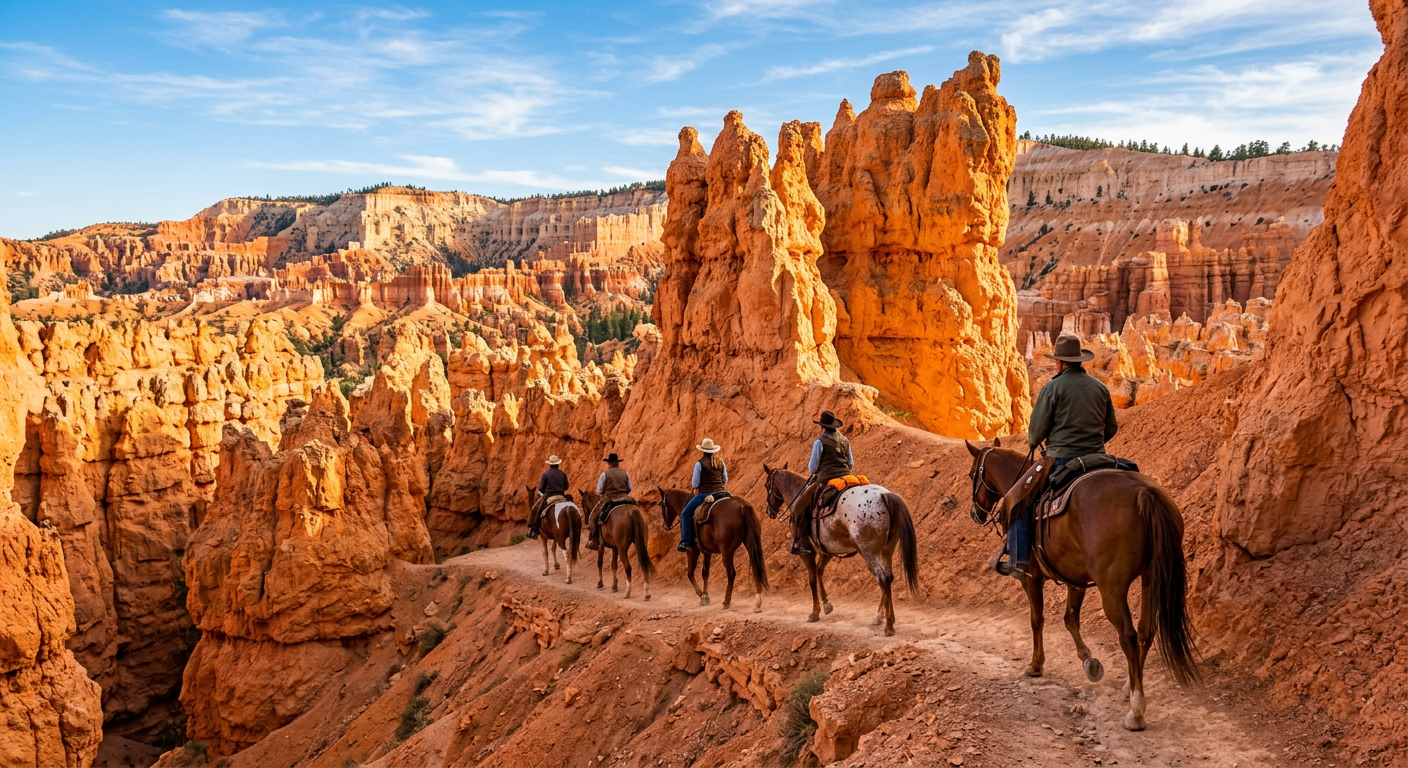
I assumed looking down into the sheer drops of the amphitheater would trigger my usual height-induced panic. I tightened my grip on the saddle horn as we approached the first major switchback, convinced I was going to slip. Instead, the horse's rhythmic, deliberate steps felt grounding. The animals bred for these specific trails know exactly where to place their hooves, and that steady footing melted away my nerves. I found myself looking out at the sweeping views rather than staring at the dirt.
Trusting Your Mount on the Trail
Give your horse the slack they need to navigate the steep terrain, and just breathe. You will have a better ride if you let the animal do what they have been trained to do. Micro-managing the reins on a steep incline only confuses the horse and compromises both of your balance.
If you want to experience this landscape properly, applying practical safety tips for desert horseback riding in utah comes down to respecting the environment and your guide. As a recognized VisitFlorida Travel Partner through Rockon, I usually evaluate coastal operators, but the outfitter standards here out West mirror the strict safety protocols we look for back home. Bring layers to handle the temperature swings and trust the local experts who run these trails daily. For those ready to saddle up and see the hoodoos from a new vantage point, you can book guided trail experiences through Rockon Recreation Rentals. It is the kind of morning that stays with you long after you brush the last of that red dust off your boots.
Why Your Baseline Gear Needs an Upgrade
The scent of melting sunscreen mixes with dusty canvas saddlebags by ten in the morning. Up here, the sun does not just warm your skin; it feels like a physical weight pressing down on your shoulders. The thin atmosphere at high elevation fails to filter much radiation.
The Altitude Amplifies the Sun
You might think your basic drugstore shades will cut the glare off the canyon walls. They will let you down. According to the National Park Service incident reports, the lack of tree cover on the plateau leaves riders exposed to rapid sunburn.
I generally avoid wearing wide-brimmed hats because they feel clunky on the trail. But when a local wrangler handed me a leather stampede string to secure a borrowed Stetson, I changed my tune. I assumed the chin strap would just be an annoying distraction. The extra shade cooled my face and transformed the ride into pure visual joy.
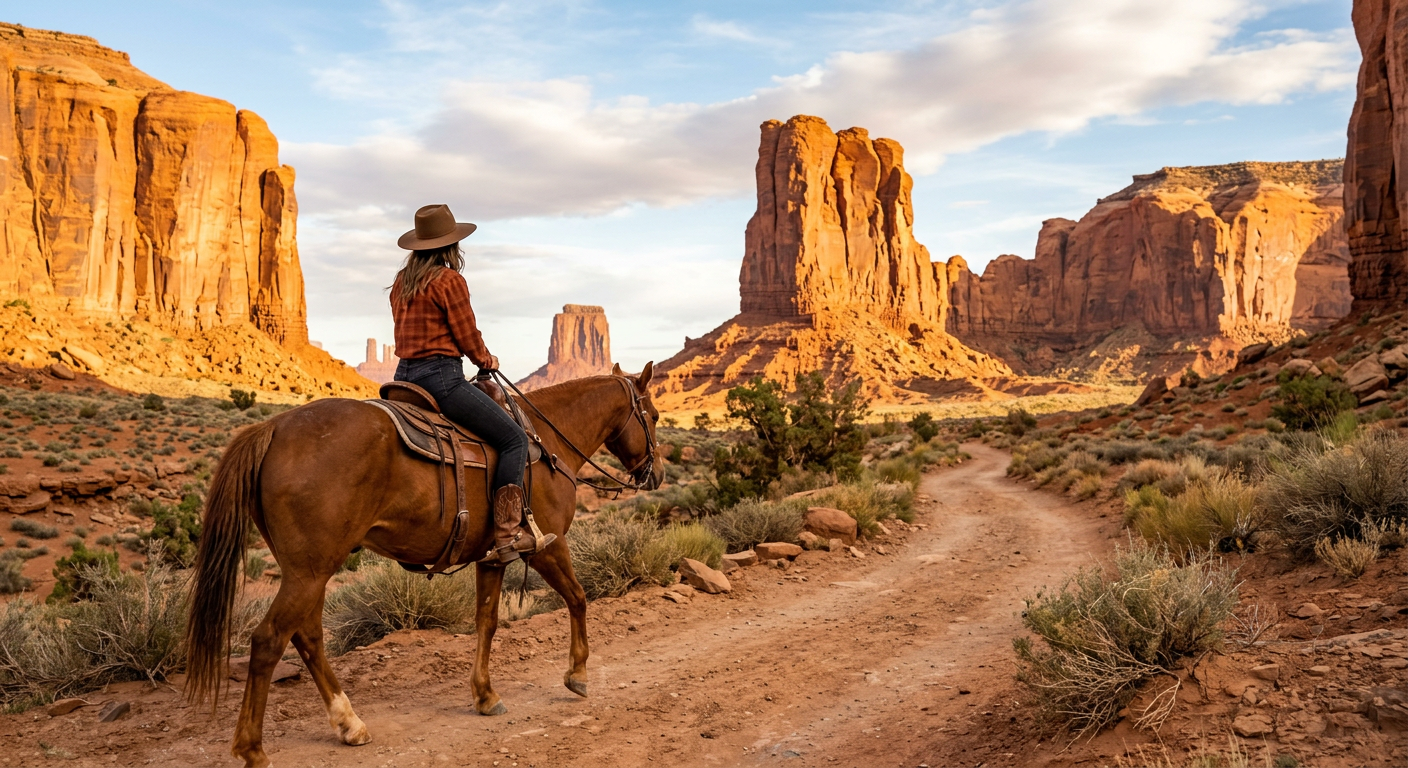
The UV index in southern Utah reaches its peak between noon and late afternoon. Riders need eye protection with polarized lenses to see the trail clearly. The sunlight reflects harshly off the pale rock formations, turning the limestone into a blinding mirror.
Proper Footwear is Mandatory
Let us talk about your feet. One of the most vital safety tips for desert horseback riding in utah involves your shoe choice. Sneakers are a major liability on any trail. A flat rubber sole can slip straight through a metal stirrup.
If your horse shifts unexpectedly, a trapped foot becomes a dangerous anchor. You need a boot with a distinct heel to act as a physical brake. A half-inch heel stops the boot from sliding forward.
We emphasize this through Rockon Recreation Rentals when prepping guests for trips. Leave the running shoes in the rental car. Buy or rent a cheap pair of riding boots if you must. The right stirrup on my saddle had a small scratch shaped like a crescent moon near the bottom edge—a reminder of thousands of miles logged on these trails.
Beating the Desert Temperature Swings
The high desert in 2026 operates on its own strange climate rules. A morning ride starts with numb fingers and visible breath. By lunch, you will be sweating through your shirt.
Layering is your only real defense against these massive daily shifts. You want to shed clothes without stopping the whole group.
- Wear a lightweight, breathable base layer.
- Add a long-sleeved button-up shirt to block the sun.
- Bring a fleece jacket for the freezing early hours.
You can tie that outer jacket behind your saddle when the canyon heats up. The elements out here demand respect, and shivering through the first two hours of a ride is a miserable way to spend your morning.
Essential Gear and Mindset for Desert Trails
Managing the Elements
The sudden rush of air funnels through the limestone corridors, creating a low whistle that echoes off the canyon walls. Wind behaves differently down here in the amphitheater. It snaps against the brim of your hat and rustles the dry sagebrush along the path. That unexpected noise can spook nervous riders, though the mules and horses raised in this terrain barely flick an ear. I love the wild, unpredictable energy the breeze brings to the descent.
My guide tossed me a damp canvas water bag. I tied it to the saddle horn with a leather strap, feeling its heavy weight anchor the saddle. We nudged the horses forward along the dirt path.
I spent my first few rides gripping the saddle horn, watching my horse for signs it might buck or bolt on the steep inclines. But leaning back against the saddle near the canyon floor, wiping sweat from my forehead, I realized the animal beneath me was calm and capable. The actual danger on these trails comes from the rider. The most crucial safety tips for desert horseback riding in utah revolve around managing your own body temperature and hydration, rather than trying to micromanage the horse.
Equipping for the Ride
The park ranger incident logs for 2026 paint a clear picture of trail hazards. Heat exhaustion and severe dehydration trigger the majority of emergency trail assists, outpacing horseback accidents by a wide margin. The dry air wicks moisture from your skin fast, masking how much you are sweating. You need to drink water on a schedule, even when you do not feel thirsty.
At Rockon Recreation Rentals, we remind our guests to wear long, breathable sleeves to block the harsh high-altitude sun. You will want a wide-brimmed hat with a secure chin cord so those canyon drafts do not send it sailing over a cliff. A rusted bottle cap sat wedged in the crux of a twisted juniper tree near our rest stop. Sunscreen on the backs of your hands is an easy thing to forget until you are holding reins for a few hours in the afternoon glare.
Pack twice the water you think you need. Tie it securely to your saddle, and drink from it every time the guide pauses the group.
Trusting Your Guide Over Your Western Fantasies
The dry, brittle lack of humidity cracks your lips within an hour on the trail this season. Binge-watching three seasons of a cowboy drama does not equip you to override a local wrangler. You are on a steep trail in southern Utah, not a television set. The guides give clear commands because they know how these animals react to the terrain.
Maintaining Trail Cohesion
Horses are prey animals with strong herd instincts. Letting your mule lag a dozen yards behind stresses the entire group. A rusted coffee tin sits on the lowest rail of the wooden mounting ramp at the corral. The isolated animal panics, and the anxiety spreads up the line. Keep a steady distance of about one horse length from the rider ahead of you.
Trail cohesion prevents chain reactions. Your wrangler will stop the group if the spacing gets sloppy, but it is your job to keep your horse walking at the group's pace.
The Low Certainty Gut Check
I can't prove this, but I used to believe pushing through a wave of dizziness on a high ridge showed mental toughness. I realized later that playing the stoic just makes you a liability. Faking your well-being on a narrow cliff edge puts the whole group at risk. Speak up the moment you feel off-balance.
One of the most critical safety tips for desert horseback riding in utah involves checking your ego at the mounting block. Guides prefer a rider who admits they need a quick break to drink water over one who faints in the saddle. The National Park Service notes that dehydration hits faster at this altitude. Booking your trip through Rockon Recreation Rentals ensures you are paired with outfitters who prioritize practical communication over polite silence.
We followed a limestone wall where loose gray rocks covered the path. The guide rode a brown gelding at the front of the line, stepping over exposed tree roots. The rest of us just held on.
The Unspoken Etiquette of the High Desert Trail
The Drop Rule
If a gust of wind pulls your hat off, leave it. Do not lunge for it, and do not swing your leg over the saddle to dismount on a narrow ridge. A sudden human movement from above is how a horse translates an apex predator attacking. You are sitting on a prey animal that weighs roughly half a ton.
Let the guide retrieve your belongings. A lost phone is a minor inconvenience compared to a startled horse on a cliff edge.
Navigating Two Legged Traffic
Trail right-of-way rules dictate that hikers yield to horses. According to guidelines published by the National Park Service, pedestrians should step downhill and wait for livestock to pass. The issue is that most visitors staring through a camera lens ignore trail etiquette signs. You will encounter groups clustered on blind corners near the Queens Garden trail section.
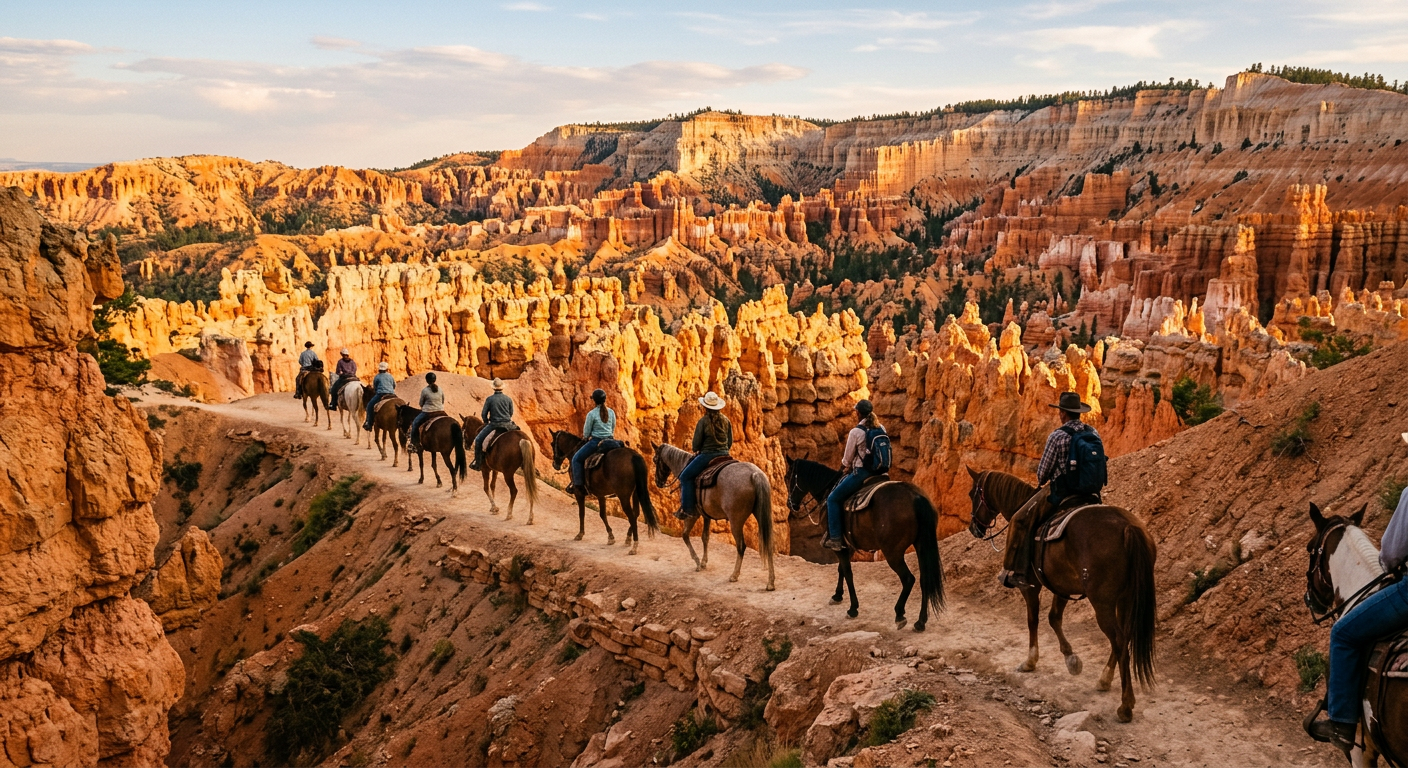
I assumed the steep switchbacks would be the most demanding part of the ride. 2019 me would have thought the terrain was the enemy. 2026 me knows the actual hazard is a tourist popping out from behind a hoodoo to snap a photo with a tablet. Sudden flashes or rustling nylon jackets break a horse's focus.
The most practical safety tips for desert horseback riding in utah revolve around managing these unpredictable pedestrian encounters. Keep a firm grip on the reins and verbally alert hikers of your approach in advance. If you book your guided trip through Rockon Recreation Rentals, the wranglers usually handle traffic control, but riders must stay alert.
Speak loudly to pedestrians so the horse registers them as human. Silence makes horses nervous.
Finding the Rhythm
The radiating heat off the canyon floor warms the leather of your boots by mid-afternoon. The sharp scent of crushed pine needles mixes with dry earth and oiled saddle leather. The horses fall into a steady, matching gait. The ride finally quiets down, settling into a rhythm that feels almost ancient against the red rock.
Frequently Asked Questions
What is the most ignored rule on the trail?
Most riders reviewing safety tips for desert horseback riding in utah focus entirely on the horses and ignore their own hydration. Drinking water before you feel thirsty is the single most bypassed rule on the plateau, often leading to rapid heat exhaustion at high altitude.
Do I need prior riding experience to trail ride in Utah?
No. The local outfitters provide trail-tested mules and horses accustomed to beginners. However, you must be able to follow verbal instructions immediately and maintain balance on steep grades.
How much water should I pack for a half day ride?
You need a minimum of two liters per person. The dry air and high altitude strip moisture from your body faster than you realize, masking how much you are actually sweating.
Can I wear sneakers if they have good grip?
No. Sneakers lack a distinct heel. Without a heel, your foot can slide completely through the stirrup, which becomes a severe hazard if the horse spooks or trips on the trail.
What happens if I drop my phone while riding?
You leave it on the ground. Never dismount or lunge for a dropped item. Sudden movements scare the animals. Inform your guide, and they will retrieve it safely when the terrain permits.
Why do horses get the right of way over hikers?
Horses are large prey animals that can spook easily on narrow trails. Hikers stepping aside and speaking calmly helps the animals recognize them as non-threatening humans rather than predators emerging from the brush.
Is altitude sickness common on these rides?
Yes. The trails often sit above 8,000 feet. Following basic safety tips for desert horseback riding in utah means arriving a day early to acclimatize before booking a strenuous half-day or full-day ride.
How cold does it get in the desert mornings?
Temperatures frequently drop into the low forties or thirties at sunrise, even in the middle of summer. You need layers that you can shed by noon as the canyon floors heat up.
Should I bring a backpack?
Avoid wearing backpacks. They throw off your center of gravity on steep inclines, and the rustling nylon can scare the horse behind you. Use the secure saddlebags provided by the outfitter.
Are helmets required for adults?
While state laws vary and some outfitters only mandate them for minors, helmets are strongly encouraged. Protecting your head from low branches and potential falls on hard rock is non-negotiable for serious riders prioritizing safety.
Plan your trip: Ready to experience this firsthand? Book Bryce Canyon Horse Rides in Southern Utah directly through our marketplace.