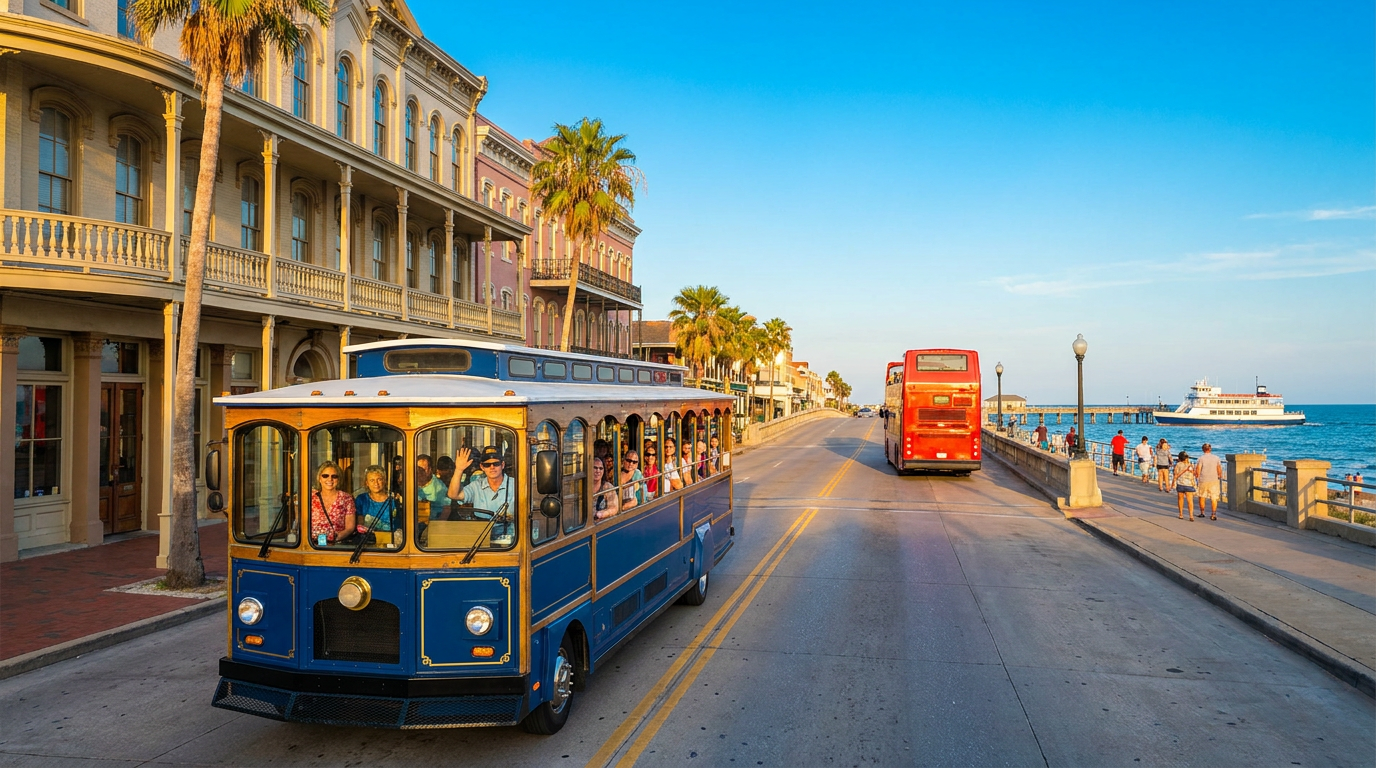
Cancel your standard tours galveston reservations today if you expect to float through clear spring water. The salt spray skipping off the bow tastes of iron and crushed marsh mud. Tourist brochures adjust the cyan saturation sliders on their printed assets to make the Gulf look like an imported slice of the Bahamas. They lie. Many superficial operators refuse to publish a realistic photo in their marketing materials. The water here is brown. If it's on a postcard, it's a trap.
The Problem With the Gulf Coast Brochure
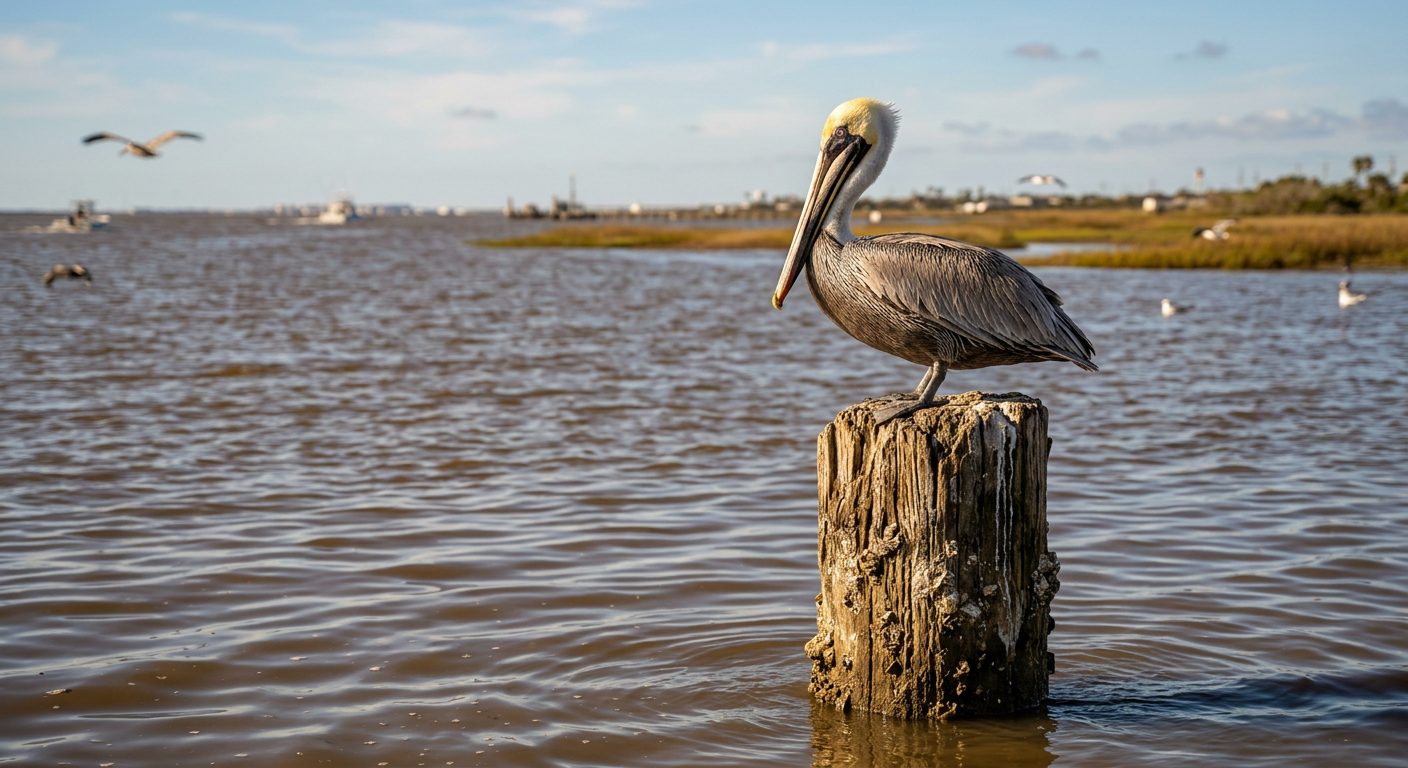
The water temperature near the jetties measures exactly 81.3 degrees in late July. The surface looks like stirred coffee. The shoreline consists of dark gray sand and crushed oyster shells. Pelicans rest on the wooden pilings along the main traffic channel. A guy in a neon green visor dropped his sunglasses overboard while pointing at a crab trap on my trip last week. The current carried the plastic frames away toward the shipping lane. He just stared at the ripples for a long time. That was the highlight of his morning.
The Estuary Biology Equation
Florida trained me to expect clear water and sluggish manatees, but Texas gave me muddy currents and aggressive redfish. My Rockon Recreation Rentals Travel Partner background since 2018 conditioned me to judge an marine excursion by how deep I could see my fins. I arrived on the Gulf Coast expecting that same visual clarity. It was a categorical error.
2019 me would have stared at the murky wake off Seawall Boulevard and felt cheated. 2026 me changed my mind watching a heavy black drum pull drag through the shallow Galveston silt. You realize the water clarity maintains an inverse relationship with the density of the ecosystem. The opaque nutrient soup provides the biological foundation for local forage fish. Caribbean water looks attractive on paper, but it functions as a biological desert without the suspended matter needed to sustain a hearty food chain.
Coastal estuary data from the National Oceanic and Atmospheric Administration tracks how nearby river basins deposit tons of organic material into the bay daily. This feed sustains dense populations of blue crabs. Local guides who understand this terrain operate differently. They anchor on the edge of the main mud boils. The game fish use the visual barrier as cover to ambush passing shrimp.
Passing the Visual Test
Research is my love language; reality is my ex. The loudest tourists rattling around the docks complain about the water color. They ignore the clicking sounds of thousands of oysters filtering that same bay water beneath the hull. Why demand clear water if it means starving the bay?
Some visitors take one look at the brown surf and decide to stay indoors. They abandon their 2026 vacation plans to sit by a chlorinated hotel pool. Meanwhile, the people who booked authentic tours galveston locals recommend are pulling keeper flounder over the gunwales. The murky barrier hides a frantic subsurface competition. Try to appreciate the mud. The sediment is the engine.
Finding the Right Dolphin Guides in the Harbor
The steady hum of an outbound tanker engine vibrates through your ribcage. That low frequency drowns out the soft lapping of water against our skiff. A few years ago, I would have found this industrial backdrop jarring compared to the quiet mangrove trails back east. Now, sitting here with a slow morning coffee, this chaotic blend of commerce and nature feels honest.
Looking across the harbor, you learn a basic rule of the channel. Finding the right vessel means avoiding the double-decker party boats. Those floating nightclubs blast pop music over the water for hours. They chase away the smartest animals long before anyone reaches the bow railing.
Bottlenose dolphins here do not behave like timid creatures from an eco-documentary. They seek out the chaos of the port. They drop behind passing tugboats to surf the heavy wakes rolling out to the ocean.
I can't prove this, but the older dolphins seem to know the Bolivar ferry schedules. I used to think wild animal viewing required environments isolated from human infrastructure. Seeing a pod use a dredging barge to corner silver mullet changed my perspective entirely. They turn the mechanical turbulence of the port into a tactical hunting advantage.
Marine biology research out of Texas A&M University at Galveston notes that local pods develop specialized feeding strategies tied to boat traffic. Choosing the best tours galveston operators means finding someone who respects this rough synergy.
The Art of the Cut Engine
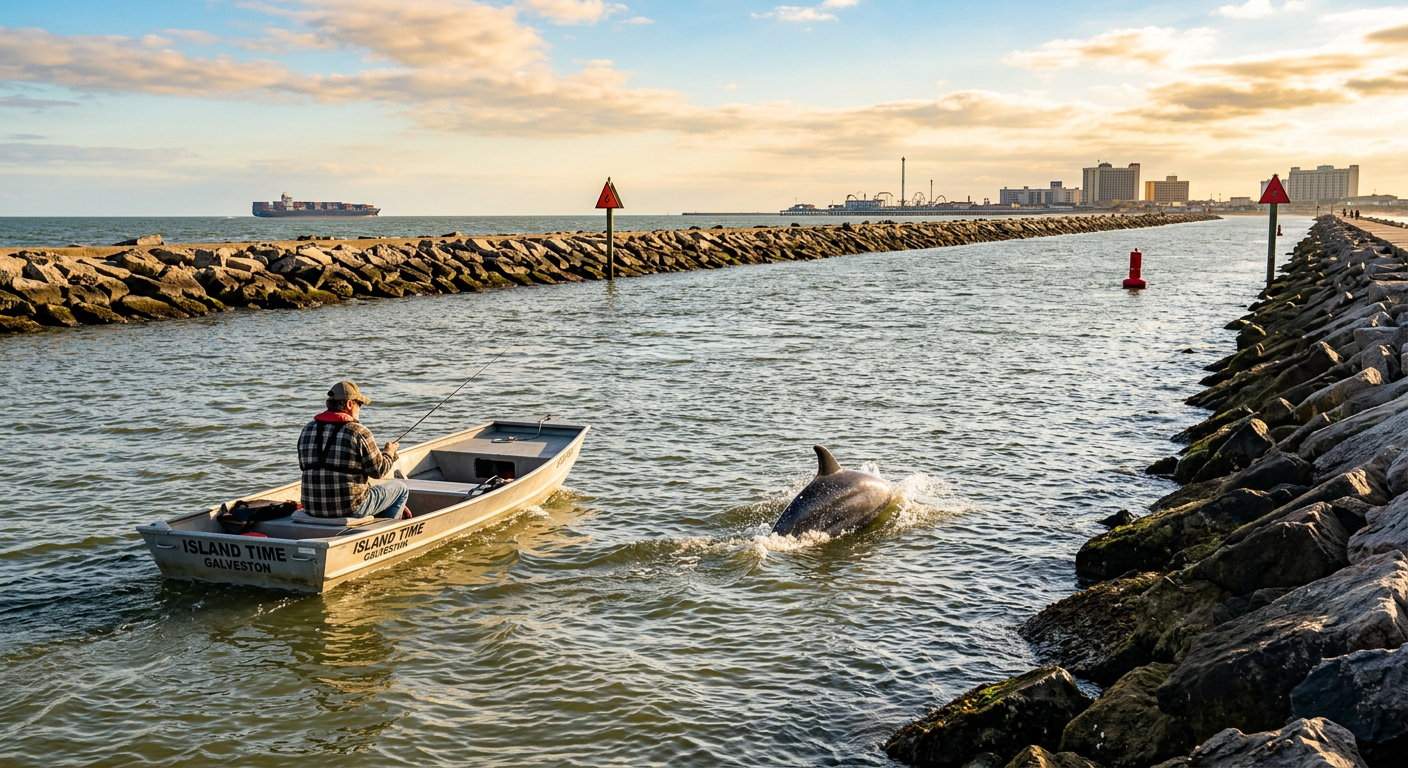
We booked a flat-bottom skiff that sat low in the water. The guide steered near the rock groins along the edge and turned the key. The engine stopped. The hull drifted backward with the outgoing tide. Two gray dolphins swam past the port side a few yards away. They controlled the distance.
It becomes obvious why a good captain kills the motor instead of driving in circles. When the mechanical grinding fades, you hear the sharp puff of air escaping from a blowhole before you spot the animal. Do you prefer chasing a wild animal with a loud prop, or letting it come to you?
Navigating Pier 21 Dock Logistics
The docks near the Strand District smell of decayed shrimp bait and diesel exhaust. Most booking pages instruct passengers to arrive fifteen minutes prior to cast-off. Do not do this. The harbor parking scenario forces you to navigate pedestrian crosswalks blocked by horse-drawn carriages and tourists wandering aimlessly with ice cream cones.
My gut says half the 1-star reviews for local boat tours stem from stressed fathers who had to jog six blocks from a remote overflow lot. The Harborside Drive parking meters require a phone app that inevitably needs an update right as your boat is untying. Give yourself forty minutes to park. Pay the daily rate at a covered garage. The peace of mind buys you a better attitude on the water.
The Tide Chart Misdirection
The schedules printed on glossy brochures suggest that noon is a prime time to view the marshes. In reality, successful marsh navigation revolves around lunar pulls, not clocks. According to tidal models from the National Oceanic and Atmospheric Administration, the water rushing back into the Gulf pulls baitfish out from the protective spartina grass. A receding tide forces juvenile crabs into the open channels.
I suspect the best operators deliberately schedule their custom departures right as the current flips outward. The visual of the grass lines emptying their contents into the waiting mouths of predatory fish dwarfs anything you will see during a stagnant slack tide.
The Florida Illusion and Texas Wildlife Realities
Let's talk about the standard brochures promising manatee encounters. They do trickle over to this stretch of the Texas coast during the warmer months of 2026. These mammals drift away from Florida as the Gulf waters reach peak heat.
As someone accustomed to navigating their primary habitats out east, I can confirm that depending on a sea cow sighting to make your Texas trip worthwhile guarantees frustration. The bay system supports a vast array of wildlife, but you have to align your expectations with the geography. I suspect the few manatees that wander this far west are just lost. Trust your gut on this—if you want reliable action, focus on the resident marine life.
Industrial Symbiosis
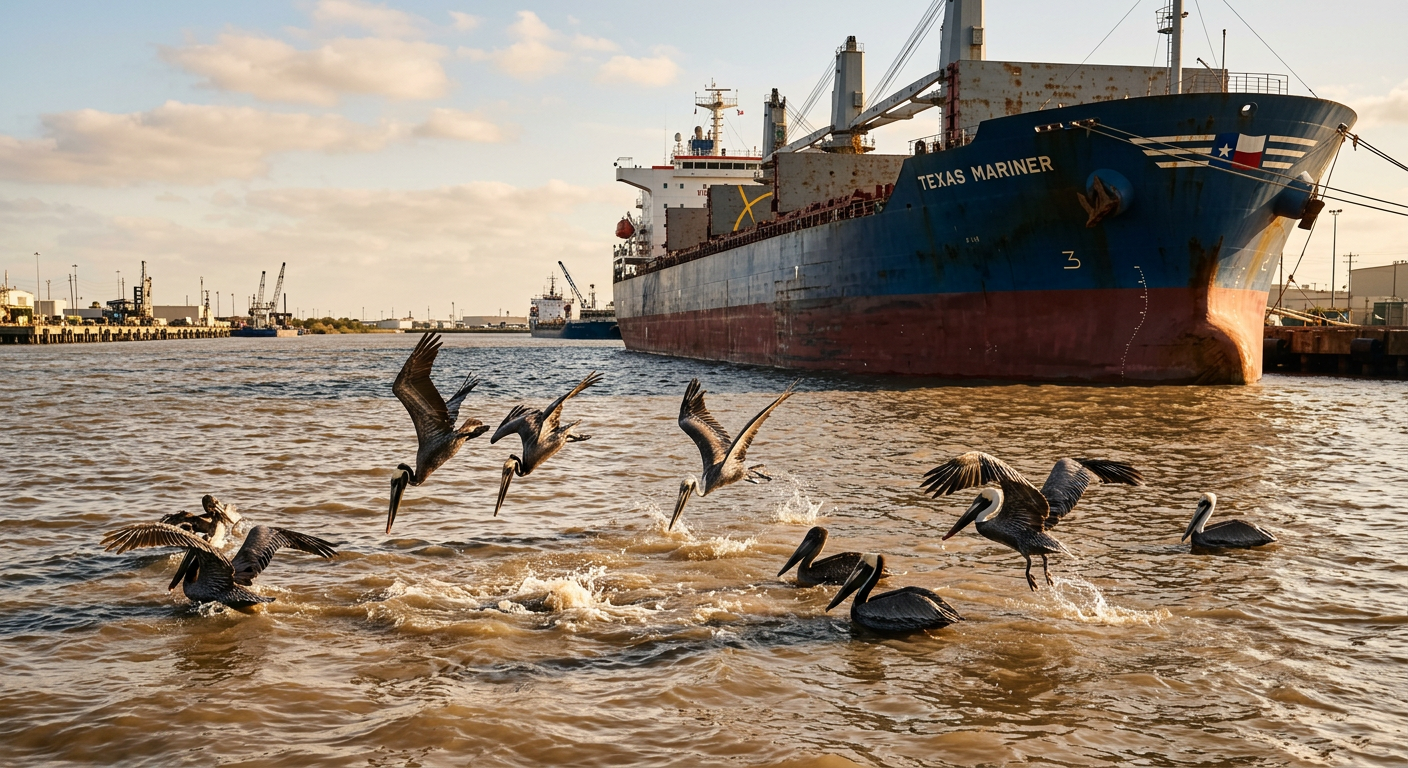
The breeze running off the main channel carries the faint scent of sulfur and salt. People imagine winding quietly through untouched reeds. Instead, you find an ecosystem clinging to the sides of large steel bulkheads. The animals thrive in the metallic slipstream of inbound cargo ships. The ship propellers churn up the muddy bottom and stun the baitfish. I used to think the commercial sector ruined the natural habitat. Now I realize the port industry and the local ecosystem function as one giant feeding machine. Beige is a sin. Give me the gritty reality of a working waterfront.
Why Historic Sightseeing Tours Galveston Features Stay Small
The sticky dampness of morning fog clings to your forearms early on a Tuesday. I used to rush past the weathered wooden skiffs by Pier 21 to find my seat on a spacious floating patio. You know the type of vessel I mean. They resemble floating hotel lobbies and broadcast rehearsed monologues from a distant loudspeaker.
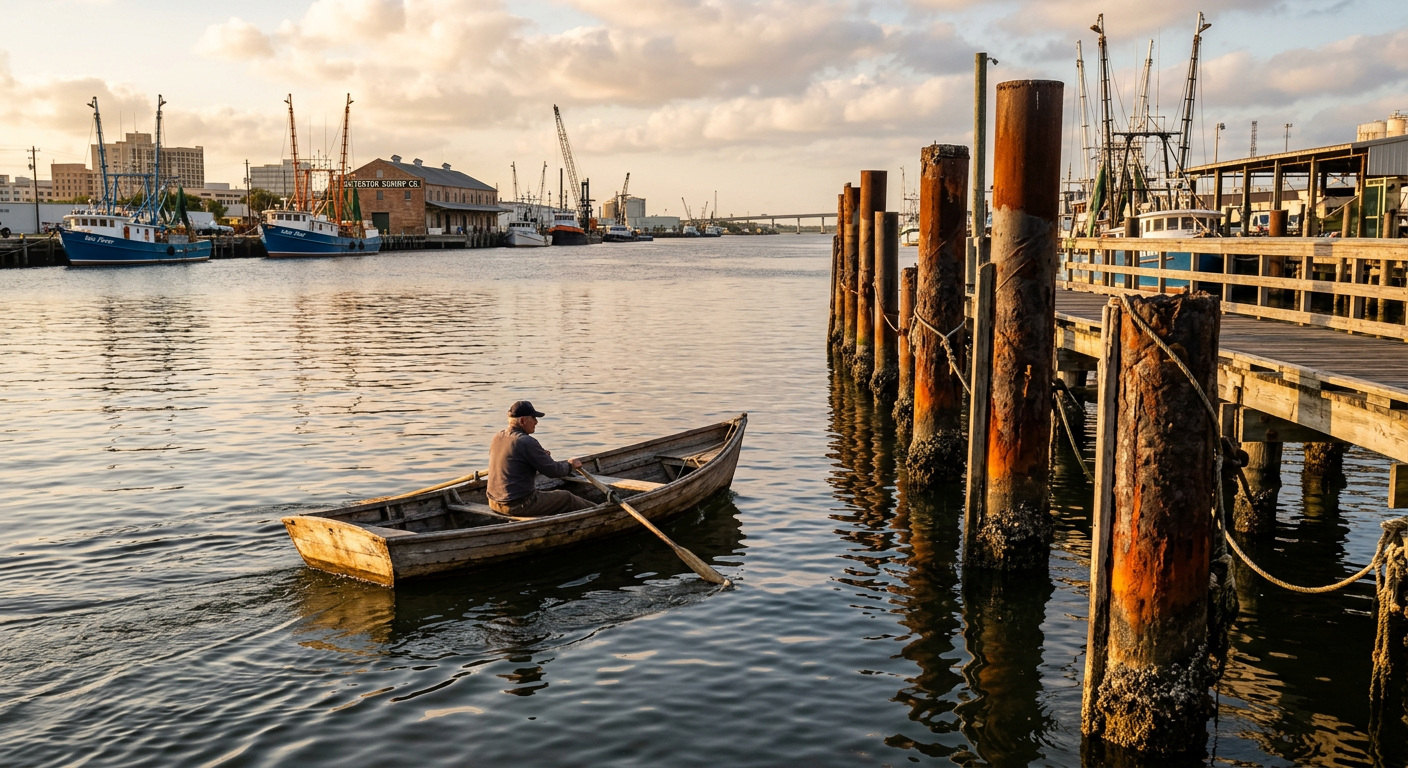
When you secure a smaller vessel, you sit low enough to drag your knuckles through the harbor chop. A few years ago I would have preferred the air-conditioned cabin. Preferences shift when you realize what you miss from a high vantage point.
The channel runs past the old immigration station. Small flat-bottom boats navigate the shallow water near the rusted iron docks. The boat captains kill their outboard engines near a wooden marker. A metal plate shows where the water stopped during the hurricane of 1900.
Avoiding The Hotel Flyer Traps
Ever wonder why the laminated flyers in hotel lobbies all promise the same haunted pirate stories? If an excursion relies on a glossy rack card near a concierge desk, it operates as an audio-guide trap. You board a large vessel and spend an hour listening to a pre-recorded tape describing sunken ships. You cannot ask a taped recording why the local shrimp fleet ties up facing a specific direction against the tide.
Historical port data from Texas A&M University at Galveston reveals this channel functioned as a major nineteenth-century gateway for European immigrants. The rusted iron pylons holding up the dilapidated wharves tell a heavy story about the Texas boom. A local guide on a small boat points out the exact patch of muddy bank where merchant ships unloaded cargo. Big boats offer a speech. Small historic sightseeing tours galveston captains provide a conversation.
Opting for a small-craft experience involves a trade-off. You give up the indoor plumbing and the onboard snack bar. In return, you hear the dockmaster yell at the seagulls trying to steal his bait.
Surviving the Sun Without Looking Like a Tourist
The southern coastal breeze tells lies. It drags cool air across your face while the overhead glare cooks your shoulders. Many people step off the bow looking poorly sunburned.
Here is what most visitors fail to realize about packing for the open bay:
- Protect your eyes: A gritty film of dried brine coats your sunglasses in a few minutes. Wiping the lenses with a dry cotton hem smears the salt across the plastic. Bring a microfiber cloth in a sealed bag.
- Manage your layers: Applying liquid sunblock fails while bouncing over commercial ferry wakes in the main shipping channel. A long-sleeved hooded sun shirt works much better.
- Bring your own shade: The open deck gets hot fast. Pack a soft cooler with plenty of water and skip the iced coffee.
Chemical Shields and Fiberglass Decks
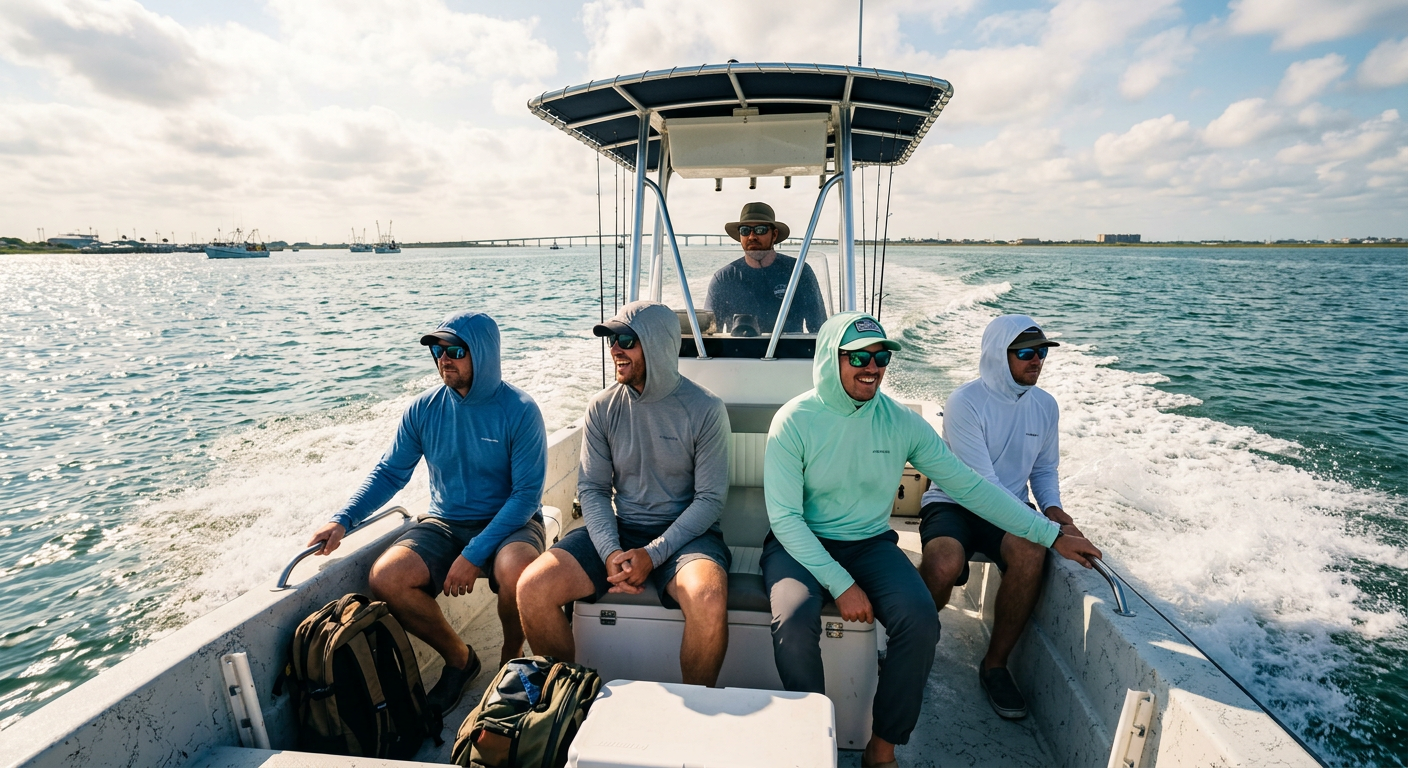
I assumed the open-water airflow kept the heat index manageable out there. The National Weather Service marine buoys log the reality. The static thermal blanket sits heavy just a few feet above the surface and holds high temperatures by mid-afternoon.
The Centers for Disease Control and Prevention marine sun safety guidelines suggest drinking steady water every hour you spend exposed. Do not rely solely on the canvas T-top to keep you shielded from the reflective glare.
Managing the Three-Hour Reality
A standard boat ride covers miles of open water. Most small fishing skiffs lack onboard toilets. The local bay layout provides no public facilities past the channel markers. You exit the boat at the end of the scheduled route.
Finding entry-level tours galveston operations takes only a few clicks. Finding specialized options that match your biology and bladder control takes effort. Small-group craft provide close encounters deep in the marshes, but they leave you exposed to the elements.
You can always verify the vessel type on the Rockon Recreation Rentals platform before booking. A private charter catboat includes a shaded marine head. A center console fishing skiff does not. You decide your priority. Just remember the microfiber cloth.
Plan your trip: Ready to experience this firsthand? Book Dolphin Manatee Tours Galveston a Coastal Wildlife Adventure directly through our marketplace.