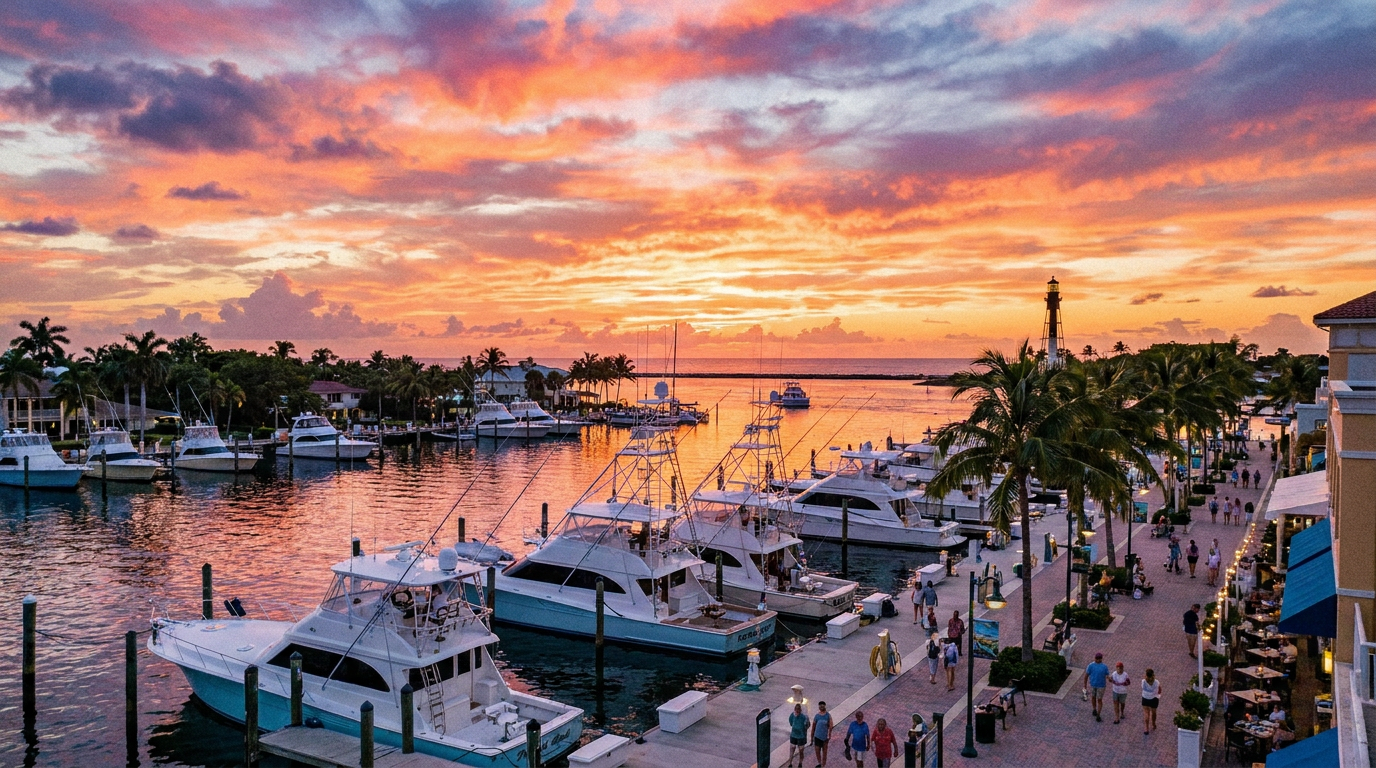
The Morning Chaos Nobody Photographs
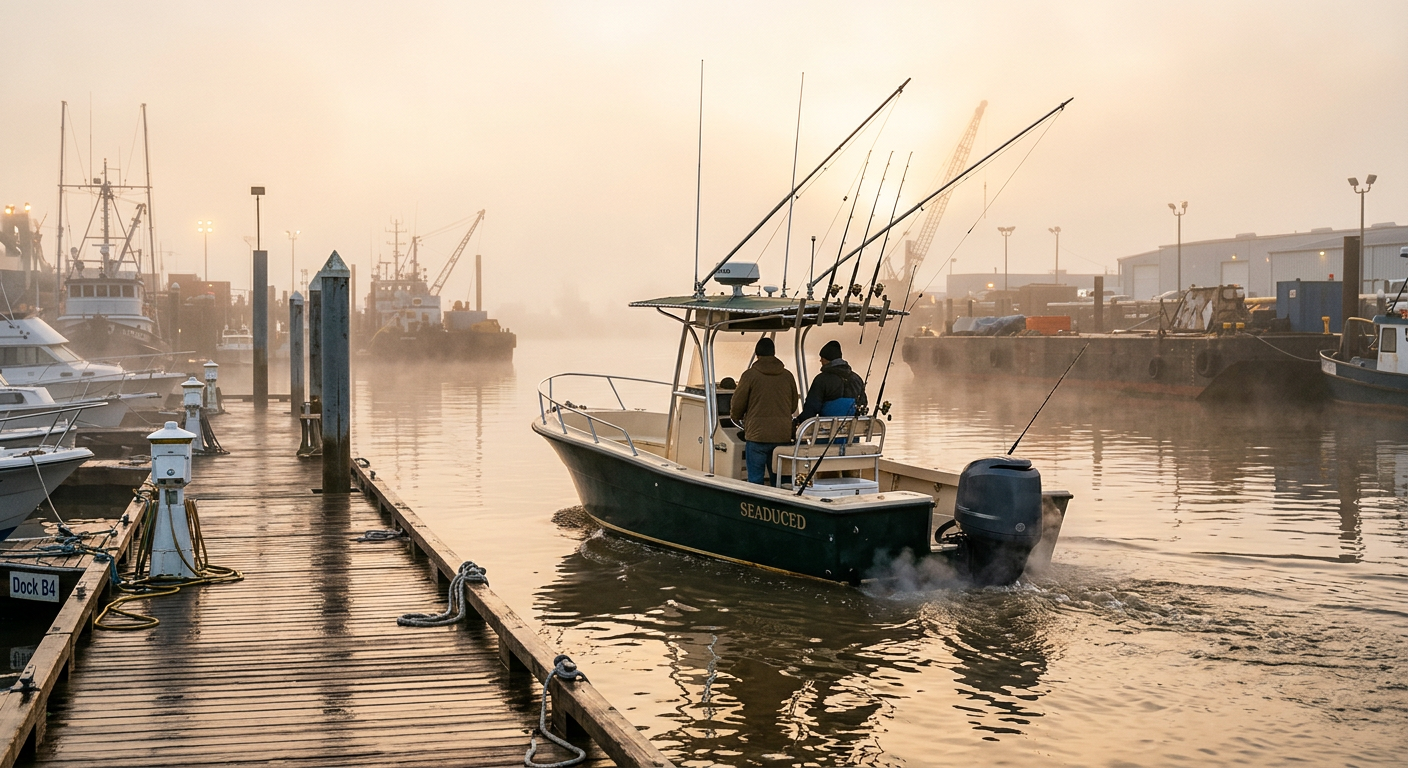
When backing out of the marinas in Pompano Beach, Florida, at 5:43 a.m., the air tastes of unburnt marine diesel and damp salt. Heavy twin outboards turn over with a low, choking cough. Glossy tourism brochures skip this hour, preferring sunset silhouettes and expensive cocktails. Beige is a sin.
A rusted metal bracket sits on the edge of the fuel dock, detached from anything useful. Nobody has bumped it or moved it since Tuesday.
Back in 2019, my booking strategy was basic math. I looked for the cheapest nightly slip rate along the Intracoastal Waterway. By 2026, experience has replaced thrift.
A bargain spot with a nasty cross-current just guarantees scraped fiberglass. Comparing the various concrete seawalls takes understanding fluid dynamics more than budget balancing. Most transient boaters fail to factor in the tidal drag. They end up pinning their rub rails against rusty bollards before the sun even clears the horizon.
Finding the Functional Docks
I go where the signage is bad and the coffee is good. There is a wide gap between South Florida properties built for dockside cocktail parties and those designed for moving a heavy center console toward the Atlantic. The resort docks feature teak decking, palm trees, and valet parking.
The working properties offer wide turning basins and dockhands who know how to throw a spring line without being asked.
The hinges on the Alsdorf Park floating ramp squeal with a sharp pitch as the tide drops. Tide levels change by roughly three feet between morning and afternoon. The current moves from south to north along the concrete seawall near the 14th Street boat ramp.
For years, I avoided the commercial inlet locations. I assumed the large charter fleet traffic would delay a morning departure, favoring the quieter private docks upriver. I was wrong.
According to NOAA tidal current logs, the exit data proves the opposite. Commercial captains force an orderly flow of traffic, clearing the channel congestion faster than weekenders figuring out their bow thrusters.
Booking a vessel through Rockon Recreation Rentals means focusing on that specific launch point advantage. A competent dockmaster gets you offshore while everyone else struggles to fend off a concrete piling. Evaluate the slip options with skepticism. The ocean does not care how much you paid for overnight docking. Function outlasts aesthetics every time the tide shifts.
Decoding the Navigational Landscape
The rough, splintered grain of an older wooden pylon rips nylon dock lines if you rig them wrong. It contrasts with the slick composite decking found at the rebuilt facilities up the Intracoastal. You read the clientele by touching the wood.
If it's on a postcard, it's a trap. Corporate brochures mention deep-water access but omit the dockmaster who reorganizes the fueling queue based on local grudges.
I can't prove this, but the early shift crew prefers cash tips over polite nods. A metallic grinding noise echoes across the basin about every Saturday morning. That is the commercial ice machine dying its weekly death.
Transient boaters line up with empty coolers, staring at the flashing red error code. The locals bought their bags at the gas station a few miles west. When selecting among the marinas in Pompano Beach, Florida, survival depends on ignoring advertised amenities. A functioning hose with water pressure matters more than a clubhouse swimming pool. The salt bakes onto your windshield by noon.
The Hillsboro Transit Reality
Getting to the Atlantic requires clearing the Hillsboro Inlet without dragging your keel. The inland route is a straight shot. You just avoid the weekend parade of rental pontoon boats drifting across the channel.
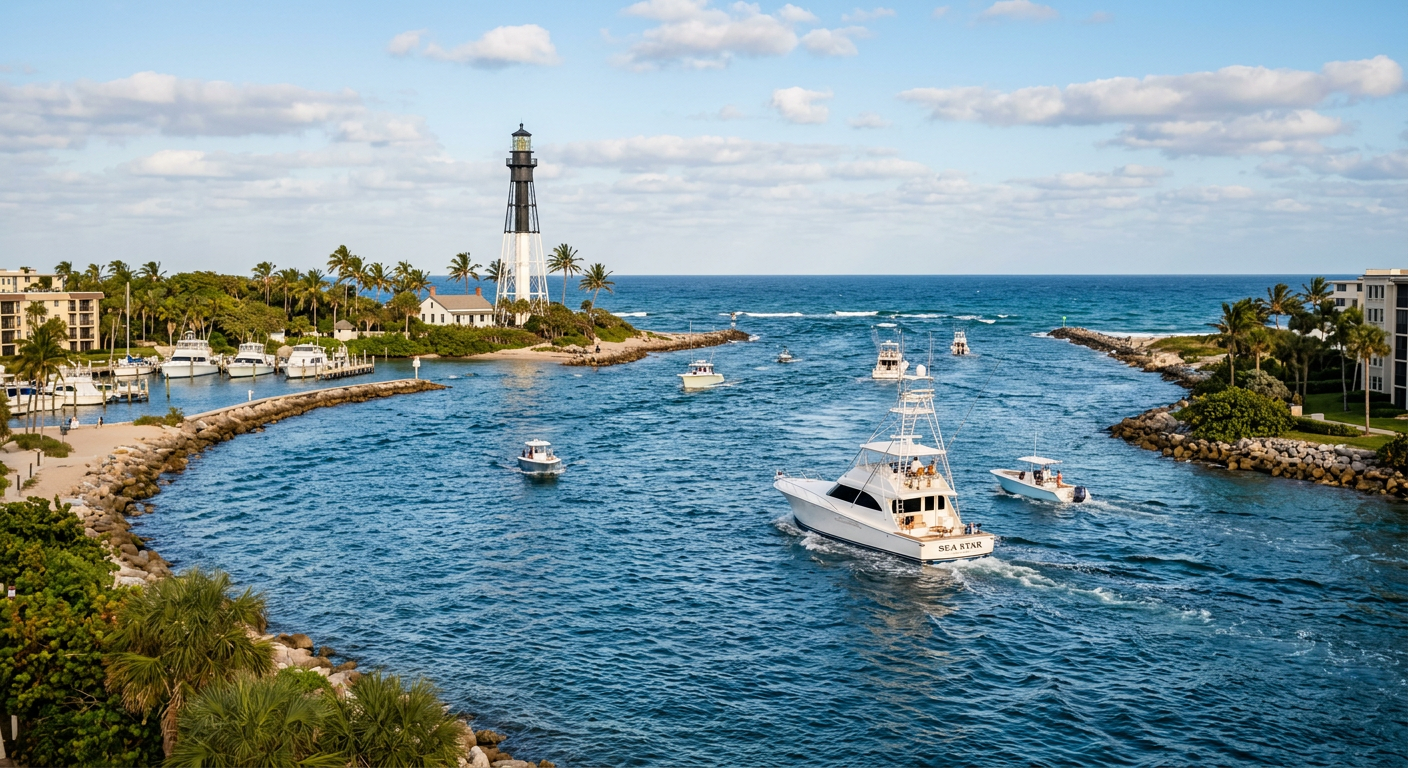
For three seasons, I rented slips right against the inlet boundary. A closer dock equated to faster fishing in my mind. The reality of wake restrictions and bottleneck traffic proved otherwise.
The constant churn from returning offshore rigs pins you against the seawall. A cheaper berth located about a mile north turns out to be more tactical. You slide into the main channel moving with the current before the bottleneck forms.
The municipal dock on 18th Street features poured concrete segments. The scent of rotting bait and spilled energy drinks lingers by the ramp. Most boaters secure their vessels to the stainless steel cleats before walking to the payment kiosk.
Navigating the Intracoastal means planning ahead. Securing a reliable vessel or guided charter through Rockon Recreation Rentals eliminates logistical headaches. Their partners operate out of slips where dockhands show up on time. The water traffic clears out eventually. You just have to time your exit for the gap between the dredge boat operations and the morning tide shift.
The Reality of Fuel and Bait Delays
The rhythmic vibration of a heavy ice bag hitting fiberglass travels right up your calves. Plotting your logistics matters more than top speed out here in the morning heat. A deep-v hull needs a wide turning radius. Not every fuel dock accounts for a rookie in a crosswind.
Resident pelicans seemingly judge your backing-in skills from the bait cleaning stations. You learn to laugh off the pressure. The hands at the better working slips step in before you swipe a piling. They grab your bowline with practiced ease.
For years, I thought getting to the water early meant beating the crowds. Heading into the 2026 season, I know the truth. Arriving early just means waiting longer for the bait truck.
I used to let this schedule mismatch bother me. The delay forces you to pause and swap offshore intel with other captains. You end up leaving the dock with fresh waypoints and strong coffee from the delivery driver. Goggle-eyes run steep this year. The investment pays off when targeting sailfish.
Maneuvering Like a Local
Booking through Rockon Recreation Rentals ensures the vessel is ready. Mastering the dock departure remains your responsibility. According to Florida Fish and Wildlife Conservation Commission guidelines, adhering to local right-of-way rules prevents collisions in tight quarters.
This rules-first approach keeps everyone safe when tidal currents pull at the stern.
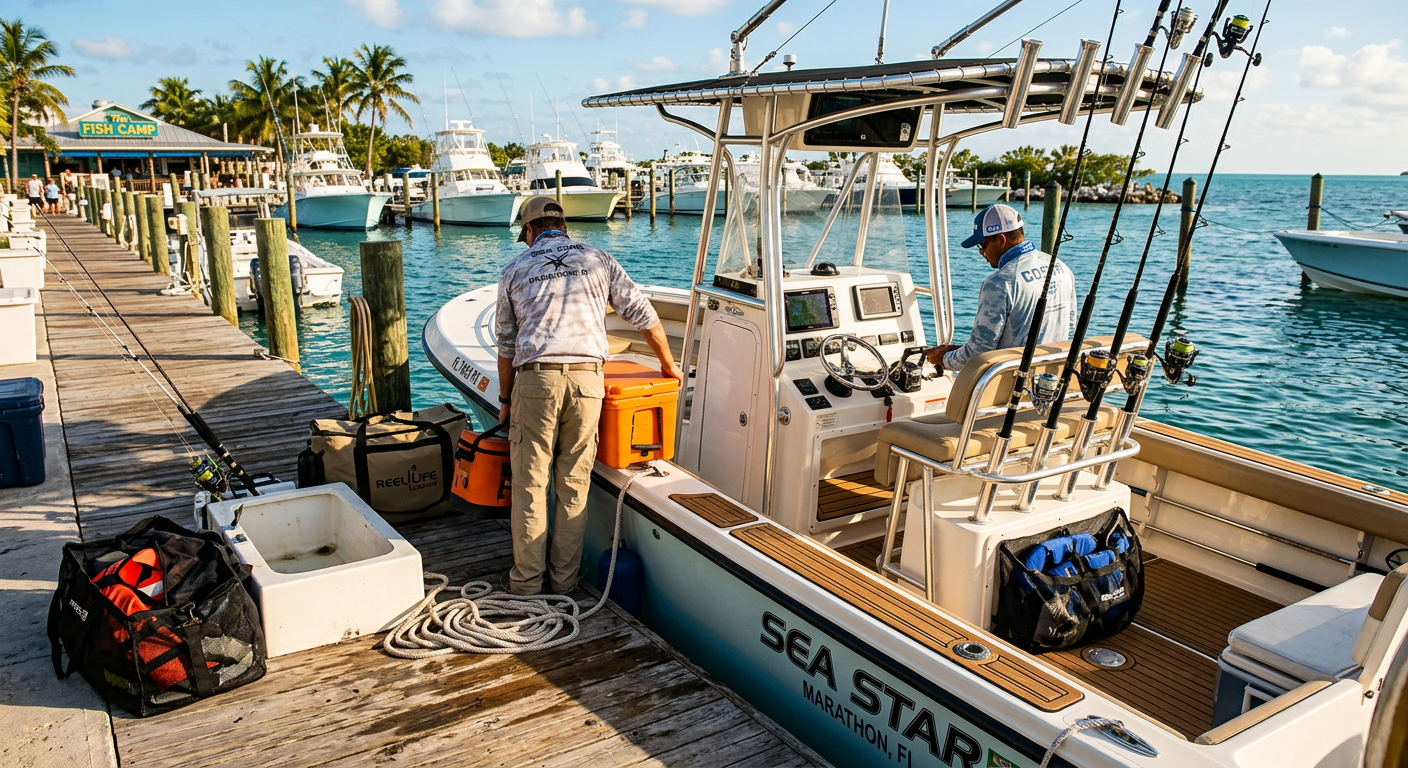
It takes about twenty minutes from the fuel pumps to clear the inlet structure. Always secure your port-side lines before stepping off to scan the horizon. That simple habit buys you peace of mind. To master the varied marinas in Pompano Beach, Florida, you adapt to the current rather than fighting it.
You also learn to recognize the local charter fleet by the sound of their engines. They run heavier props designed for pushing through the inlet standing waves. Following their specific line out to the ocean saves you from finding the undocumented sandbars the hard way.
Escaping the Offshore Bottleneck
The ocean temperature drop feels sharp against your forearms once you clear the Hillsboro Lighthouse. The transition from the muddy Intracoastal to the cobalt blue Gulf Stream happens fast. The continental shelf drops off just a few miles from the coastline. You do not need to run for two hours to find pelagic species.
The 2019 me would have ignored the shallow reefs, pushing straight for deep water. The 2026 reality involves working the color change line where the green coastal water meets the blue current. Flying fish scatter off the bow.
The low hum of the depth sounder dominates the cockpit. Trolling ballyhoo along the hundred-foot drop-off brings king mackerel and the occasional wahoo to the surface. The pressure drops out here. The frantic energy of the boat ramp feels lightyears away.
The VHF radio crackles with fragmented reports from other captains. You piece together the bite pattern based on what they refuse to say. Silence means they found the tuna. Chatter means someone is bored. A charter arranged via Rockon Recreation Rentals puts you on the fish without requiring you to decipher the localized radio static. The captains already know the unspoken codes.
Maximizing Your Inshore Fishing Strategy
A blast of salty air across a shallow grass flat wakes you up faster than espresso. Navigating outbound from the marinas in Pompano Beach, Florida, requires understanding water movement. The outgoing tide pulls bait toward the Intracoastal, bringing predators with it.
You are chasing snook and speckled sea trout. Timing your departure with that moving water dictates your morning strategy. I used to rush offshore past the jetties. The shallow coastal grass beds changed my mind. They hide a robust fight inside the protected waters, away from the Atlantic swell.
Sometimes the best action happens within sight of highway traffic.
Mastering the Tides and Bridges
Getting to the prime mangrove lines requires threading the needle under aging concrete spans. The Atlantic Boulevard bridge gives you a clearance of roughly fourteen feet at high tide. Keep that number in your head if your console has a tall tower.
Everything else on the water operates on a relaxed schedule.
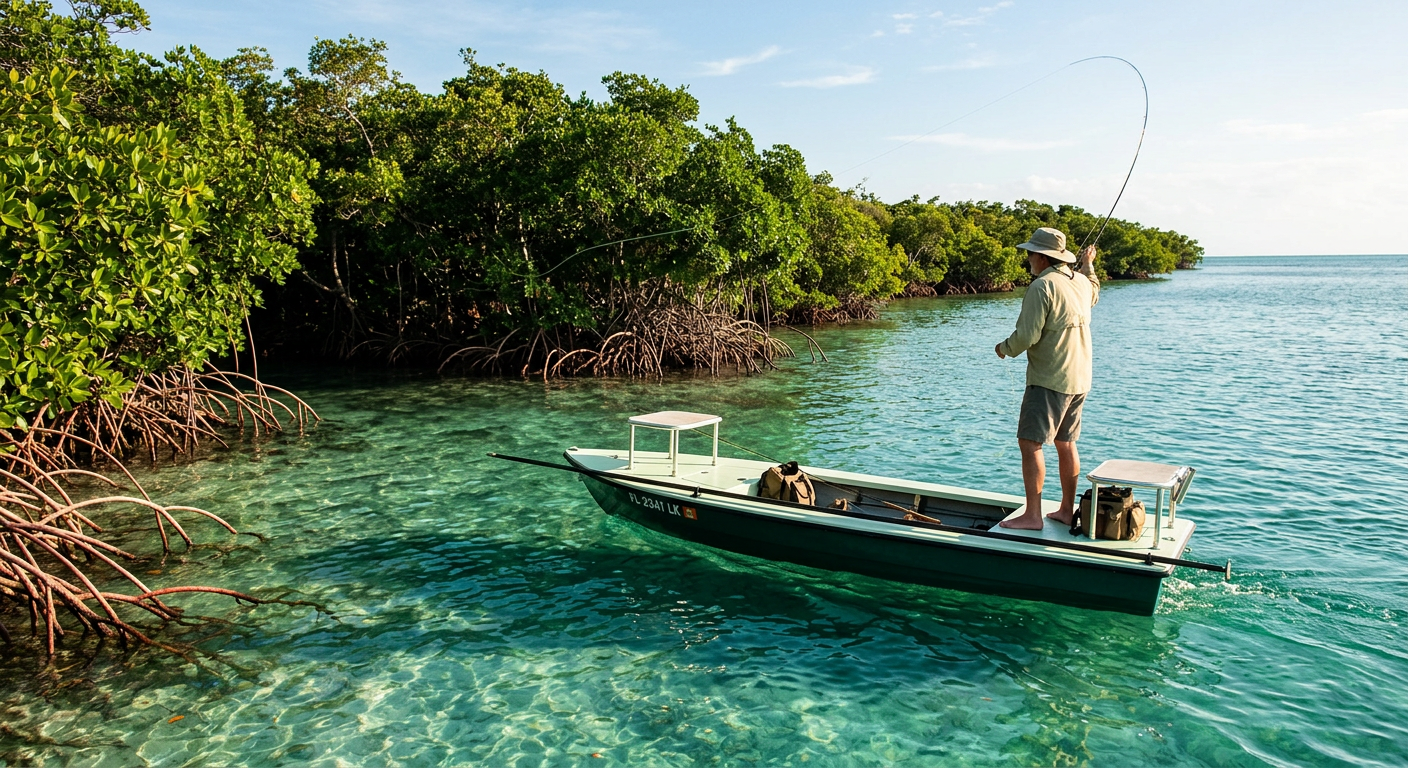
I assumed the constant boat wakes near the Hillsboro Inlet would push feeding fish deep into hiding. Rolling currents from passing hulls stir up small shrimp and crabs. This turns the edge of the channel into an active feeding zone for jack crevalle.
Tossing light tackle right into the mix is a viable strategy. Book a shallow-draft skiff through Rockon Recreation Rentals to access the remote backwater creeks. You need that extra maneuverability when the current speeds up.
The Afternoon Gauntlet
The waterway narrows north of Lake Santa Barbara. A poured concrete seawall lines the eastern edge for a few miles. Small silver fish swim in circles near the wooden pilings. The water surface remains flat on windless mornings.
Research is my love language; reality is my ex. The charts promised deep pockets, but silt buildup tells another story.
Returning to the dock at 3 p.m. presents a different friction. The washdown stations at the public ramps lack basic water pressure. The grit of dried salt on the steering wheel rubs your palms raw as you reverse the trailer. You wait in a disorganized line of exhausted weekenders. The ramp etiquette dissolves as the afternoon heat peaks.
Securing a slip at the high-end marinas in Pompano Beach, Florida, isolates you from this specific chaos. You toss the lines to a calm dockhand, grab your cooler, and walk away from the mess. The ocean owes you nothing. You pay for the privilege of leaving it cleanly.
Plan your trip: Ready to experience this firsthand? Book 33' Contender - Inshore Fishing - Pompano Beach directly through our marketplace.