The Atmospheric Battering Ram
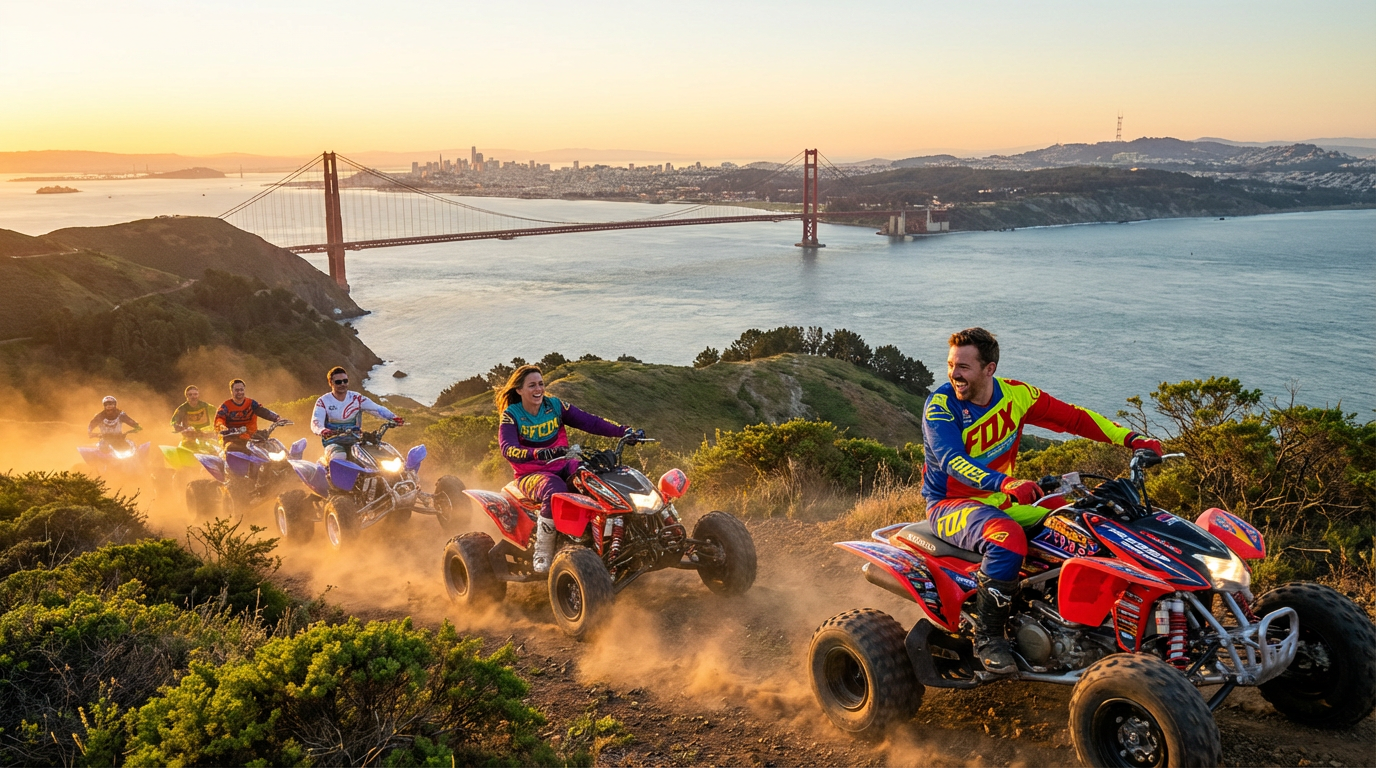
A sharp, metallic tang of cold salt hits the back of your throat long before you clear the Embarcadero seawall. The ambient warmth of a July morning vanishes in roughly forty seconds. Most people searching for atv rentals san francisco bay area anticipate kicking up dust in the eastern foothills. They look to the land for adventure. They are facing the wrong direction. The real geographical engine of Northern California operates at sea level, and it demands immense respect.
Locals anthropomorphize this daily weather event by calling it Karl the Fog. That cute moniker masks a brutal atmospheric process. The marine layer is not a gentle mist that settles over the harbor. It is a heavy, fast-moving wall of Pacific ocean air. When the inland Central Valley bakes out near Sacramento, hot air rises and creates a massive vacuum. That void pulls the heavy, damp coastal air straight through the only available gap in the coastal mountain range. The Golden Gate isn't just a bridge. It is a thermal choke point.
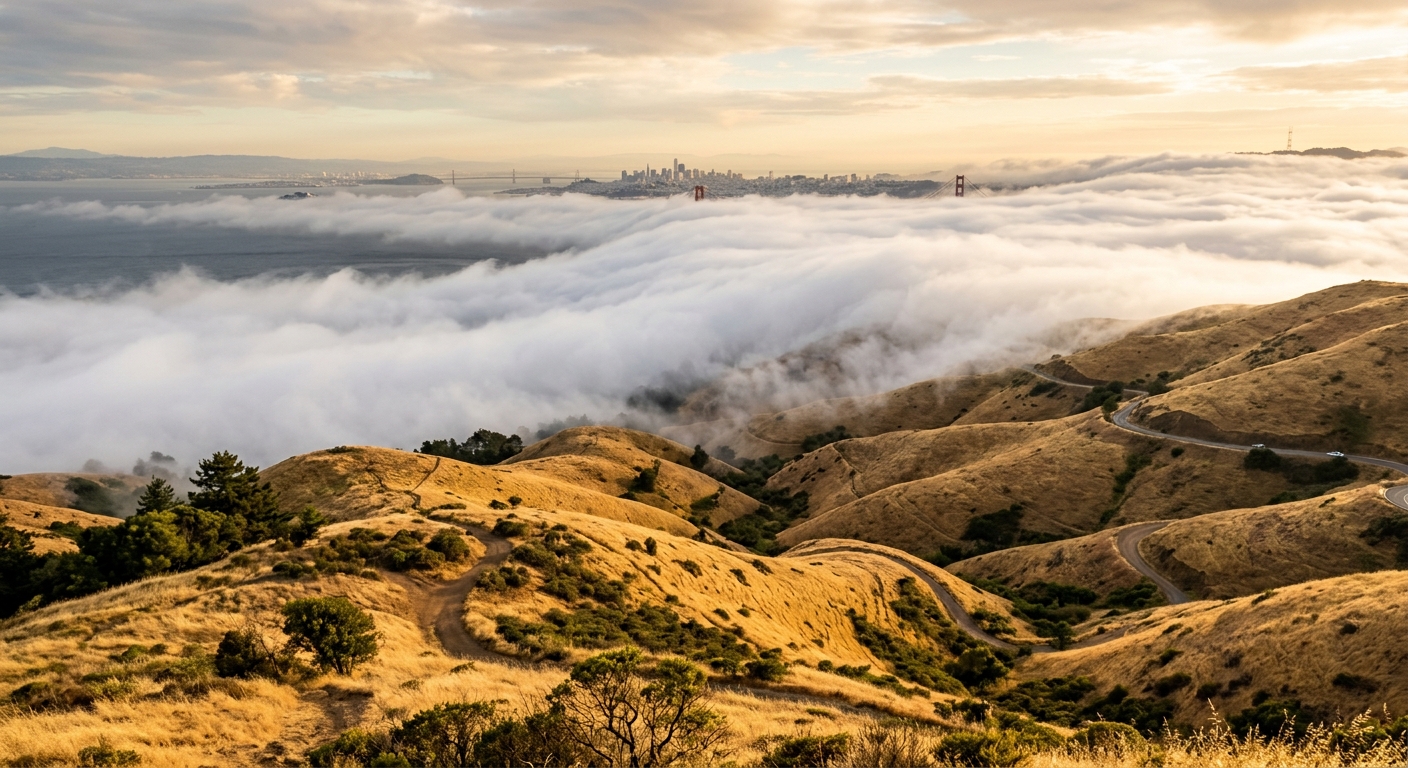
I used to assume the afternoon winds were just a localized breeze. I was wrong. According to historical wind data published by the Western Regional Climate Center, this funnel effect generates sustained gales that rewrite the surface of the water daily. The glossy brochures never show the whitecaps forming by 2:00 PM, and I find that omission suspect. If it's on a postcard, it's a trap.
The Golden Gate’s Hidden River
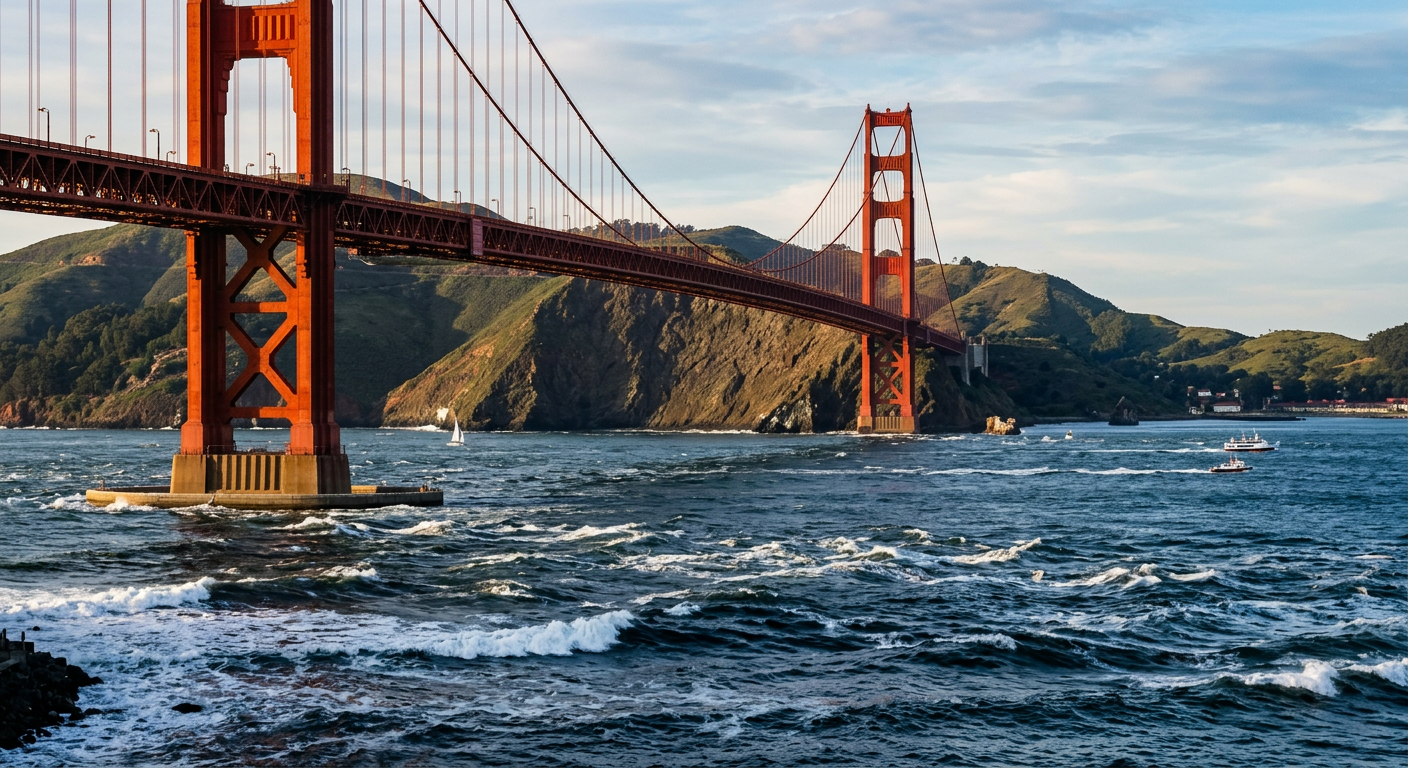
A low, rhythmic groaning of steel pilings echoes out at Fort Point, beneath the tourist crowds. It drowns out the traffic above. The San Francisco Bay is essentially a giant lung. Twice a day, it inhales and exhales roughly one-sixth of its total water volume through a gap barely a mile wide. The hydrodynamics involved rival major river rapids.
Pop culture loves to blame the chilly ocean temperature for keeping Alcatraz escapees from reaching the mainland. The actual obstacle is the ebb current. When the tide goes out, millions of gallons of water rush toward the Pacific Ocean. The 2019 reviews of kayak novices getting swept sideways tell a sobering story. The undertow here does not care about your itinerary.
According to safety briefings from the National Park Service, those tidal rips surging past the island surpass the output of standard recreational boat motors. You do not just rent a tiny outboard and zip across the channel. Navigating this specific stretch of water requires captains who read tidal charts the way ordinary people read brake lights.
Tracking the Coastal Silt and Salinity
A faint, rotting-seaweed odor mixes with spilled diesel fuel near the Marina District slips. Down here on the docks, you realize the water changes color within a handful of hours. It goes from a flat, chalky gray in the early morning to a bruised, deep blue by the afternoon. This isn't a trick of the light. It is an active chemical and physical exchange.
The Sacramento-San Joaquin River Delta dumps fresh water and fine silt into the eastern side of the bay. Meanwhile, the Pacific pushes heavy, dense saltwater in from the west. When these two opposing forces collide, they create a turbulent mixing zone that grinds upward in unpredictable columns. You can physically see the seam in the water from a boat deck.
My Florida adventure background trained me to scan still, dark swamp water for alligators. Out here, the bay itself moves like a runaway freight train. As a VisitFlorida Travel Partner who evaluates adventure access points, I gauge the danger of an environment by how the locals treat it. The deckhands in San Francisco wear heavy neoprene in August and secure their dock lines with paranoid precision. That tells you everything you need to know.
When the Wind Bakes the Topography
The damp chill cuts right through thick denim the moment you step out from behind the windbreaks. The irony of the San Francisco Bay is that the same maritime fog that freezes tourists on the coastline is responsible for creating a desert-like environment just a few dozen miles inland. The physics are remarkably stubborn.
When the marine layer pushes through the bay, it acts as a wedge. It forces dry air up and over the eastern ridges near Altamont Pass. People looking for atv rentals san francisco bay area end up riding on ancient sea-floor clay that this exact wind system has baked into concrete. The coastal water dictates the inland dirt.
I cannot formally prove that the afternoon bay chop gets angrier on a Tuesday than a Saturday, but the seasonal operators swear by these micro-patterns. The locals know that by 3:00 PM, the swells outside the Gate will hit six feet. A deflated foil birthday balloon was lodged in the jagged riprap boulders near the pier yesterday. It sat perfectly still while the water ten feet away frothed violently.
The Pivot from Dirt to Deep Water
2018 me would have ignored the harbor entirely. Back then, I thought the only way to tap into the raw power of California was scrambling up a hillside on a machine. I viewed the water as scenery—a nice blue backdrop for a rugged land adventure. 2026 me knows I had it backward. The terrestrial trails are just a static byproduct of the atmosphere. The actual living, breathing monster is the bay itself.
You can spend hours researching trail conditions. Research is my love language; reality is my ex. The truth is that booking a harbor cruise changes how you perceive the entire coast. When a charter boat leaves the dock and hits the tidal stream, the vessel shudders.
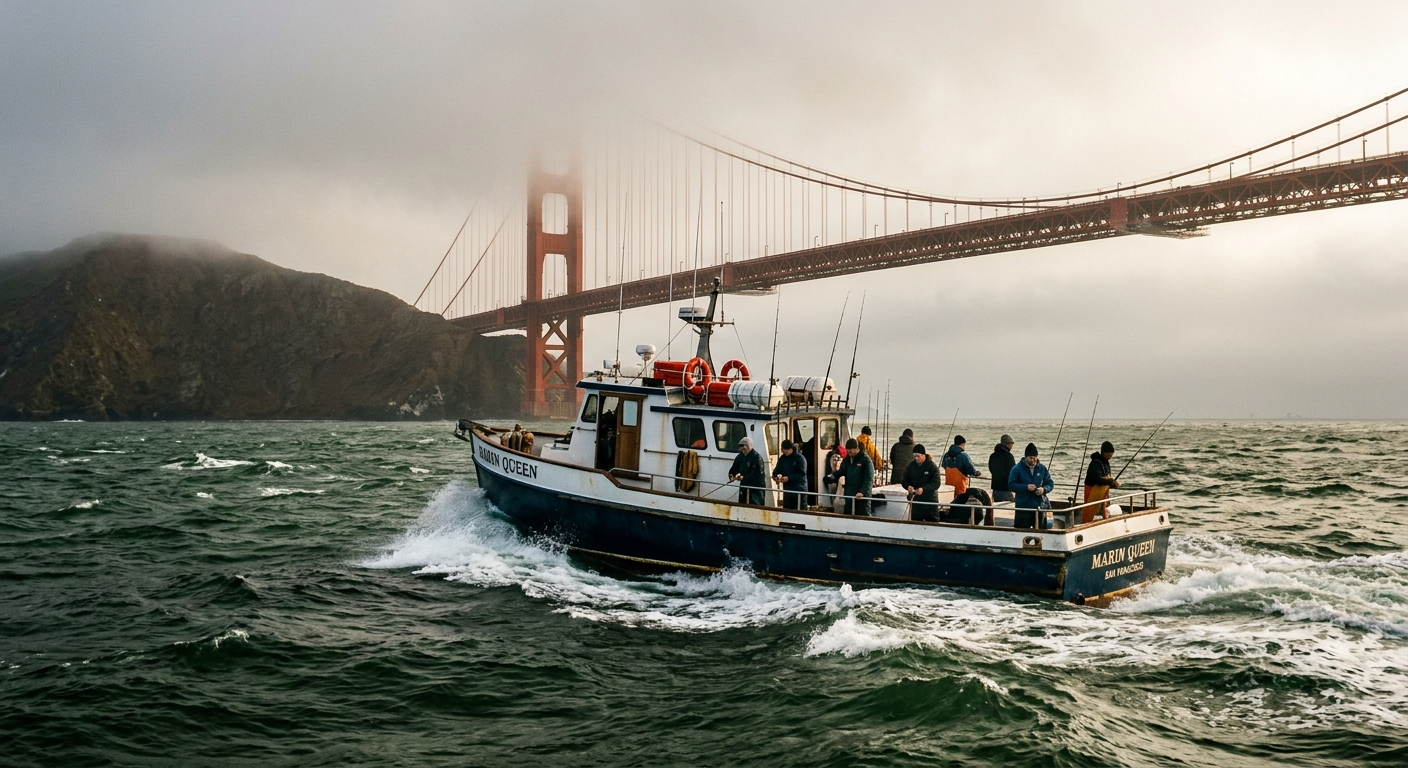
Finding legitimate operators who respect these currents requires filtering out the noise. Booking platforms like Rockon Recreation Rentals allow you to connect with captains who monitor the fog bank before it drops visibility to zero. You do not want a casual guide out here. You want a mariner who respects the ebb.
Conceding to the Ebb
Slippery, salt-rimed deck boards demand a wide stance the moment the engines engage. Transitioning from solid ground to open water navigation forces you to abandon control. You stop dealing with dirt that stays where you left it. The bay operates on a relentless, grinding cycle that cannot be paused or detoured.
According to nearshore buoy data from NOAA, the wind speed near Alcatraz often doubles the forecasted city limit. That wind picks up the heavy salt water and hurls it against the fiberglass hull. It is loud. It is disorganized.
We cleared the inner harbor slips and aimed the bow toward the Pacific horizon. The heavy diesel engine hummed beneath my boots, vibrating up through my legs. The fog dropped another fifty feet, erasing the top half of the bridge towers. We weren't fighting the massive current pouring out of the delta. We were just riding the momentum into the gray.
Plan your trip: Ready to experience this firsthand? Book San Francisco Bay Cruise directly through our marketplace.