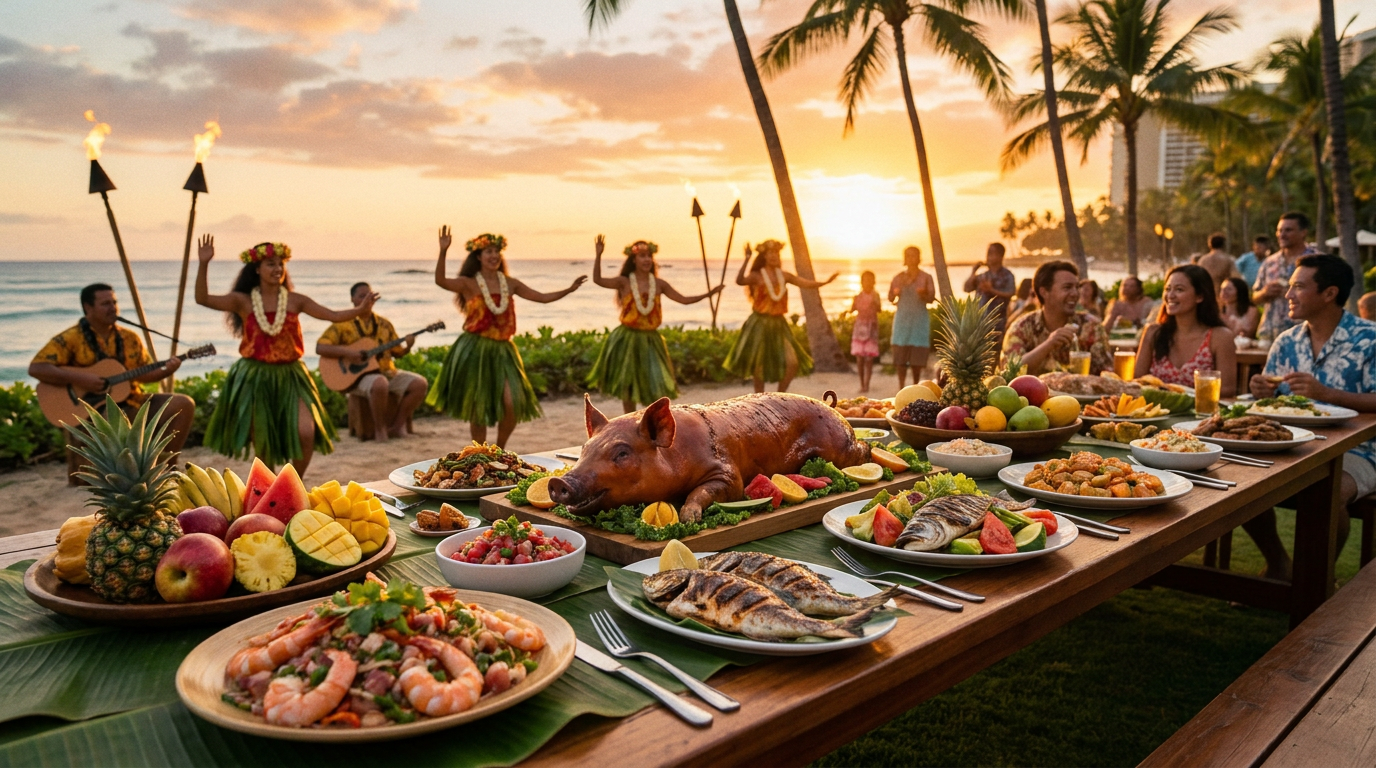
Truth One The Mass Production Reality
Booking a waikiki luau buffet means standing in a line of exactly 412 people while the evening humidity presses damp cotton against your back. The air around the entrance smells of kalua pork smoke and aerosol coconut sunscreen.
These are massive tourist machines. According to 2026 data from the Hawaii Tourism Authority, these venues process thousands of guests weekly. The welcome mai tai comes in a plastic cup. It tastes like generic fruit punch with a ghost of rum. You will share a folding table with strangers from Ohio. The 1-star reviews complain about feeling like herded cattle. They are right.
Embracing the Spectacle
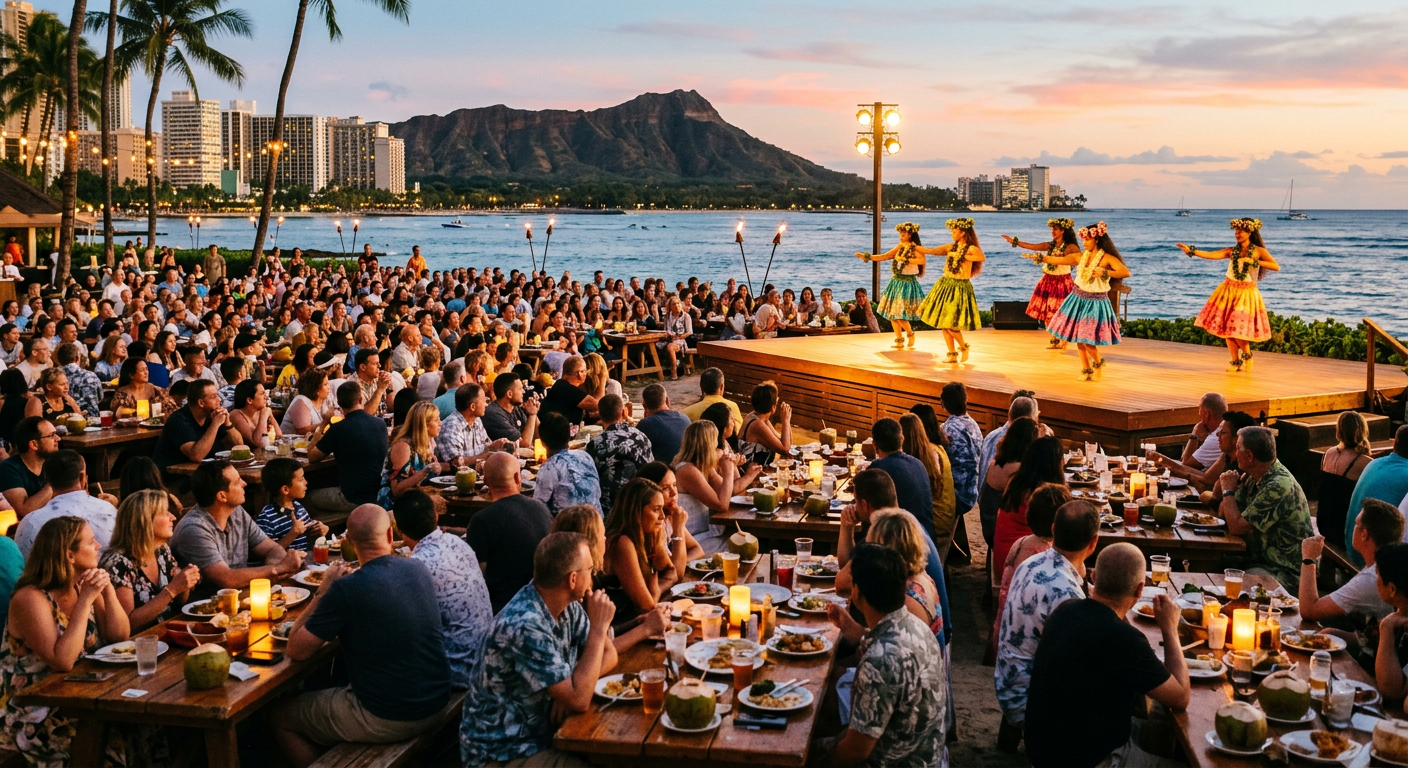
2019 me expected this scale of operation to feel soulless. It is actually just a coordinated theatrical event. Once you sit down and the sun dips below the Pacific, the volume of the performance takes over. If it's on a postcard, it's a trap. But sometimes the trap is fun.
The buffet lines open around 6:30 PM. Everyone is called by color-coded wristbands.
You shuffle forward on the grass, balancing a heavy ceramic plate. The low thud of the pahu drums vibrates in your chest. The kalua pork is greasy and rich. The lomi lomi salmon is cold and sharp with sea salt. You load up your plate because going back for seconds during the show is a headache.
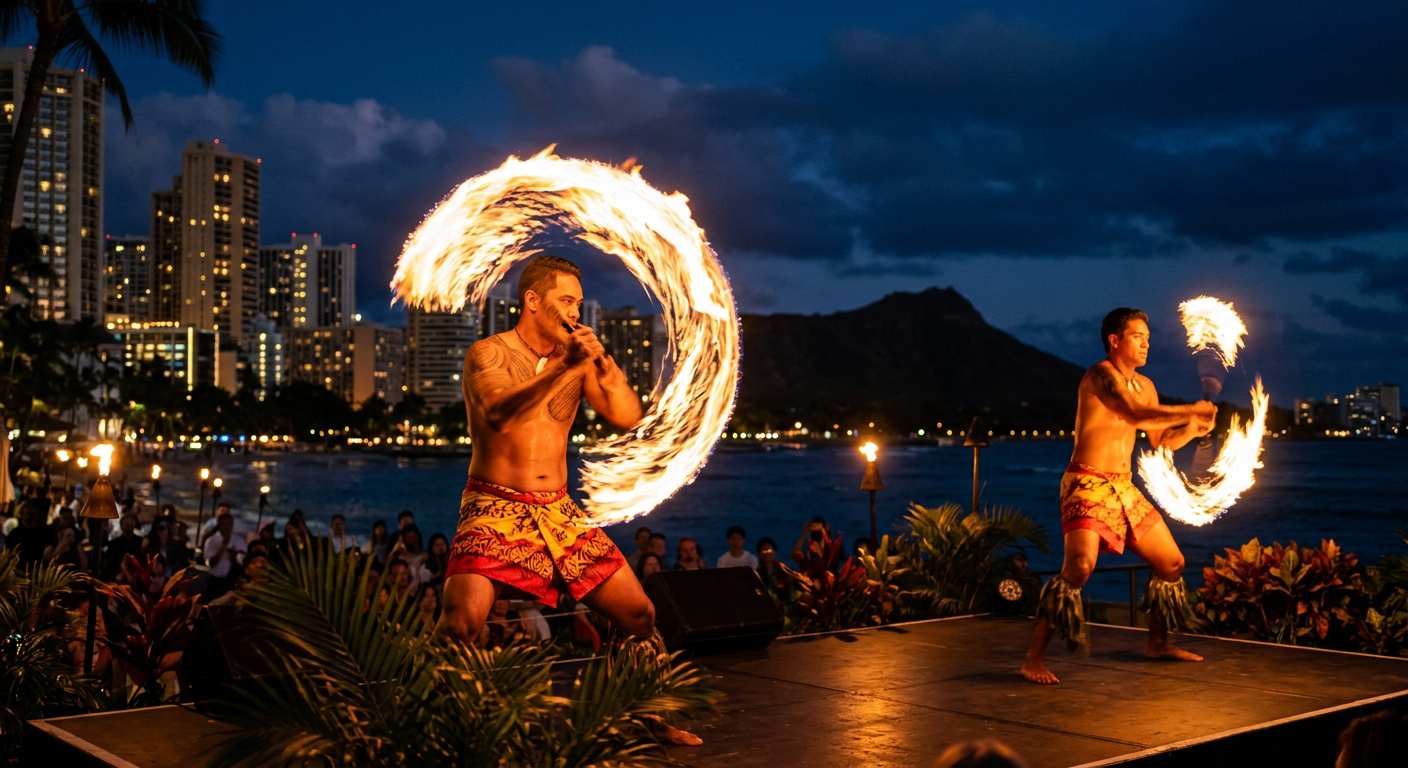
The main stage sits a dozen yards away. The heat of the Samoan fire knives still pulses against your face during the finale.
If you want a quiet cultural connection, book a smaller storytelling tour through Rockon Recreation Rentals. That is not why you book a waikiki luau buffet. You book it to watch forty performers move in unison under stage lights. Eat the macaroni salad and watch the fire.
Truth Two Rooftop Concrete Over Beachfront Sand
The Waikiki Starlight Luau operates on a massive oceanfront property at the Hilton Hawaiian Village. You spend three hours sitting on a manicured lawn next to the lagoon. The Pacific trade winds usually kick up right around sunset. That wind deposits a fine layer of coral grit in your sandals. It stays there until you shower.
The Ground Level Compromise
Beachfront luaus keep you at sea level. The resort bathrooms are a bit of a hike from the main seating area.
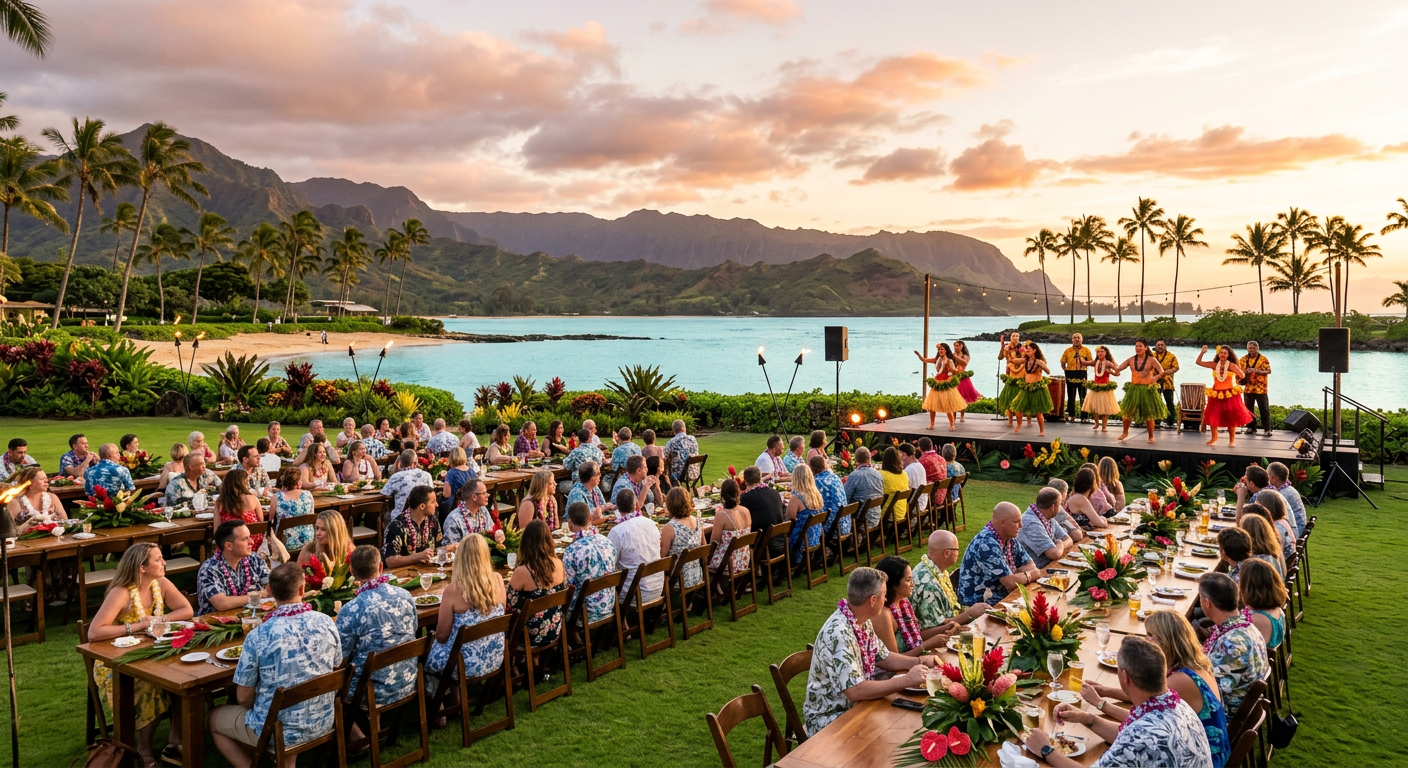
The ocean backdrop is the main selling point here. The view of the water is often blocked by hundreds of other tourists holding up their phones to record the dancers. This is just reality at ground-level events.
The Elevator Alternative
The Paina Waikiki luau takes a different approach. It happens at the Waikiki Beach Marriott Resort. You take an elevator to the third floor. The ground here is the smooth, slightly damp concrete of a modern pool deck.
Elevated floor plans suggest an experience disconnected from the actual island. It isn't. It is just an urban Honolulu experience. The dancers perform traditional routines, but your backdrop is the specific green neon glow of nearby hotel signs reflecting off the swimming pool. A random woman in the front row was wearing neon green shoes that matched the sign perfectly.
According to a 2026 dining review by Travel + Leisure, elevated concrete venues often offer better acoustics than windy beach spaces. The street traffic noise from Kalakaua Avenue becomes a low hum that blends into the drums.
Skip the ground-level shows if you hate walking on uneven grass. You can find tickets for both styles of events through Rockon Recreation Rentals.
The waikiki luau buffet lines move at the exact same pace regardless of your elevation. Only the floor underneath you changes.
Truth Three The VIP Upgrade Is Actually About Logistics
You step up to the laminate podium at the entrance. The host gives you a colored wristband that dictates how your evening will unfold. A waikiki luau buffet operates on a strict caste system. It is best to understand the hierarchy before you sit down.
The Tier System Explained
The entry-level ticket puts you in the back rows. You sit far from the center stage. The bass of the pahu drums still vibrates through your folding chair, but the acoustic guitar gets lost in the crowd chatter. In 2026, standard sections account for most of the seating capacity.
You are paying for the atmosphere, not the acoustics.
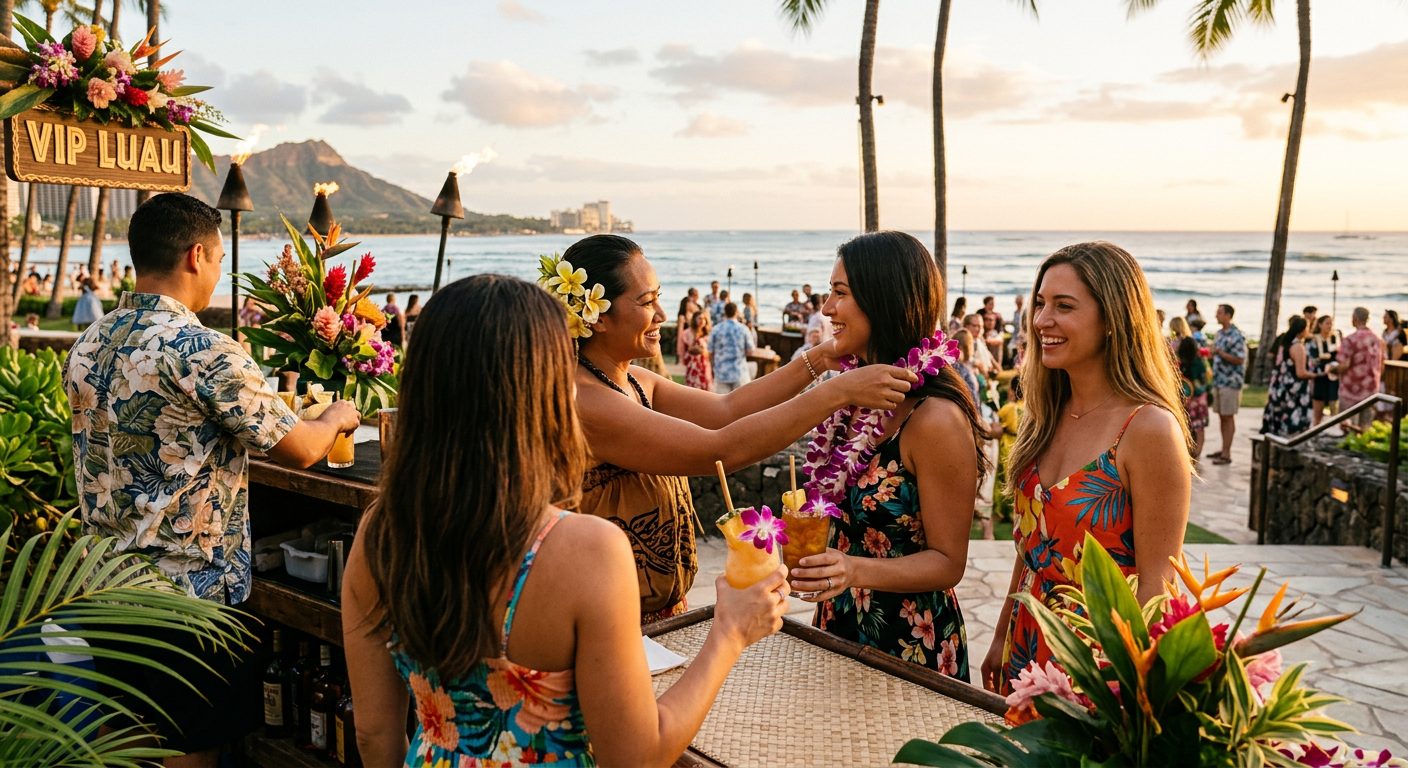
The VIP package pushes you closer to the fire. You get front-half seating and a fresh orchid lei instead of a shell necklace. The highest tier places you in the first two rows. The price jumps a bit depending on the operator.
Navigating the Carving Station
I always viewed VIP luau upgrades as vanity pricing. My thinking shifted during a packed show last summer. The upgrade has nothing to do with the stage view. It is all about the buffet line logistics.
Releasing hundreds of hungry people toward a single kalua pig station is a tactical event. The highest-tier tables get called first. You walk up to the steaming chafing dishes while the metal serving tongs are still clean. The roasted pork smells like wet kiawe wood smoke. By the time the standard sections are called, the macadamia nut crusted fish looks tired.
Buy the upgrade to eat first.
The Mai Tai Discrepancy
The standard drink tickets buy you a plastic cup of bright red liquid. It tastes like high-fructose corn syrup and melted ice. The beverage menus reveal a harsh truth. They use a premixed concentrate for the general admission bars. If you want a crafted cocktail, book a sunset sail through Rockon Recreation Rentals beforehand.
The VIP wristbands grant access to a separate bar cart. I cannot prove this, but the Mai Tais in the upgraded section taste like they contain actual rum. The liquid hits the back of your throat with a sharp, medicinal bite that cuts through the sugar.
It makes the second half of the show better.
The servers start clearing the heavy ceramic plates right as the hula dancers take the stage. You lean back in your chair. The plastic wristband scratches lightly against your arm. The first fire knife ignites in the dark.
Truth Four The Theatrical Production Eclipses the Dinner
The macaroni salad sits heavy on your plastic fork. It is coated in a mayonnaise dressing that tastes faintly of sugar and white pepper. You scoop up a bite of kalua pig. It is salty, rich, and tepid. You chew while staring at the empty stage, wondering if the admission price was a mistake.
They process tons of pork a night here. That volume explains why the execution leans toward institutional efficiency rather than culinary art. The purple poi sticks to the roof of your mouth like wet cement. I wanted a transcendent local meal. I got a wedding banquet.
Then the stage lights cut through the humid evening air. The speakers hiss for a fraction of a second before the bass drops.
I had this waikiki luau buffet ranked as an overpriced dinner before I took my seat. Halfway through that plate of macaroni salad, the realization lands flat. You are not paying for the dinner at all. You are paying for a Broadway-scale production staged under palm trees. The food is just the ticket stub.
The Audio Visual Takeover
The drums start low and fast, shaking the water in your plastic cup. Performers flood the stage in a blur of motion. The sound system pushes chanting straight into your sternum. The lighting rigs here rival mid-sized stadium tours.
The dinner plates are forgotten. Nobody is looking at their table anymore.
You sit leaning forward in your folding chair. The air is already heavy with tropical humidity, smelling of damp grass and roasted meat. The dancers spin flaming blades fast. The radiant heat hits your cheeks like an open oven door. You can hear the fire ripping through the oxygen.
Seat maps on Rockon Recreation Rentals show the front row sits mere feet from the performers. The smell of kerosene overpowers the coconut oil. You realize how dangerous this routine actually is.
The final drumbeat echoes off the surrounding hotel towers. The flames extinguish. Only the scent of smoke settles over the lawn.
Truth Five The Mandatory Post Beach Transition Window
The salt dries tight against your skin. You check your phone on the walk back to the hotel and realize it is already 4:15 PM.
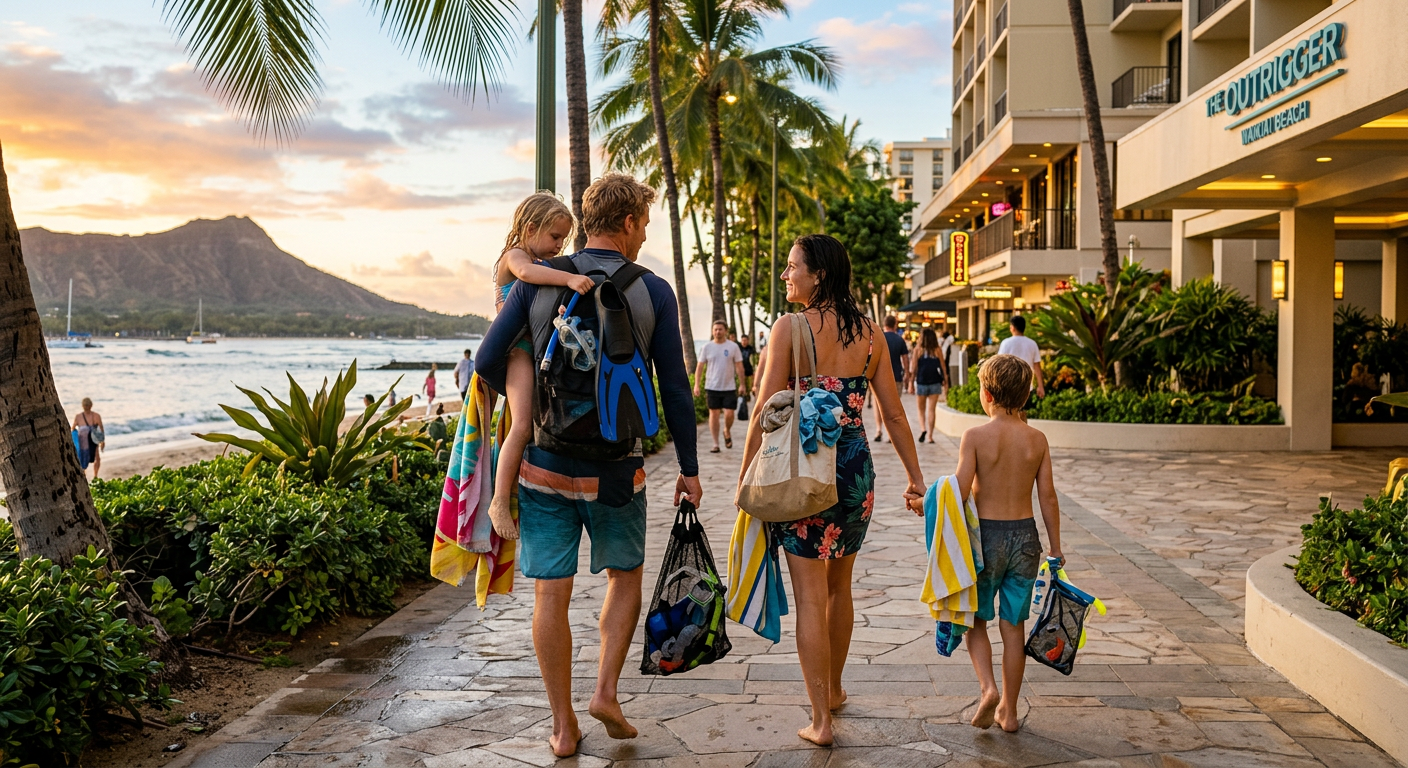
You spent the afternoon parasailing. The boat returns to the harbor around 3:30 PM. By the time you step onto the pavement, your legs feel heavy and the asphalt radiates a dull heat. People assume they can step off a catamaran and walk straight into an evening event. You cannot. Saltwater and formal aloha attire do not mix.
I used to map out tight itineraries before realizing the flaw in my math. A standard waikiki luau buffet check-in starts around 5:00 PM.
The Physical Reset
A high ticket price usually means you should not waste daylight resting in a room. I changed my approach after a family I booked fell asleep during the fire dance finale. They skipped a late afternoon break.
A standard performance runs long. Sitting upright on a rigid folding chair requires more energy than you think. You need at least two hours between your afternoon activity and dinner.
You stand in the hotel shower letting the water run cold. It takes an hour to get the ocean out of your ears. The small bathroom smells like aloe gel and damp towels.
Managing the Evening Logistics
Rideshare wait times around Kalakaua Avenue spike during the 5 PM rush hour. Traffic backs up along Ala Wai Boulevard. The sound of idling engines and distant horns replaces the afternoon trade winds.
A lot of these event venues rely on motorcoach transfers. The air conditioning on those buses blasts cold. It smells like stale upholstery and freezes the sweat right on your neck. Bring a light layer.
Book your daytime water activities through Rockon Recreation Rentals for the morning blocks instead.
The check-in line begins moving right at the scheduled time. Guests receive their seating assignments and walk toward the main lawn. The sun sets behind the stage area.
Truth Six The Carving Station Pacing Strategy
The stainless steel tongs clink against metal chafing dishes as you shuffle down the line. The air smells of Sterno fuel and steamed cabbage. You have seconds to make your choices before the flow of the crowd pushes you past the carving station.
The official website calls this a royal island feast. Who writes these descriptions?
The reality is solid, high-volume catering executed for hundreds of people simultaneously. If you want a farm-to-table culinary tour, book one through Rockon Recreation Rentals. A waikiki luau buffet is about volume and velocity. According to a 2026 report by The New York Times on mass tourism dining, large resorts rely on quick-turnover items. The average tourist consumes about four wedges of pineapple before giving up on fruit. You load a fifth wedge onto your plate anyway. The cold, sticky juice runs down your thumb.
I should mention the carving station beef. It chews like a well-worn leather boot, demanding a jaw strength most of us do not possess.
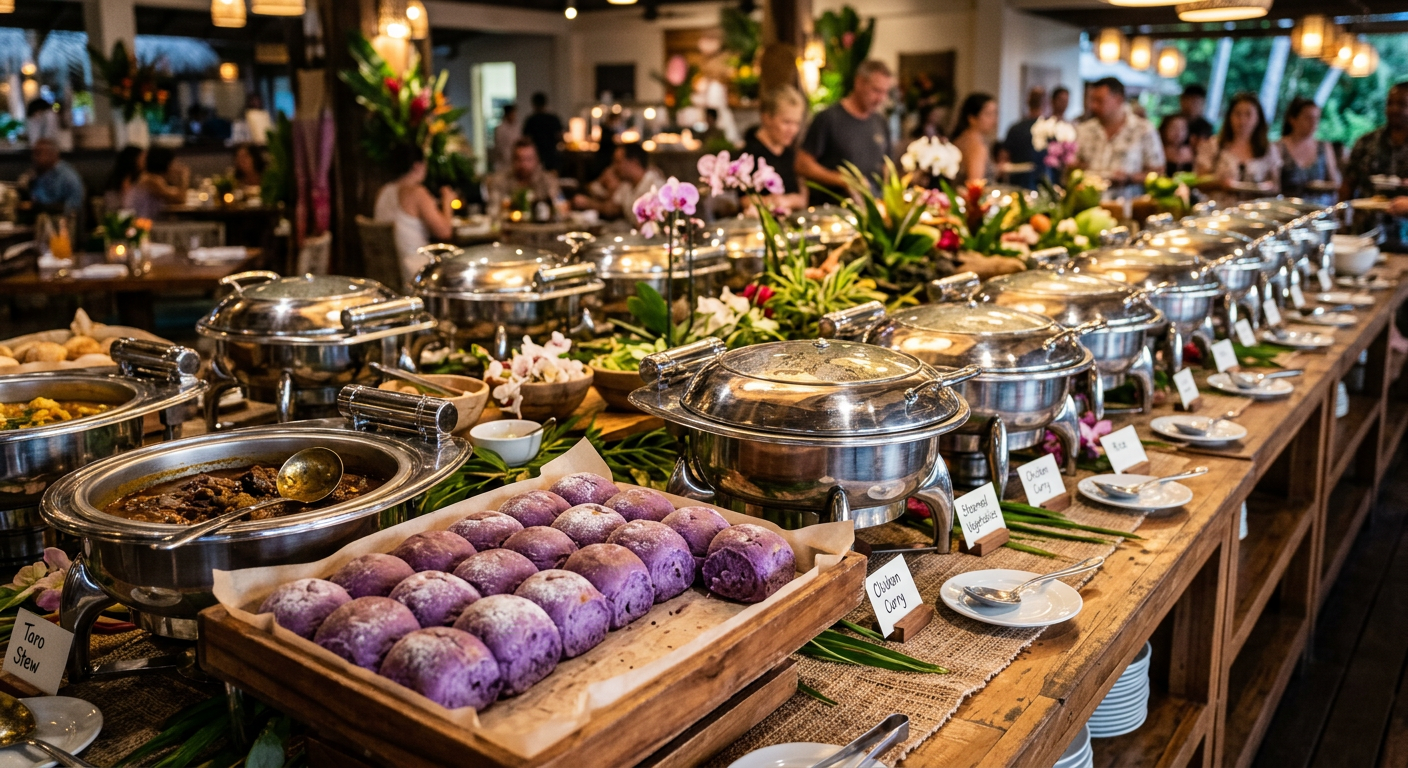
I expected the bread basket to be an afterthought. Usually, mass-produced rolls sit under a cloth getting stale. I was wrong. The purple taro rolls are the sleeper hit of the entire operation. They pull apart with a warm, soft, yeasty give that makes you regret filling up on the tough beef.
The Alternative Upgrades
Check the actual menu yourself before you assume every dish contains meat. Historical menus from 2019 show the vegetarian option was often a sad pile of steamed carrots. Beige is a sin. The traditional macaroni salad is still a problem today. It drowns in lukewarm mayonnaise that coats the roof of your mouth until you find a glass of water.
By 2026, the plant-based mains have evolved. The kitchen cycles through mountains of sweet potatoes and tofu poke. You bite into the marinated tofu. The sharp hit of ginger cuts right through the heavy evening humidity.
The dining staff moves quickly between the long tables, clearing empty plastic cups. Most guests eat in silence, watching the stage crew set up the fire pits.
The buffet lines close early. A worker drags a heavy tarp over the remaining fruit platters. The smell of roasted pork finally fades into the damp, metallic scent of the ocean wind blowing off the reef.
Truth Seven The Indoor Ballroom Compromise
You fold the glossy brochure and the paper sticks slightly to your damp thumb. The concierge desk is pushing three different options, all claiming to be authentic.
Major Waikiki venues in 2026 all promise an exclusive VIP journey. What they actually sell is proximity to the stage and slightly faster bar access. A classic waikiki luau buffet rarely deviates from this business model.
The Beachfront Versus the Ballroom
In 2019, I would have scoffed at the indoor, theater-style setups. I insisted that eating kalua pig under a drop ceiling was a crime against the Pacific.
I was wrong. After sweating through a humid outdoor show where the wind blew sand into my poi, I understand the ballroom appeal. Air conditioning is a very valid cultural experience when it is 88 degrees outside.
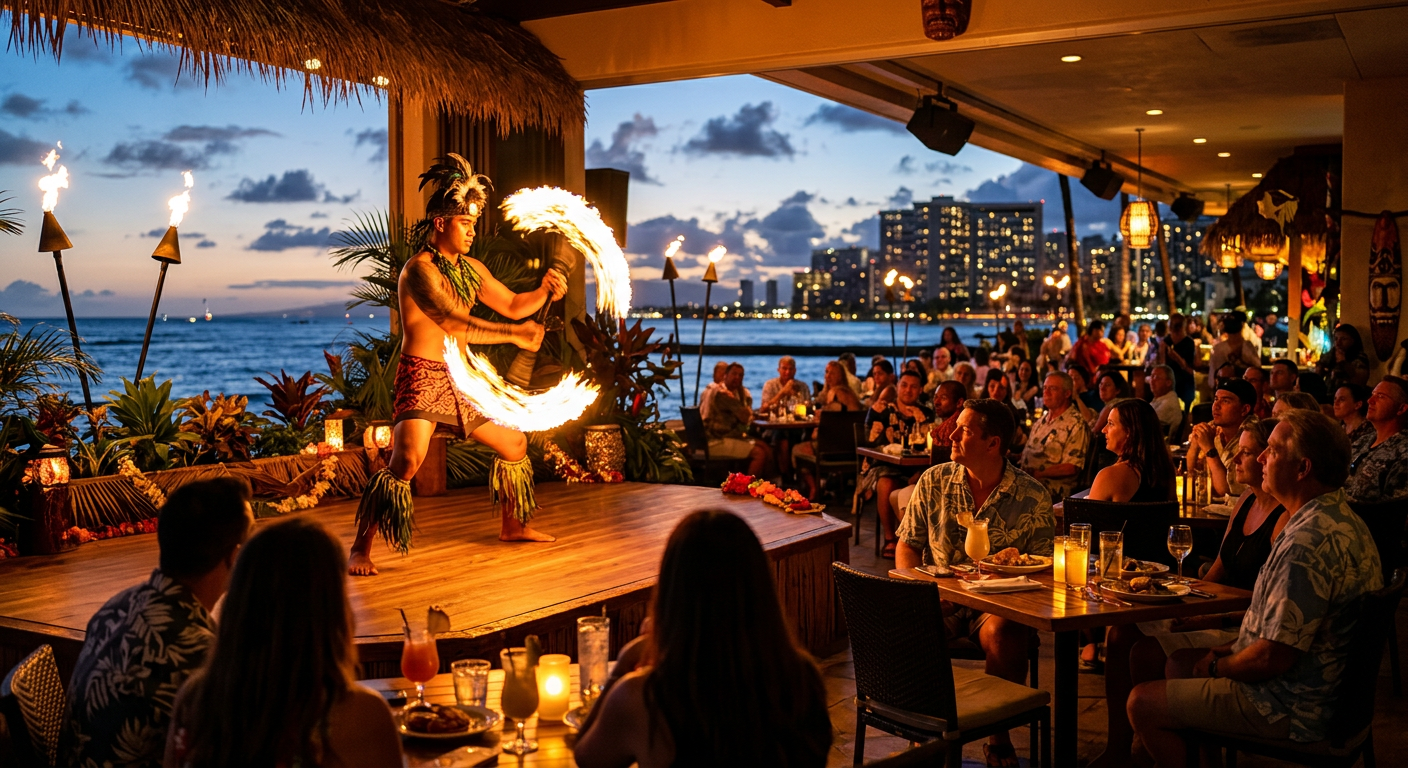
The Hilton Hawaiian Village Starlight Luau holds hundreds of guests. That sounds terrifying until you see the staff clear the buffet tables. A massive waikiki luau buffet operation clears plates faster than a diner.
The buffet lines close promptly. The staff removes the chafing dishes and wipes down the tables.
Matching the Vibe to Your People
Official menus promise locally caught fish. Reality delivers a generic white fish smothered in macadamia nut sauce. It is fine, but do not expect a culinary revelation.
If you just want exceptional local food, skip the show and book a private tasting tour on Rockon Recreation Rentals. If you want the spectacle, pick the waikiki luau buffet closest to your hotel.
The walk back to the Marriott is brief. Your feet will thank you after hours on hard folding chairs.
The drums finally stop echoing off the hotel towers. You step out onto Kalakaua Avenue. The exhaust from passing mopeds mixes with the ocean breeze. Your clothes still smell faintly of roasted pork smoke, and they will for the rest of the night.
Truth Eight The Unspoken Exit Strategy
The grand finale finishes on a sustained drumbeat. Performers take their bows while the house lights flick on, illuminating hundreds of empty plastic cups and crumpled napkins. The magic breaks.
A waikiki luau buffet ends with the immediate logistical puzzle of extracting eight hundred people from a confined space. Everyone stands up simultaneously. The damp folding chairs scrape against the concrete pool deck.
The Elevator Bottleneck
If you attended a rooftop or elevated venue, you now face the elevator bank. A line forms fast. You stand there listening to a dozen different families debate where to get a late-night dessert. The air smells of stale beer and fading plumeria blossoms. The smart move is to hang back at your table for ten minutes. Let the crowd surge past you.
I cannot prove this, but the staff secretly appreciates the guests who don't sprint for the exits. They begin tearing down the tables with practiced speed. The carving stations are dismantled before the last guest even reaches the street.
The Night Walk
You finally make it down to Kalakaua Avenue. The street lamps cast a yellow glow against the palm trees. Your stomach feels heavy with macaroni salad and taro rolls. The city noise feels abrupt after three hours of island chanting.
Booking these events requires a suspension of disbelief. You trade pristine culinary art for a massive, coordinated spectacle. You walk back toward your room, picking coral grit out of your sandals, knowing the ticket was worth the fire.
Plan your trip: Ready to experience this firsthand? Book Parasailing Oahu Over Waikiki and Diamond Head directly through our marketplace.