The Myth of Pristine Shelling Sand
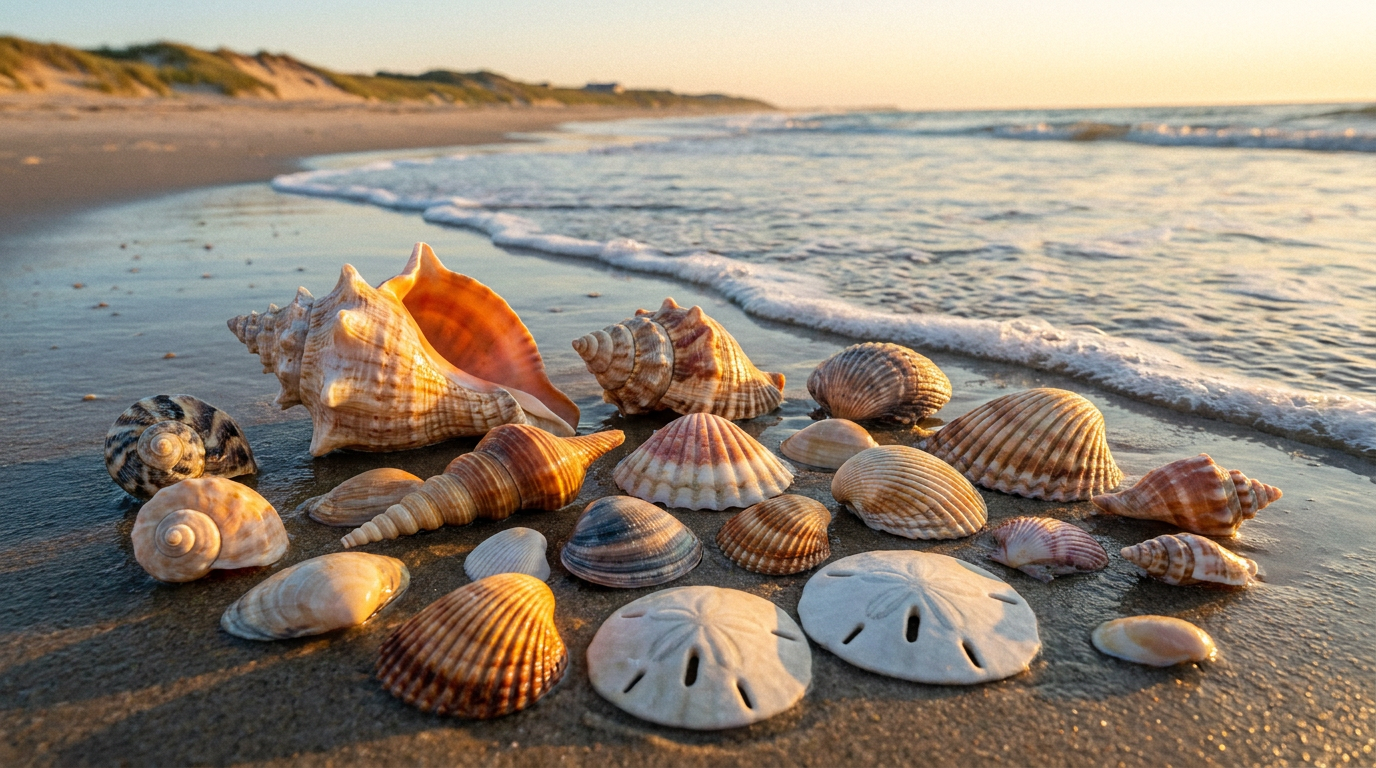
Distinguishing between the various types of beach shells usually begins when the jagged edge of a broken calico scallop scrapes against your wet ankle mid-stride. Tourist brochures love to show an unblemished lightning whelk sitting alone on a bed of powdered sugar sand. Reality is a bruised heel from stepping on fragments of half-buried clams.
Naples city beaches operate like outdoor living rooms. Surface groomers strip away marine life long before you lay down a towel. You might spot a guy with a metal detector near Clam Pass hoping for pirate gold. He usually pockets oxidized bottle caps and aluminum pop tabs.
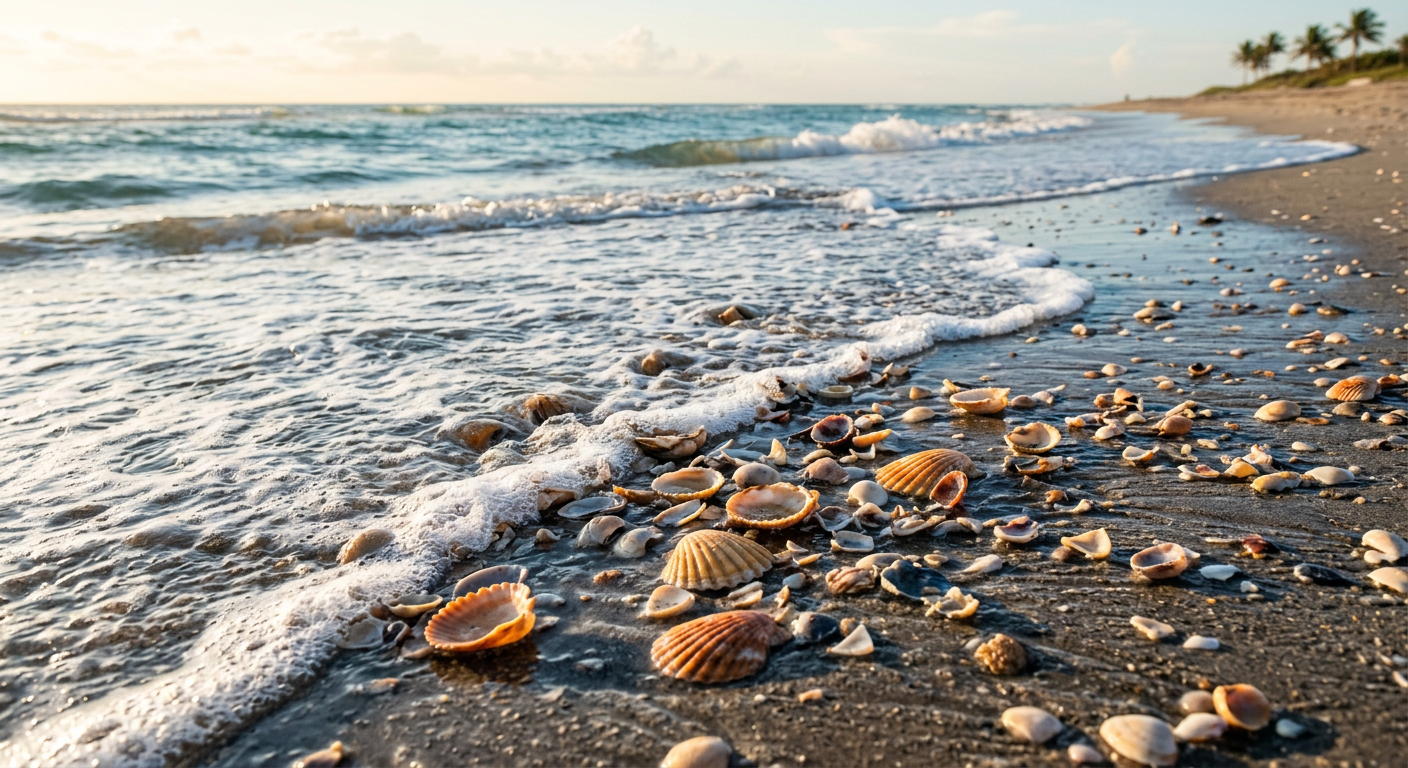
Going into the 2026 season, municipal tractors drag metal tines across the local beaches every Tuesday and Friday morning. They pull up seaweed and plastic debris into piles near the access points. The rear brush attachment leaves a flat surface behind, dragging the smaller, intact types of beach shells right into the surf break. The heavy machinery does the hard work.
A wooden bench near the primary pier access has a small red sticker from a Chicago hot dog stand peeling off its left leg. 2019 me skipped these groomed shorelines, assuming the tractors ruined the haul. 2026 me knows the raking process rolls the best finds into a straight line near the water's edge. You just have to look where the tire tracks end.
Wading for Your Reward
Instead of wandering the dry dunes, wade out until the water hits your knees and wait. Let the receding tide wash the loose sand away from your feet. We advise folks picking up paddleboards from Rockon Recreation Rentals to bring a long-handled dip net for this maneuver. You catch the rolling types of beach shells without bending over in the churning surf.
The water physics handle the heavy lifting. According to coastal analysts at NOAA, the Gulf's wave energy acts like a natural sifter. Stand in thigh-deep water about an hour after the tide peaks. That magic window pushes the heavier specimens over the sandbar directly into your net.
Decoding Florida Gulf Shore Finds
The Gulf is ready to hand over its inventory when the sulfuric tang of decaying seagrass catches in the morning breeze. You stand ankle-deep in a graveyard of marine architecture. Millions of broken calcium carbonate pieces tumble in the whitewash.
Once your eyes adjust to the glare, categorizing the various types of beach shells scattered across the Naples coastline becomes an exercise in pattern recognition. A teenage kid in a red lifeguard hoodie walked past and dropped a single green grape into the tidal pool. I cannot prove this, but intact treasures always seem to cast a distinct shadow against the sandy bottom. The broken fragments lie flat, while the hollow spirals disrupt the current.
Identifying the Hometown Stars
Florida fighting conchs measure around three inches long. They have a thick outer lip and a dark brown rim interior. You find these partially buried in the wet sand at low tide. They feel dense for their size and sport small points along the top spiral.
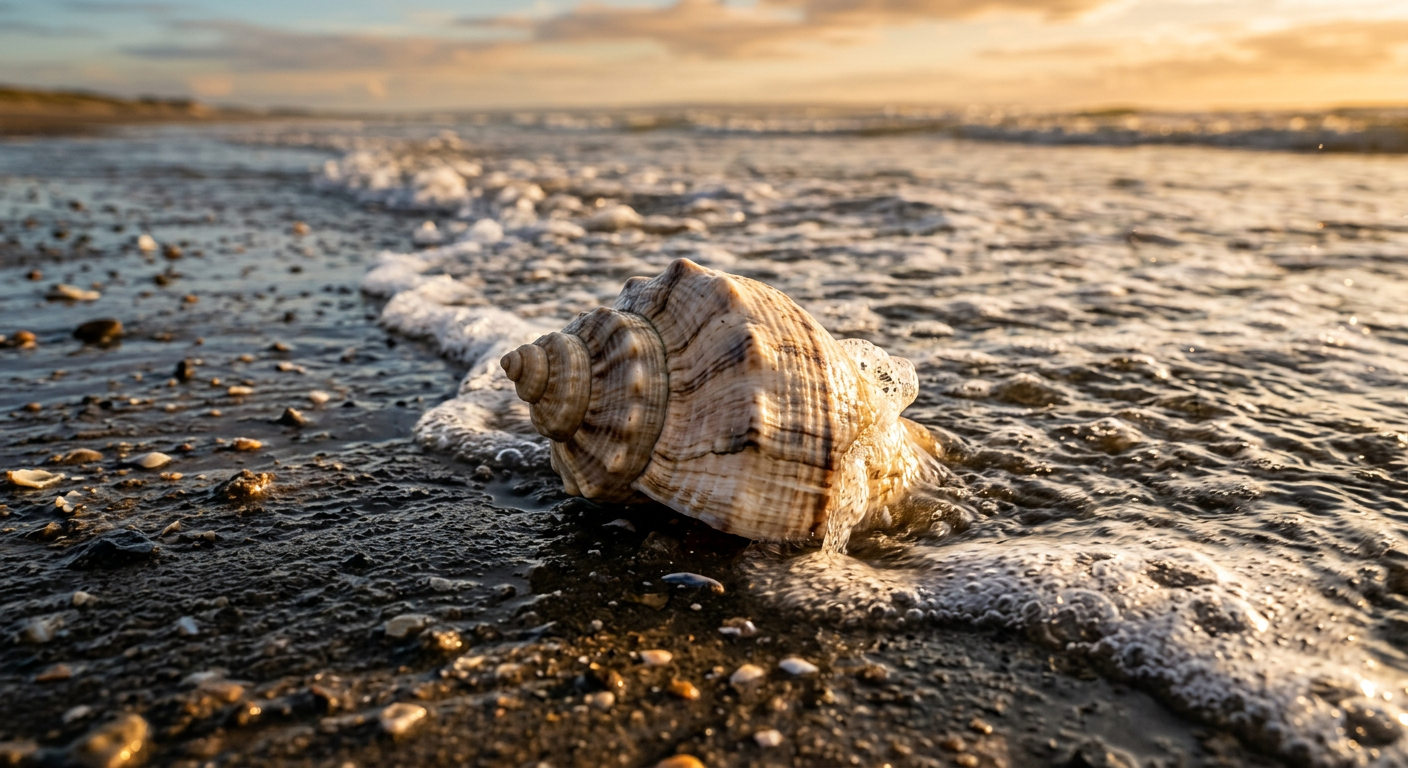
Lightning whelks join the fighting conchs as the local celebrities of this shoreline. Locals string together identification tricks when you sort your afternoon haul. Most coiled types of beach shells open on their right side when you hold them point-up in your palm. Lightning whelks pull a rebel move and open on the left.
Fossilized Finds versus Fresh Calcium
Sometimes you pull a shark eye shell from the surf that looks solid black. Visitors often mistake these dark variations for a rare species or just a trick of the local water chemistry. They are actually partially fossilized remains. The minerals from the Gulf floor replace the original calcium carbonate over thousands of years.
A fresh specimen feels brittle and light, often carrying a chalky taste if the salt spray hits your lips while inspecting it closely. The dark grey and black fossilized shells carry a noticeable heft in your palm. Finding a fossilized fragment means the offshore currents dredged up material from deep underwater. These dense pieces sit low in the sediment and rarely wash up past the high tide line.
The Geographic Pivot — Marco Island Mud versus Pristine Sands
If it is on a postcard, it is a trap. The white shores of Vanderbilt Beach photograph well, but the rigorous cleaning schedules destroy fragile finds. Expand your hunting radius south toward Marco Island to see the difference.
Tigertail Beach offers a harsh terrain lesson. You park at the public lot and face a shallow tidal lagoon separating you from the barrier island. Crossing it means sinking past your ankles in dark, silty muck. The soft mud pulls at your water shoes while the distinct scent of sulfur rises from the disturbed seagrass beds. It is uncomfortable, messy, and loud with the clicking of small crabs scattering out of the way.
This physical barrier filters out the casual collectors. The people who only want clean toes stay by the playground. Wading through that lagoon puts you on Sand Dollar Spit. The isolation ensures the fragile paper fig shells and delicate angel wings wash ashore untouched. You earn the haul by enduring the mud.
Spotting Bivalves Everyone Steps Over
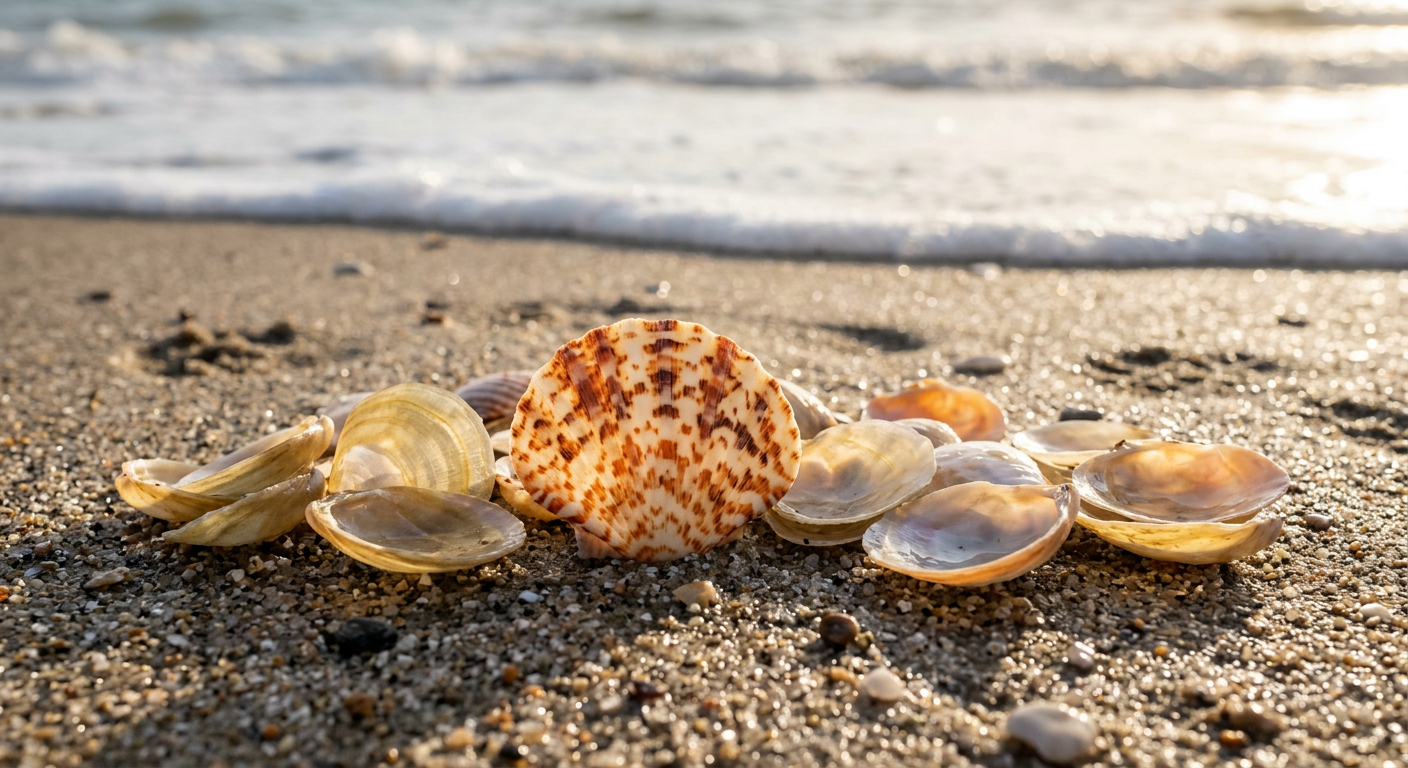
I used to ignore bivalves without a second glance. Most visiting families still do. But these marine animals with two hinged halves are the quiet workhorses of the Gulf Coast.
The 2026 winter storms pushed thousands of these cracked halves onto our local sandbars overnight. The thick hinge joints on local quahog clams preserve deep purple marine pigments long after the thin outer edges wash away. The damage exposes the layered growth rings. The fractured pieces carry a better story than the pristine ones.
The dry crunch of crushed cockle shells underfoot sets a slow rhythm for a solitary morning walk. You spot jingle shells scattered everywhere if you search near the tangled piles of drying seaweed. Why do we always walk past the delicate things? They resemble wrinkled potato chips made of translucent mother-of-pearl. During my first Tuesday living in Naples, I gathered handfuls of them, assuming I had struck gold. They hold zero monetary value. They catch the low morning light well.
The Art of the High Tide Line
The damp sand feels cold at Clam Pass. The high tide line leaves a band of debris. Visitors step over the small white fragments to reach the green chairs. A metal trash can sits a few steps away on the wooden boardwalk. Calico scallops rest directly on top of the dark seaweed.
I found a round piece of blue sea glass yesterday resting near a plastic comb missing some teeth. Research is my love language; reality is my ex. Reading a Florida Fish and Wildlife Conservation Commission field guide on Gulf habitats offers a baseline. The sorting process teaches you more. You recognize different types of beach shells just by tracing the spots on the calico scallops. No two carry the exact same pattern.
We suggest guests renting gear at Rockon Recreation Rentals bring a small mesh bag to hold these bright scallop halves. It makes separating your collection much simpler when they dry out on the patio table back at your rental.
The Gastropods Worth the Effort
These single-shelled spirals are where the hunt begins, long after the municipal tractors flatten the dry sand behind you. A hollow clatter echoes when two heavy shells bump together inside your plastic bucket, carrying farther over the morning chop than you expect. I used to assume the biggest prizes washed up overnight and just sat there waiting. Now I know the Gulf keeps its best spiral shapes hidden in that knee-deep trough just past the break.
A small piece of blue braided fishing line is tangled around the wooden piling closest to the beach access path.
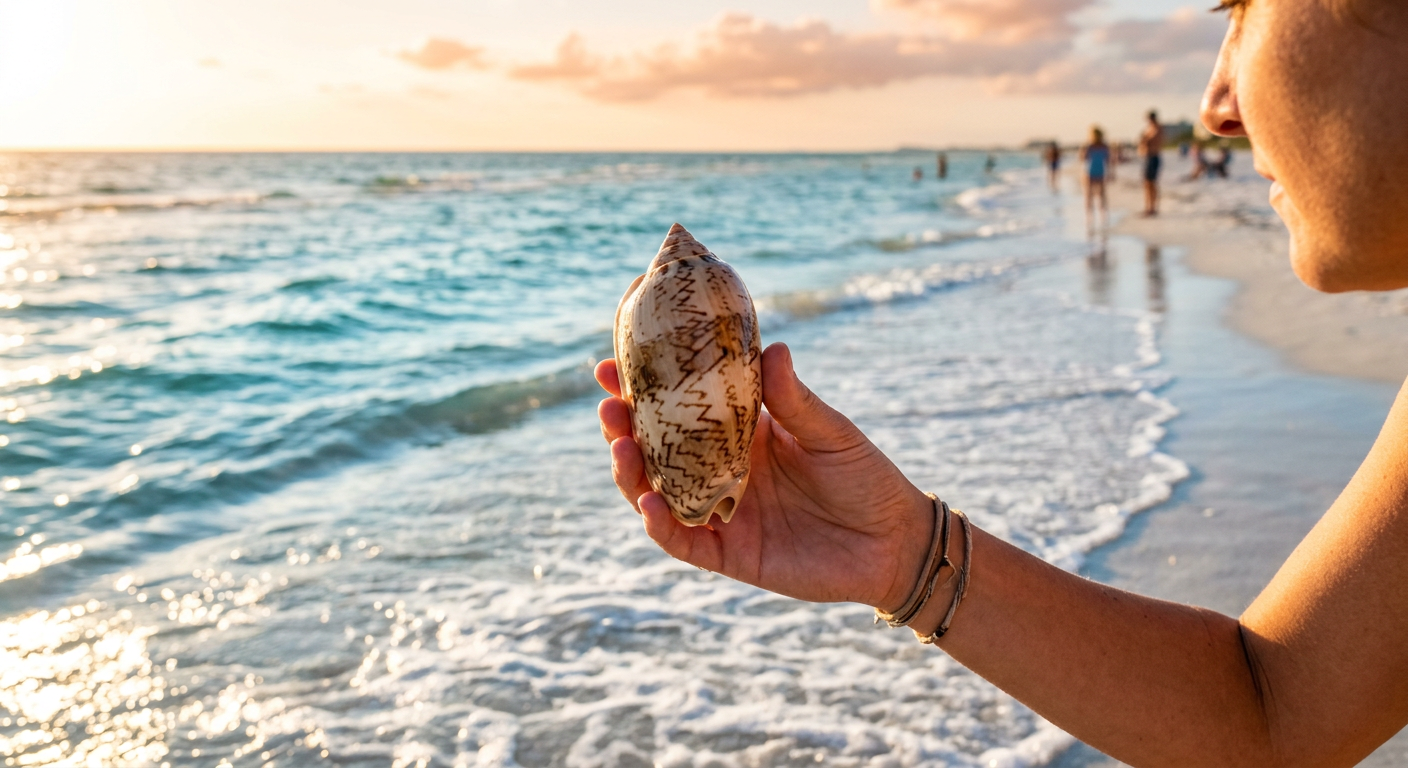
Looking for specific types of beach shells down around your ankles requires patience. Lettered olives have a surface that feels like polished glass against your bare toes. They look slick and shiny, tumbling back and forth alongside your heels with the push of the incoming tide. Instead of scooping fast with a net, you stand near the surf edge and feel for that smooth shape shifting underfoot. Apple murex shells offer a different tactile experience. Their jagged edges catch easily on the local shore weeds.
Navigating the Tulip Varieties
For years, I told guests renting paddleboards from our Rockon Recreation Rentals outpost that finding a true tulip shell in Naples was rare. I assumed the winter tides dragged them far out of wadeable range. A visiting marine scientist showed me a pocket full of them gathered right off Delnor-Wiggins Pass State Park on a warm afternoon. The specimens bury themselves under the sand as the water warms up. You have to dig down rather than looking for them rolling on the bottom.
Banded tulips have dark horizontal lines wrapping around an off-white spiral body. True tulips look similar but grow larger and sport a darker brown finish with closer lines. Lay them next to each other on a white towel to see the differences. The true tulip has a wider opening at the bottom. Both wash up on the sandbar south of Doctor's Pass.
Why Finding Rare Shells Often Smells Like Low Tide
You lift an unchipped lightning whelk from the shallow surf, expecting a hollow echo, but a sharp stench of sulfur hits the back of your throat instead. That foul odor is the dead giveaway of a home currently occupied in the Ten Thousand Islands. You do not have a beach souvenir. You have a squatter. The original owners rarely vacate a good piece of waterfront real estate without a fight.
The Florida Fish and Wildlife Conservation Commission restricts taking live organisms from public coastlines. This applies to sand dollars, starfish, and sea urchins. Any shell housing a hermit crab operates as a live animal under the law. Taking them from the Gulf of Mexico results in a citation. State wardens regularly inspect plastic buckets at major beach access points.
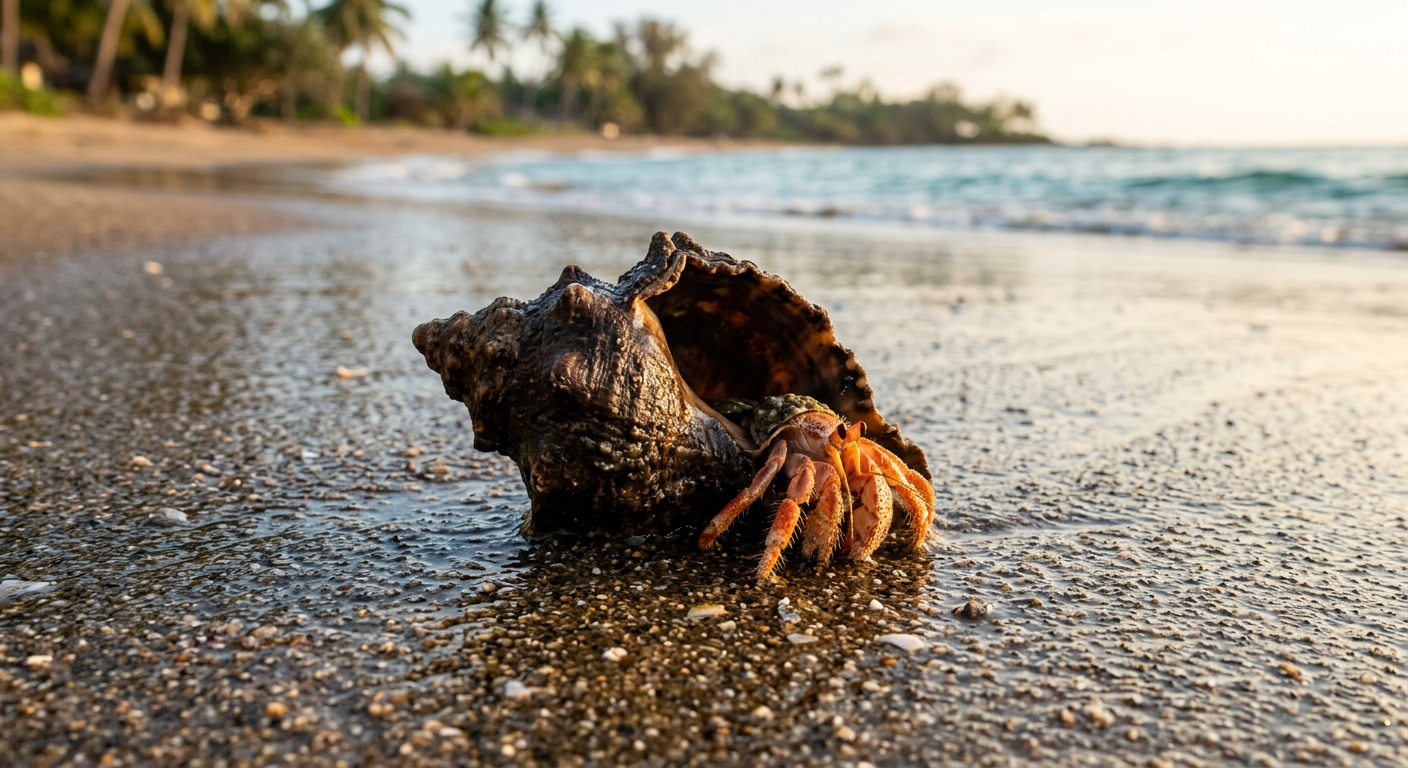
I used to grab handfuls of banded tulips without a second thought. I would dump them into my kayak hull and paddle back feeling victorious. By the time I returned my gear to Rockon Recreation Rentals, the boat smelled like a marine graveyard. I thought the ocean just carried an organic funk. A local marine guide pointed out the tiny antennae twitching inside my haul. I had been kidnapping hermit crabs for a whole season. Naturally.
The Three Second Flip Check
A guy in a faded yellow fishing shirt was eating a bruised banana near the boardwalk stairs.
I always believed the early morning beach walkers grabbed all the empty specimens. A state biologist at a coastal cleanup event corrected me. Retreating dawn tides strand the active crab population on the exposed sandbars. Discarded empty types of beach shells ride the heavier afternoon swells. Try sorting your haul after lunch instead. Scoop up a promising specimen and turn the opening toward the sun. After a few seconds, a little orange claw hooks over the lip of the ridge if a crab lives there.
Here is the reality of South Florida shelling in 2026. You just have to handle the finds to know the difference before dropping them in your bag.
- Hold the shell steady in your open palm.
- Wait for the saltwater to drain out of the spiral.
- Look deep into the inner curve.
- Put it back in the water gently if it smells like rotting mud.
- Never toss a live animal like a baseball.
Why the Ten Thousand Islands Strategy Beats Beachcombing
Back in 2019, I assumed the sugary shores near the municipal pier held the ultimate coastal bounty. Now in 2026, I skip the manicured city sands. I go where the signage is bad and the shelling is good. Heavy morning humidity clings to your skin during the boat ride south, mixing with the sharp scent of marine exhaust before you even clear the pass.
The Ten Thousand Islands National Wildlife Refuge encompasses thousands of acres of mangrove estuaries south of Naples. You cannot drive to these outer barrier islands since no roads connect them to the mainland. Visitors must use a motorized boat or kayak to navigate the intricate waterways leading out to the Gulf of Mexico.
Trading Sugar Sand for Mangrove Mud
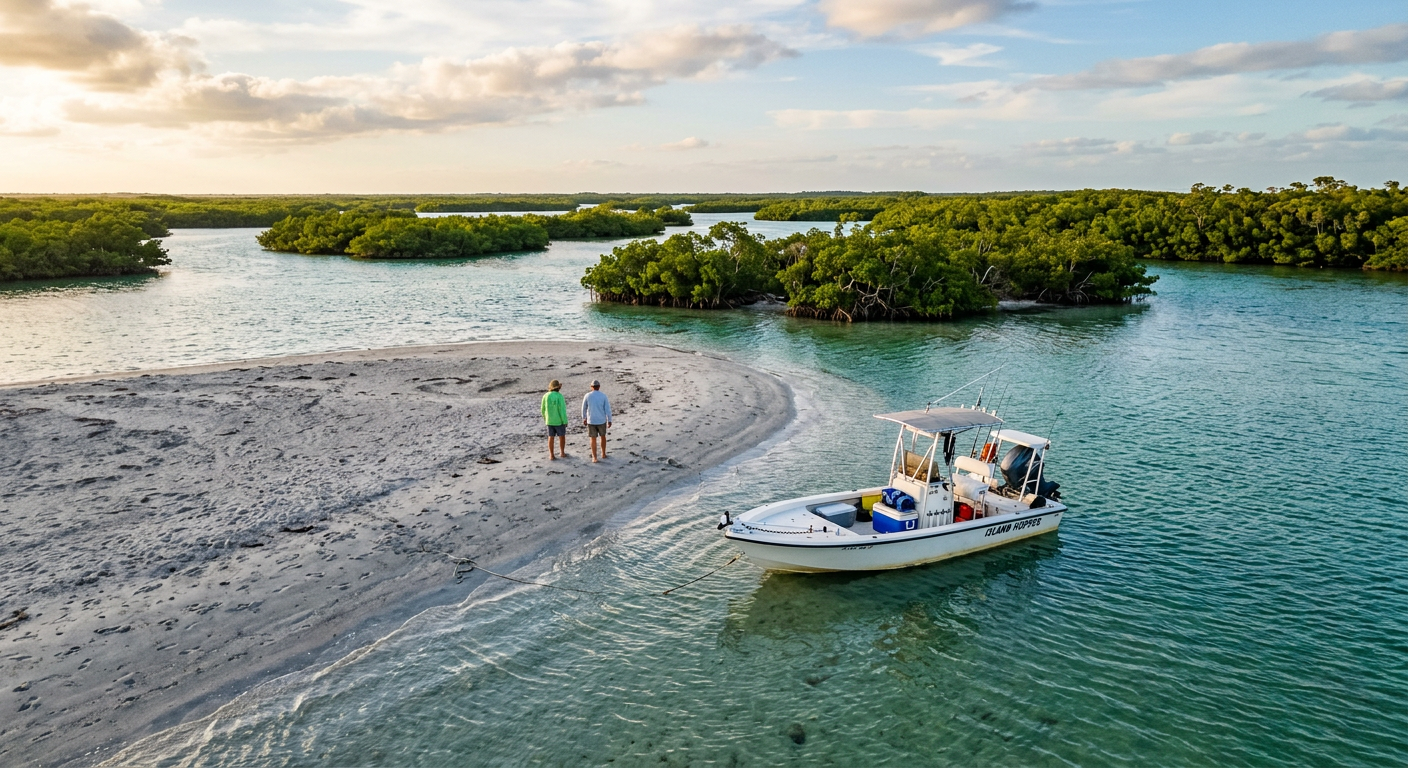
The console on our charter boat featured a faded magnetic compass with a cracked glass dome. It pointed east regardless of our heading. You endure exactly 42 minutes of idling through winding mangrove channels before the captain drops you onto unmarked shoals. The sand runs coarse and gray. The water out here appears murkier than the upscale city limits just a few miles up the coast.
I used to avoid these muddy estuaries. I believed the dark water and submerged mangrove roots would trap stained, broken fragments. Then a dropping tide stranded my boat near an unnamed mudbank, exposing a cluster of pristine horse conchs resting in the muck. The soft, nutrient-dense mud acts as a protective cradle. It keeps fragile specimens safe from the grinding onshore waves that pulverize everything on the main coast.
If you want to identify different types of beach shells without squinting at sun-bleached chips, coordinate your trip with a negative tide. We arrange vessel access for friends at Rockon Recreation Rentals who want to make this offshore commute. You spot rare alphabet cones and thick fighting conchs resting on the damp flats. Finding a glossy banded tulip sitting in a tidal pool where no other human has walked that week feels like a legitimate triumph.
Gathering Seaside Souvenirs Requires Unspoken Rules
Wading out for intact lightning whelks is thrilling, but keeping them requires immediate maintenance. A plastic bag of unwashed seashells turns your rental car into a decaying fish market fast. The warm Naples sun bakes the residual organic matter trapped deep inside those spiral cavities. You have to scrub them with fresh water and a toothbrush the minute you get back to your hotel.
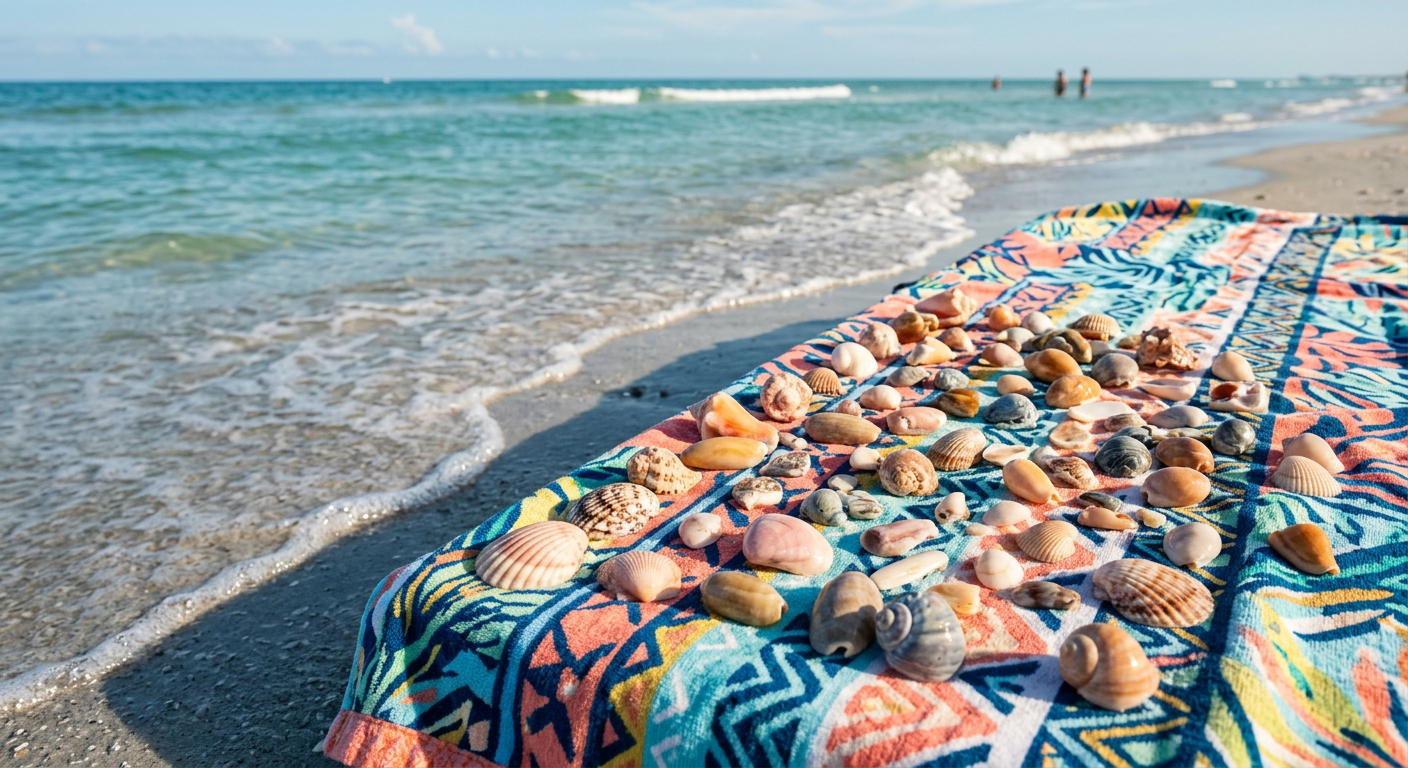
The pungent stench of rotting marine biology hitting your nose when you open the car doors is a sudden wake-up call. Save yourself the detailing fee and only take what you plan to clean right away. Some local resorts even provide outdoor hose stations near the foot-wash showers just for this chore.
The Purpose of Leftover Fragments
Beyond the smell factor, leaving the damaged pieces right where they sit serves a functional purpose. Natural forces crush those fragments over time to create the protective shorelines of the offshore islands. Data from the Florida Department of Environmental Protection shows shell hash reduces beach erosion by absorbing wave impact. Taking only the rarest types of beach shells ensures the barrier islands maintain their defense against seasonal storms.
The Joy of Walking Away
I always assumed the local rule about giving big finds to kids would feel like an annoying sacrifice. Someone told me to ignore large specimens if a family was gathering nearby, which seemed unfair at first. Then a toddler in a floppy hat grabbed a horse conch I deliberately bypassed, and her elated squeal echoed down the beach. Seeing someone else experience that coastal magic beats bringing home another dusty paperweight for my desk.
A single brown pelican sat on a weathered piling near the tide line, looking indifferent to everything happening below.
Spending time figuring out the shoreline connects you directly to the Gulf ecosystem. You start recognizing the ribbed texture of a cockle or the smooth slope of a lettered olive without needing a guidebook. The fun lies in the discovery process rather than mindless hoarding. If you spot a family scanning the shoreline, point out the large intact finds and step back. Their excitement makes the whole morning worthwhile.
Booking paddleboards through Rockon Recreation Rentals puts you closer to the remote sandbars south of Gordon Pass. You often find delicate paper fig shells resting undisturbed in shallow water as the afternoon drags on. The gentle clinking sound of taking home just one or two unique types of beach shells in your pocket provides the background music for the trip. Snagging just a few meaningful pieces guarantees this area remains a haven for the rest of the 2026 season.
Plan your trip: Ready to experience this firsthand? Book Explore Florida's 10,000 Islands with Wildlime Adventures Naples directly through our marketplace.