
The Postcard Trap of Exit Glacier
The dense, sticky scent of idling diesel engines belongs nowhere near your first attempt at glacier hiking seward alaska. The pavement ends where the wilderness is supposed to begin, but the transition is rarely clean. I didn't notice it at first on Tuesday morning. The Alaska Railroad rolled into town looking like a toy set piece against the mountains.
Five years ago, I thought paying the human toll at the park gates was just the mandatory tax to see the ice. I would stand in line, take the photo, and pretend I was in the wild. 2026 me knows that substituting a paved trail for the backcountry is a tragedy. Beige travel is a sin. The novelty fades when those train cars disgorge crowds into the valley around noon. It erases the low wind whistling off the ice you came looking for. If you stand near the trailhead parking lot in July, the fumes from dozens of tour buses coat your throat. I tried to remember the sharp bite of winter air just to clear my head. But summer on the Kenai Peninsula doesn’t let you off that easily.
The paved path from the nature center runs past restrooms and a wooden kiosk. Someone left a half-eaten green apple on the railing. It sits there like a strange little monument to the crowds.
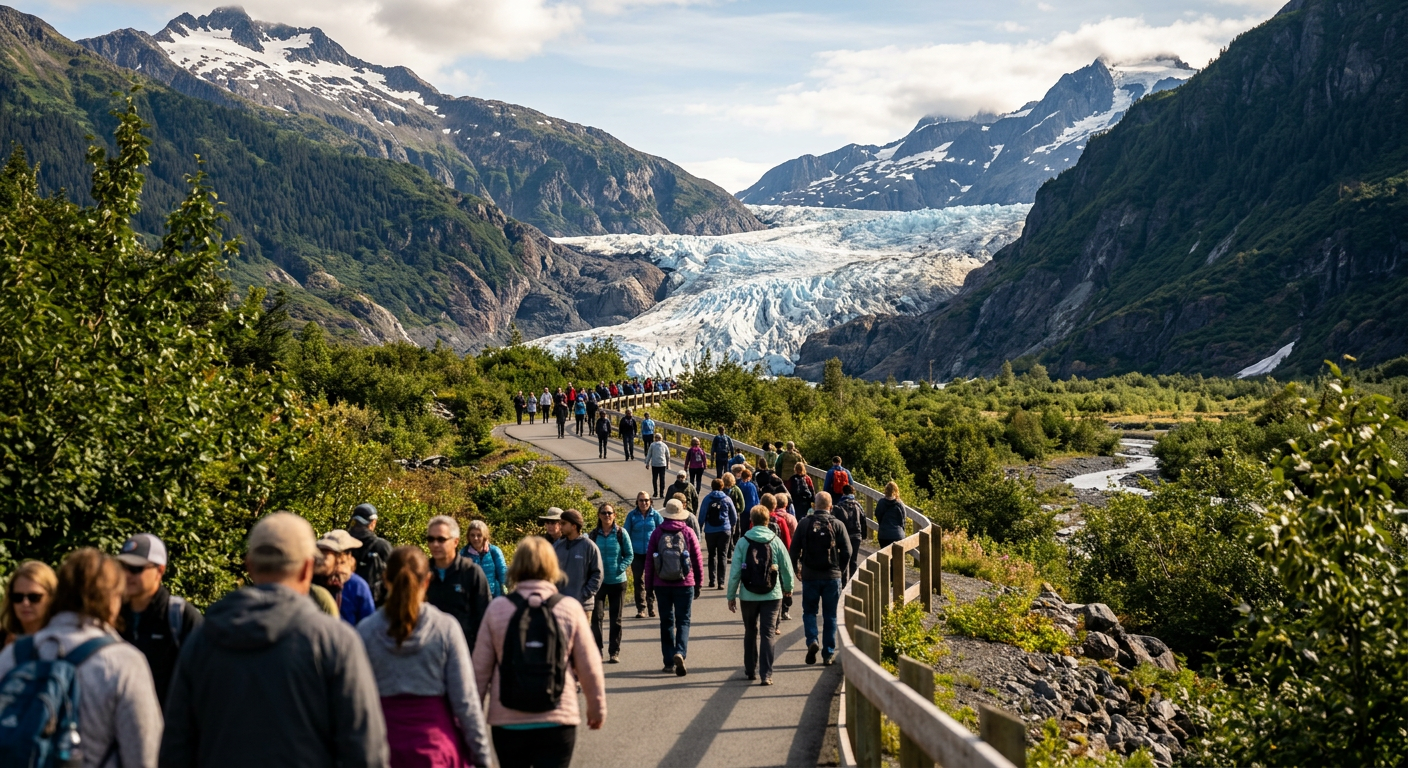
The Illusion of Proximity
The synchronized scraping of carbon-fiber hiking poles on synthetic decking echoes through the valley floor. According to the National Park Service, the lower loop at Exit Glacier receives roughly 300,000 summer visitors. That statistic feels less like a number and more like a physical weight pressing against your shoulders. You join the procession of raincoats marching up the asphalt path.
I can't prove this, but the collective sigh of three hundred tourists taking the exact same photo actually alters the atmospheric pressure near the viewing deck. You round the final bend expecting a revelation. Instead, you stare at a shrinking, dirt-streaked wall of ice parked behind a rope about a quarter-mile away.
If it's on a postcard, it's a trap. You look at a geological wonder, but the asphalt domesticates the experience into a mild walk. Any genuine attempt at glacier hiking seward alaska demands a willingness to sever ties with the pavement. If your boots aren't digging into scree or ice, you are just watching a diorama.
Trust your gut on this, even if the brochure promises accessibility. Getting close to the real ice requires turning to Rockon Recreation Rentals for a guided outback route. Leave the pavement behind.
Ditching the Footpaths for Snowmobile Access
Your spine takes the first hit. We bounce up the Resurrection River drainage for authentic glacier hiking seward alaska. Every rock hidden under the packed powder demands a payment from your tailbone. Old trail logs from the Alaska Avalanche Information Center note the route loses roughly thirty inches of snow base by mid-season.
Hitting those exposed stones sends a dull, throbbing shock up through the handlebars. Seward Alaska glacier tours typically market a sanitized dream of soaring cleanly overhead. Helicopter flights offer a smooth, insulated experience spanning brief minutes. But grinding up an uneven frozen riverbed is how you earn the ice.
You brace your boots against the metal running boards. The machine bucks sideways over a frozen pressure ridge. We passed a single raven sitting on a dead spruce tree near the canyon edge. The dry bark cracked audibly as it shifted its weight. It looked unimpressed by our roaring engines.
Then it stops.
The sudden silence presses against your eardrums. The familiar scent of exhaust drifts away on a crosswind. Conventional wisdom says you must pay top dollar for a chopper to skip the valley floor. The teeth-rattling struggle of navigating that riverbed makes the ice feel earned.
The Gritty Reality of the Approach
Helicopters are sleek, but snowmobiles represent the gritty cooler brother of the backcountry approach. The flight drops you off cleanly. The overland route leaves your jacket smelling like a small-town gas station. I prefer the gas station scent.
You step down into snow that crunches like broken styrofoam. This is the staging ground for proper glacier hiking seward alaska style. We booked our machines through Rockon Recreation Rentals. As a VisitFlorida Travel Partner since 2018, I usually navigate coastal mangroves. But I step aside when local guides read these shifting Alaskan riverbeds with just a glance.
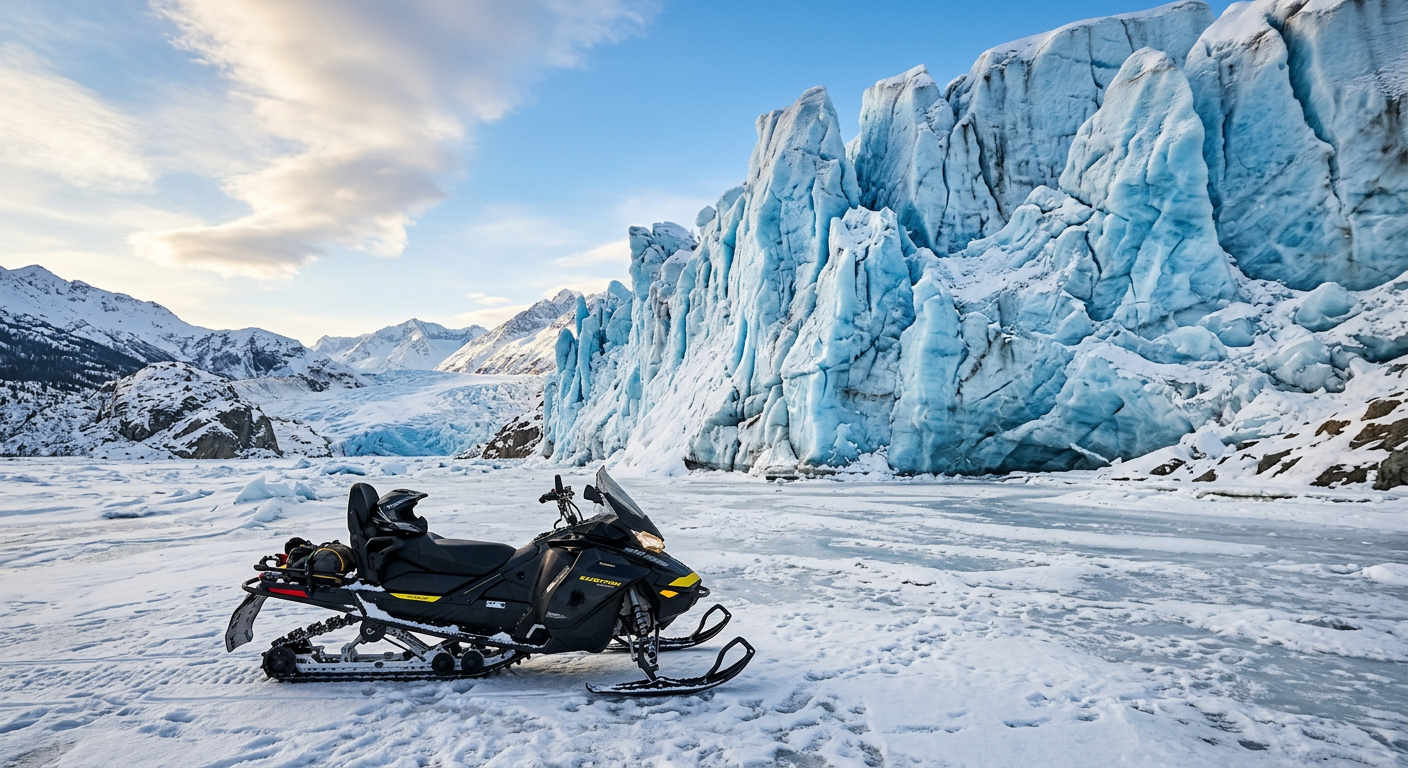
The guide pulls a nylon tow strap from his sled. He loops it twice around the metal bumper. He checks the tension with a gloved hand.
You walk away from the parked machines. The air out here bites at the exposed skin between your goggles and collar. A deep, muffled groaning sound echoes from the blue ice wall a mile ahead. It takes a few minutes of walking before your fingers stop vibrating.
The Gear Reality Check of the Outfitting Shed
Damp, trapped heat pools against your lower back. The outfitter's guidelines advise light breathable layers for glacier hiking seward alaska. 2019 me ignored this and wore a heavy parka anyway. 2026 me knows the surface temperature hovers a few degrees above freezing in the morning shade, but that chill vanishes fast. Physical exertion rapidly turns your thermal base layers into a damp sauna.
Exactly 47 seconds into the climb, you realize you overdressed.
The provided equipment feels disproportionate to a morning hike. You strap what feel like iron bear traps to your boots. The coarse nylon webbing pulls tight against the leather. Walking across the moraine rock with these attachments is clumsy work. You trip over your own spiked feet.
Trusting the Steel
I expected the outfitting to feel natural. Instead, the bulky spikes stay cumbersome right up until you step onto the glacier itself. The awkward weight makes tactical sense when the ice grips the metal rather than fighting it.
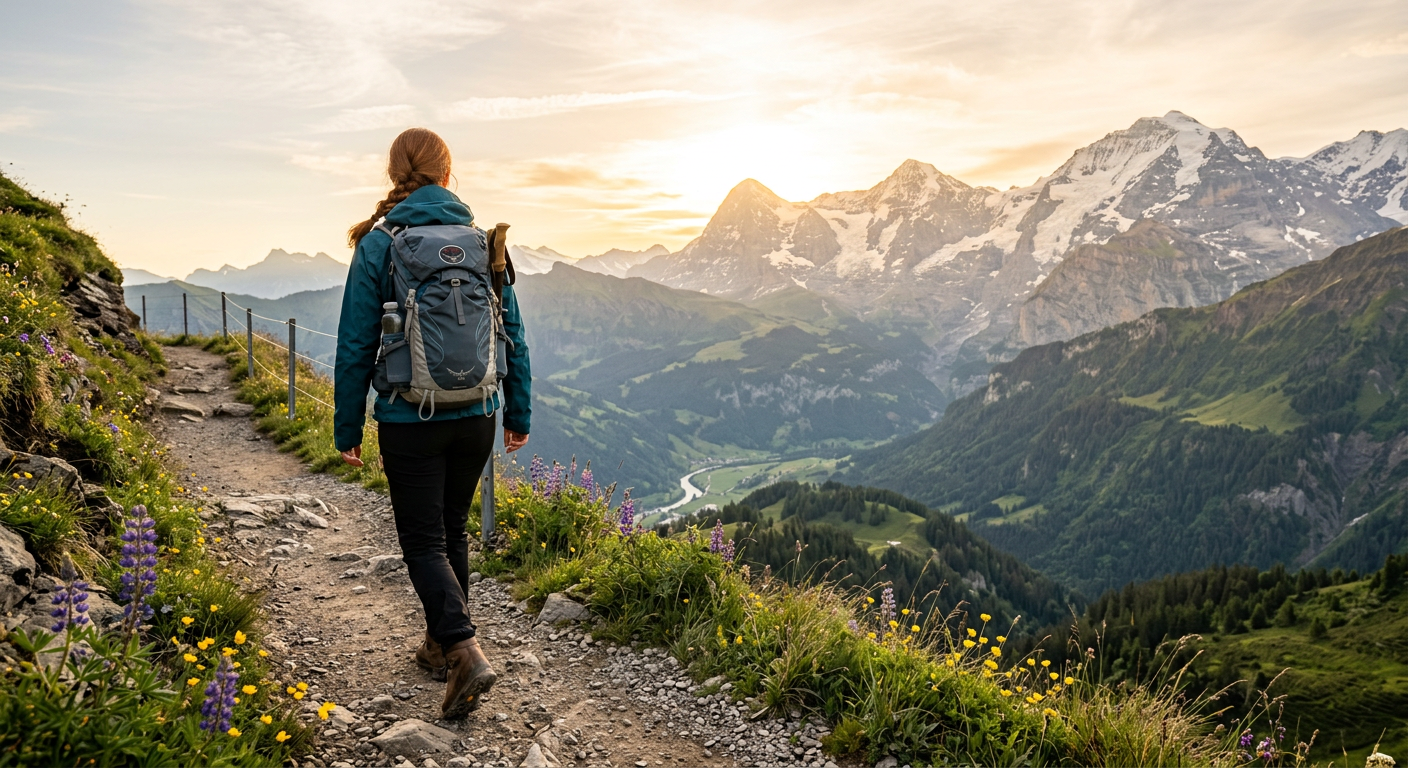
The gear does the work. You just trust the spikes to hold your weight on the incline. The backcountry guides distribute helmets and tools without a fuss about the looming drop-offs. You step away from the flat ridges and secure your boots into the wall.
Lean back into the harness. Let the rope catch your weight.
Reading the Broken Geometry of the Ice
The steel crampon bites into the ice with a dull, metallic thud. The shock reverberates straight up your shinbone. You stand at the base of a frozen, eighty-foot serac. Every self-preservation instinct you possess demands that you turn around and walk away.
Navigating the blue fracture lines of a dying glacier requires a specific kind of arrogance. You have to look at a crack in the earth that drops hundreds of feet into freezing oblivion and decide your nylon rope is adequate armor. The group moves up a moderate incline toward a sprawling crevasse field for the crux of this glacier hiking seward alaska route.
Blue meltwater runs steadily down narrow channels cut into the surface. The geometry up here feels hostile. Angles jut out where the glacier fractures under its own massive weight. I stood near the edge of a deep fissure. I tossed a small piece of moraine rock into the gap. It clattered softly against the ice walls for a few seconds before the sound vanished into the black water below.
The Pivot When the Engine Cuts Out
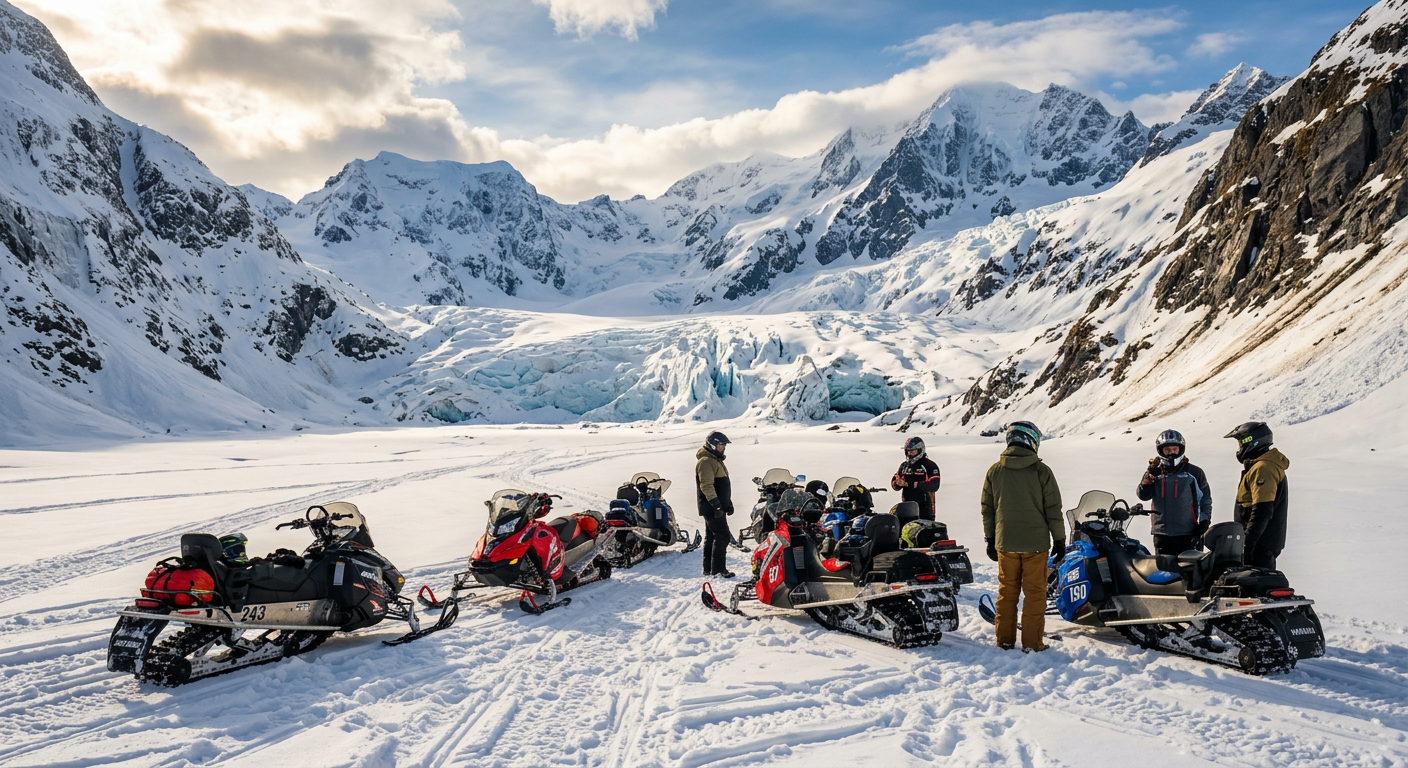
Unburned two-stroke exhaust coats the back of your tongue. You grip the heated handlebars while the treads chew through thick powder to reach your glacier hiking seward alaska basecamp. The valley floor blurs past at roughly thirty miles an hour. Your vision narrows to a tunnel of white flanked by charcoal-gray rock.
The guide signals the stop. The engine cuts out.
The resulting silence hits so hard it feels like a physical blow. The itinerary was built around swinging metal tools into frozen waterfalls. Most people assume that physical act is the whole point of glacier hiking seward alaska. I was wrong.
The ice is just the visual excuse required to get you out here. The real payoff is the vast emptiness of a frozen valley. Nothing alive makes a single sound.
The Reviews Miss the Point
The older one-star online reviews repeatedly complain about the miserable cold. They are right about the temperature, but they miss the point. At an elevation of a few thousand feet, the air hovers near single digits.
That number stops being a metric on a weather app. It becomes a hostile pressure against your face. But that bracing sting is the proof you need. This environment has not been sanitized for mass consumption. The heavy equipment you navigated through local outfitters is the only barrier keeping your core stable. You walk toward the blue wall. The mountain shadow overtakes the valley floor.
Why Trusting the Kenai Peninsula Forecast Will Burn You
Sea frost slicks the metal grating under your boots. You step into the harbor at dawn. The air smells of damp kelp. The wind off Resurrection Bay hits your chest with a low-pitched howl.
According to data from the National Weather Service Alaska, marine logs promised a mild breeze and empty clouds. I cannot prove the weather modeling apps are just guessing, but my gut says they are. A deckhand in a neon beanie tapes a rip in his jacket nearby. My phone screen shines with a cheerful little sun icon.
The local tourism board calls Seward’s microclimate "dynamic." That's polite PR spin for chaotic.
According to the U.S. Geological Survey, the overarching Harding Icefield spans hundreds of square miles. All that mass generates its own weather system. It howls down the exit valleys with a thrumming hum that sounds like an overworked industrial fan. A clear forecast down at sea level means nothing once you gain elevation for glacier hiking seward alaska.
The Bright Side of Bad Conditions
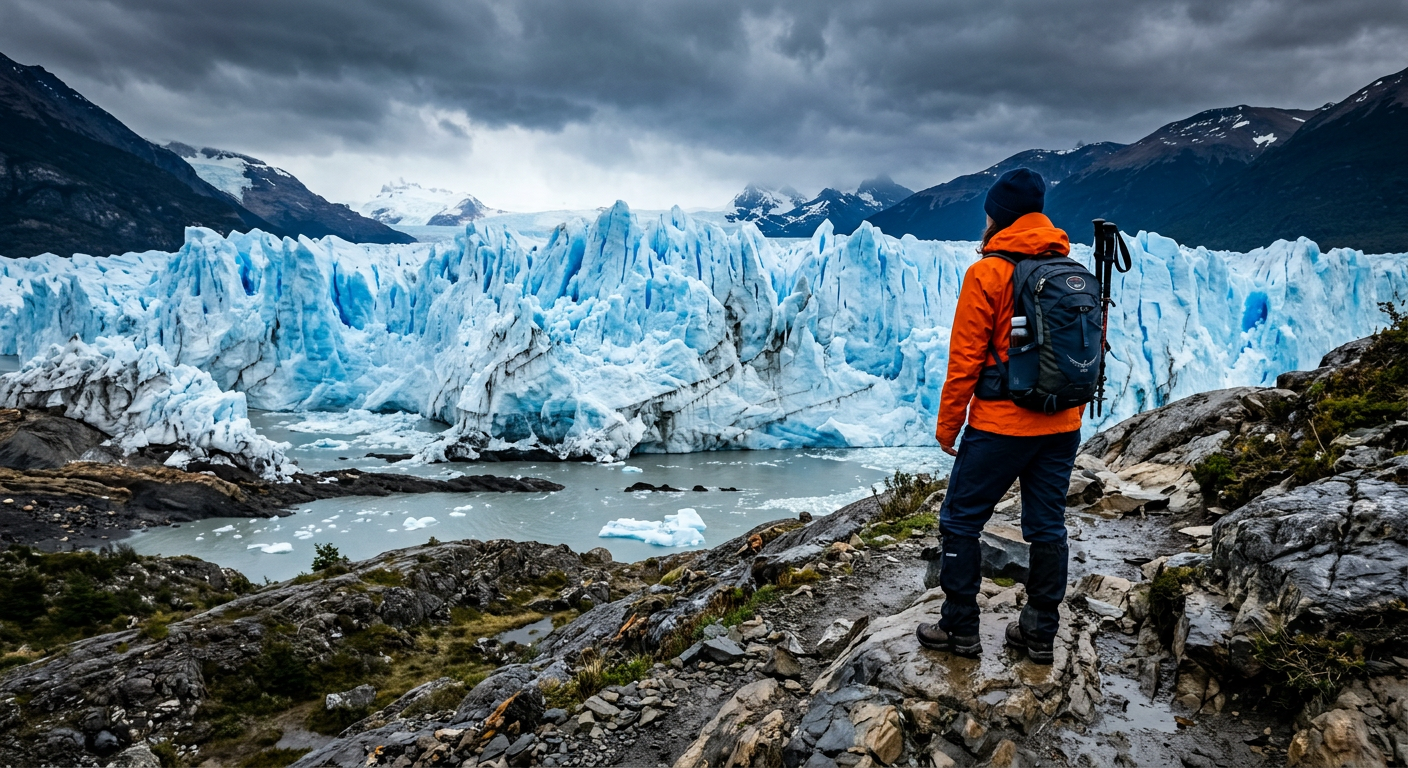
After finding myself stranded in sudden gulf storms for years, I thought I knew what volatile weather felt like. Alaska's freezing fog is a different beast. Unseasoned hikers often cancel their own adventures over a gloomy local forecast. Research is my love language; reality is my ex. I used to let bad weather win.
I was wrong about the rain out here. The harsh conditions are exactly what you want. Flat, gray light removes shadows and makes the compressed ice pulse with a radioactive blue.
The official gear shops will rent you waterproof outer shells. The reality is they soak through at the shoulder seams after twenty minutes. Bring your own Gore-Tex. Zip it all the way up.
The rain begins just before noon. It falls straight down, cold and fast.
I bought a cheap dry bag from a harbor kiosk. It failed at the clasp when I stuffed a fleece inside. My spare gloves smelled like sour river water for the rest of the day. When planning your Rockon Recreation Rentals itinerary for glacier hiking seward alaska, ignore the long-term outlook. Prepare for stinging sleet, dense fog, and lateral wind.
You hike a couple miles past the lateral moraine. The temperature drops fast. The gritty surface of the ancient ice crunches under your steel crampons. The discomfort feels like a fair price of admission.
We turned back when the sleet finally ruined the visibility. The wind shifted again. It buried our tracks as we walked away. Behind us, the ice settled into the whiteout, quietly surviving another season.
Plan your trip: Ready to experience this firsthand? Book Snowmobile-Access Ice Climbing directly through our marketplace.