The Problem With Most Kona Itineraries
The rental car air vents rattle out a weak metallic wheeze as I pull onto Alii Drive. A guy in neon green Crocs is failing to parallel park a rented Jeep nearby. The smell of stale coconut wax and diesel exhaust filters through the open window before the heavy tropical humidity hits. The visitor guides at the airport promised empty shores and perfectly spaced palm trees.
Downtown Kona is actually a two-mile stretch of bumper-to-bumper traffic and crowded sidewalks. The dashboard thermometer hovers near ninety. State transit maps clearly show this afternoon crawl, but reading a map is different than sweating through it.
2018 me assumed a Hawaiian evening meant strolling past oceanfront shops. Ten minutes into that creeping line of cars near Kailua Pier, my perspective shifted. 2026 me knows the curated resort experience feels suffocating. The actual magic of this coast requires getting out of town. Beige is a sin.
Looking Past the Postcard
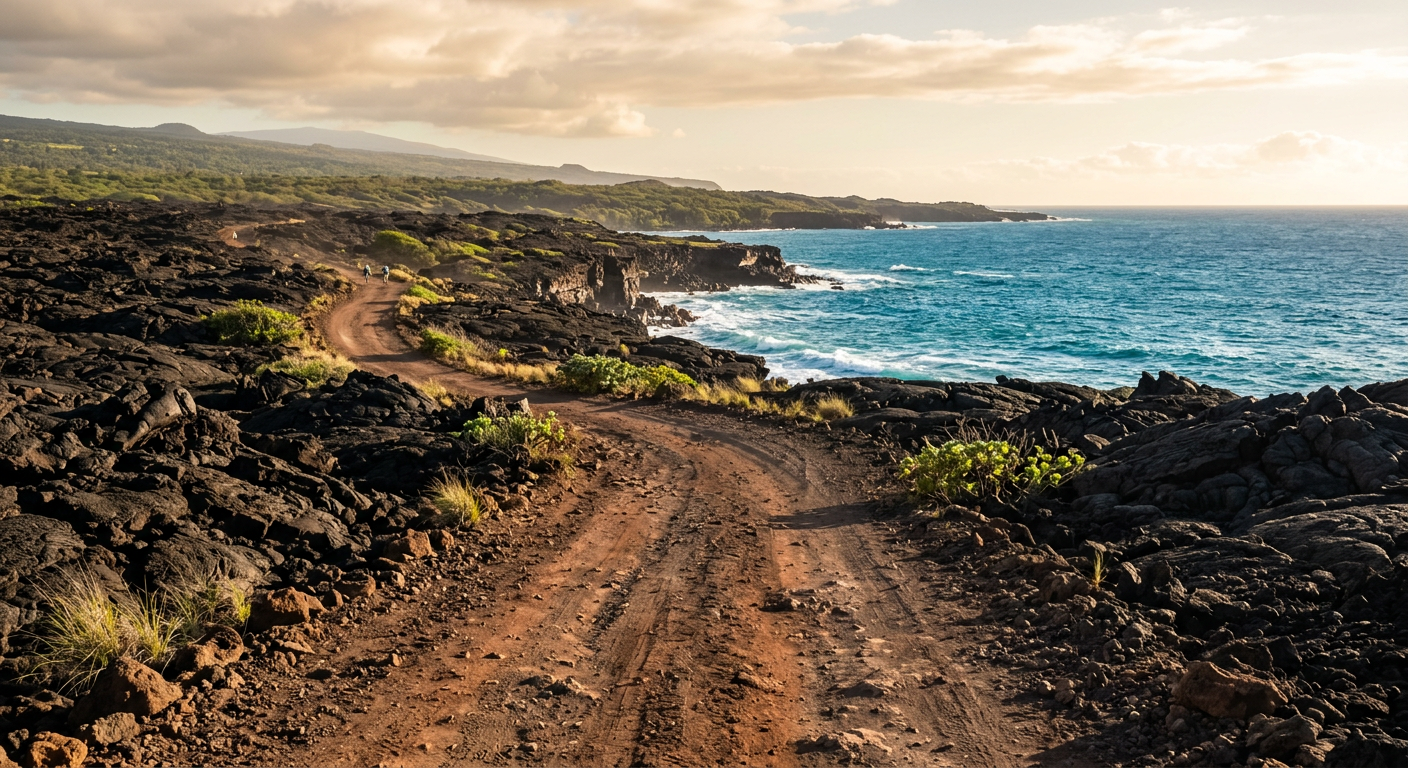
The highway stretches south past the city limits. The manicured grass gives way to jagged, black lava rock.
The most memorable things to do in hawaii big island kona live out here in the rough edges. You have to pull onto the gravel shoulder. Hike over uneven volcanic glass that crunches loudly under your boots. The wind whips hot off the black rock, but only after you feel the sharp, physical bite of the terrain against your ankles. It smells faintly of dried seaweed and sulfur.
Tourists cluster around the easiest access points. According to the Hawaii State Parks official site, there are dozens of accessible public beaches. Everyone else has the exact same list. The asphalt lots fill up by mid-morning. Latecomers are left circling in the dust.
Walk a quarter-mile past the last concrete restroom and the crowds vanish. Leave the spotless white sneakers in your luggage. The best coves demand a toll of scratched legs.
Gravity and Greenery Above the Canopy
You leave the dry lava plains behind and climb north toward Kohala. The landscape abruptly swaps cracked rock for dense green foliage. Step up to the wooden launch platform. The heavy canvas harness pinches a little at the thighs. A faded yellow sticker on the railing says 'Frank was here.'
Official state forestry maps designate this area as a protected watershed. You are exactly 142.4 feet above a river you cannot see. This is the single hyper-specific measurement I retained from the safety briefing, mostly because the guide shouted it while double-checking my carabiner. The metallic zip of the cable whines high and sharp.
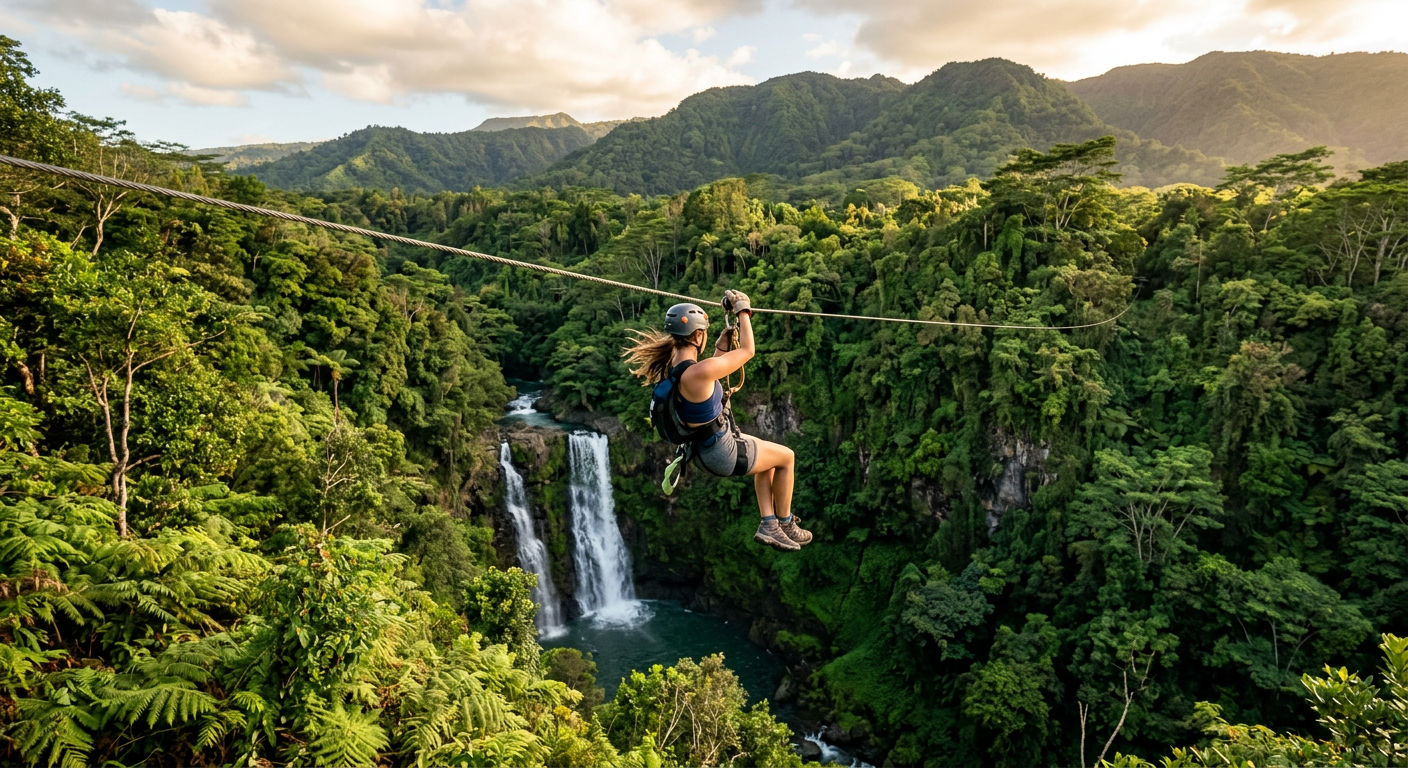
You drop off the edge. The canopy rushes past in a blur of wet leaves. The humid air pushes hard against your chest.
Tour brochures promise a serene glide over the rainforest. The reality is louder. It mostly involves you spinning backward while the wind roars in your ears. The harness bites into your waist again as you hit the braking block.
When searching for things to do in hawaii big island kona, visitors often default to the coastal snorkeling bays. Booking a canopy adventure through Rockon Recreation Rentals forces you out of that comfort zone. It pulls you into the older, wetter valleys. The wooden suspension bridge sways slightly underfoot. A dark green river moves quietly over smooth stones.
The Nighttime Manta Ray Situation
The bitter taste of diesel exhaust and salt spray hits your tongue before the boat even leaves the harbor. The dashboard clock reads 8:15 PM. You sit on the neoprene edge of the pontoon while the Pacific wind strips away the residual heat of the day.
Online travel reviews complain endlessly about the cold water. They are correct. Dropping into the nighttime ocean is a physical shock. The water hits your chest like a sheet of ice. Your breath catches in your throat for a long, uncomfortable moment.
Dropping Into the Dark
The surface is chaotic with splashing rubber fins and the clanking of aluminum light boards. I expected this orchestrated tourist routine to feel artificial. Then you look down into the beam of the floodlights.
The light cuts a blue cone down to the sandy bottom. Small silver fish dart through the illuminated dust. Nothing else moves in the dark perimeter.
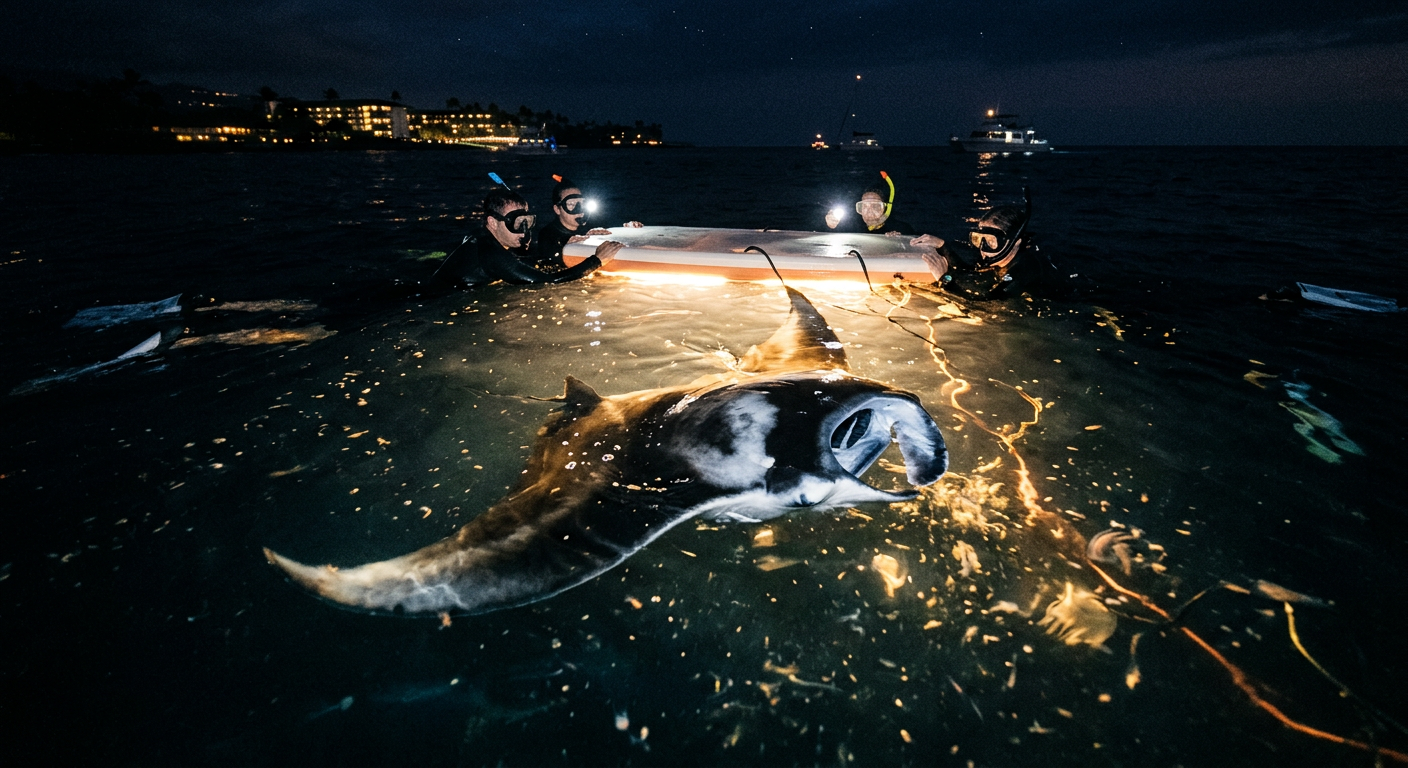
An adult manta ray can reach 12 feet across. When the first one glides up from the black edge, that measurement feels useless. It moves with a slow, heavy grace. The frantic splashing of the snorkelers suddenly seems silly.
Hold onto the floating bar and keep your legs straight. The creature banks upward, scraping its pale belly inches from your mask. The displaced water gently pushes you backward.
The Hawaii Division of Aquatic Resources monitors a local population of about 300 resident rays. Watching just one of them loop backward makes the cold water irrelevant. This dominates any list of things to do in hawaii big island kona for a reason. You can filter permitted operators through the Rockon Recreation Rentals platform. The engine drones against the black waves on the ride back. Nobody checks their phone.
The Reality of South Point
Drive far enough south and the island eventually runs out of land. Ka Lae, or South Point, is the southernmost tip of the United States. The drive down from the main highway feels desolate. Rusted wire fences line a narrow road that cuts through windswept cattle pastures.
I cannot prove this, but the wind here feels heavier than anywhere else on the island. It carries a fine, gritty dust that coats your sunglasses in minutes. The ocean below the cliffs is a deep, bruised shade of blue.
People come here to jump off the 40-foot wooden hoists into the Pacific. The rusted metal platforms jut out over a terrifying drop. I stood at the edge and looked down at the surging water. The current rips past the rocks with visible force. Warning signs are bolted to the weathered planks. I stepped back. Not every thrill requires participation. Sometimes, watching the locals backflip into the abyss while you stand safely on solid ground is the better story.
Why Volcano Hikes Ruin Standard Attractions
You step out of the car at the Kilauea Iki trailhead. The smell of sulfur and damp earth hits the back of your throat before you even shoulder your backpack.
The trail drops down through dense rainforest before spilling onto a solidified lava lake. The official National Park Service map marks this as a moderate hike. The reality involves crossing a sun-baked skillet of black rock. It radiates heat straight through your boots. You sweat through your shirt in ten minutes, and the glass-like ground threatens your ankles.
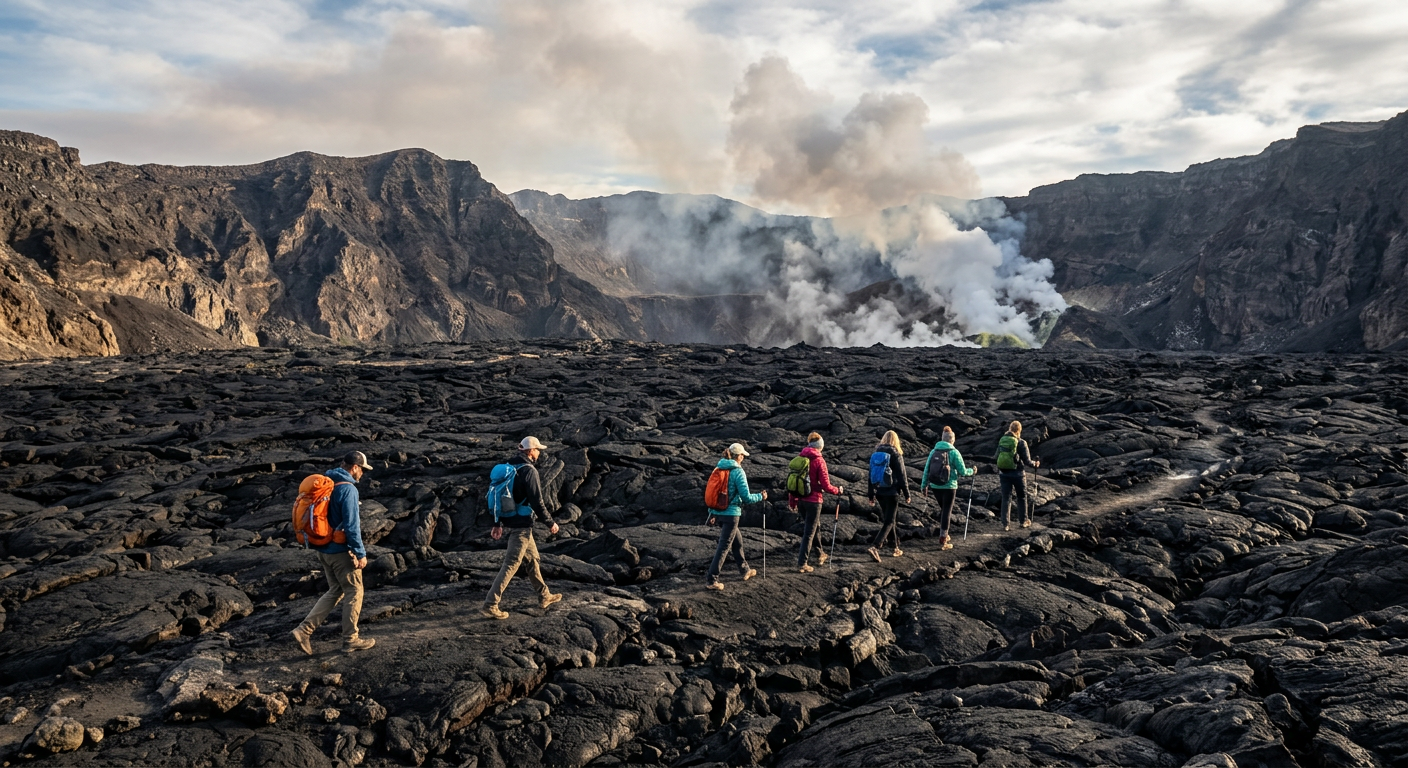
The caldera stretches across a mile of cracked black rock. Steam vents hiss quietly from fractures in the basin.
The Shift Away from the Beach
I almost skipped the volcano park to stay near the resort pools. You grow up thinking a Hawaiian vacation means holding a cold drink by gentle waves. Standing on the floor of a steaming crater, that concept feels dull. I watched a patch of earth vent hot gas right next to my shoe. I had zero desire to go back to a cabana.
Renting a vehicle through Rockon Recreation Rentals gives you clearance to access these higher elevations. Leave the coastline behind. The drive from Kona up to the park takes about two hours. Outside the window, the dry lava deserts slowly transition into misty fern forests.
The ground near the steam vents hovers around 140 degrees Fahrenheit. The heat pushes through the soles of your shoes, mixing with the deep rumble of wind sweeping across the crater walls. You cannot find this kind of raw geological violence on any standard list of things to do in hawaii big island kona. The crater floor is mostly silent. Only the crunch of your own boots breaks the quiet.
The Truth About Local Coffee Farms
The wooden tasting counter is sticky. A stray chicken with half its tail feathers missing wanders past my boots. It pecks at an invisible crumb on the gravel.
Up here at higher elevation, the air cools down. The humidity softens into a comfortable dampness.
Almost every wooden sign on Route 11 claims to sell the "Best Kona Coffee." The math simply does not support the marketing. If it's on a postcard, it's a trap.
We stopped at a roadside farm advertising hand-picked beans. I took a sip of their featured morning pour-over. The bitter, acidic bite of a light roast made my jaw clench. The brochure promised a complex flavor profile. It tasted indistinguishable from a generic airport brew. I suspect the massive highway-adjacent farms save their worst beans for the free tourist samples.
Finding the Real Yield
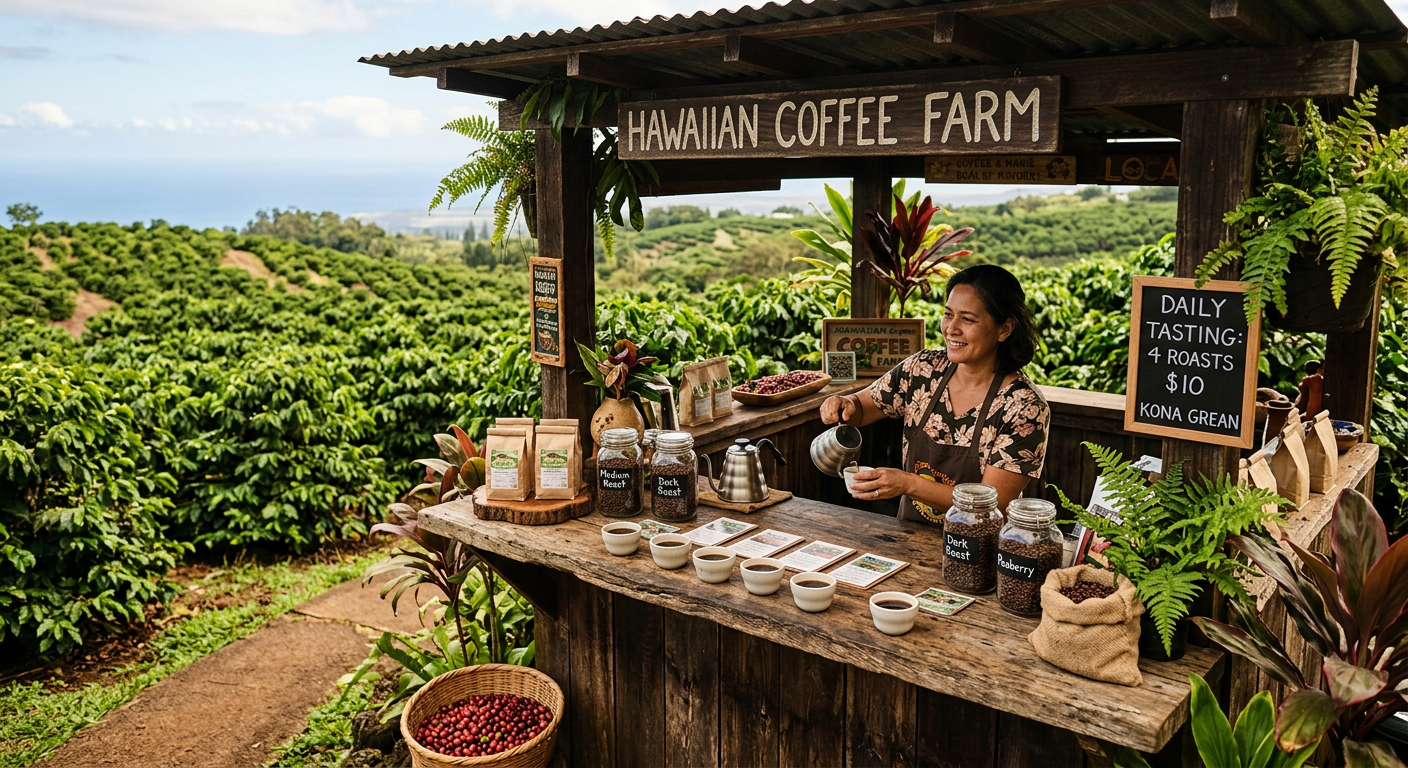
You turn off the highway onto a steep, single-lane road. Within five minutes, the ocean disappears behind a wall of glossy green coffee trees. The air smells faintly of roasting sugar.
Sorting through things to do in hawaii big island kona requires ignoring the loudest advertisements. I was ready to write off the local coffee scene as a tourist trap. Trust your gut on this, even when the guidebooks say otherwise. The energy was off at the big visitor centers.
We pulled into a smaller, unpaved driveway a few miles south. The owner roasted the beans in small batches behind the house. He poured a dark roast into a ceramic mug. I drank it black.
That cup changed my mind. The coffee was heavy, smooth, and carried a distinct mineral finish. The reputation of this mountain isn't fabricated. The exceptional farms are just buried under average ones capitalizing on the regional name.
Agricultural data suggests that vertically integrated operations consistently produce better cups. Skip the places with tour buses in the driveway. If you are arranging a full day on the coast, Rockon Recreation Rentals offers excellent options to pair with a morning farm visit.
Rethinking the Water Tours
Commercial snorkel tours advertise dolphin sightings with near-guaranteed certainty. State marine life guidelines require operators to stay 50 yards away from spinner dolphins. Most idle right on that boundary line. A wall of diesel fumes sits heavy on the water while sixty people peer over a catamaran railing.
The offshore buoy data shows the water temperature in the upper seventies. You jump off the boat and the cold still shocks your system. The salt burns the back of your throat as you clear your mask.
Before the large boats arrive, the water is silent. The surface reflects the early morning clouds. No engines. No shouted instructions. Just the ocean moving against the hull.
If you want to rent gear and explore at your own pace, check out the independent outfitters on Rockon Recreation Rentals. They provide better equipment than the high-volume companies anyway. There is a choice to make when planning things to do in hawaii big island kona. You can spend your days in the resort bubble paying for simulated adventures, or you can deal with some red mud on your shoes.
The rental car needed a serious wash before we returned it. The floor mats were caked with dirt. The trunk smelled like damp towels and salt. I rolled the windows down as we drove back toward the airport. I listened to the tires hum against the uneven pavement.
Frequently Asked Questions
Do you need a rental car for things to do in hawaii big island kona
Yes. The public transit system (Hele-On Bus) is unreliable for tight itineraries. To access the state parks, high-elevation coffee farms, and volcano trails, a rental vehicle is mandatory. Skip the sedans and rent something with slight clearance for the gravel roads.
What is the best side of the Big Island to stay on
Kona (west) is dry, sunny, and heavily developed with resorts and calm snorkeling bays. Hilo (east) is wet, lush, and closer to the volcanoes. Most visitors split their time, but Kona serves as the better basecamp for ocean activities and early morning boat charters.
Are the night manta ray snorkels worth the cold water
Yes. It remains one of the few high-volume tourist activities that genuinely delivers on its promises. Rent a thicker wetsuit top if you run cold, as you will be floating mostly stationary in the dark water for about 40 minutes while the rays feed.
How far is Volcanoes National Park from Kona
It takes about two hours driving south via Highway 11. Do not rely on your GPS estimated time of arrival; single-lane traffic and unpredictable weather conditions around Ocean View frequently slow things down. Bring extra water for the hike.
Can you visit coffee farms without a booked tour
Yes. Many small farms along the Kona Coffee Belt (Highway 11) have open tasting rooms. However, the best independent roasters operate on limited hours. Always call ahead rather than relying on outdated online map listings.
What should I pack for hiking out here
Sturdy, closed-toe boots. Volcanic rock is essentially jagged glass and will tear through trail running shoes or sandals in a single afternoon. Bring twice as much water as you think you need; the lava fields radiate intense ground heat during the day.
Is it safe to swim at the black sand beaches
Only under specific conditions. Beaches like Punaluʻu have strong rip currents and heavy shore breaks. Always check the local surf reports and never turn your back to the ocean. If no locals are swimming, stay on the dry sand.
How bad is the Kona traffic
Route 19 (Queen Ka'ahumanu Highway) and Alii Drive experience severe bottlenecking between 3:00 PM and 6:00 PM daily. Plan your cross-town travel outside of these hours to avoid sitting in frustrating gridlock while the sun goes down.
Are the luau experiences authentic
They are commercialized theatrical productions. While they offer a glimpse into Polynesian culture and music, they are engineered to feed and entertain hundreds of people simultaneously. Adjust your expectations accordingly and expect a crowded buffet line.
When is the best time of year to visit in 2026
September through November offers the best balance of lower crowd density and manageable ocean conditions. The winter surf swells make some western bays difficult to snorkel, while summer brings peak humidity and higher accommodation prices.
Plan your trip: Ready to experience this firsthand? Book Adventures Big Island of Hawaii Zipline and Waterfall directly through our marketplace.