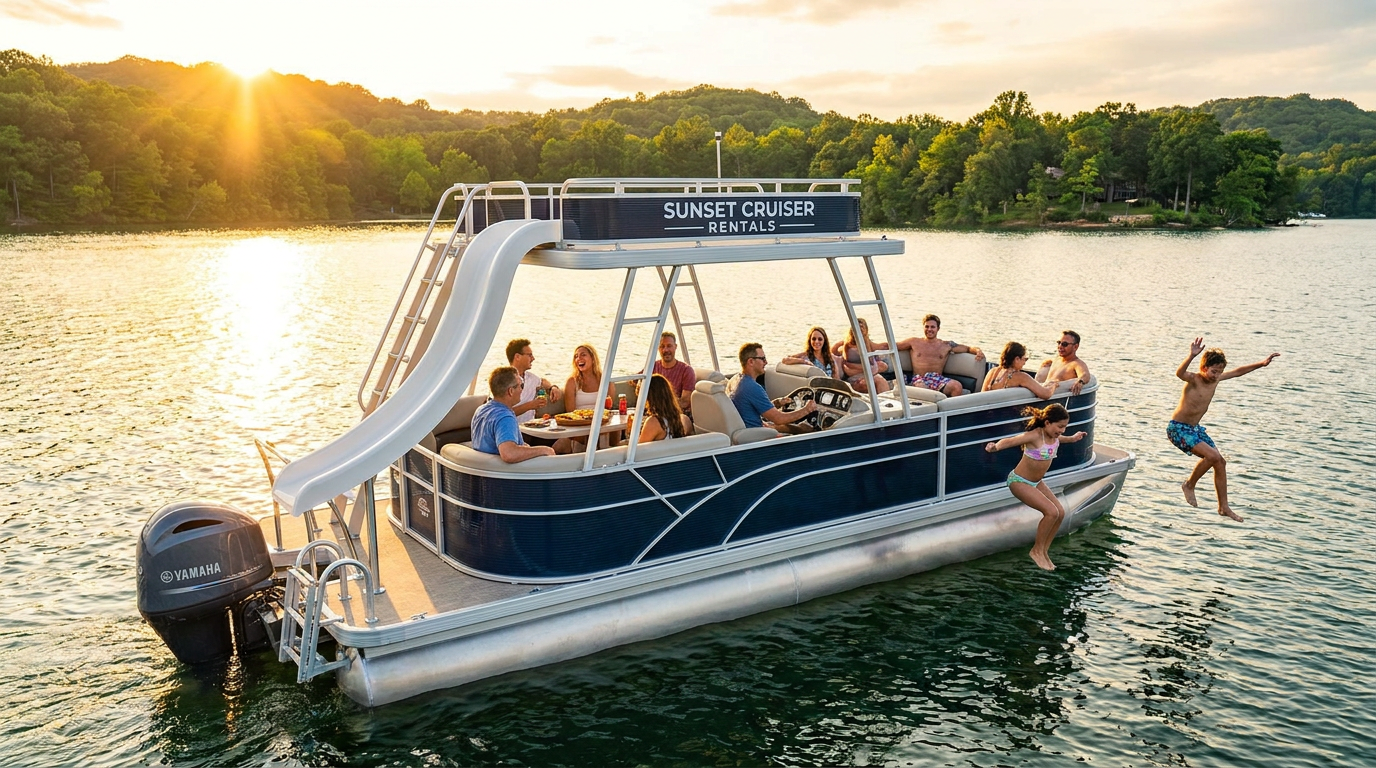
The Reality of Navigating the Ten Thousand Islands
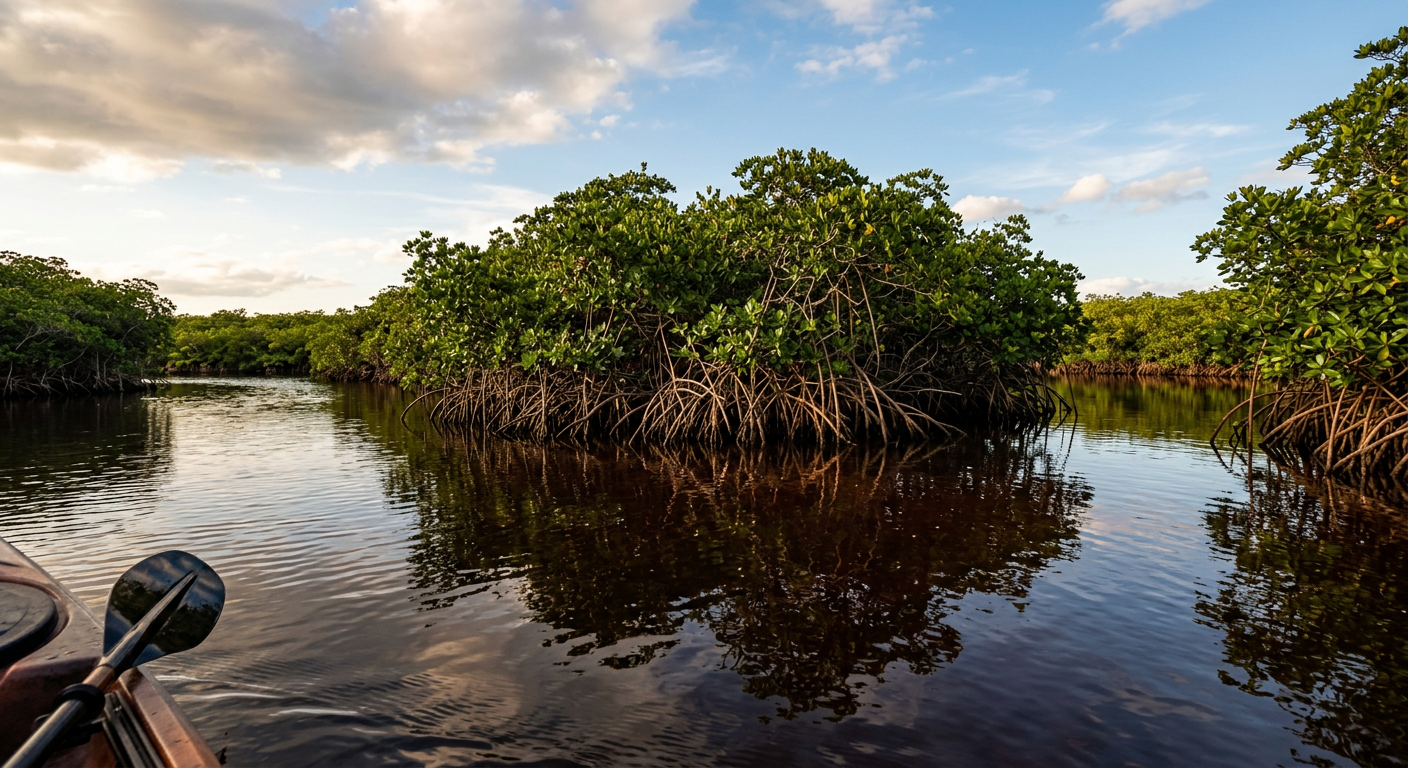
The humidity hits first. Drive five miles east over the small bridge separating Marco Island from Goodland, and the air immediately feels heavier, clinging to your forearms like a warm, wet towel. People searching for pontoon boats rent options usually default to the main island resorts out of habit. Don't. Launching from this working fishing village means within ten minutes, the manicured palms vanish into a chaotic, unbroken wall of mangrove roots. The water out here looks like steeped sweet tea, dark and opaque from tannins bleeding into the tide. The depth drops from six feet to six inches without warning. You find out when you feel the sudden, jarring shudder of your hull finding a submerged oyster bar. It smells like wet wood and ancient mud. That heavy vegetal scent settles in your clothes by the end of the day.
The Disappearing Signal
The National Park Service maps outline 35,000 acres of this coastal wilderness. It is a massive labyrinth that swallows cell signals roughly two miles south of the Goodland bridge. 2019 me used to view that isolation as a liability, checking a blank phone screen for bars just in case something went wrong. Sometime around noon on my third trip out this season in 2026, the quiet settled in. The dead zone is the actual point of coming out here. The silence is loud at first. Then you get used to it. The ping of group chats is replaced by the hollow knocking of an empty cooler sliding across the aluminum deck.
What the Brochures Leave Out
Marketing materials for Florida coastal trips show smooth water and smiling families. They skip what happens when the Gulf breeze stalls. Around 4 PM, the wind died down. The quiet was replaced by a localized weather event of gnats. Securing pontoon boats rent through Rockon Recreation Rentals guarantees deck space, but no booking platform packs your bug spray. You sit there, sticky with sweat, swatting at invisible insects while watching the sun sink behind the barrier islands. If it's on a postcard, it's a trap. It feels real here. There is strange comfort in a landscape that doesn't care if you are comfortable.
Why Goodland is the Best Launch Pad
Goodland is a fishing village that merely tolerates tourists. The local air tastes like a sharp, unfiltered mix of old bait, drying seagrass, and diesel exhaust from returning shrimp boats. According to 2026 county census data, fewer than 300 people live here full-time. That statistic feels believable when you stand in the empty marina parking lot at dawn. It is the kind of quiet that instinctively makes you lower your voice.
Bypassing the No Wake Zones
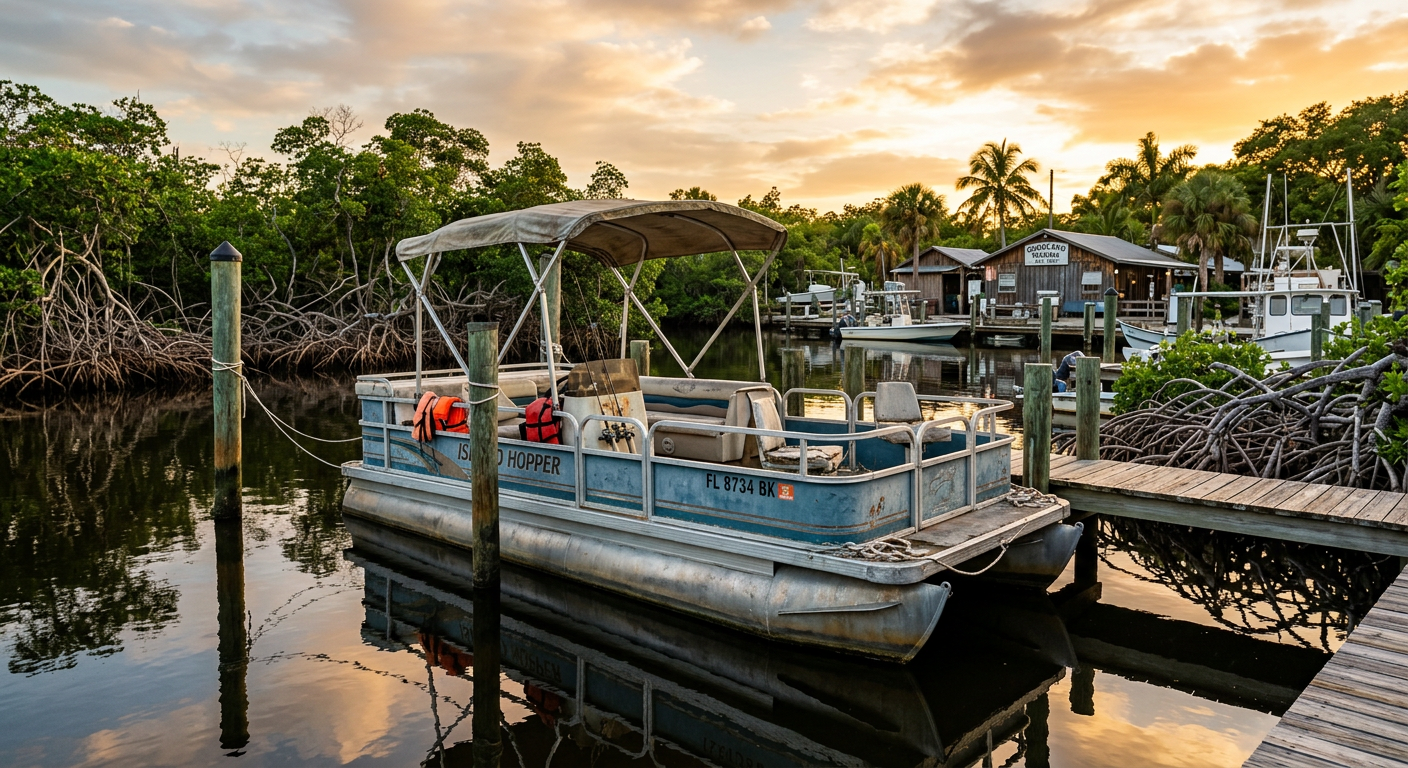
Local maritime charts reveal a massive volume of idle-speed zones surrounding the main Marco passes. Launching from Goodland cuts roughly 45 minutes of idling off the outward journey. The time saved is not about efficiency. It is about avoiding the creeping stress of navigating through narrow channels crowded with impatient yachts and rented jet skis. I stopped wanting to be where the action was. I slipped straight into the mangroves while the rest of the world was still queuing for iced coffee.
The Empty Concrete
The only sound at the Goodland boat ramp on a Tuesday morning is the rhythmic slapping of nylon ropes against metal poles. You do not fight for a parking space with families dragging beach umbrellas across hot asphalt. The local ramp fee is ten dollars, dropped into a rusted iron honor box. A guy in a faded Jimmy Buffett t-shirt leaned against an old pickup, staring at a scuff mark on his left shoe. It feels like a relic that the coastal development boom forgot to pave over. The only spectators are pelicans watching you load your gear.
The Smell of the Mangroves on a Low Tide
Cut the engine near a nameless mangrove island, and the exposed shoreline exhales a heavy, complicated scent. It is a mix of salt, decaying leaves, and rich black mud. It smells like something ancient slowly breaking down in the heat. It smells faintly of sulfur and rot. The heavy perfume clings to the vinyl seats of the boat.
I used to hold my breath when the water dropped, waiting for the tide to turn. By the third morning out here, sitting in the damp heat, I realized I was actually looking forward to it. That sharp, rotting smell means the baitfish are trapped in the shallows. It is an acquired scent, but it is the scent of a living place.
The Shifting Geometry of the Backcountry
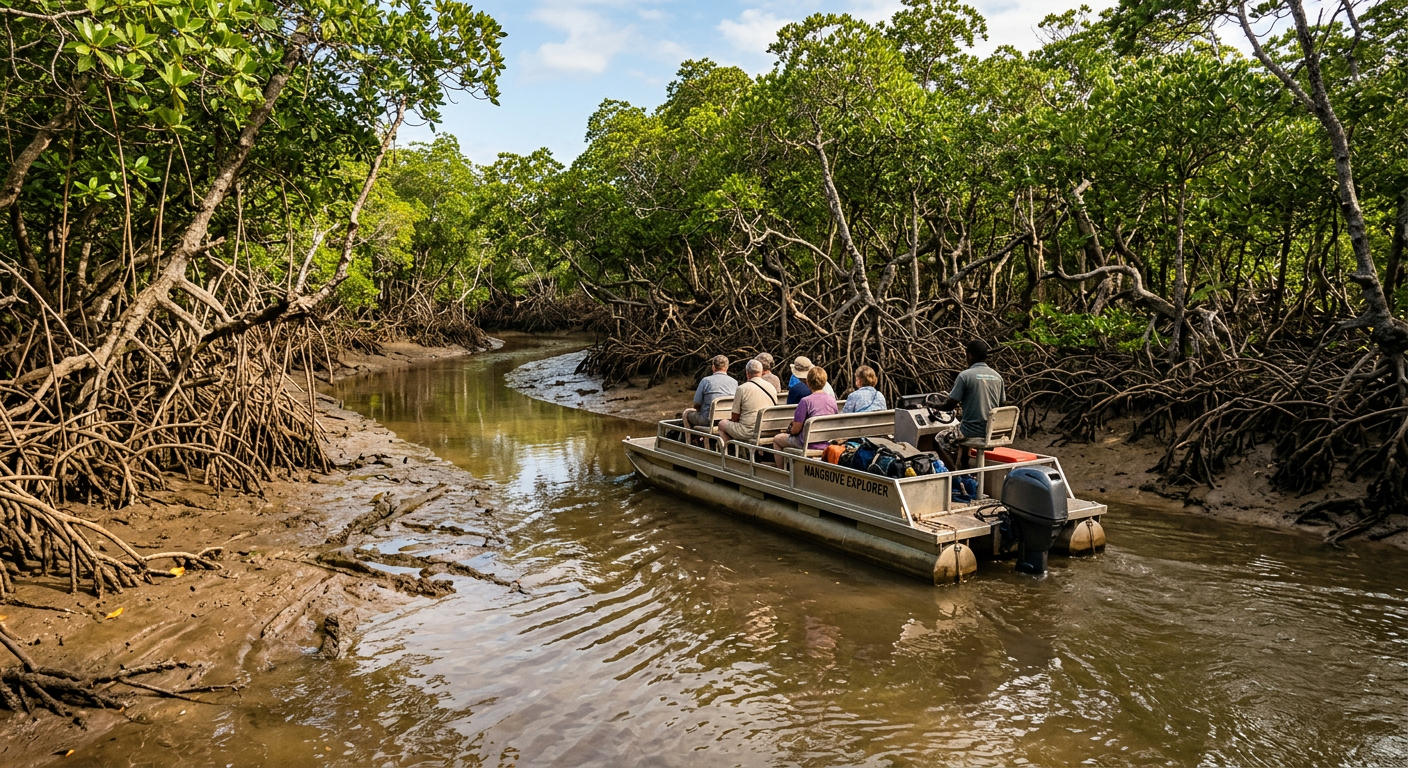
Navigating these backwaters requires humility. According to the U.S. Coast Guard navigation updates for 2026, the sandbars shift after every storm season. Last year's charts are useless now. I can't prove this, but I suspect the local maps are intentionally vague to keep the weekenders in the main channels. The depth finder on your console might read four feet, but the digital screen doesn't know about the new oyster bed that currents pushed into the pass last fall. You learn to read the water's surface instead, watching for subtle ripples that give away a sudden drop in depth. A guy at the Goodland marina replaces two propellers a month just from tourists misjudging the tide. Exploring pontoon boats rent options through Rockon Recreation Rentals gives you the platform's stability, which helps when the water gets thin. You still have to pay attention to the faded wooden channel markers. They lean at odd angles, bleached white by the sun. They offer the only reliable geometry in a landscape that changes its shape twice a day.
Avoiding the Weekend Sandbar Traffic Jam
The Second Chance Sandbar Reality
Drift toward Second Chance sandbar and the air tastes like hot fiberglass and stale beer. The water feels bathwater-warm against your calves as you hop over the side. The overlapping bass from four different boat stereos rattles in your chest.
Local tourism marketing promises a secluded Gulf coast oasis. The reality on a weekend is a floating tailgate party. There are roughly thirty boats anchored in waist-deep water here on a Saturday afternoon. The noise hits you like a physical wall. Go on a Tuesday if you want quiet.
Finding the Unnamed Shell Mounds
Satellite imagery on Google Earth shows dozens of small, unnamed shell mounds scattered throughout the passes between Cape Romano and Goodland. The best places are just the patches of white sand that do not have a name on the map.
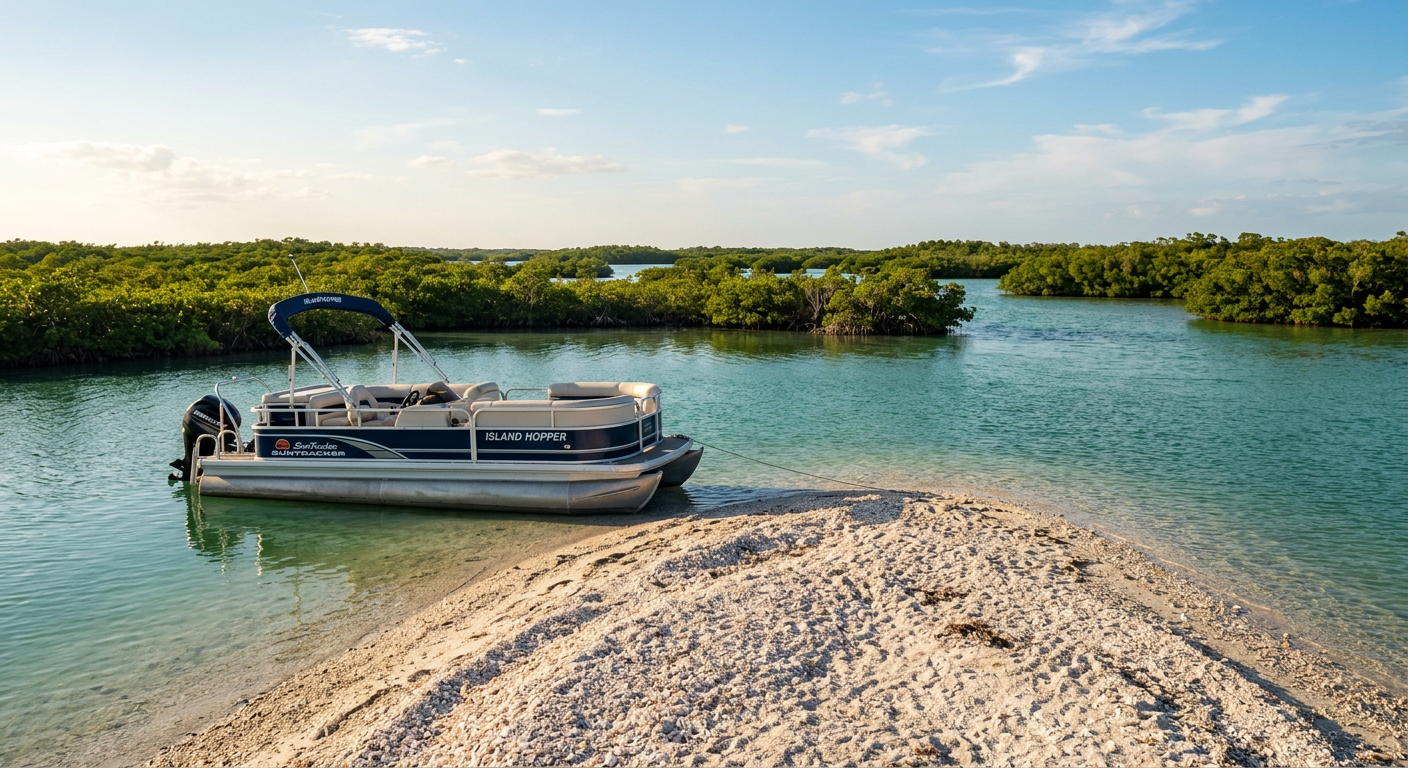
Step off the bow onto one of these unmarked spots. Your feet sink into a mix of crushed whelk shells and coarse sand. It is sharp underfoot. A stray hermit crab scurries over your toe.
Respecting the Outgoing Tide
Watch the tide carefully when you pull up to these mounds. The water drops about three feet during a six-hour cycle out here. That missing water turns a relaxed afternoon into a muddy trap.
Last month, a guy tried to push a heavy outboard off an exposed mud flat for exactly 42 minutes. The mud sucked at his shins like wet cement, dragging him down with every step. The tide always wins.
Reserving pontoon boats rent models through Rockon Recreation Rentals guarantees a low-draft vessel. Pontoons sit high on the water, which buys you an extra margin of safety in the shallows. You still need to check the NOAA tide charts before you turn the engine off. We pulled anchor and slowly idled back toward the channel just as the water started receding.
Gear You Actually Need for Excursions
Load your gear onto the deck at the Goodland marina. The vinyl seats feel sticky against your bare legs in the morning heat. Packing for a day on the water requires less equipment than you think. A standard twenty-foot pontoon gives you plenty of deck area. That space feels claustrophobic the second someone trips over a tackle box.
The Cooler Problem
Leave the large hard-sided cooler in your trunk. It takes up a quarter of your walking space. You will bruise your shins on it when you cross the deck to grab a stern line.
The marine store down the street sells soft-sided cooler bags. A soft cooler fits under the bench seats. This keeps the deck clear. Your shins will thank you.
Paper Over Pixels
Local nautical charts cover roughly 200 square miles of identical-looking mangrove clusters. Staring at that paper grid, you realize how easy it is to take a wrong turn. A wet smartphone screen is useless when you are trying to pinch and zoom your way out of a dead-end channel. The glass just smears the water around while the glare blinds you.
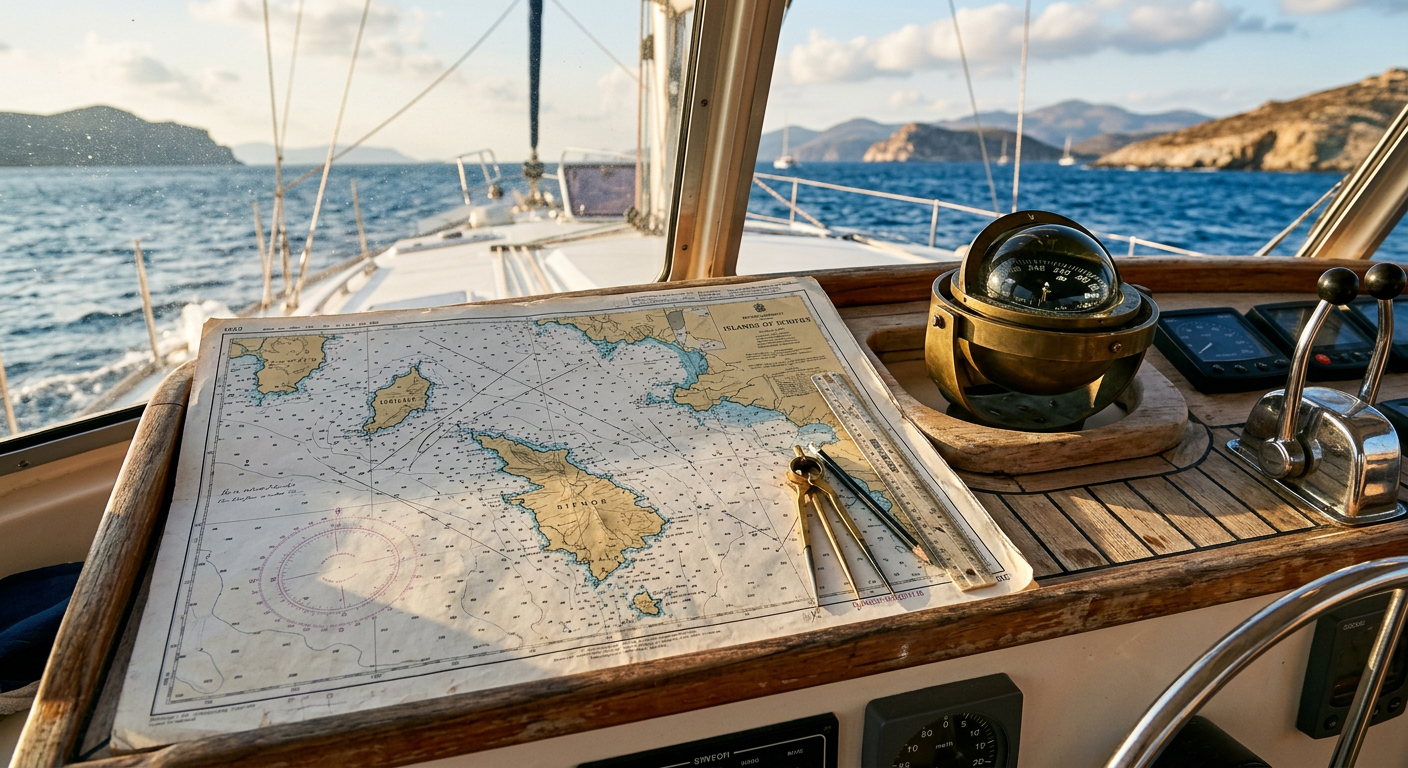
Digital map updates still show shallow oyster bars as deep navigable water. Trust the paper chart.
Seeing Through the Water
Buy polarized sunglasses. Regular lenses just darken the glare. Polarized lenses cut through the reflection so you can actually spot the submerged beds. The water here reflects the midday sky like a sheet of aluminum. Staring at it without the right lenses gives you a headache right behind your eyes within an hour.
When you finalize your pontoon boats rent setup, ask the dockmaster about the current tide. A good pair of glasses gives you about three seconds of warning to pull the throttle back before scraping a bank.
Wildlife Expectations versus Reality
Wildlife down here operates on its own schedule. If you browse local tourism boards, you might expect a choreographed nature documentary. The reality is much slower. It is hidden just beneath the murky surface. You have to adjust your eyes.
The Unpredictable Dolphins
According to 2026 data from the Florida Fish and Wildlife Conservation Commission, hundreds of bottlenose dolphins live year-round in the Ten Thousand Islands. They are unimpressed by you. You idle your engine, waiting for the perfect shot, and the surface stays flat. You put your phone away to open a turkey sandwich, and three of them breach ten feet from your port side.
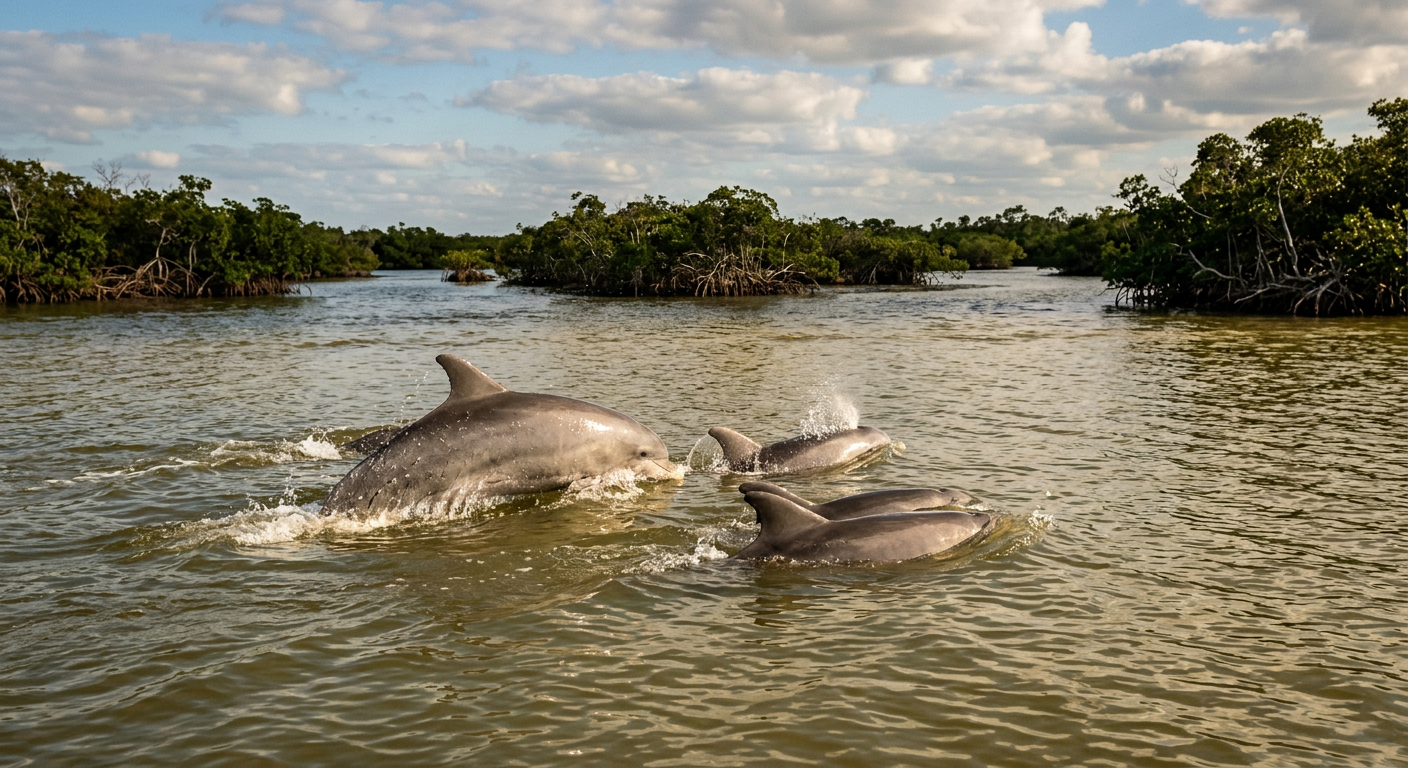
You hear the sharp, hissing exhale before you see them. Then you see the slick, grey curve of a dorsal fin breaking the surface. Keep your camera in your bag.
Manatees and Mud Trails
FWC migration reports note that manatees congregate near warmer coastal shallows from November through March. Passing a mature manatee feels like drifting over a submerged minivan that occasionally breathes. They look exactly like floating grey boulders. If you see a flat, circular swirl on the water's surface, that is a manatee footprint. Cut the engine and drift. Pontoons sit high on the water. This makes it easier to spot the submerged shadows.
The Shark Question
The Gulf of Mexico holds bull sharks, blacktips, and nurse sharks. 2018 me expected every shadow to be a threat. Now, I understand that a 22-foot aluminum pontoon is simply not relevant to a blacktip hunting mullet.
You notice the sturdy deck rails. The sharks do not care about your boat, and the rails keep you safely out of their way. The air smells like hot salt and crushed shell. You are just a loud shadow passing overhead.
Logistics of Returning the Boat
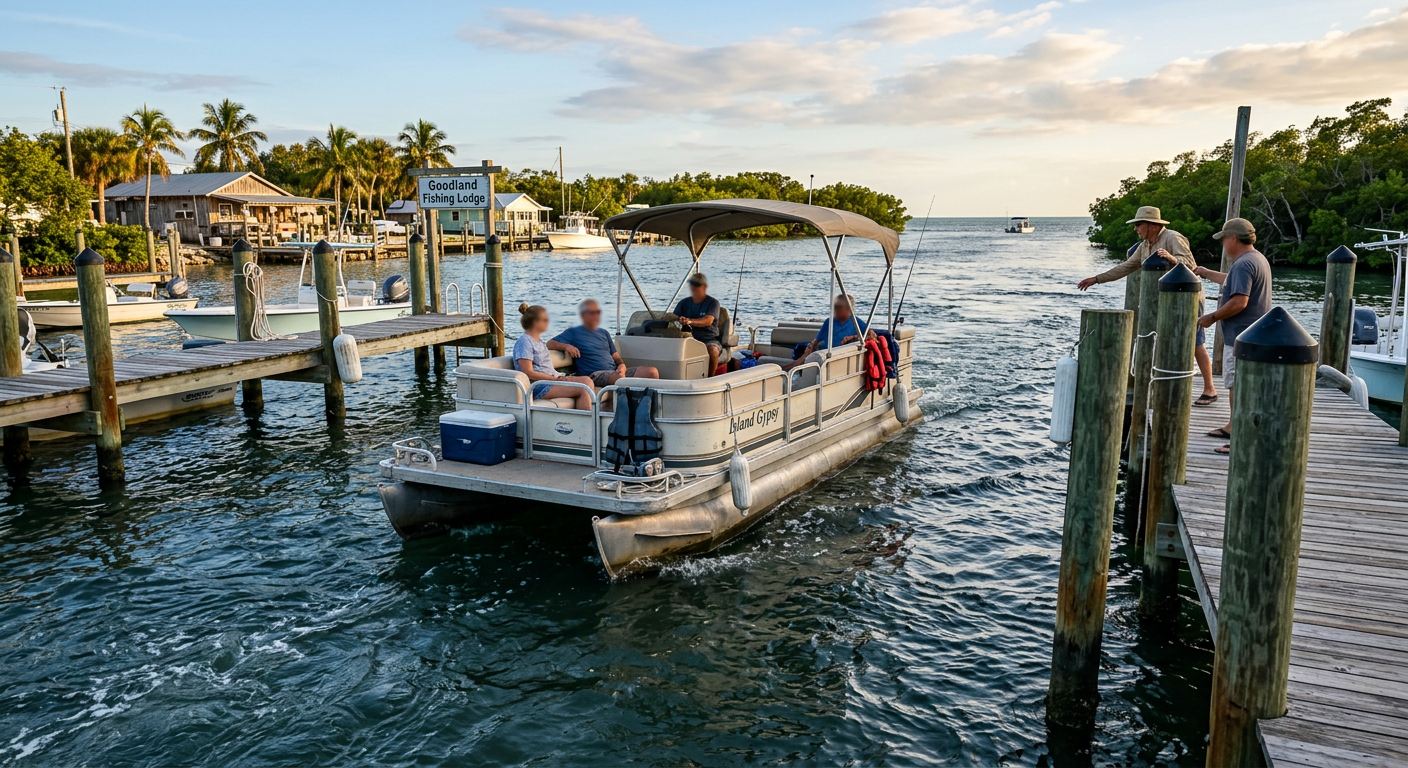
The tide gauge at the Goodland bridge reads three feet. The water moving past the concrete pilings hisses against the barnacles, dragging a trail of seagrass toward the Gulf. The rental agreement says docking is straightforward. It is not. The cross-current here turns an aluminum tube into a giant metal kite.
According to the NOAA 2026 tidal charts, the outgoing tide moves through this bottleneck fast. You grip the steering wheel, knuckles white, trying to feather the throttle to match the flow. The steering feels loose and heavy all at once.
Why Everyone Fails the First Attempt
The official marina map shows a wide turning basin. The reality is a narrow alley of expensive yachts. The guys in the neon shirts at the marina actually threw a line. They patiently talked me through the reverse pivot. We bumped the rubber piling hard on the second try. The boat finally stayed put. I killed the engine.
We returned the vessel with a few minutes left on the reservation. My hands smelled like gasoline and nervous sweat.
The Only Acceptable Post-Docking Routine
Step off the aluminum deck onto the wooden planks. The ground feels like it is still swaying under your feet. Stan's Idle Hour is about a hundred yards from the main slips. The air inside smells like fried grouper and spilled beer. The plastic chairs are sticky. The bathroom door doesn't quite latch right. It is still the best place to sit after fighting the Goodland current. The boating forums insist you should approach these slips at an angle. The forums are half right. The ice clinked against the side of my glass. We left the boat tied to the pilings as the afternoon storm rolled in.
Plan your trip: Ready to experience this firsthand? Book Private Adventures in Goodland Florida directly through our marketplace.