Why Understanding the Shallows Changes Your Entire Fishing Trip
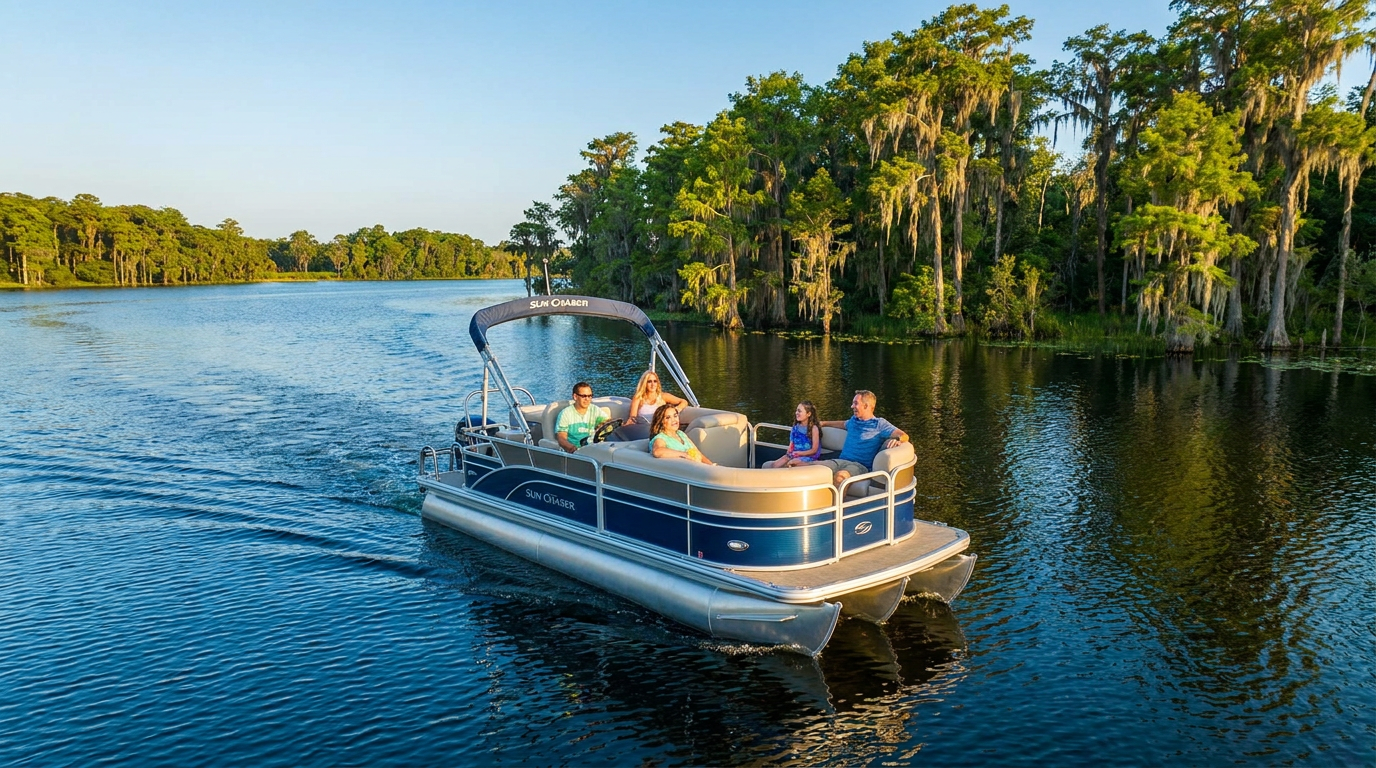
The morning starts with the smell of old earth and live shiners from the bait bucket. You ease the throttle forward, feeling the heavy aluminum pontoons push back against the dark, tannin-stained water of Lake Harris. The lake does that slow, rhythmic slosh against the wooden marina pilings. Mount Dora sits quietly on the eastern edge of the Harris Chain. Out here, with the outboard engine humming and the Spanish moss fading into the early haze, the scale of this place shifts. A blue heron watches from a rusted channel marker. The guy at the bait stand is wearing a faded neon visor from a 1998 golf tournament. The water dictates everything. You just have to learn how to read its surface.
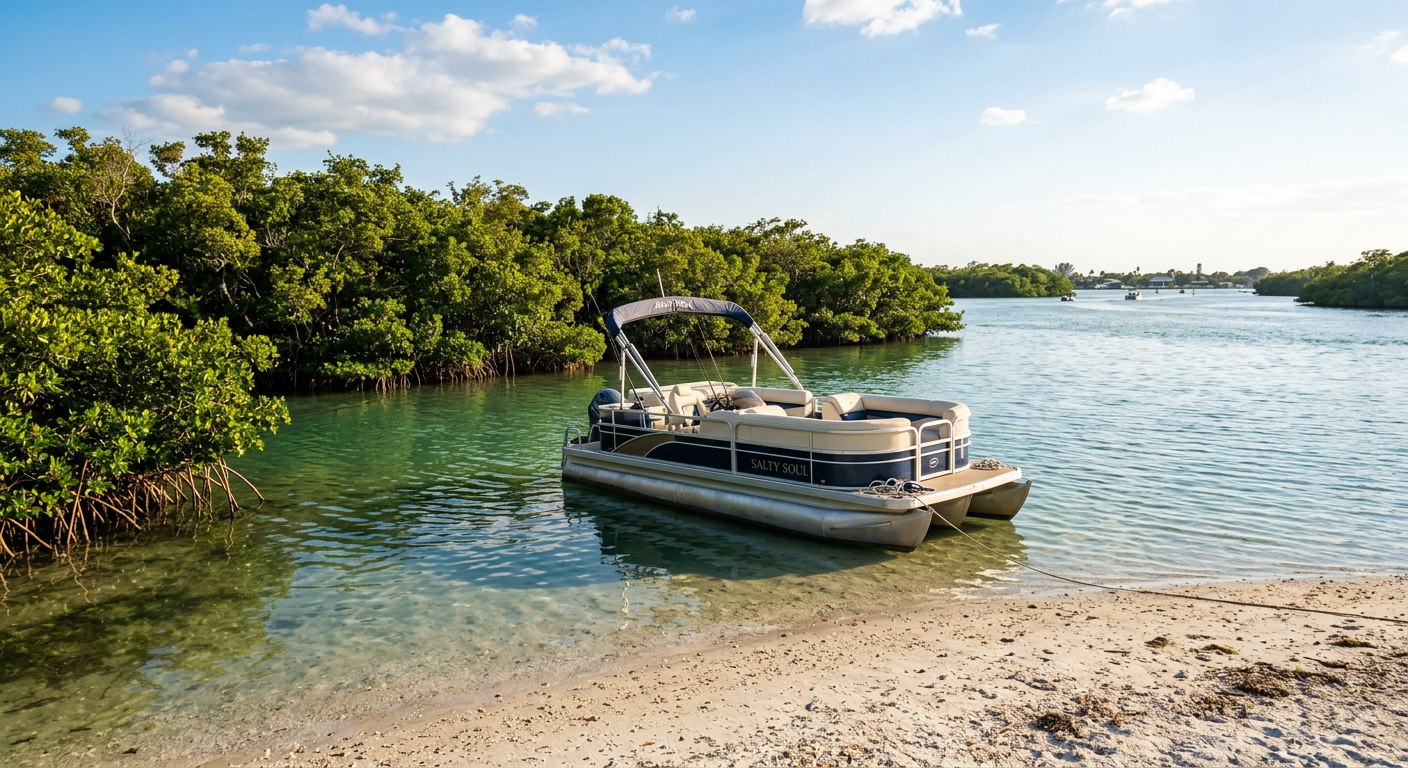
Most anglers assume a half-day fishing boat adventure requires a low-profile bass skiff. That is the glossy magazine version of reality. Big, shallow lakes get restless. The afternoon wind chop on Lake Eustis hits a flat aluminum underbelly with a hollow thud. It vibrates right up your spine. The 2018 forums swore the middle of the lake was where the trophy largemouth lived. 2026 catch reports from the Florida Fish and Wildlife Conservation Commission show consistent yields near the canal structures instead. The canal is not a highway. It is a neighborhood. The ancient cypress tree line blocks the wind. The quiet settles over the boat like a heavy blanket.
Why Reading the Stumps Matters for Your Lower Unit
Last season, a first-time boater ignored the channel markers. They veered near a grassy bank on Lake Griffin. They saw the soft hydrilla and assumed the water was clear underneath. By the time they tried to reverse, the lower unit was scraping a submerged cypress knee. That sound makes your teeth ache. They sat there for three hours waiting for a local tow service.
Sitting anchored near the edge of the canal right now, the air feels thick. The humidity clings to your arms. The gentle rocking lulls you into a trance. The distance back to the busy marina is barely a mile. I don't think I will head back out to the open water today. Dragging a plastic worm through the lily pads right here is enough.
Why a Pontoon Works Better Than a Skiff for Half-Day Trips
You step onto the flat aluminum deck. The metal gate clanks shut. The difference from a standard fiberglass skiff is immediate. You do not have to balance your weight. I used to think these boxy vessels were sluggish living rooms built for tourists searching for pontoon boat rentals central florida who wanted to avoid real navigation. The slow push of the metal tubes isn't a flaw. It is an invitation to stop rushing toward a destination that doesn't matter.
You sink into the captain's chair. The vinyl material is already sticky and warm from the morning sun. According to 2026 United States Coast Guard recreational boating reports, pontoons maintain the lowest incident rates of any motorized vessel class. Safety translates to steady silence out here.
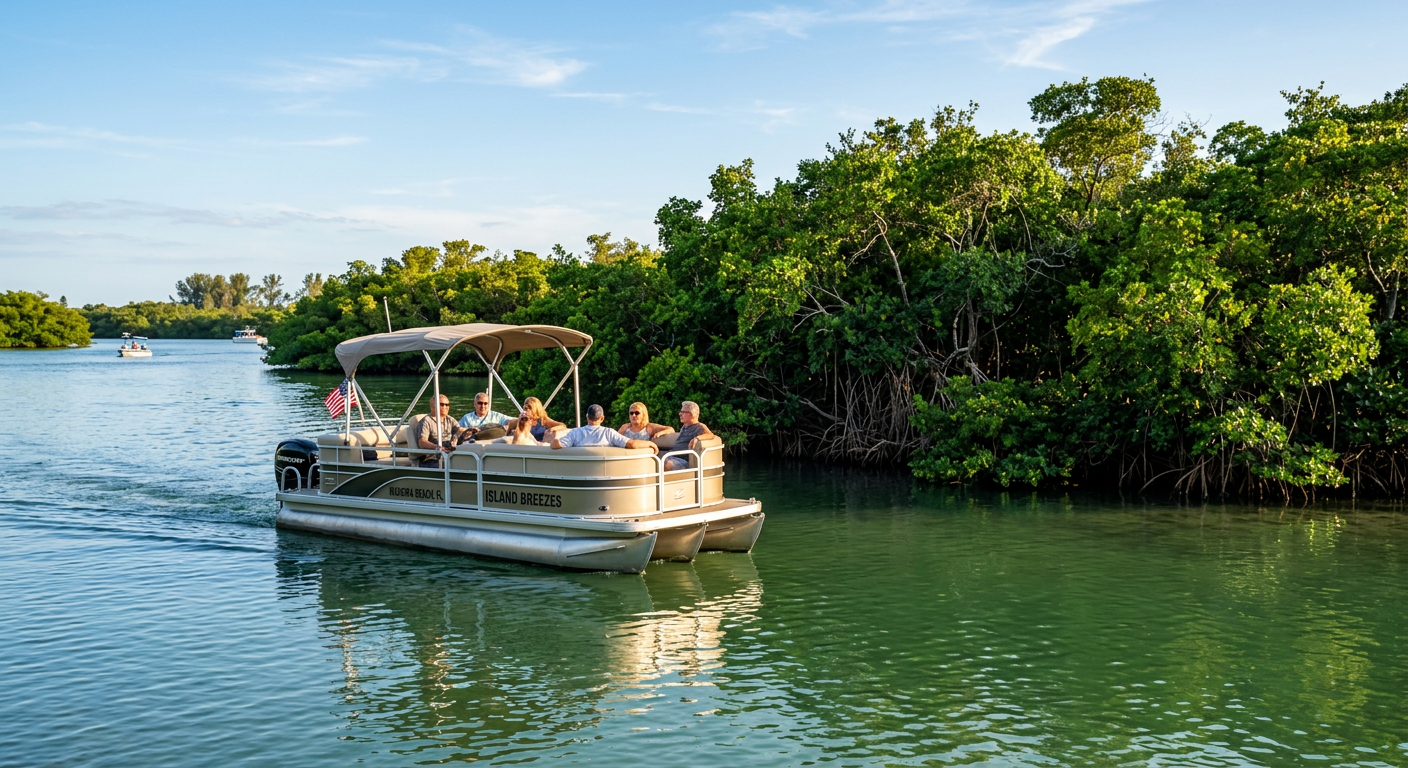
Every weekend at the Mount Dora docks, groups arrive with expedition-level gear for a half-day rental. A guy in neon green Crocs is loading three rotomolded coolers and a folding table. People use the extra square footage to bring their shoreside anxiety onto the water. A half-empty deck is the only real luxury. It gives you room to swing a casting rod without hooking your partner's hat.
Why Packing Light Improves the Ride
The marina on a late July morning feels heavy. Motor oil and exhaust settle over the wooden docks. The deck floor is slick with a thin film of morning dew. The real trick to your trip is bringing half of what you think you need.
Here is what you actually need to bring:
- One small cooler for water and snacks.
- A reliable sun shirt.
- Polarized sunglasses to read the dark water for submerged logs and schooling baitfish.
- Two medium-action rods rigged with weedless plastics.
Let nervous boaters take the wide bow loungers. You secure quiet solitude behind the helm of your vessel from Rockon Recreation Rentals. It takes about forty minutes of drifting before the urge to check your phone fades.
This article was editorially reviewed by Greg Faucher. He writes about travel and outdoor experiences for Rockon Recreation Rentals, a Visit Florida official tourism Travel Partner since 2018 — long enough to know that a glossy brochure usually means you should probably check the weather radar first.
Why Fishing Over High Aluminum Railings Challenges You
Lake spray dries tight across your lips. You lean your forearms against the bow railing. A wake from a passing bass boat rocks the deck. Your line pulls tight against the submerged hydrilla. Pontoons are not purpose-built fishing machines. That high railing creates a canyon you cannot easily cross with a standard landing net.
I watched an angler lose a massive largemouth bass on Tuesday because he could not maneuver under the aluminum gate in time. When you finally pull a speckled perch over the rail, cold lake water drips onto your bare feet. The deck suddenly feels purposeful. The 2026 FWC catch regulations require careful measurement, and the wide pontoon deck makes laying out a bump board simple.
The Pivot Moment
I used to view fishing from a pontoon as a compromise. I expected to hate the clumsy layout and the high wind profile. I changed my mind during a quiet morning in a protected cove on Lake Dora. The realization hit when I saw three traditional bass boats fighting the current to hold their position near a deep drop-off. I just dropped the pontoon's twin anchors and sat down. Catching a fish over these high railings requires a longer rod and a steady hand, but the stability is unmatched. You are fishing from a floating dock. It completely reframes the half-day rental from a chaotic scramble to a slow, methodical hunt.
Why the Rental and Licensing Process Requires Patience
The heavy scrape of a boat being pulled from the water rattles the rental office windows. You stand at the counter waiting for a clipboard. The standard rental agreement here spans exactly 412 words of dense print. You sign your initials, feeling the paper's weight. I doubt anyone reads the clause about propeller damage.
Florida law requires anyone born after January 1, 1988, to hold a safety card to operate these vessels. According to the FWC, you can take a temporary test right at the desk. You stare at a laminated quiz while the morning quiet burns off outside.
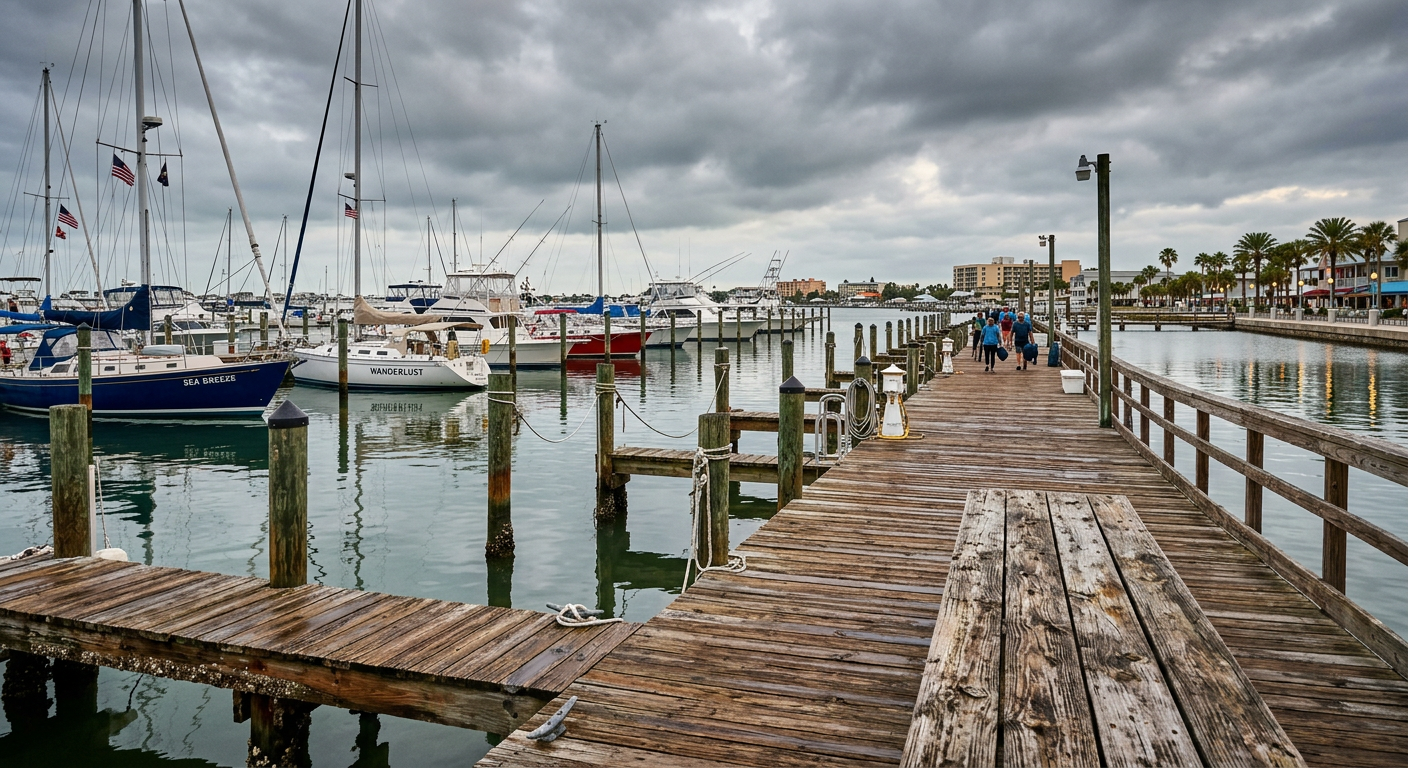
The dockhand walks you down the wooden pier. His boots thud against the damp planks. He points out the fire extinguisher and specific channel markers for navigating through the lock systems. I used to think these walkthroughs were liability theater. They aren't. They are telling you a story of other people's failures. When they warn you about the stumps near Monkey Island, they are remembering the guy they towed off them last Tuesday.
Returning the keys is when hidden fees usually materialize. You stand there with sweaty skin looking at a fifty-dollar cleaning levy for lake weeds. In 2026, those mystery charges appear often. Reserving pontoon boat rentals central florida through a reputable platform like Rockon Recreation Rentals avoids this. Their VisitFlorida Travel Partner status means pricing does not wait in the shadows. You pay the agreed rate and walk away.
Why Timing the Weather is Your Best Tackle Strategy
If it's on a postcard, it's a trap. Sunset cruises on open lakes are on all of them. The reality of Central Florida summer afternoons is a sudden drop in barometric pressure. The wind shifts. That low, distant rumble of thunder travels straight into your chest. You ease back on the throttle. The sky turns from a brilliant blue to the color of bruised iron in minutes. That shallow lake catches the wind, creating short, steep waves that slam into the pontoon.
2018 me ignored the radar. I thought summer storms were just passing showers. 2026 me knows the trick is timing. Get on the water around eight in the morning on a Tuesday. The lakes are empty except for local bass fishermen. The navigation apps mark the clear channels. It is good. Not beige-travel good. Just good. You need to watch the NOAA National Weather Service — Florida sky here. Always.
The Afternoon Retreat
The steering wheel is hot to the touch. By one o'clock, the taste of stale marina coffee is a distant memory, replaced by the sharp scent of ozone in the air. The atmosphere changes fast. A realization hits you out here in the middle of Lake Eustis: you don't actually want to cross the lake. The goal is to duck into a shaded cove, drop an anchor, and let the afternoon storm pass you by while you sit under the bimini top. The noise of a heavy downpour on an aluminum roof is a wall of sound. It is surprisingly relaxing. Plan your route so you are near sheltered fishing holes by mid-afternoon.
10 FAQs for Central Florida Pontoon Fishing
Why do I need a boating license in Florida?
Florida law mandates that anyone born after January 1, 1988, complete an approved boating safety course to operate a motorized vessel of 10 horsepower or more. Marinas typically offer a temporary certificate test when you arrive for your rental.
Why is a pontoon boat good for fishing?
While they lack the low-profile agility of a bass skiff, pontoons provide an incredibly stable platform. The flat deck allows multiple anglers to cast simultaneously without rocking the boat, and there is ample room for tackle boxes, bump boards, and coolers.
Why do morning fishing trips yield better results here?
Water temperatures in Central Florida spike by midday. Largemouth bass and crappie are most active in the cooler, low-light hours of the morning. Furthermore, morning trips help you avoid the severe afternoon thunderstorms that roll through daily in the summer.
Why should I avoid bringing a massive cooler on a half-day trip?
Heavy items throw off the balance of the boat, especially if stored entirely on one side. A small cooler with just water, sandwiches, and bait keeps the deck clear and prevents the vessel from listing, which affects how it handles wind drift while fishing.
Why are submerged stumps a hazard on the Harris Chain?
These inland lakes are generally shallow and bordered by ancient cypress forests. The trees have extensive, submerged root systems known as "knees." Straying outside the marked navigation channels puts your pontoon's lower unit at immediate risk of striking hardwood.
Why is the Dora Canal better for beginners than open lakes?
The canal is heavily protected from winds by a dense canopy of old-growth trees. It offers flat water, straightforward navigation, and shelter from the rough chop that develops on larger bodies of water like Lake Harris.
Why is landing a fish difficult over pontoon railings?
The high perimeter fences on a pontoon mean you cannot easily bend over the side to grab the lip of a bass. You generally need a landing net with an extended handle, or you must carefully lift smaller catches entirely by the line over the aluminum gate.
Why do prices vary so much between inland marinas?
Independent operations sometimes advertise low base rates but add hidden fuel surcharges, mandatory insurance fees, or cleaning levies for lake weeds at checkout. Booking pontoon boat rentals central florida through an established partner ensures transparent, upfront pricing.
Why do I need polarized sunglasses on lake water?
Polarized lenses cut the harsh glare off the water's surface. This allows you to spot shallow sandbars, submerged logs, and patches of thick hydrilla before you drive into them, and helps you sight-cast to moving fish.
Why should I use navigation apps on Central Florida lakes?
The Harris Chain consists of interconnected lakes relying on specific, narrow canals and lock systems to move between them. A marine app keeps you safely inside the dredged channels and helps you locate sudden drop-offs where fish congregate. These tools are as essential as checking the Florida Department of Environmental Protection maps or the National Park Service — Florida guidelines for protected areas.
Plan your trip: Ready to experience this firsthand? Book Half Day Fishing Boat Adventure in Florida directly through our marketplace.