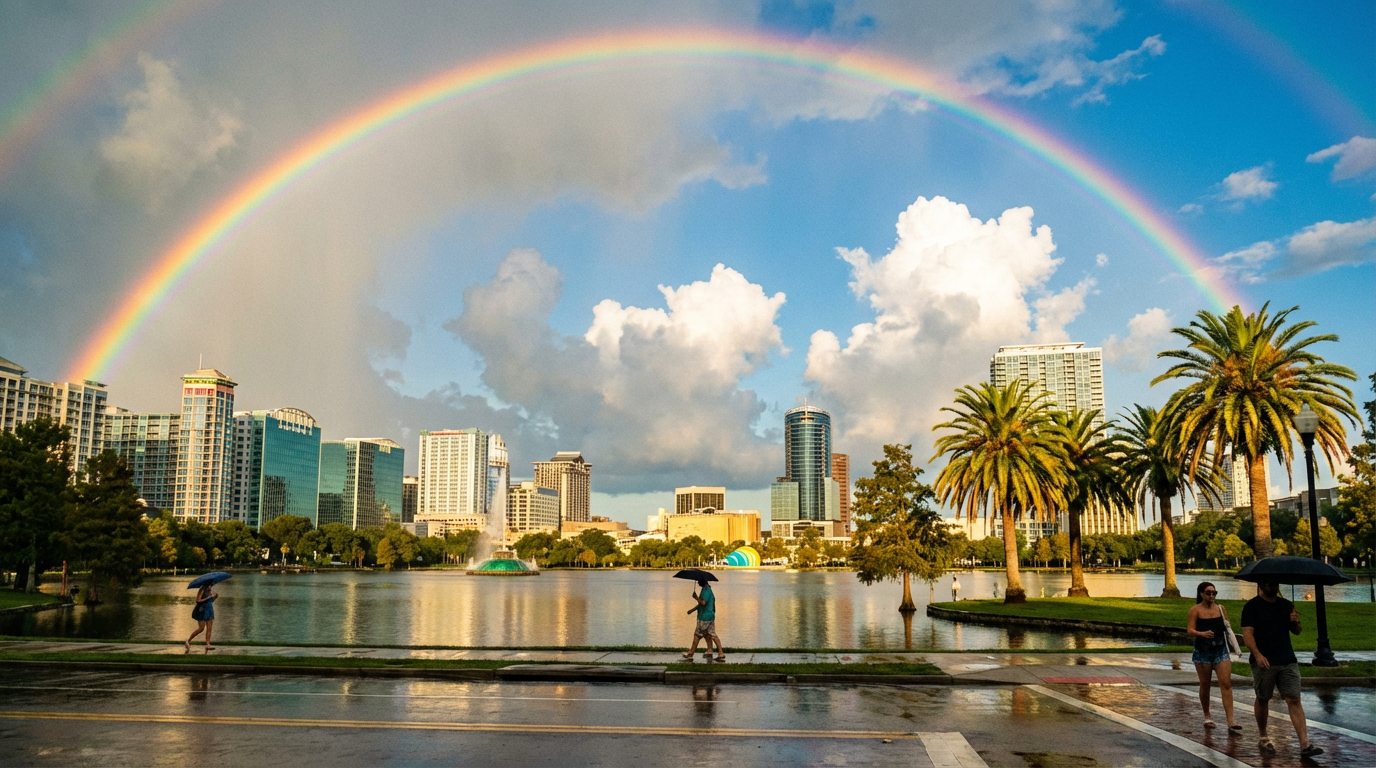
Understanding the Distinct Wet and Dry Seasons in Central Florida
Navigating unpredictable Orlando weather is often the biggest challenge for travelers arriving in the Sunshine State expecting traditional seasons. While many visitors anticipate a standard spring or winter, the subtropical climate of Central Florida operates on a simpler binary rhythm. To master your itinerary and ensure your outdoor adventures with Rockon Recreation Rentals are successful, you must look beyond the calendar month.
You need to understand the two primary phases that dictate life in the region: the dry season and the wet season. This climatic shift is driven not just by temperature, but by humidity levels and precipitation frequency. Understanding how Orlando weather oscillates between these two extremes is the first step in planning a seamless trip. Whether you are looking to kayak down a crystal-clear spring or tear through muddy trails on an ATV, the local climate will dictate your gear and your timing.
Characteristics of the Dry Season
Stretching roughly from October through May, the dry season is often regarded as the most comfortable time to visit. During this extended period, lower humidity levels strip away the sticky atmosphere associated with the South. The air feels lighter, and the sky is often a piercing, cloudless blue.
For outdoor enthusiasts, this is the golden window for activity. You can enjoy energetic pursuits like hiking, biking, and long days at theme parks without the constant threat of heat exhaustion. Temperature fluctuations are apparent during this time. While days remain pleasantly warm—averaging in the 70s and low 80s (Fahrenheit)—cold fronts can cause nighttime temperatures to dip, requiring a light jacket.
According to data from the Florida Climate Center, rainfall is infrequent during these months. This allows visitors to book outdoor excursions with high confidence against rainouts. This predictability makes the dry season the peak time for tourism as travelers seek refuge from northern winters, knowing the Orlando weather will likely be cooperative.
What to Expect During the Wet Season
The atmosphere shifts dramatically from June through September. This marks the arrival of the wet season, defined by high heat and oppressive humidity. It also brings a very predictable meteorological phenomenon: the afternoon thunderstorm.
As the sun heats the Florida peninsula, rising warm air collides with sea breezes from the Atlantic and Gulf. The result is the rapid formation of storm clouds that unleash torrential downpours. Travelers should not view the wet season as a total washout, but rather as a time requiring strategic timing to work around the erratic Orlando weather.
Mornings are usually sunny and hot, making them ideal for water sports. The National Weather Service frequently issues advisories regarding lightning during these summer months. It is vital to seek indoor shelter immediately when thunder roars. Additionally, the wet season overlaps with the Atlantic hurricane season, meaning checking Orlando weather forecasts becomes a daily necessity for safety.
The 2 PM Rule for Thunderstorms
A specific survival strategy employed by locals is known as the "2 PM Rule." During the wet season, the likelihood of precipitation spikes drastically in the mid-afternoon. If you are planning an open-air activity, such as a Self-Guided Silver Springs Kayak Adventure, you should aim to be off the water by 2:00 PM.
Typically, the sky will darken between 2:00 PM and 3:00 PM, followed by a violent but brief downpour that can last until 5:00 PM or 6:00 PM. Structuring your day to have lunch or indoor shopping during this window allows you to maximize your time without getting soaked.
Month by Month Guide to Orlando Weather Patterns
To truly optimize your trip, it helps to drill down into the specifics. General seasons give you a broad idea, but the nuance of Orlando weather changes almost monthly. Here is what you can expect throughout the year to help you book the right adventure.
January and February
These are typically the coldest months. While freezing temperatures are rare, morning frosts can occur. This is the driest part of the year, making it perfect for hiking or dry-land activities where you want to avoid sweating. Water activities are best reserved for midday when the sun is highest.
March and April
This is the sweet spot for many travelers. The chill of winter fades, replaced by days in the high 70s and low 80s. Humidity remains low, and rain is scarce. This is widely considered the best Orlando weather for kayaking and camping.
May
May acts as a transition month. You will feel the heat building and the humidity creeping up, but the daily thunderstorms haven't fully set in yet. It is a great "shoulder" month to get summer vibes without the peak summer storms.
June
The kickoff to the wet season. June brings the first consistent wave of humidity. Temperatures regularly hit the 90s, and the "2 PM Rule" starts to become relevant. The landscape lushness peaks as the rains return, making nature tours visually stunning.
July
July is statistically one of the hottest months. The heat index is often in the triple digits. Early morning activities are non-negotiable here. If you aren't in the water or enjoying a breeze on a fast-moving Dune Buggy, the heat can be stifling.
August
Similar to July but with added tropical moisture. August is deep into hurricane season, so the air feels heavy. The storms can be more intense, but the evenings often cool down nicely after a heavy rain, offering a steamed-clean atmosphere for dinner.
September
September remains hot and is statistically the most active month for tropical activity. Keep a close eye on the forecast, as Orlando weather can be influenced by storms in the tropics. Crowds are often lower, offering a trade-off for the risk.
October
The humidity finally breaks in mid-to-late October. This month offers warm days and pleasant evenings, often cited by locals as the most relieved time of year. It is perfect for all-day outdoor events.
November and December
The year concludes with a return to the dry season. November brings crisp air, while December can see chillier nights. This cycle completes the year, returning to optimal conditions for all-day outdoor fun without the need for constant hydration breaks.
How Weather Impacts the Condition of ATV Trails vs Water Sports
Orlando weather does more than just dictate what you wear; it physically changes the terrain of your adventure. Understanding these shifts can help you choose the right vehicle or vessel for the day.
Impact on ATV and Off-Road Trails
During the dry season (winter and spring), trails are dusty and loose. You will want goggles that seal tight against fine particulate matter. The riding is faster but can be slippery due to the sand.
Contrast this with the wet season. The afternoon rains pack the dirt down, creating "hero dirt"—soil that offers incredible traction for cornering. However, it also creates massive mud pits. For many, this is the highlight of an ATV Rental & Guided Tour. If you want to get dirty, book immediately after a rain shower. If you prefer to stay clean, stick to the dry months.
Impact on Springs and Waterways
Rainfall affects water clarity and flow. In the dry season, springs like Silver Springs are glass-clear, perfect for Clear Kayak Rentals. The water level is lower, and the flow is gentle.
In the wet season, heavy rains can wash tannins (natural organic matter) into the rivers, turning them a darker, tea-colored hue. While still beautiful, visibility into the depths may decrease. However, the higher water levels can make paddling downstream easier and allow deeper access into cypress swamps that are otherwise dry.
Navigating the Reality of Heat and Humidity in Central Florida
While the calendar might suggest a mild day based on a thermometer, the reality of the atmosphere is often more intense. The density of the air here can come as a shock to visitors accustomed to dry heat. To safely enjoy high-energy activities like kayaking or ATV riding, it is vital to understand that Orlando weather involves a complex relationship between heat and moisture.
The Critical Difference Between Air Temperature and Heat Index
One of the most common mistakes travelers make is planning their day solely based on the air temperature. In a subtropical climate, the "dry bulb" temperature is only half the story. The metric that truly matters for safety is the Heat Index.
The National Weather Service defines the Heat Index as a measure of how hot it really feels when relative humidity is factored in. For example, if the air temperature is 90°F but humidity is 70%, the Heat Index soars to 105°F. This difference is substantial enough to shift a safe excursion into a risky situation if you aren't prepared for the intensity of Orlando weather.
How High Humidity Hinders the Cooling Process
To understand why the heat feels so oppressive, look at how the body regulates temperature. When you paddle hard against a current, your body generates heat. To cool down, your body perspires, relying on evaporation to dissipate that energy.
High humidity effectively breaks this cooling mechanism. When the air is saturated with moisture, it cannot absorb sweat from your skin. Consequently, your internal core temperature rises. This creates a physiological strain that makes the heart work harder, leading to fatigue much faster than expected.
Indoor Backup Plans When Lightning Strikes
Even the best-laid plans can be interrupted by a severe thunderstorm. Since Orlando weather can turn electric quickly, having an indoor "Plan B" ensures your vacation momentum doesn't stall.
If you are near the attractions, utilize the covered outlet malls or explore the sprawling resort lobbies which often feature indoor atriums. For a more culturally enriching backup plan, consider visiting the local science centers or history museums which provide hours of air-conditioned entertainment.
If you have booked an outdoor adventure with Rockon Recreation Rentals, check the operator's specific rain policy. Many have covered waiting areas where you can relax, hydrate, and wait for the cell to pass—usually in less than 45 minutes—before heading back out to enjoy the cooled-down air.
Packing Essentials for Every Season
Successfully navigating the Sunshine State requires a strategic approach to luggage. Travelers often underestimate the intensity of the subtropical climate. Because Orlando weather can pivot from scorching sunshine to downpours in an afternoon, your gear must be versatile and high-performance.
The goal is to remain comfortable and mobile. This applies whether you are traversing a theme park or paddling through the headwaters of the Everglades on a Florida Airboat Safari.
Selecting Breathable and Protective Apparel
High humidity renders heavy cotton fabrics useless. Prioritize moisture-wicking synthetic blends or high-quality merino wool. These materials pull perspiration away from the body, helping regulate your core temperature when the Orlando weather spikes.
Clothing also acts as your first line of defense against the sun. The Skin Cancer Foundation recommends garments with a UPF rating. Equally important is your rain strategy. Avoid plastic ponchos that trap heat. Invest in a lightweight, breathable rain jacket with vents, which is essential for surviving a summer downpour without overheating.
Footwear for Wet and Muddy Terrain
In Orlando, wet ground is an inevitability. Heavy leather hiking boots are generally overkill and become unbearably hot. Instead, opt for amphibious footwear or adventure sandals that secure firmly to your feet.
Experts at Travel + Leisure highlight the importance of drainage in water-friendly shoes. Look for mesh uppers that allow water to flow out freely. For excursions like swamp walks, shoes that stay secure are non-negotiable—flip-flops are a recipe for disaster in the mud.
Visual Clarity and Skin Defense
The Florida sun is deceptive; UV rays penetrate with high intensity even on cloudy days. A bottle of broad-spectrum sunscreen (SPF 30+) should be in your pack. The CDC advises reapplying every two hours. Do not overlook eye protection. Glare reflecting off water can be blinding. Polarized sunglasses are essential gear. By filtering out horizontal light, they allow you to see beneath the water, helping you spot wildlife despite the glare associated with Orlando weather.
Navigating Hurricane Season and Protecting Your Visit
For many, "hurricane season" conjures images of ruined vacations. However, with proper preparation, traveling during this period leads to fantastic experiences. The Atlantic hurricane season runs from June 1 through November 30.
Understanding the nuances of Orlando weather during this time is crucial. The season typically starts quietly. According to the NOAA, mid-September is historically the most active time. Travelers booking trips during late summer should simply stay informed rather than avoid the destination entirely.
The Inland Advantage
A persistent misconception is that Central Florida faces the same risk as coastal cities. Geography is on Orlando's side. Located roughly 50 miles inland, the region benefits from a natural buffer that weakens storms before they arrive.
The U.S. Geological Survey notes that storm intensity degrades rapidly over land. While the area experiences wind and rain during major events, direct devastation is rarer than sensationalized news suggests. A storm might interrupt plans for a day, but rarely results in total cancellations for the duration of a trip.
Why Travel Insurance Is Critical
Despite geographical advantages, we recommend protecting your investment between August and October. Unpredictable shifts in Orlando weather can lead to cancellations even if a storm does not strike directly.
You must purchase insurance before a storm is named. Once named, it becomes a "foreseeable event" and is no longer covered. Forbes Advisor suggests looking for "Cancel For Any Reason" (CFAR) upgrades for maximum flexibility.
Conclusion and Final Thoughts
Mastering the unpredictable nature of Orlando weather is not about avoiding the elements, but about respecting and adapting to them. From the crystal-clear skies of the dry season to the dramatic, cooling storms of summer, each phase offers a unique way to experience Florida's diverse ecosystem.
By packing the right gear, understanding the difference between heat and humidity, and keeping an eye on the tropics during the fall, you can turn potential weather disruptions into memorable adventures. Don't let a forecast scare you away from the thrill of the outdoors. Plan smart, stay hydrated, and embrace the beautiful volatility of the Sunshine State.
Ready to test your skills against the elements? Browse our top-rated experiences and book your next adventure with Rockon Recreation Rentals today—rain or shine.
Related Experiences
Dune Buggy Rental Orlando
Experience the thrill of off-road excitement with our Dune Buggy Rental in Orlando. Navigate varied terrains and enjoy high-speed fun in Central Florida.
View Experience →Ocala Kayak Rentals and Clear Kayaking Adventure
Paddle through crystal-clear waters in Ocala. Our clear kayaks offer a unique window into the vibrant underwater world of Florida's famous springs.
View Experience →Silver Springs Florida Kayak Rentals
Explore the legendary Silver Springs at your own pace. Perfect for nature lovers looking to spot manatees, monkeys, and diverse birdlife.
View Experience →