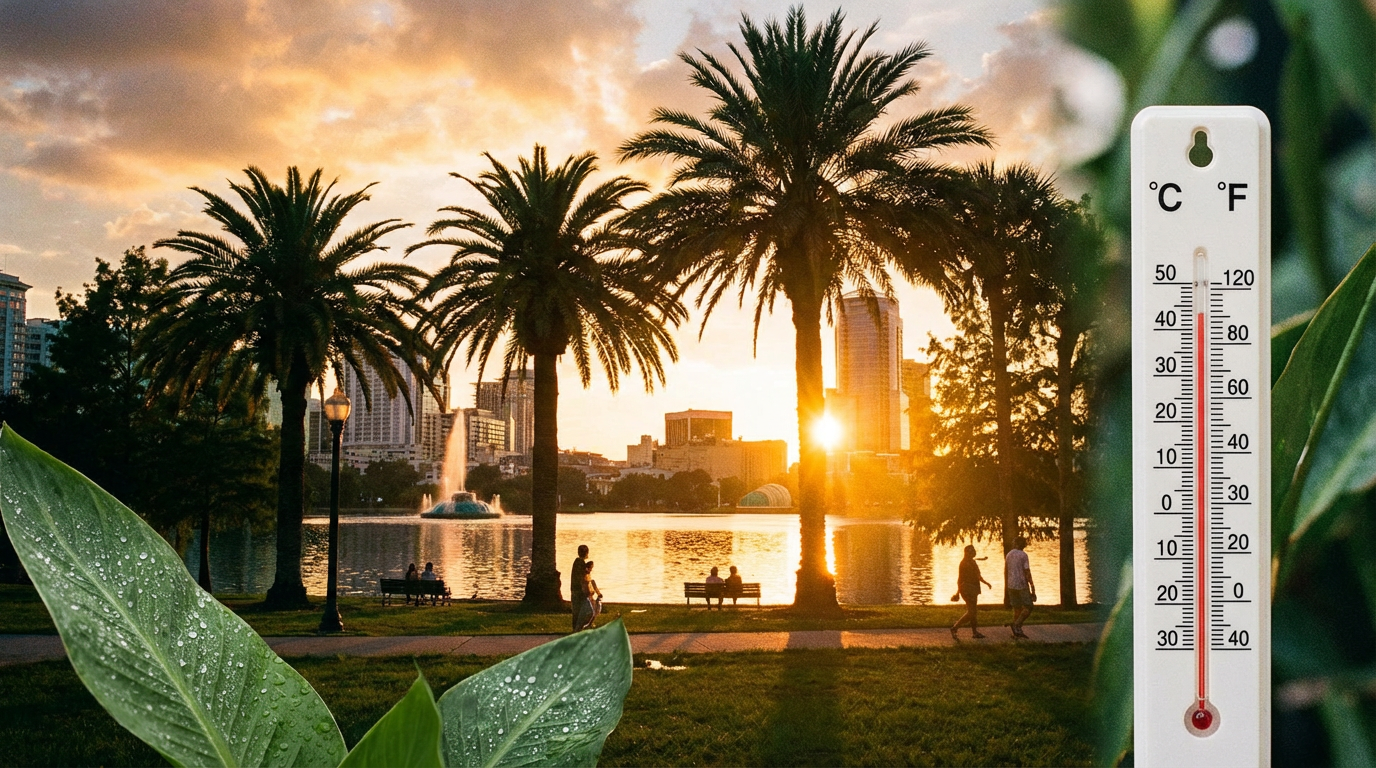
Understanding the Yearly Orlando Temp Patterns
When planning an excursion into Central Florida, checking the current orlando temp is vital because many travelers falsely assume the weather is uniformly hot and sunny year-round. However, the region falls under a humid subtropical climate classification. This creates distinct variations that can significantly impact your outdoor itinerary.
Unlike higher latitudes defined by four distinct seasons, Orlando generally oscillates between two primary phases. You will encounter a long, hot, humid summer and a mild, drier winter. Understanding the nuances of the orlando temp is essential for anyone looking to go kayaking in rainbow springs and Beyond, hike the scrublands, or navigate the theme parks comfortably.
The geography of the Florida peninsula plays a massive role in these patterns. Sandwiched between the Gulf of Mexico and the Atlantic Ocean, the area acts as a lightning rod for moisture during the warmer months. Meanwhile, continental fronts occasionally sweep down during the cooler months to drop temperatures lower than visitors might expect.
According to the National Weather Service, these geographic factors create a dynamic environment where weather conditions can shift rapidly. This makes preparedness a priority for any adventure seeker.
The Wet Season Versus Dry Season
Central Florida’s calendar is best divided by precipitation rather than by the traditional vernal or autumnal equinoxes. The wet season typically begins in late May and extends through mid-October. During this period, the convergence of sea breezes from both coasts frequently triggers afternoon thunderstorms.
These storms are often intense but short-lived. They bring heavy downpours, lightning, and a temporary drop in the heat before humidity levels spike again. For outdoor enthusiasts, this suggests scheduling activities like paddleboarding or hiking for the early morning hours to avoid the daily deluge.
Conversely, the dry season runs from November through April. During the prime stretches of this season, rainfall becomes scarce, and the humidity drops significantly. Sources like Travel + Leisure often cite this as the prime time for visiting to avoid the oppressive stickiness associated with Florida summers. The skies are generally clearer, and the risk of having a kayaking trip canceled due to lightning is drastically reduced.
Average Highs and Lows Explained
To pack correctly, you need to look beyond the daily forecast and understand the seasonal averages. During the peak of the wet season in July and August, the average high hovers around 92°F (33°C). However, high humidity levels often push the "feels like" temperature well over 100°F.
Nights offer little relief, often staying in the mid-70s. This makes serious hydration strategies a requirement for any physical activity. In contrast, the dry season brings a much wider variance. January is typically the coldest month, where the average high sits pleasantly at 71°F (22°C), but the average low can dip to 49°F (9°C).
It is not uncommon for cold fronts to push the mercury even lower, occasionally reaching freezing temperatures just before sunrise. Checking the historical orlando temp data helps travelers realize that a winter trip requires layers. You might start the day in a fleece jacket and end it in a t-shirt. Authoritative sources like the NOAA Climate Program Office highlight that while freezing events are rare, they are a possibility that campers and early-morning boaters must consider.
The Impact of Hurricane Season
A critical component of understanding the orlando temp involves navigating the Atlantic Hurricane Season, which runs officially from June 1st to November 30th. While direct hits are statistically less common inland than on the coast, tropical systems dramatically influence the local microclimate.
As tropical waves approach, the barometric pressure drops, and humidity often reaches saturation point. This results in heavy, stagnant air that can make outdoor activities feel far more strenuous than the thermometer indicates. Even a distant storm can pull moisture across the peninsula, leading to bands of torrential rain and gusty winds that make kayaking or airboat tours unsafe.
Visitors planning trips specifically in August and September—the peak months for tropical activity—should purchase travel insurance and monitor the National Hurricane Center. Being flexible with your itinerary allows you to pivot your plans if a tropical depression alters the expected orlando temp and conditions.
Month by Month Breakdown of Average Temperatures
Navigating Central Florida requires more than just sunscreen. It demands strategic timing dictated by the thermometer. While the state is famous for its sunshine, the thermal landscape shifts dramatically throughout the year. Knowing the specific averages helps you choose the perfect window for your trip.
To help you plan, here is a quick reference guide to the average daily high orlando temp you can expect:
- January: High 71°F (21°C) / Low 49°F (9°C) – Cool and crisp.
- February: High 74°F (23°C) / Low 52°F (11°C) – Warming trend begins.
- March: High 78°F (26°C) / Low 56°F (13°C) – Ideal spring weather.
- April: High 83°F (28°C) / Low 60°F (15°C) – Low humidity, very pleasant.
- May: High 88°F (31°C) / Low 66°F (19°C) – Heat starts to build.
- June: High 91°F (33°C) / Low 72°F (22°C) – Wet season and humidity arrive.
- July: High 92°F (33°C) / Low 74°F (23°C) – Peak heat and storms.
- August: High 92°F (33°C) / Low 74°F (23°C) – Consistent intense heat.
- September: High 90°F (32°C) / Low 73°F (23°C) – Still sticky, storms continue.
- October: High 85°F (29°C) / Low 66°F (19°C) – The humidity finally breaks.
- November: High 79°F (26°C) / Low 59°F (15°C) – Dry season returns.
- December: High 73°F (23°C) / Low 52°F (11°C) – Cool mornings, mild days.
Winter and Early Spring Coolness
For those accustomed to snow-covered winters, the months of January through March feel like paradise. However, visitors are frequently caught off guard by the biting chill that settles over the region during these months. January is typically the coldest month, with average lows dipping into the upper 40s or low 50s Fahrenheit.
This is the season for layering. Mornings are brisk and perfect for hiking the scrublands without breaking a sweat, but by 2:00 PM, temperatures generally rebound into the pleasant low 70s. This specific orlando temp range is ideal for spotting manatees at Blue Spring State Park, as the cooler air temperatures contrast with the constant 72-degree spring water, drawing the gentle giants inland.
As the calendar shifts into April and May, the region experiences a rapidly rising heat index. This short window is often considered the sweet spot for aquatic adventures. The water becomes refreshing rather than chilling, and the air is warm enough for swimming but lacks the oppressive humidity that arrives later in the year. According to data from The National Weather Service, these transitional months offer some of the most consistent weather.
Summer Heat Intensity
From June through August, the atmosphere in Central Florida undergoes a significant transformation. This period represents the peak of subtropical heat, where daily highs consistently hover in the low-to-mid 90s. However, the raw numbers on the thermometer rarely tell the full story regarding the orlando temp.
The high humidity levels, often exceeding 70% to 80%, create a heat index or "feels like" temperature that frequently surpasses 100 degrees. During this intensity, hydration becomes a non-negotiable safety factor. The Centers for Disease Control and Prevention advises scheduling strenuous outdoor activities for the early morning.
Alternatively, a kayak rental orlando – Explore Ivanhoe Lake at Night is a perfect way to beat the heat once the sun goes down. For adventurers, this means early dawn is the prime time to launch a paddleboard or kayak. Not only is the heat manageable, but the water is often glass-like before the mid-day breezes kick in.
Fall Cooling Trends
As the calendar turns, September often masquerades as a summer month, maintaining high heat and significant humidity. It acts as a slow transition period where the daily thunderstorms begin to taper off, but the air remains thick. It is typically not until mid-to-late October that the first significant drops in humidity arrive.
By November and December, the cooling trend solidifies. The brutal humidity vanishes, replaced by drier air and average highs in the mid-70s. This gradual cooling makes autumn an exceptional time for exploring outdoor attractions without the crowds associated with spring break or summer vacation.
Travelers consulting Travel + Leisure and other major guides will note that late fall offers the perfect balance of sunshine and comfort. Monitoring the orlando temp during these months is mostly about checking if you need a light jacket for the evening. Nights begin to cool substantially during this time, setting the stage for comfortable campfire weather.
How the Orlando Temp Affects Water Activities
For adventure seekers visiting Central Florida, the relationship between the air temperature and the water temperature is often the deciding factor between a refreshing day out and an uncomfortable excursion. While the region is famous for its heat, the way different bodies of water react to the orlando temp varies drastically based on their source and depth.
Understanding this dynamic is crucial for choosing the right activity at the right time of year. Whether you are kayaking, paddleboarding, or swimming, the seasons play a major role.
The Science Behind the Springs Constant 72 Degrees
One of the most remarkable geological features of Central Florida is its abundance of natural springs, such as Wekiwa Springs and Blue Spring. Regardless of the season, these waters maintain a steady temperature of approximately 72 degrees Fahrenheit (22 degrees Celsius).
This stability occurs because the water is sourced directly from the Floridan Aquifer, a massive underground reservoir located deep beneath the limestone surface. Because the water travels through deep subterranean channels, it is insulated from the fluctuations of the surface air.
This constant temperature creates a unique psychological and physical experience depending on the season. During the peak of summer, when the air temperature hovers near the mid-90s, plunging into 72-degree water provides an immediate, shivering shock that is incredibly refreshing. Conversely, during a winter cold snap where the ambient air drops into the 40s or 50s, the springs feel comparatively warm.
Managing Expectations With Lake Water Temperature Variance
Unlike the springs, the hundreds of lakes scattered across Orlando, including the popular chain of lakes, are surface waters that are highly susceptible to solar radiation and ambient heat. Florida lakes tend to be relatively shallow. This allows them to heat up and cool down rapidly in correlation with the orlando temp.
In the height of summer, lake water temperatures can easily climb into the upper 80s or even low 90s. For water sports enthusiasts, this means that while falling off a paddleboard in a lake in August is wet, it might not be refreshing. The "bathwater" effect can make strenuous activities like wakeboarding feel more exhausting because the water provides less cooling capacity for the body.
Furthermore, higher water temperatures can occasionally trigger environmental changes, such as rapid algae growth. Accessing resources like the Florida Department of Environmental Protection can help visitors stay informed about water quality conditions during prolonged heatwaves.
Critical Safety Tips for Boating in High Heat
When the sun is blazing, boating on open lakes presents specific safety challenges that differ from shaded spring runs. The reflection of UV rays off the water’s surface essentially doubles solar exposure. This increases the risk of sunburn and heat exhaustion, especially when the orlando temp is peaking.
According to safety guidelines from the National Weather Service, boaters should hydrate significantly more than they think necessary. The combination of wind and heat evaporates sweat quickly, masking the signs of dehydration. When planning a boating trip during a heat advisory, it is advisable to seek shaded coves during the solar noon (12:00 PM to 2:00 PM) and prioritize early morning or late afternoon departures.
Beating the Peak Orlando Temp During Summer
While the Florida sun is a major draw for visitors, the summer months bring a level of intensity that requires strategic planning for any outdoor enthusiast. From June through September, the combination of high ambient heat and tropical humidity creates heat index values that frequently exceed 100 degrees Fahrenheit.
Navigating these conditions doesn't mean staying indoors, but it does mean respecting the environment and adapting your itinerary. Successfully managing the orlando temp allows you to enjoy the lush, vibrant landscape of Central Florida without succumbing to heat exhaustion.
Early Morning Advantages
The golden rule for summer adventures in Orlando is simple: beat the sun. The hours between 10:00 AM and 4:00 PM usually see the highest temperatures and the most intense solar radiation. By shifting your schedule to start at dawn, you not only avoid the sweltering midday heat but also experience nature when it is most active.
Wildlife, including birds, deer, and even the occasional bobcat, are far more likely to be foraging in the cooler morning air before retreating into the shade. Launching a kayak or hitting a hiking trail at sunrise offers a serene atmosphere that vanishes by noon. The air is crisper, and the water is often glass-like before the sea breezes kick up.
Furthermore, meteorologists at the National Weather Service indicate that the risk of lightning is significantly lower in the morning. The region’s characteristic convective thunderstorms typically build up in the late afternoon. Structuring your day with an early start ensures you are off the exposed water or open trails before the atmosphere becomes volatile.
Hydration and Sun Protection
Surviving the summer heat requires a proactive approach to body maintenance. In a high-humidity environment, sweat does not evaporate efficiently, which impairs the body's natural cooling mechanism. This makes hydration critical.
The Centers for Disease Control and Prevention (CDC) recommends drinking water before you feel thirsty and avoiding sugary or alcoholic beverages that can lead to dehydration. When tackling a long paddle or hike, carrying electrolyte-enhanced water is essential to replace salts lost through heavy perspiration.
Equally important is shielding your skin from ultraviolet radiation. The UV index in Florida can reach extreme levels very quickly. While broad-spectrum sunscreen is a must, physical barriers are often more effective for adventure sports. Long-sleeved shirts made from UPF (Ultraviolet Protection Factor) rated fabric are highly recommended. According to the Skin Cancer Foundation, UPF clothing provides consistent protection that doesn't wash off or degrade like topical lotions.
Utilizing Water Activities to Stay Cool
When the orlando temp soars, the best strategy is often to get directly into the water. Central Florida is home to the largest collection of natural freshwater springs on Earth, including Wekiwa Springs and Rock Springs Run.
Unlike the ocean or local lakes, which can warm up significantly, these springs maintain a constant subsurface temperature of 72 degrees Fahrenheit year-round. Exploring these crystal-clear waterways provides a refreshing respite from the air temperature. This allows you to paddle and swim comfortably even during the hottest, most humid stretches of the summer season.
Why Winter Might Offer the Best Orlando Temp for Paddling
While the marketing brochures often showcase families splashing in pools under the blazing summer sun, seasoned outdoor enthusiasts know a different secret. The winter months, generally defined as late November through March, arguably provide the superior climate for high-energy activities.
During this time, the average orlando temp moderates significantly, typically staying in the comfortable range of upper 60s to mid-70s Fahrenheit during the day. This creates a "Goldilocks" zone for adventure travel. It is warm enough to ditch the heavy parkas required elsewhere in the country, but cool enough to engage in sustained physical exercise without the risk of immediate heat exhaustion.
For visitors accustomed to harsh northern winters, the conditions in Central Florida can feel remarkably spring-like. This mild weather window opens up full-day itineraries that are often impossible in July or August, when the midday solar peak forces many paddlers off the water and into the air conditioning.
Comfortable Humidity Levels
The primary advantage of scheduling a padding trip during the dryer winter months is the drastic reduction in humidity. In the summer, the dew point often climbs above 70 degrees, creating a thick, oppressive atmosphere that inhibits the body's ability to cool itself through sweat evaporation.
Conversely, winter brings drier air masses from the continent, making the outdoors feel crisp and refreshing. This lower humidity means you can paddle longer distances with less fatigue. Furthermore, the reliable "dry season" weather patterns significantly reduce the threat of dangerous weather events.
According to the National Weather Service, the probability of lightning storms drops precipitously in the winter. Unlike summer afternoons, where activities are almost guaranteed to be interrupted by violent electrical storms around 3:00 PM, winter days often offer uninterrupted blue skies from sunrise to sunset. This stability allows kayakers to explore remote waterways without the constant anxiety of racing back to the launch point.
Wildlife Activity in Cooler Weather
One of the most compelling reasons to brave the slightly cooler mornings is the dramatic increase in visible wildlife. The orlando temp fluctuations play a critical role in animal behavior, particularly for the region's most famous aquatic resident, the West Indian Manatee. These gentle giants are extremely sensitive to cold and cannot survive for long in water temperatures below 68 degrees Fahrenheit.
When the ambient air signals winter and coastal water temperatures drop, manatees migrate inland in droves. They seek the constant 72-degree warmth of Central Florida’s natural springs. Places like Blue Spring State Park or the waterways near Kings Landing often become sanctuaries housing hundreds of manatees.
As noted by the Florida Fish and Wildlife Conservation Commission, colder weather concentrates these animals in designated warm-water sites. This offers paddlers distinct viewing opportunities that simply do not exist during the warmer months when the animals are dispersed.
It is not just the marine life that becomes more active. Avian and reptilian activity changes as well. On cooler mornings, steam often rises off the river surface—a phenomenon known as sea smoke—creating a mystical atmosphere for photography. Cold-blooded reptiles, particularly American alligators, are far more likely to be seen hauling themselves onto riverbanks and logs to bask in the sun to regulate their body temperature. Therefore, a paddle during a chilly January morning often yields a higher "head count" of local species than a sweltering trek in June.
Packing Essentials Specific to the Orlando Temp
Success on an outdoor adventure often comes down to logistics. In Central Florida, your gear choices are dictated entirely by the climate. Many first-time visitors make the mistake of packing for a generic "sunny vacation," filling their suitcases with heavy cotton tees and denim.
However, navigating the fluctuations of the orlando temp requires a more strategic approach, particularly if you plan to spend your days kayaking the runs at King's Landing, hiking the exposed scrub of the Ocala National Forest or embarking on an Ocala Kayak Rentals and Clear Kayaking Adventure. The goal is thermoregulation, which means keeping cool when the humidity spikes and staying warm when a winter front breezes through.
Fabrics for High Humidity
The cardinal rule for Florida adventures is to avoid cotton at all costs. While cotton is comfortable in dry climates, it is hydrophilic, meaning it absorbs and holds up to 27 times its weight in water. In Orlando's oppressive humidity, where the air is already saturated with moisture, sweat cannot evaporate efficiently.
A cotton shirt will act as a wet sponge against your skin, trapping heat and causing chafing, which can ruin a hike within the first hour. Instead, prioritize moisture-wicking synthetic fabrics like polyester blends or natural performance materials like lightweight merino wool. These materials utilize capillary action to pull moisture away from the skin to the exterior of the fabric where it can evaporate more easily.
According to outdoor experts at REI, wearing loose-fitting, breathable synthetics also promotes airflow. This is the only real way to combat the distinct "sticky" feeling of a Florida summer. Additionally, look for clothing with a UPF rating. Since managing your body temperature is directly linked to sun exposure, a long-sleeve, lightweight sun shirt can actually keep you cooler than a tank top by keeping the sun's radiant heat off your skin.
Rain Gear Necessities
Regardless of the season, a high-quality rain strategy is non-negotiable. During the summer wet season, the sky often transitions from bright blue to ominous gray in minutes. A heavy, insulated winter raincoat is useless here; it will essentially create a sauna around your body, causing you to overheat rapidly.
Instead, you need a lightweight, packable rain shell with zipper vents (pit zips) that allow heat to escape while blocking precipitation. For water-based activities like kayaking or paddleboarding, a simple poncho can often suffice, but a breathable rain jacket offers better versatility for transitioning from water to trail.
Layering Strategies for Winter Mornings
The most deceptive aspect of the orlando temp occurs between December and February. Visitors often underestimate the chill of a 45°F (7°C) morning, especially when near the water. Springs like Wekiwa or Rock Springs maintain a constant water temperature of 72°F, but the air above them can be visibly steaming in the early hours. If you are launching a kayak at sunrise, you will be cold.
Employ a dynamic layering system ("the onion method") to handle this range. Start with a moisture-wicking base layer to manage sweat. Add a mid-layer, such as a fleece pullover or a synthetic down vest, which retains heat even if it gets damp from splashback. Finally, have your windbreaker or rain shell accessible as an outer layer to cut the biting wind that often rushes across Florida's flat lakes.
To summarize, here is how your checklists should differ based on the season:
Wet Season Packing List (May - Oct)
- Quick-dry synthetic tees and shorts (No cotton).
- Wide-brimmed hat with UPF 50+ protection.
- Lightweight, breathable rain poncho or shell.
- Waterproof dry bag for electronics (sudden downpours are common).
- Hydration pack (CamelBak or similar) to carry at least 2 liters of water.
- Water-friendly hiking sandals or mesh shoes.
Dry Season Packing List (Nov - April)
- Breathable base layers (merino wool or synthetic).
- Insulated mid-layer (fleece or puffer vest).
- Windbreaker jacket (vital for morning boat rides).
- Neoprene pants or wetsuit top if swimming significantly.
- Closed-toe hiking shoes or boots for trails.
- Beanie or light cap for pre-dawn starts.
Final Thoughts on Planning Around the Weather
Ultimately, the difference between a miserable trip and an unforgettable adventure often lies in your preparation for the elements. By respecting the orlando temp and understanding its seasonal rhythms, you can unlock year-round opportunities for exploration.
From the ethereal steam rising off a winter spring to the vibrant energy of a summer morning paddle, Central Florida offers a diverse array of experiences for those willing to adapt. Pack smart, watch the forecast, and don't let the weather dictate your fun—let it guide your strategy.