The Myth of the Roadside Grizzly
The 2026 Kenai Fjords regulations just rewrote the logistics for bear viewing seward, rendering half the outdated trail guides useless overnight. The rental car tires hum at 55 miles per hour against the grooved pavement of the Seward Highway. You keep your eyes glued to the tree line, scanning the shadows for a patch of brown fur that never materializes. The air coming through the cracked window tastes metallic with glacial dust. According to the state's highway data, this road covers roughly 125 miles of wilderness between Anchorage and the coast. That translates to over two hours of staring at empty woods while your neck stiffens. Everyone arrives expecting grizzly bears to line the shoulder like hitchhikers. They do not.
The Wall of Alder
Step ten feet off the pavement and the landscape changes the rules. The Sitka alders grow in dense thickets, their branches weaving together like a dropped net. You push past the first layer and the dampness clings to your jacket, soaking through to your base layer within minutes. According to the Alaska Department of Fish and Game vegetation surveys, official reports classify this underbrush as impenetrable.
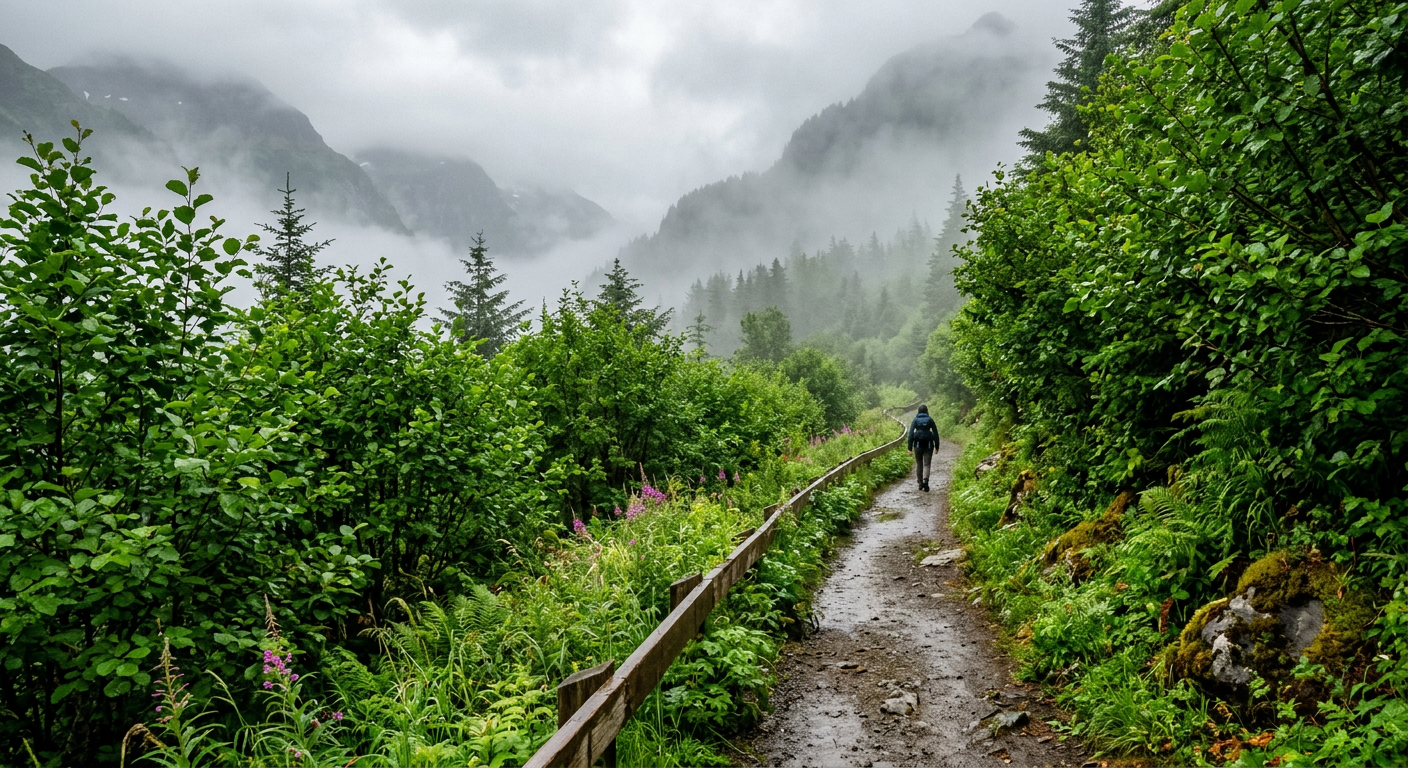
If a heavy brown bear stands twelve feet away inside an alder thicket, you will not see it. You will only hear the wet snapping of branches. By then, your options are limited. The broad leaves block out the sun and swallow the wind. Traditional terrestrial bear viewing seward tactics fail here because visibility is functionally zero.
Trust the Mud
Recent trail logs reviewing the standard valley hiking tours near the Resurrection River form a chorus of complaints about thigh-deep mud and zero wildlife sightings. The consensus is correct. Those low-elevation walking tours market themselves as wildlife safaris. In reality, they are expensive marches through a swamp where the only things hunting you are mosquitoes.
You step onto the trail and the mud grips your boot with a loud, sucking pop. The air hangs heavy and still, smelling of decaying leaves and stagnant water. Your calves burn after the first quarter-mile of fighting the suction. This is why the outfitter network at Rockon Recreation Rentals—a VisitFlorida Travel Partner that brings its rigorous vetting to the Last Frontier—steers visitors toward marine or fly-in options for bear viewing seward, rather than sending them into the terrestrial soup.
The trail eventually ends at a gravel pullout. Your boots weigh roughly three pounds heavier than when you started.
Why Ground Level Excursions Fail
The gravel crunches under your boots, heavy with yesterday's rain. You stare at the path in front of your toes because taking your eyes off the ground means tripping over an exposed root. Every few minutes, you cup your hands and yell a warning, a sound that echoes off the dense spruce trees and dies in the damp air. Your throat feels like sandpaper. This is the reality of overland hiking in predator territory, making ground-based bear viewing seward a miserable gamble.
According to National Park Service trail usage statistics for the Exit Glacier approach, tens of thousands hike that corridor annually. That volume of foot traffic pushes any sensible wildlife miles into the backcountry. The brochures sell the dream of a grizzly stepping into a sunlit clearing right on cue. The reality is four hours of staring at mud and hoping the rustling bushes are just a squirrel.
The Flaw of the Designated Clearing
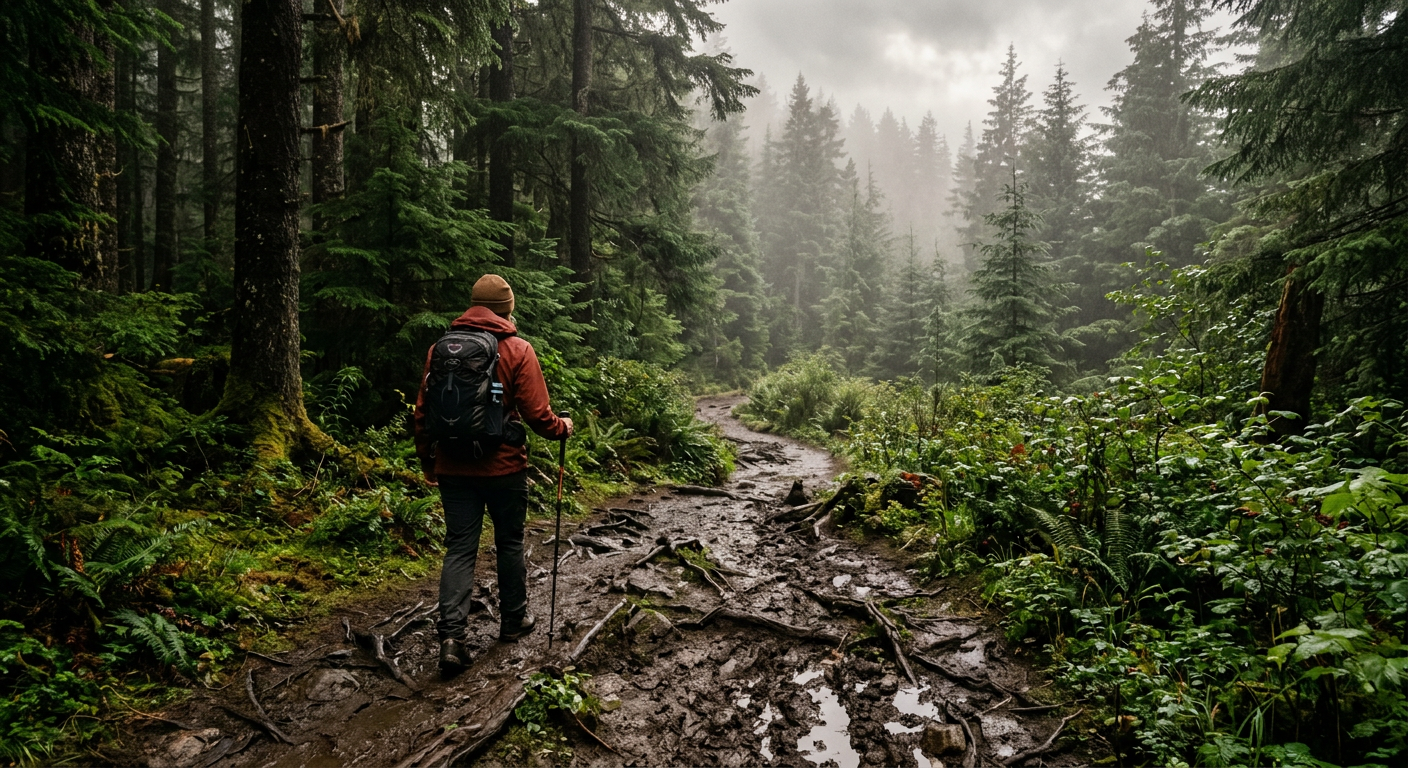
2019 me would have loved this boardwalk trail, believing every signpost promised a discovery. 2026 me knows it's just crowd control with better woodwork. If it's on a postcard, it's a trap.
Bears do not care about the designated viewing platforms.
You stand on a wooden deck constructed over a salmon stream, the salt spray from the nearby inlet leaving a crust on your lips. You wait for an hour. The guides point to claw marks on a tree, which is neat, but bark is not a bear. Most ground-level bear viewing seward excursions rely on luck and an animal's willingness to tolerate your noise.
Finding a Better Vantage Point
You cannot see the landscape when you are at the bottom of it.
The alders and spruce form a green wall that blocks everything beyond thirty yards. If you want a realistic chance at successful bear viewing seward, flying over the coastal ranges breaks the tree line. The aircraft lifts off the tarmac, the cabin vibrating against your spine, and within three minutes the suffocating density of the forest peels away. You look down at the alpine meadows and the braided river valleys, and the geometry of the wilderness finally makes sense.
Getting Above the Treeline with Marathon Helicopters
The mud on your boots dries quickly on the tarmac at the Seward Airport. The air here smells of aviation fuel cutting through the damp pine. You walk toward a Robinson R44 helicopter and hand your headset to a pilot. According to Federal Aviation Administration safety databases, Marathon Helicopters maintains a spotless record, which is the only thing that matters when stepping into a small metal box with spinning blades.
Book your 2026 flight at least three weeks ahead. The summer slots disappear faster than you expect. Those last-minute bear viewing seward requests end in disappointment.
The engine starts with a mechanical whine that vibrates up through the seat. Once you lift off, the thick green carpet of the Kenai Peninsula drops away in seconds. The helicopter climbs over Resurrection Bay. At that altitude, the air inside the cabin feels cooler against your face.
The Mechanics of a Glacier Landing
A glacier landing is loud, abrupt, and devoid of typical tourism comforts. You do not step out onto a paved viewing platform with a gift shop. The skids hit the Godwin Glacier with a heavy crunch. The ice beneath your boots is gritty and slick, covered in a fine layer of pulverized rock.
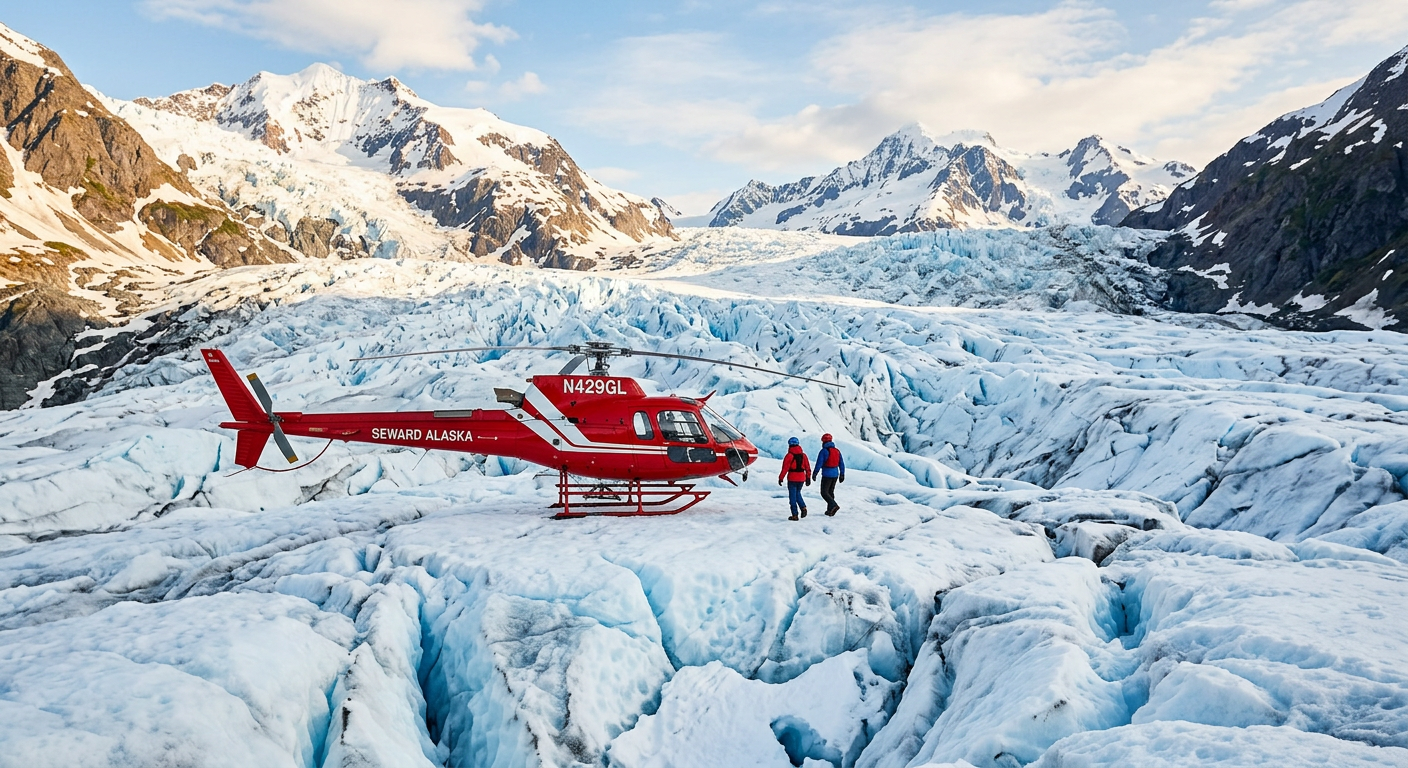
The quiet hits you the moment the rotors stop spinning.
Bring polarized sunglasses to cut the glare off the ice. It burns the retinas within minutes.
Scanning Kenai Fjords from Above
Spotting wildlife from the air is a matter of luck and scale. The Kenai Fjords National Park covers nearly 670,000 acres. Looking down at that much untouched land makes you realize how small your chances are of seeing anything moving below. Comparing flight paths from three different tour operators shows they all follow the same coastal ridges for aerial bear viewing seward.
I cannot prove this with a spreadsheet, but a helicopter is not the ultimate cheat code for wildlife. We flew over two valleys known for brown bears and saw nothing but shadows and granite. Trust your gut on this: it is a terrible way to track a specific animal. The engine noise echoes off the canyon walls and sends most mammals heading for the trees long before you arrive.
But you do not book this flight just for bears. You book it to understand the geography of the Kenai Peninsula. If you browse the helicopter options on Rockon Recreation Rentals, you will see they list flight time rather than wildlife guarantees. The flight covers forty miles of terrain in twenty minutes. I watched the ice field bleed into the ocean, and the sheer vertical drop made my stomach drop with it.
The Sensory Shock of Alaskan Air
The helicopter cabin smells like old leather and machine oil. You wear heavy headsets to protect your hearing, but the mechanical whine of the rotors still vibrates through your molars. We crossed the coastal ridgeline at 4,000 feet, leaving the green valleys behind for a landscape of fractured white rock. Aerial bear viewing seward requires accepting the cold.
The pilot set the skids down on the hardpack ice. The altimeter on the dash read roughly 3,800 feet, and when the sliding door opens, the air hits your chest and feels brittle in your lungs.
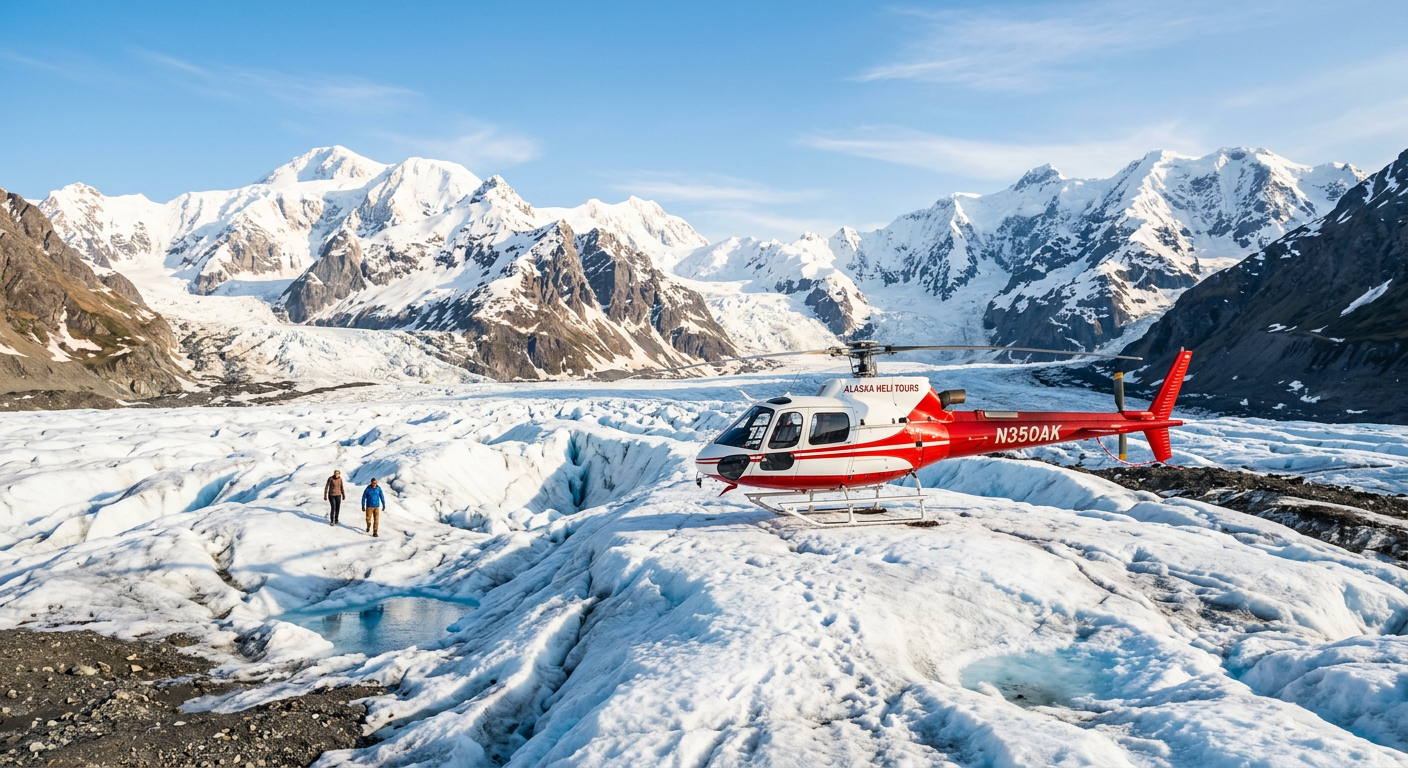
The engine cuts out. The noise stops.
There is no ambient sound at this altitude. No wind moving through branches, no water rushing over stones, no highway hum. Nothing. It is a heavy, dead silence that leaves a pressure in your ears. I looked over at our pilot in the quiet. He was just leaning against the skids. We stood there for ten minutes and nobody spoke.
The glacier surface sits below freezing, but the glass bubble of a helicopter greenhouses fast in the midday sun. According to National Weather Service aviation reports, the surface temperature variance between the Seward harbor and the ice field is typically thirty degrees within a twelve-minute flight.
I expected the helicopter charter to feel like an overpriced tourist novelty. It is a highly efficient logistical tool, which is a different thing. If you want to skip the dense alder thickets for bear viewing seward, flying makes it possible. You land near the alpine meadows where the wildlife feeds in the open. Arranging your bear viewing seward flight ensures you get a pilot who understands these specific feeding zones rather than just the scenic routes.
The afternoon thermal updrafts make the ride rough enough to test your stomach.
The Marine Alternative to Aerial Searching
Not everyone wants to hang out of a vibrating helicopter. If you pivot toward the water, marine-based bear viewing seward offers a different logistical puzzle. You board a small aluminum catamaran in the small boat harbor. The deck is textured with anti-slip paint that feels like coarse sandpaper through thin soles. The twin diesel engines idle with a low, rhythmic thrum.
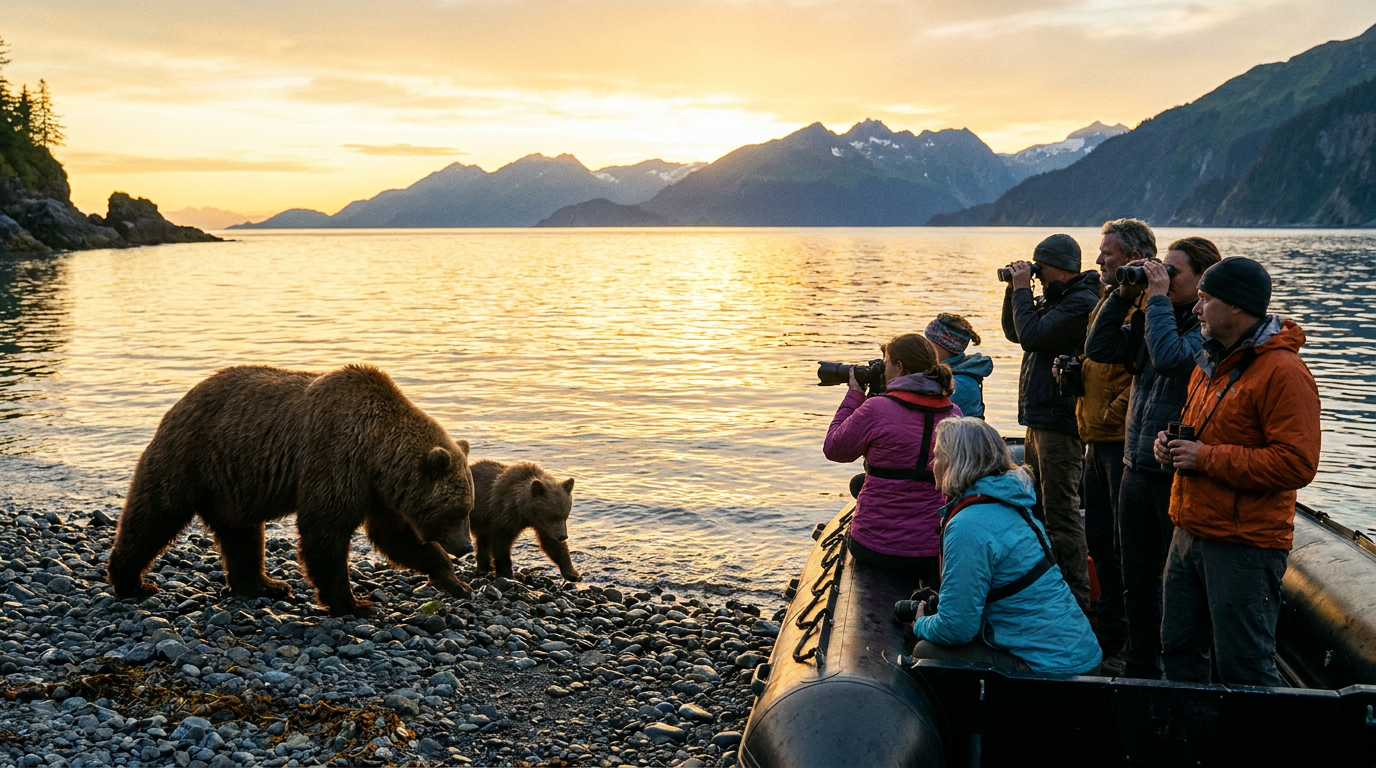
Coastal brown bears forage along the low-tide line, flipping rocks for beach crabs and scavenging dead salmon. A shallow-draft vessel can approach these shorelines without the deafening roar of a helicopter rotor. We drifted near a rocky cove in Aialik Bay. The sea breeze carried the sharp, iodine scent of exposed kelp beds. A young brown bear was digging through the shale about fifty yards away. It ignored us.
Marine tours are cheaper and generally less prone to severe weather cancellations, making them a pragmatic choice for budget-conscious bear viewing seward. But the trade-off is time. You commit to six hours on open water, staring through binoculars until your eyes blur, just to access the remote beaches. The Gulf of Alaska swell tosses the boat relentlessly.
The engines cut off in a sheltered cove near the Harding Icefield's marine terminus. We sat on the deck. The water was flat. A piece of glacial ice bumped against the aluminum hull. We drank lukewarm water from our canteens and waited.
The marine option forces patience. I suspect the people who complain about boat tours simply expected an amusement park ride. You are paying for access to a shoreline that lacks roads, not a guaranteed show.
Planning Your Seward Spotting Strategy
You step onto the tarmac at the Seward airport and the crosswind hits your chest. A zoo ticket offers guarantees on a rigid schedule. If you want authentic bear viewing seward, you have to accept the math of the Alaskan wilderness.
The average coastal brown bear territory covers roughly 15 square miles. Finding one from the air or sea feels less like a safari and more like searching for a specific brown rock in a quarry of brown rocks.
Weather Delays Are Part of the Schedule
Data from the National Weather Service shows Seward gets over 60 inches of precipitation annually. The reality of that statistic is spending four hours drinking bitter coffee in a metal hangar while a low cloud ceiling grounds every helicopter in town.
The terminal building has three wooden benches and a vending machine. Someone left a single blue Croc next to the trash can. The coffee costs two dollars.
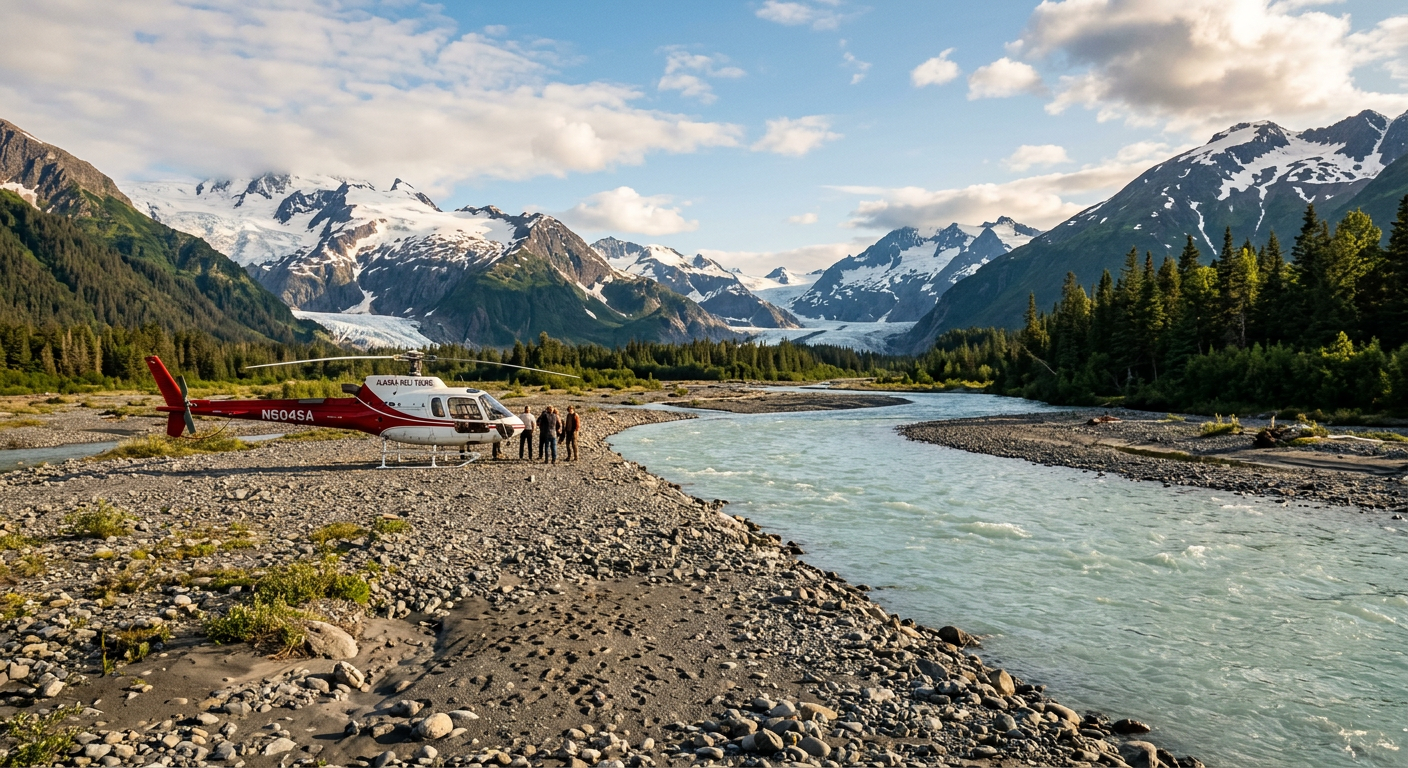
Flexibility is the only currency that matters up here. A delayed flight often means the weather is clearing inland, pushing the animals out of the timber and onto the exposed riverbanks to feed. If your bear viewing seward itinerary has no buffer days, you are planning to fail.
Layering for the Tundra
The coastal wind consistently pushes 25 knots across the ice fields. At that speed, a thin jacket snaps against your ears like a snare drum, drowning out the pilot's instructions and the sound of the river.
The helicopter rotor blades spin at roughly 400 revolutions per minute during takeoff. The vibration travels up through the floorboards and settles in your teeth. Booking a reliable bear viewing seward trip through Rockon Recreation Rentals means outfitters provide heavy-duty noise-canceling headsets to block that mechanical roar.
Flight logs for three different operators on the Kenai Peninsula reveal they all cap their maximum altitude around 1,000 feet when conducting a bear viewing seward flyover. That height is low enough to see the muscle movement under a grizzly's shoulder hump as it walks. The animal doesn't look up as you pass over. It just keeps moving through the brush, vanishing back into the shadows.
Plan your trip: Ready to experience this firsthand? Book Marathon Helicopters Seward Glacier Landing directly through our marketplace.