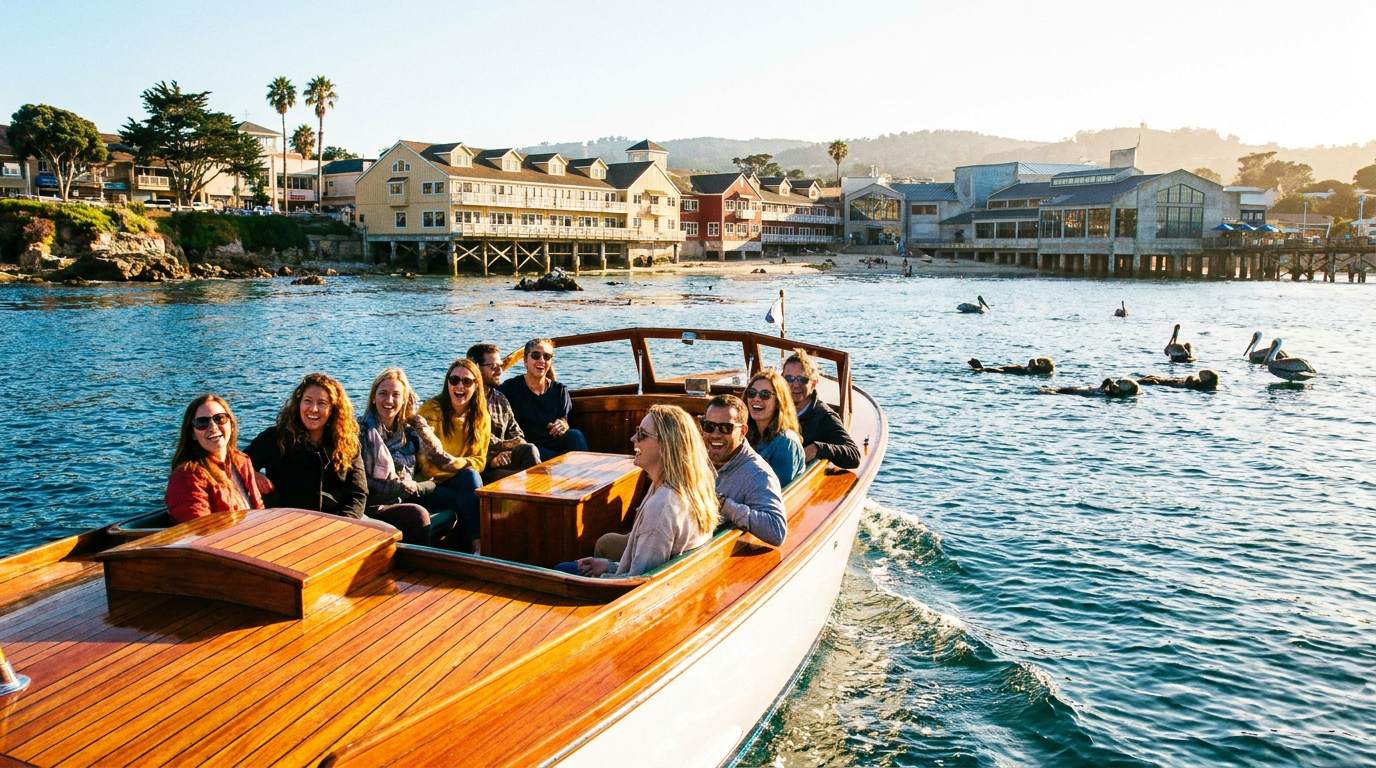
The Reality of the Submarine Canyon Before You Embark
The fiberglass hull slaps rhythmically against the slate-gray swells as soon as you clear the protective arm of the peninsula. Then comes the drop. The seafloor plummets away beneath you here, creating a sudden vacuum. According to the Monterey Bay National Marine Sanctuary, this underwater chasm rivals the Grand Canyon in scale. Down there, about two miles below the surface, the deep currents gather momentum. They rush upward and hit the continental shelf like a freight train, bringing nutrients from the dark bottom into the sunlight.
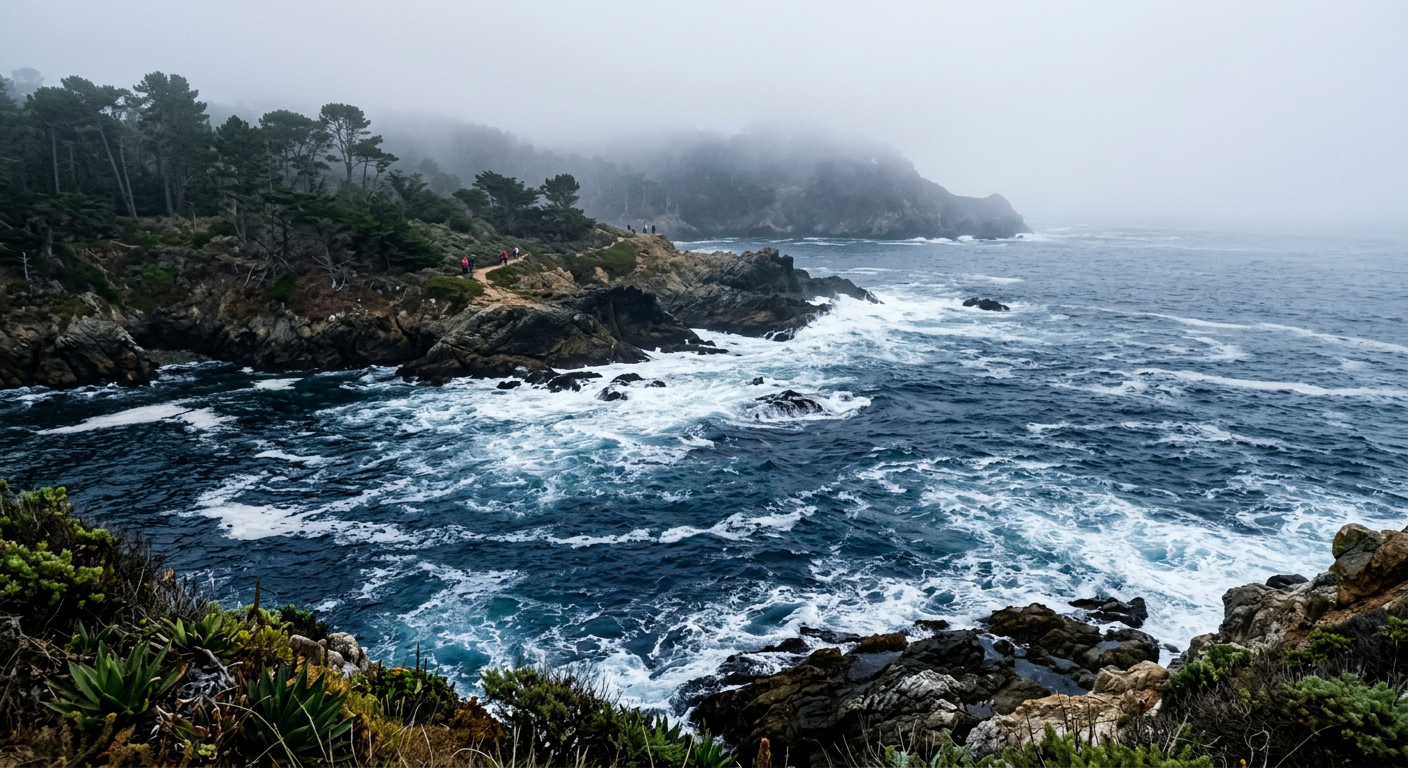
I took a slow morning trip out to the edge of the drop-off and caught the sharp, metallic taste of the upwelling water on my tongue. Since I began guiding Florida coastal adventure tours in 2018, I assumed warm water was a prerequisite for a thriving marine ecosystem. A few years ago, I would have just complained about the shivering off the California coast. I used to think the main appeal of these trips was looking at sea lions basking on the breakwater.
I realized the cold was not a penalty for leaving the bay. It was the main engine driving the ecosystem. Research is my love language; reality is my ex. You can read about upwelling currents all day, but you do not understand them until that icy fog wraps around your neck.
Reading the Surface Conditions
The water changes color from light green to dark navy blue near the canyon edge. Foam gathers in long lines along the current seams. Three gray birds float on the surface, dipping their heads beneath the waves.
When booking boat rides in monterey through Rockon, you quickly learn that seasoned captains hand out heavy blankets before untying the dock lines. They know the 2026 weather patterns better than anyone out here. You just learn to layer up, grip the rail, and lean into the mist.
Morning Marine Layer and Afternoon Chop
The salt grit coats your eyelashes before the dock even fades into the rearview. You rub your face and feel a thin, crusty layer of ocean settling into your pores. Morning departures mean navigating through a thick, gray curtain of fog that holds the chill close to the water.
I can't prove this, but the boat engines always sound a half-pitch lower in the fog. The air feels heavy. A decade ago, I rescheduled early trips constantly. I wanted the postcard sunshine for my coastal tours, so I would sleep in and wait for the marine layer to burn off. I didn’t realize I was trading the quiet, flat water of the morning for a few hours of predictable chaos. Beige is a sin, but so is ignoring local wind patterns.
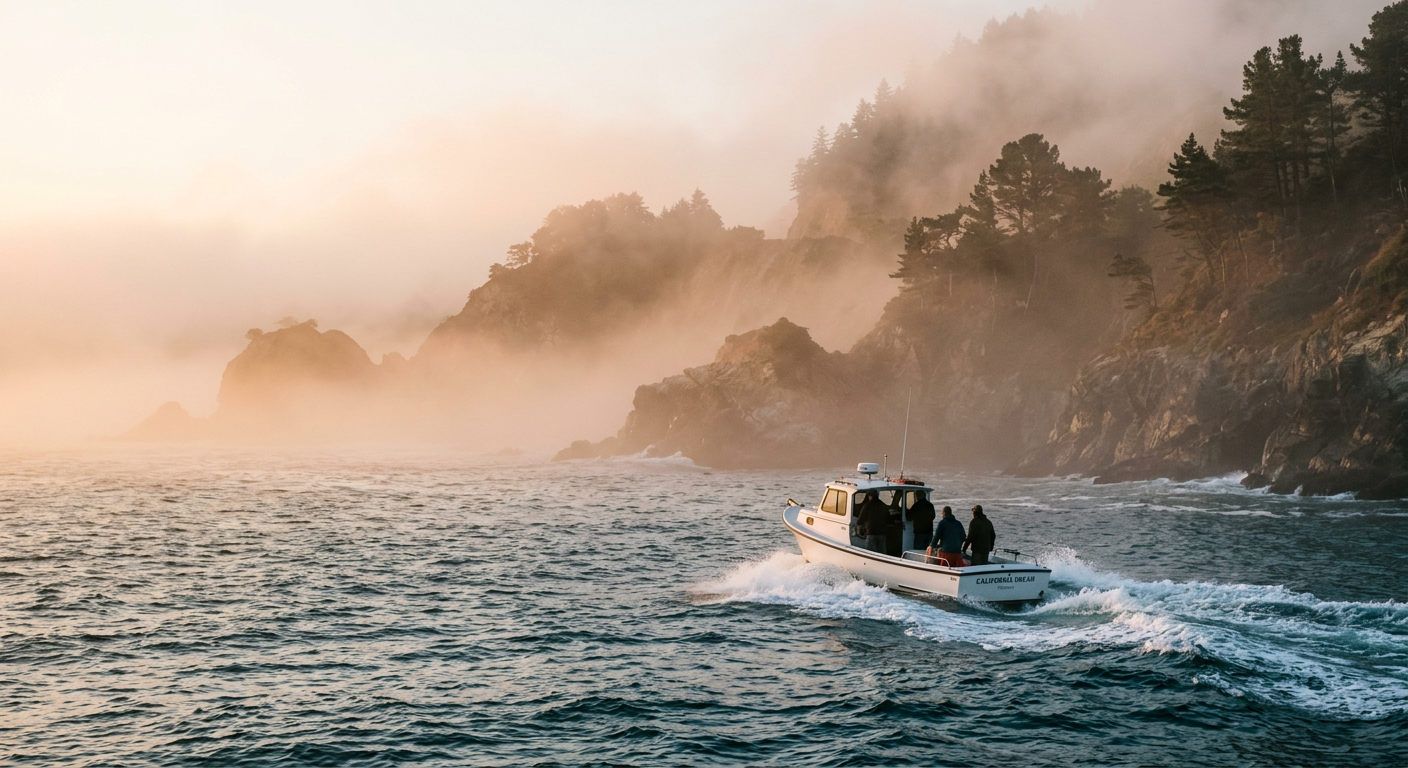
The engine started at seven in the morning. We pulled away from the slip and moved through the channel toward the bay. The ocean looks flat and heavy when the sky stays overcast. A deckhand near the stern was wearing mismatched neon yellow laces on his boots. The radar dish spun above the pilothouse.
The Clockwork Winds
For years, I warned folks that booking a noon excursion meant dealing with the inevitable afternoon chop. I assumed the turbulence was just an annoyance that made tourists spill their thermoses. The wind picks up around midday, turning that heavy morning glass into a rolling mess of whitecaps.
Sitting near the bow during a rough afternoon swell recently, I watched a pod of dolphins riding the crests of those exact waves. I had spent so long trying to avoid the rough water that I forgot the marine life actively uses it to feed. The chop isn’t a ruined afternoon. It is when the bay actually wakes up.
Choosing when to go out comes down to what kind of movement your stomach handles best. As a VisitFlorida Travel Partner, we notice morning slots often fill up first with locals who want that smooth glide. Let them have it. Just remember to bring layers, because the sun breaking through the fog rarely brings as much heat as you hope.
Wildlife Expectations and the Scent of a Blow
The stench hits your nostrils long before you see the humped back cresting the choppy swells. It smells like a mixture of rotten cabbage and fish that died sometime last Tuesday. A few years ago, I would have held my nose and complained about the harbor water quality.
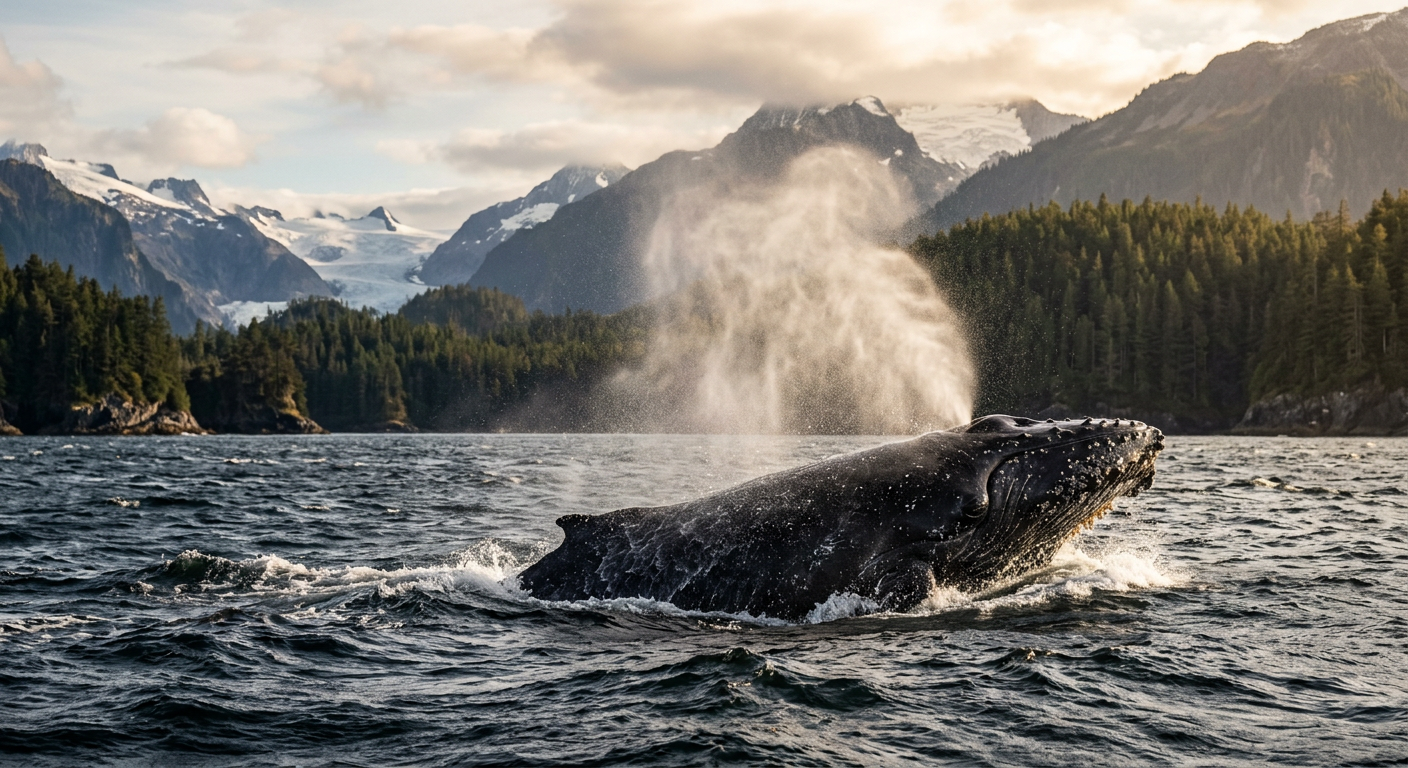
I used to think seeing marine life was a visual experience defined by leaping breaches. You expect the nature documentary moment with sweeping orchestral music playing in your head. Instead, you get a face full of decaying krill breath from a fifty-ton mammal exhaling through a blowhole. If it's on a postcard, it's a trap.
Before You Try Timing Your Camera Work
The boat engines drop to a low idle as the captain points toward a dark shape. The water is gray and flat near the kelp beds. Three harbor seals sit on a wet rock near the shoreline. You watch the water break as a dorsal fin appears briefly before disappearing.
It took me exactly 47 seconds to fumble the plastic lens cap off my camera while a pod of Risso's dolphins swam past the stern. Missing the shot happens.
Why Reframing the Coastal Experience Matters
I always told visitors they needed top-tier binoculars to enjoy these marine sanctuaries. Then I watched a woman leave her expensive gear in a bag and just lean over the railing. She listened to the hollow, percussive sound of an exhalation nearby.
I realized she was getting a more honest read on the ecosystem than anyone staring through a glass viewfinder. The best boat rides require you to put the camera down. Accept the damp, foul-smelling reality of a living ocean.
According to the NOAA Fisheries database, humpbacks are primarily here to gorge themselves on anchovies. They are not here to perform acrobatics for an audience. Just breathe through your mouth when the blow drifts your way, and appreciate the raw machinery of the Pacific.
Why Launching Points Matter from Carmel to Moss Landing
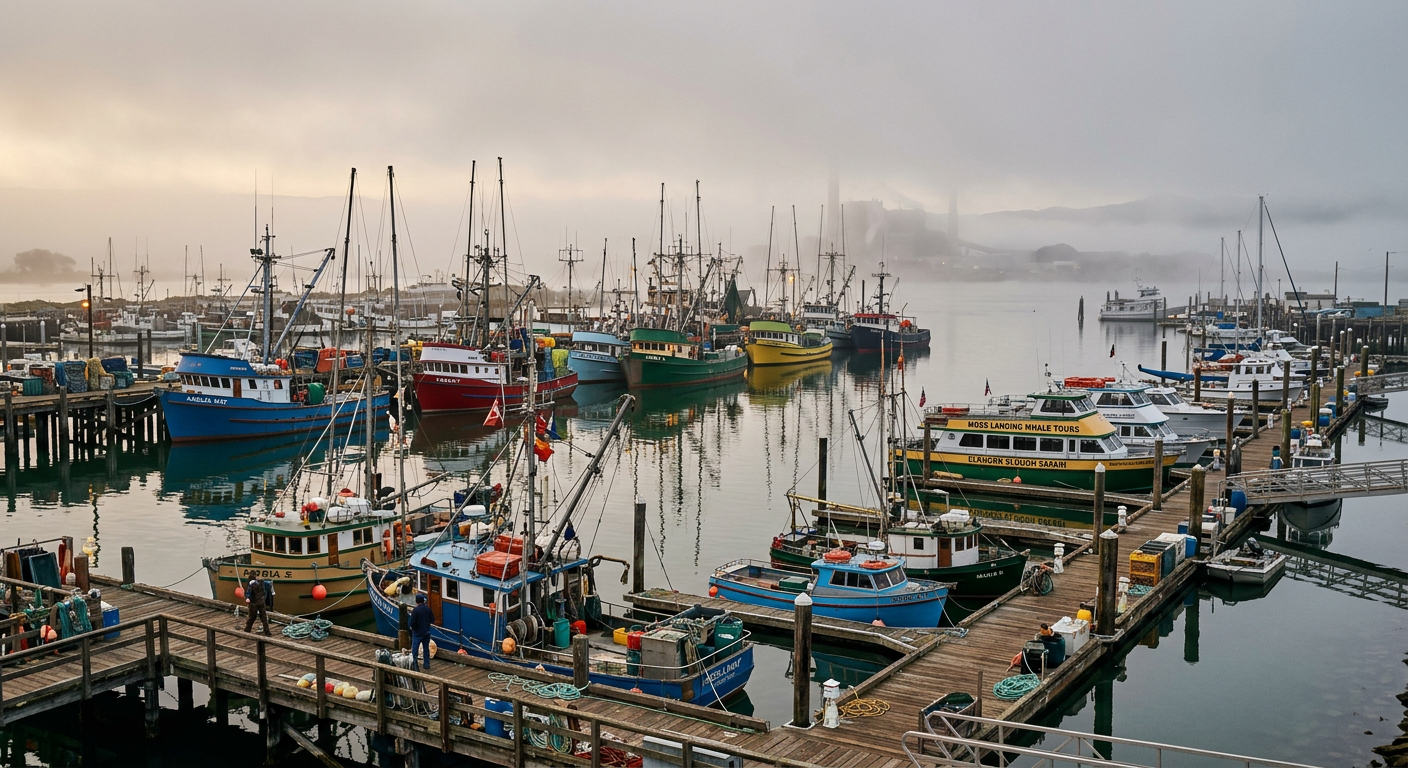
The hollow ping of the halyards slapping against aluminum masts echoes across the Moss Landing marina. If you leave from Old Fisherman's Wharf in town, you listen to the drone of the boat engine for a long time before hitting open ocean. Back in 2019, I would have stayed near my Carmel rental, grabbed an overpriced coffee, and booked whatever charter was closest. 2026 me knows that proximity to your hotel is the wrong metric.
The Drive North
I used to think walking distance was the only convenience that mattered. You wake up, you want to get on the water, you go to the most obvious dock. Passing the miles of artichoke fields on Highway 1 feels like leaving the curated version of the coast behind. By 2026, my entire approach shifted.
Parking near Cannery Row at ten in the morning is an exercise in futility. The meters max out fast. The current harbor dredging has shifted some of the minor traffic lanes near the main entrance, creating a bottleneck of idling cars and stressed tourists. Driving north to Moss Landing bypasses this mess.
Launching from Moss Landing puts you almost directly over the deep trenches where the large mammals feed. What looks like a longer commute by car actually cuts your ocean transit time in half. You trade highway traffic for immediate deep-water access.
Choosing Between Zodiacs and Cruisers
The ocean spray hangs in the air above a rigid inflatable boat. Choosing your vessel dictates your afternoon. Large cruisers offer warmth, snack bars, and a stable platform. They also isolate you from the water. You watch the ocean through a scratched plexiglass window.
Zodiacs put you mere inches from the surface. The trade-off is the impact. Every wave translates directly into your spine. I rode a Zodiac out past the kelp beds recently. My knees absorbed the shock of the Pacific swell for two straight hours. The experience is intimate, raw, and physically demanding. Choose the large cruiser if you want a pleasant afternoon. Choose the inflatable if you want to remember the ocean's texture.
Evaluating Your Tolerance for the Pacific Swell
The sharp, spicy bite of ginger candy is your best friend before departure. Coffee is acidic and upsets empty stomachs on moving water. The ginger settles the stomach lining before you even clear the breakwater.
The deckhand tying the port side lines had a faded green tattoo of a seagull on his left calf. Sugarcoating the reality of the ocean swell does no one any favors. Tour operators love to sell the illusion of a glassy bay, but the Pacific acts nothing like a lake.
Reading the Docks
For years, I judged ocean conditions by looking at the water right next to the pier. I assumed a few whitecaps meant a slightly bumpy ride. I was wrong about how the coastline masks the wind. If the water looks agitated from the safety of the dock, it is furious a mile out.
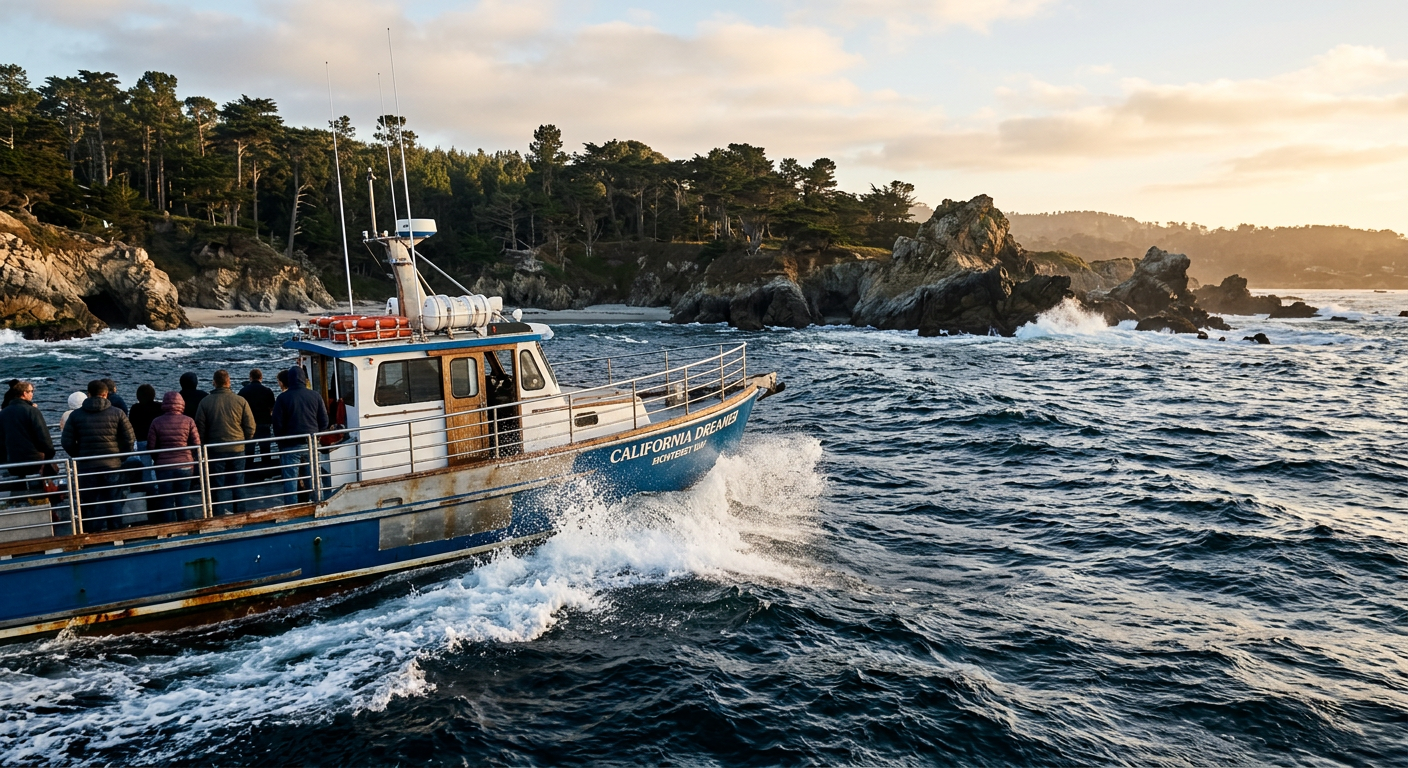
I can't prove this, but I swear the tour guides know who will lose their breakfast within thirty seconds of casting off. They watch how you step onto the deck. Do not trust the glossy brochure on this one. If you have doubts about your tolerance, stick to early morning departures when the coastal winds are calmer.
Wardrobe Realities Before You Board
A sudden temperature drop near Point Pinos makes short sleeves feel like a terrible mistake. The local visitor brochures tell you to dress in light layers. That advice borders on sabotage. Cotton hoodies betray you the moment the fog rolls in.
A standard wool sweater retains heat even when damp. The air over the water drops fast within a mile of the coast. You will need a windproof shell over the sweater to block the ocean breeze.
The Hat Situation
Wide-brimmed straw hats look great on social media. They also last about four minutes on boat rides before the coastal wind rips them off your head. The seafloor is littered with fashionable headwear. Just get a snug beanie.
I used to tell tourists to buy heavy offshore sailing gear. I figured if you were going out on the swell, you needed to dress like a commercial fisherman. Then I saw a guy in a standard thrift-store fleece stay warm for three hours while my pricey jacket let the draft in. Trust your gut on this, even if the brochure says otherwise.
Frequently Asked Questions About Monterey Charters
1. Are early morning boat rides smoother?
Yes. The coastal winds generally do not pick up until late morning. If you want glass-like conditions on the bay, you need to book a departure before nine. The trade-off is often thicker fog and colder temperatures.
2. Should I take motion sickness medication if I feel fine on a lake?
Take it anyway. The Pacific ocean swell rolls differently than inland water. Taking a non-drowsy preventative pill an hour before you step onto the dock saves you from staring at a bucket for three hours.
3. Why launch from Moss Landing instead of downtown Monterey?
Moss Landing sits at the head of the Monterey Submarine Canyon. Departing from this harbor puts you in deep, nutrient-rich water where whales feed almost immediately, cutting out an hour of flat-water transit time.
4. Will I get soaked on the boat?
It depends on where you stand and the afternoon wind. Sitting near the bow during midday chop guarantees salt spray. If you stay on the lower deck near the stern, you remain mostly dry.
5. Is it safe to bring professional camera gear?
Only if you have a reliable dry bag and know how to shield your lens from corrosive salt mist. Many passengers ruin expensive DSLRs by leaving them exposed while the boat moves at high speeds.
6. What should I wear for a summer tour?
Dress as if it is early winter. The marine layer and offshore breezes keep the air over the water colder than the tourist shops on Cannery Row. Wear wool, synthetics, and a windbreaker.
7. Are whale sightings guaranteed on these trips?
No ethical tour operator guarantees wild animal sightings. However, the unique upwelling currents make the bay a reliable feeding ground. Your odds are good, but nature owes you nothing.
8. Can I buy food on the boat?
Most mid-sized charter boats have a small galley with basic snacks and sodas. Bring your own plain crackers or ginger candies to settle your stomach, as acidic foods from the snack bar might backfire.
9. How does the 2026 harbor dredging affect my trip?
The current dredging schedule shifts minor traffic lanes near the main harbor entrance. It rarely causes cancellations, but you might experience a brief ten-minute delay while navigating the channel.
10. Do the boats have functional restrooms?
Yes, marine heads are available. They are tiny, cramped, and sway with the waves. Do yourself a massive favor and use the facilities on land before you board.
11. How early should I arrive before departure?
Plan to arrive at least forty-five minutes before casting off. Parking near the main wharfs is notoriously competitive, and the check-in lines move slower than you think.
Plan your trip: Ready to experience this firsthand? Book Monterey Bay Whale Watch From Moss Landing directly through our marketplace.