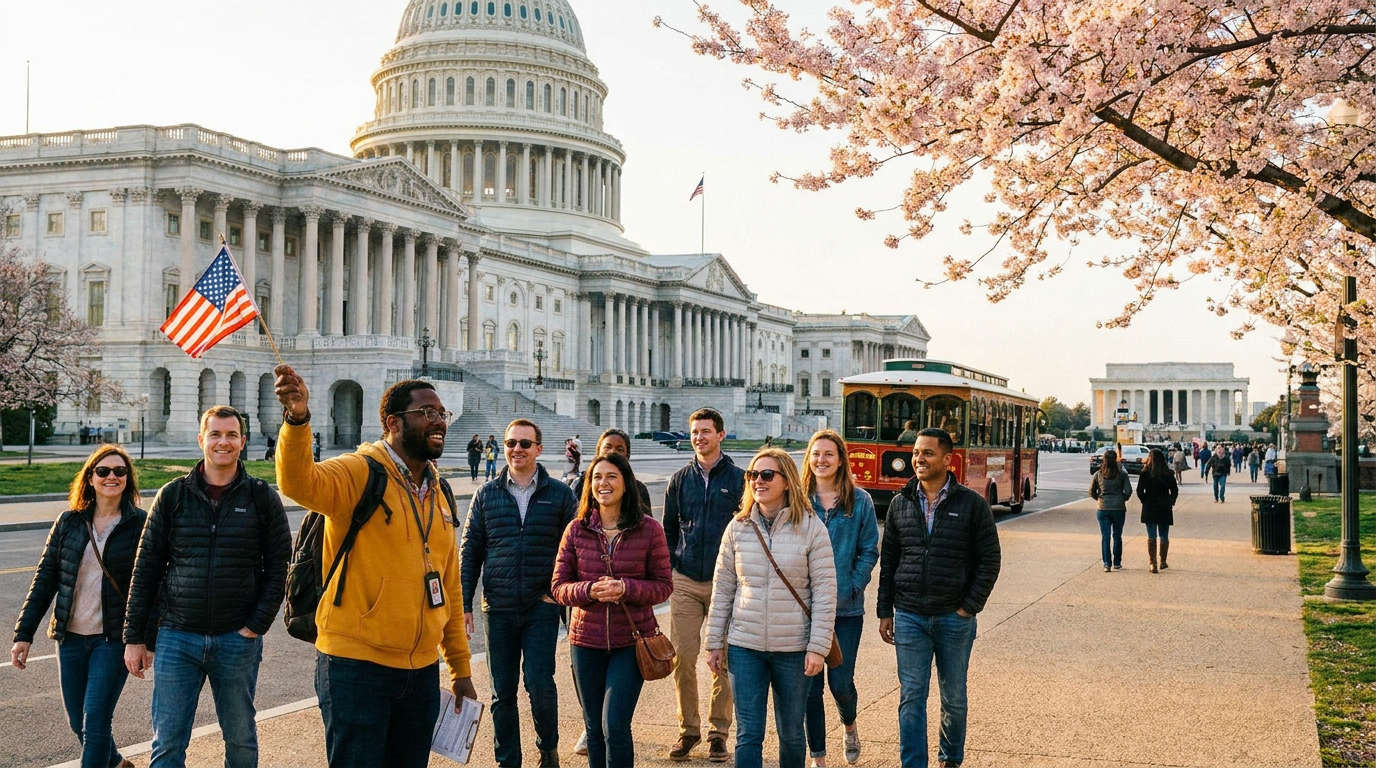
The Reality of the Independence Avenue Gridlock
The sharp scent of idling diesel exhaust cuts through the muggy air of the National Mall while passengers pray the slow street crawl somehow qualifies as one of the best tours Washington DC offers. Dozens of people sit pressed against condensation-streaked windows on the upper decks of commercial sightseeing buses. The vehicle moves at a slow walking pace. Then it stops.
Someone left a single red sneaker resting on the rim of a green recycling bin near the Washington Monument. It has grey laces. A stranger out there is navigating the capital with one shoe.
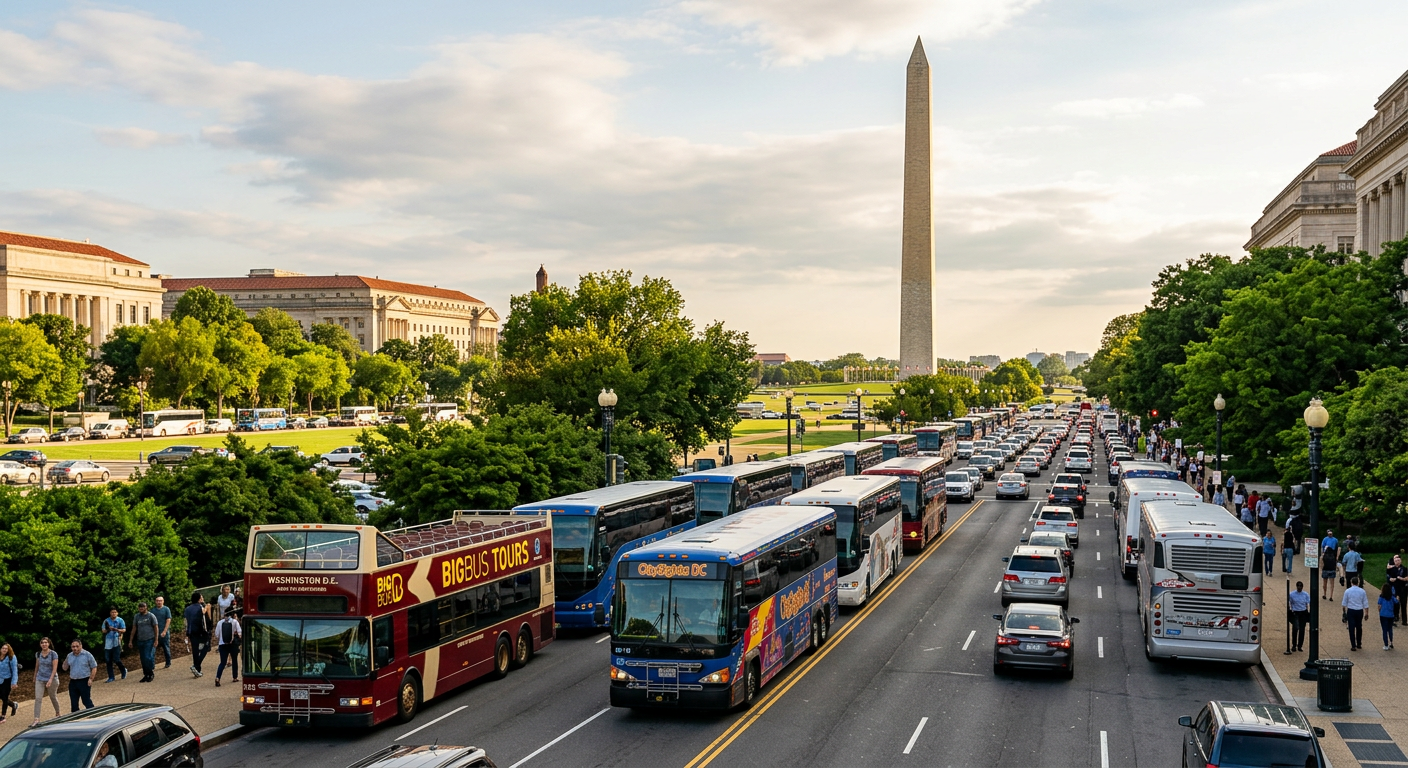
There is a bleak irony in traveling across the country just to sit in gridlock. This is the baseline reality of finalizing your 2026 itinerary. Glossy itineraries are just propaganda with better lighting. Paying to be trapped in a steel box on a summer afternoon qualifies as the standard district experience, but it does not have to be yours.
Why Passive Exploration Plagues the National Mall
My running theory is most folks just want someone else to hold the map. Operating outdoor excursions in Florida as a VisitFlorida partner with Rockon Recreation Rentals taught me to look for physical movement to gauge engagement, not just a narrator with a microphone. The standard guided coach routes here usually require sitting still in traffic while looking at statues through tinted glass.
The sidewalks along the reflecting pool consist of flat concrete panels that bake in the midday sun. People walk past the water in groups, staring at the ground to avoid the glare. Historical data from the National Weather Service indicates the average District heat index routinely pushes well above ninety degrees during the summer months.
I used to judge the people on the upper decks of those enclosed buses for avoiding the legwork. 2018 me assumed they were getting scammed on ticket prices and missing the actual street-level grit of the city. My perspective shifted standing at the pedestrian crosswalk on 14th Street watching families sweat through their shirts. Those tourists are not paying to hear historical stories. They are paying for about two hours of continuous mobile air conditioning. When you physically cannot stop sweating, buying a ticket to sit under an AC vent stops looking like a tourist trap. It becomes a basic survival plan.
Rethinking the Guided Route Saves Your Afternoon
The standard online advice tells you to rent a motorized scooter and dodge cars on Constitution Avenue. The flaw in that strategy becomes obvious the second a delivery truck merges into your bike lane. If you want to salvage your time in the capital, finding the best tours Washington DC features requires actively filtering out the pavement noise.
A walking tour with a local guide covers more ground in an hour than a bus does all afternoon, provided you route your path through the shaded sections of the park. You skip the enclosed buses during peak commuter traffic hours. You take night excursions when the monuments light up and the streets clear out. You choose electric cart routes for areas where commercial buses cannot legally park. You just have to accept the sweat.
Trading Asphalt for the Potomac River
The rhythmic, hollow thunk of a fiberglass paddle blade slicing through the Potomac River echoes beneath the massive concrete arches of Key Bridge. Up on the asphalt, thousands of people stand in line for overpriced food trucks. Down on the water, the chaotic energy of the capital dissolves into the steady drag of current against a plastic hull.
Enduring capital sightseeing used to mean mapping out the least congested crosswalks. The reality is much simpler. You abandon the mainland entirely.
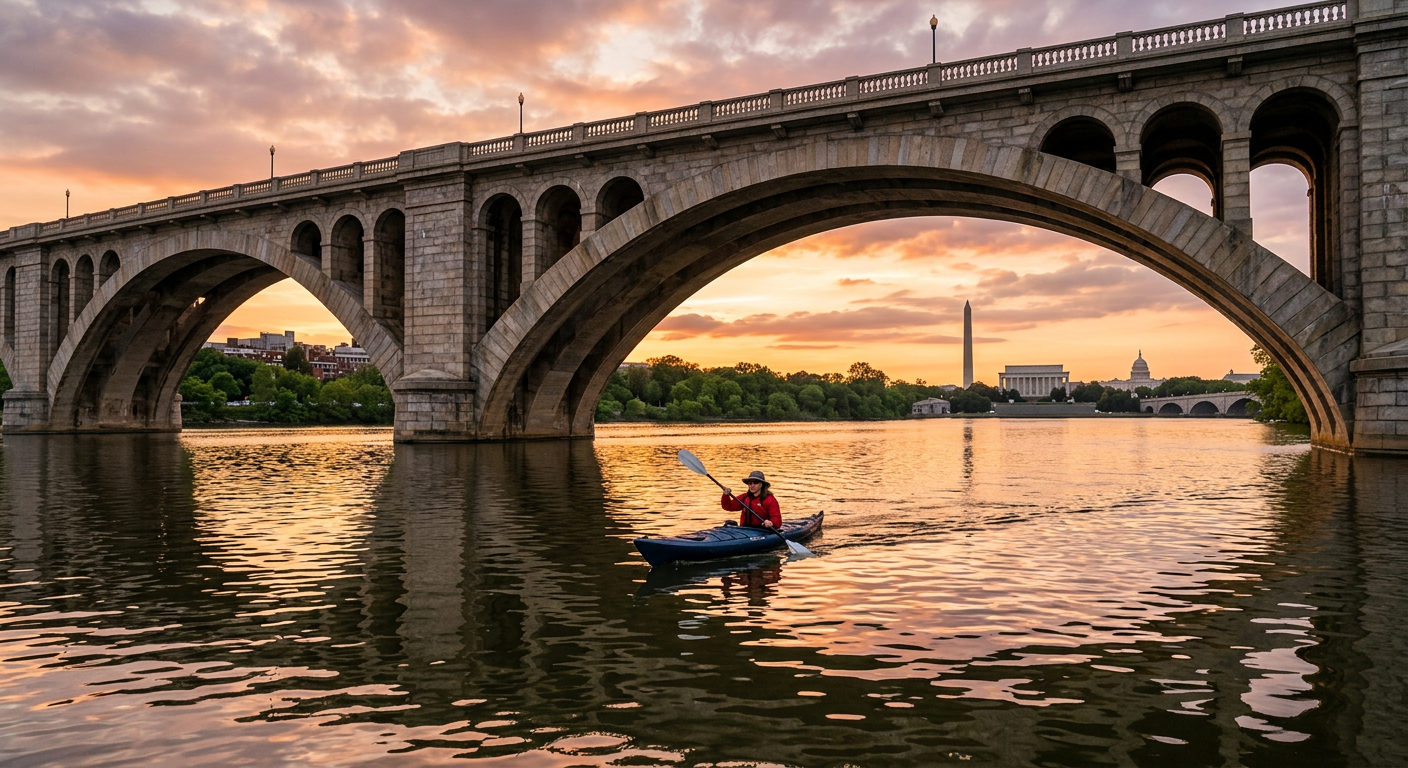
Logistics keep you alive; the chaos makes it unforgettable. You get wet, you deal with the muddy launch ramp, but you keep moving forward under your own power.
Hydrology data from the U.S. Geological Survey for this specific stretch of the Potomac outlines a sluggish summer current that makes paddling upriver simple exercise rather than a grueling endurance test. When compiling a list of the best tours Washington DC hosts today, most people default to motorized duck boats with blown-out speakers and packed bench seating. A reserved plastic boat yields better leverage, quiet monument access, and zero strangers rubbing elbows with you.
The Geography of the Water Route Works
The rough grip of a rental paddle shaft will blister your thumb if you hold the plastic too tight. Navigating the narrow channel between the Virginia shoreline and Theodore Roosevelt Island demands conscious steering. The thick canopy of oak and elm trees blocks out the urban skyline, hiding the surrounding city infrastructure. You swap marble facades for dense green shade.
You share this waterway with tense Georgetown collegiate crew teams running morning sprint drills. Their coxswains yell cadences across the channel that bounce sharply off the stone retaining walls. Motorized boat restrictions in these tight passages keep the wake low and protect smaller craft. The National Park Service operates the island as a protected preserve, leaving the shoreline natural and overgrown. Passing the Kennedy Center from the water provides clear architectural sightlines without the hazard of dodging distracted tourists on cell phones.
The river flows south toward the Chesapeake Bay. The tide pushes back against it twice a day. You have to check the charts.
The Roosevelt Island Crossing Tests Your Grit
A slick algae coating along the lower section of the Georgetown launch ramp offers zero traction against rubber water shoes. Above the waterline, the rough concrete scrapes the side of your rented kayak with a hollow, grating drag. There are no safety handrails here to help you balance. You step into the muddy Potomac, brace against the outbound current, and push off the slipway.
Tasting an occasional splash of brackish river water on your lips is the accepted price of an unscripted experience in the District. Outdoor urban paddling ranks high when curating the best tours Washington DC operators sell, simply because the customer dictates the pacing. That spatial autonomy matters when every other attraction in the city forces you into a queue.
The distance across the main channel to the tip of Theodore Roosevelt Island looks like a short, easy jump on a digital map. The crossing actually requires precisely 411 paddle strokes of pure grit against the familiar afternoon headwind. Water traffic here consists heavily of pontoon boats and college coaches blaring instructions through megaphones.
I originally assumed self-guided kayaking near the Key Bridge was a chaotic trap better left skipped. The noise from commercial airplanes leaving Reagan National Airport drowns out normal conversation every few minutes. Watching the harsh wake from a DC police boat bounce off the seawall and rock the rental fleet changed my mind. The urban disruption is the whole point. You are navigating the working artery of a major capital. It is not supposed to be a secluded wilderness retreat.
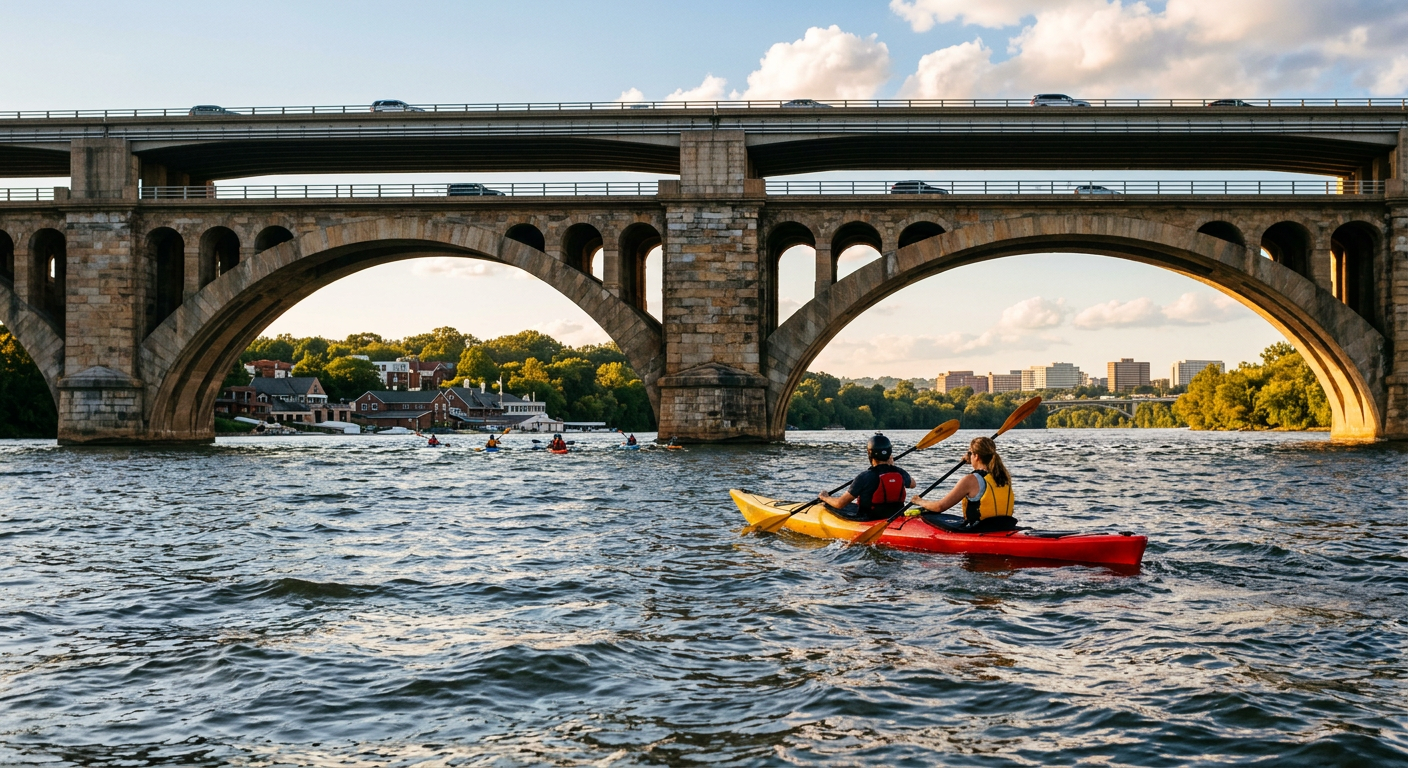
Managing rental deployments along the Gulf Coast taught me how to read commercial boat wakes before they tip beginners. The Potomac requires those same defensive driving skills. You hug the Virginia side of the channel to dodge the larger motorized vessels. According to the DC Metropolitan Police Department Harbor Patrol, marine units will actively cite paddlers for missing life jackets.
Those safety rules exist because tourists constantly slip off their paddleboards into the river. The undertow decides where they end up next.
Timing Your Next Route Around the Climate
The humid District of Columbia summer air wraps around your shoulders like a damp hot towel the moment you step out of a hotel lobby. By mid-morning, the ambient heat radiating off the white marble monuments creates a visible shimmer above the pavement. This harsh climate dictates every logistical choice if you want to skip the physical misery of August.
I actively fought the idea of setting an alarm while traveling. I considered early mornings a punishment reserved for corporate commutes. Then early sunlight broke over the Watergate complex, catching the river in ripples of gold and pink, and my whole system reset. Seeing the dawn light hit the Kennedy Center facade makes that morning wake-up call feel less like a chore and more like an inside secret. Booking one of the best tours Washington DC boasts in 2026 means taking brutal control of your launch time.
The rental kiosk sits along the waterfront near Georgetown. Piles of orange life jackets rest on a wooden rack next to the ramp. A row of yellow kayaks aligns with the current of the river, waiting for the first wave of customers.
Our organization points to the tactical benefits of swapping asphalt for water when the forecast climbs. A morning paddle gives you about an hour of prime sightseeing weather before the heat index spikes and the river breeze dies. According to the National Park Service, public waterfront access points remain open year-round for non-motorized craft. Bypassing the sweltering midday monument crowds turns a standard guided push into an engaging stretch on the water.
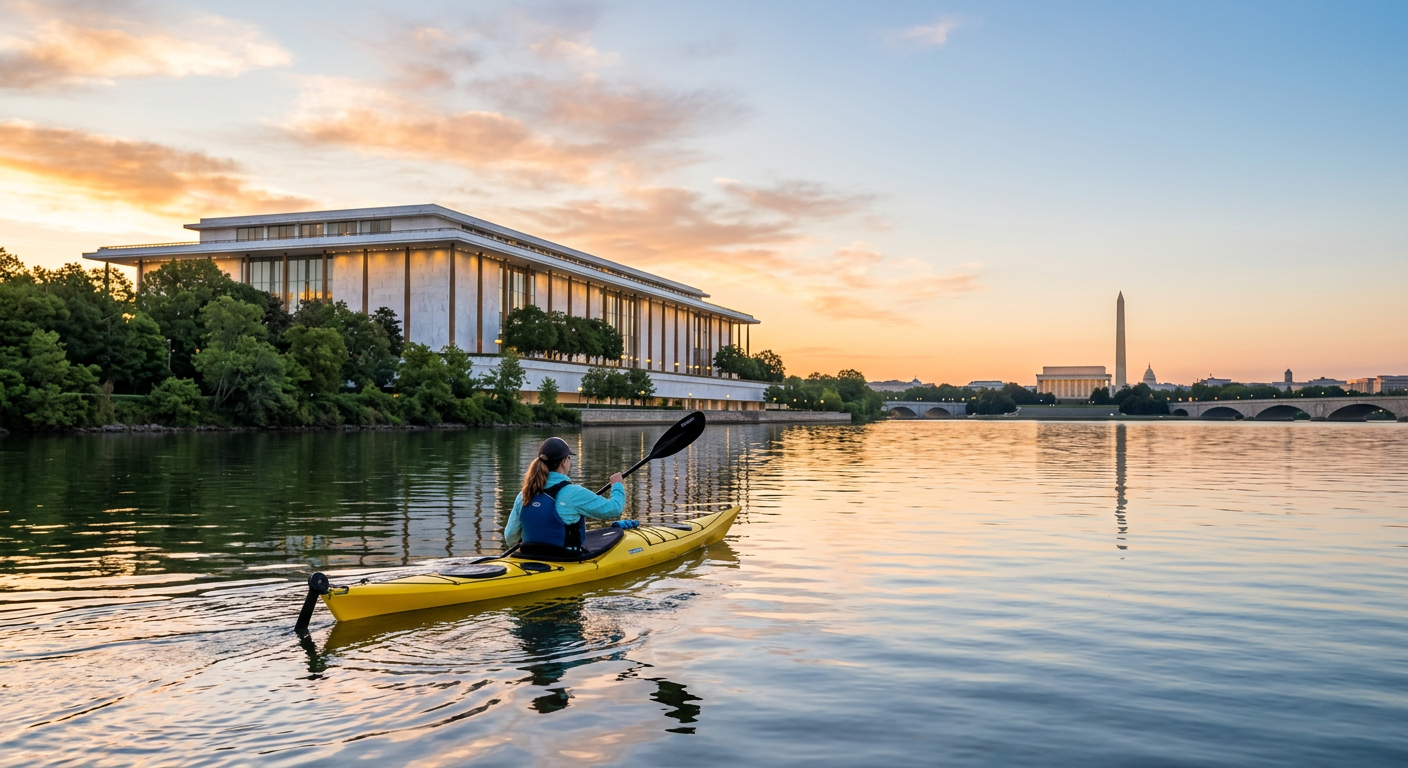
The distinct beauty of navigating the capital by boat rests in the sheer independence of the route. You leave the exhaust fumes and tour bus gridlock far behind you on the baking pavement. The slow current guides you past Theodore Roosevelt Island and guarantees a front-row view of national landmarks without fighting through the pedestrian traffic.
The river does not care about your carefully planned itinerary. You just dip your paddle and let the tide sort out the rest.
Plan your trip: Ready to experience this firsthand? Book Rental - Single Kayak at Key Bridge directly through our marketplace.