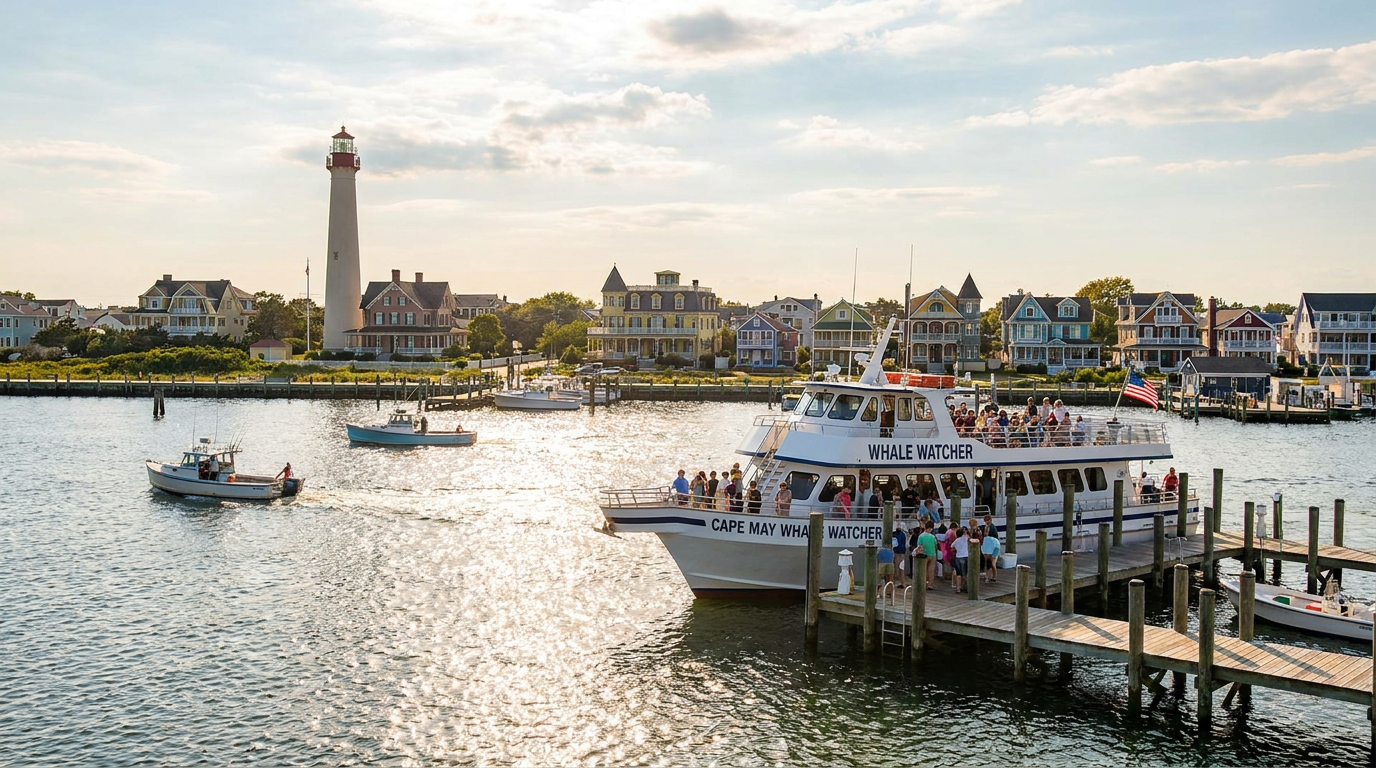
Trading Asphalt for the Delaware Bay
The scent of hot asphalt and melting mint chocolate hung over the pavement at 5:45 PM. Washington Street Mall had reached its peak summer density. Sunburned families walked in a slow, synchronized trance, clutching cardboard boxes of fudge and searching for vacant benches. Moving a vehicle down Lafayette Street meant joining a static line of brake lights. This is the exact hour you need to be actively walking away from the historic district.
Beige travel dictates you join the masses. You put your name on a clipboard at a seafood house. You wait 94 minutes for a table. You eat. I used to subscribe to that mainland routine. Today, I know the real utility of booking Cape May excursions lies in their ability to remove you from the dinner rush completely.
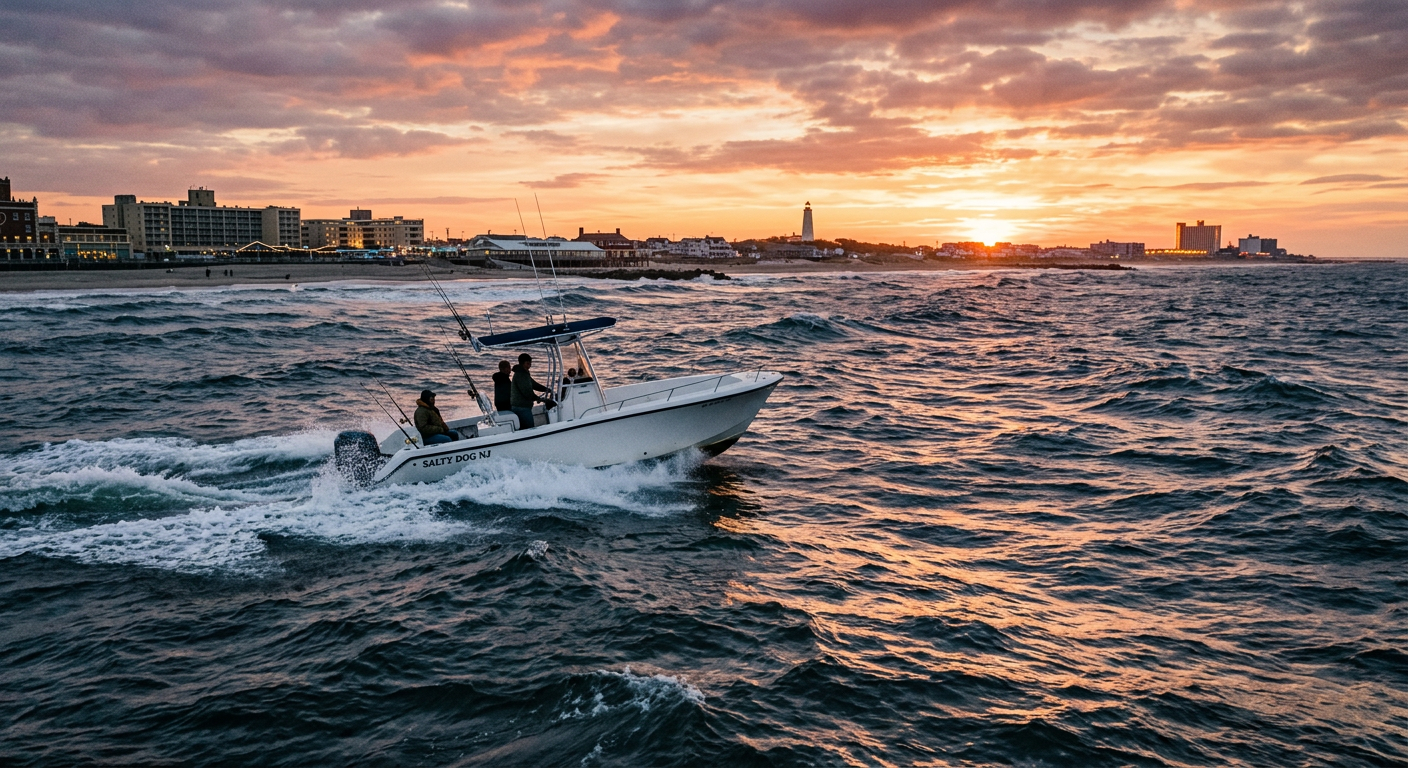
Down south, where I have handled local boat itineraries as a VisitFlorida Travel Partner since 2018, we battle the exact same evening gridlock. Coastal towns follow a predictable migration pattern. The beaches empty at four o'clock, the showers run, and by six, everyone is fighting for a parking space near a restaurant. The smartest strategy for navigating the 2026 season is structural avoidance. While three thousand vacationers stare at buzzing pager discs in host stands, you can be stepping onto a fiberglass deck.
The transition from land to water is immediate. The ambient heat radiating from the brick walkways vanishes the moment your rubber soles hit the wooden marina docks. The sharp, clean grit of salt spray replaces the heavy humidity of the mainland. The Atlantic current already pulls at the hull of the skiff. Goodbye, landlocked chaos.
The Mechanics of the Marina Exit
Here is a quiet fact about the municipal harbor layout. The main parking lots near the commercial slips clear out right as the dinner rush begins. You can pull an SUV into a prime spot without circling the block. A teenager dropped a single waffle fry near the parking meter at the marina entrance. A gull swallowed it whole without breaking stride and flew toward the lighthouse.
According to federal flow data from the National Oceanic and Atmospheric Administration, tidal currents off this peninsula run fast. You feel that mechanical push the second the captain clears the stone breakwater. It makes the ride unpredictable in the best way possible. The ocean possesses its own schedule, indifferent to reservation times.
Navigating the Midday Sun Trap
Most visitors lock in a noon departure right after grabbing a slice of pizza. I understand the logic. You want bright light for photographs. You want the classic daytime panorama.
2019 me thought a midday harbor cruise was the gold standard for marine tourism. 2026 me looks back at those sunburned memories and cringes. I was wrong about marine timing. The midday sun beats straight down, flattening the landscape. The glare washes out the horizon, and heavy regional boat traffic chops up the shipping channels into a turbulent mess. You spend two hours sweating through your shirt while clutching a lukewarm bottle of water.
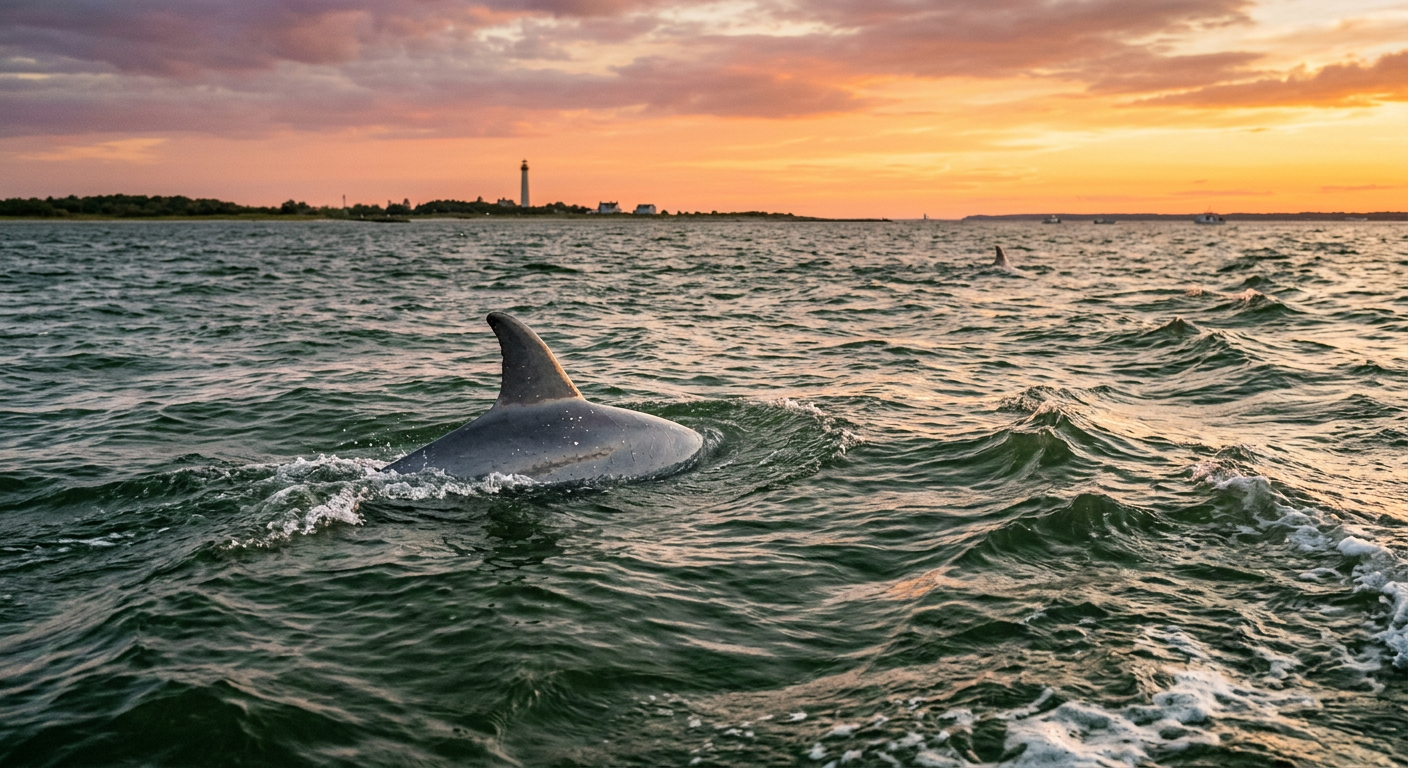
Sunset slots offer a distinct shift in coastal physics. The territorial winds finally lay down. The harsh glare vanishes, replaced by a low, grazing light that fractures across the Delaware Bay into copper prisms. According to regional models from the National Weather Service, coastal wind speeds predictably drop as the mainland cools off. The water settles into a smooth roll.
The Marine Migration Shift
Twilight brings out more than just manageable temperatures. The dynamic changes beneath the hull. Coastal dolphins tend to feed closer to shore as the noisy recreational boat engines tie up for the night.
Research from the National Marine Fisheries Service shows these local pods rely on the bay's nutrient-rich summer outflows to hunt schooling baitfish. Understanding their feeding patterns makes it easier to appreciate why seasoned captains ignore the GPS coordinates from yesterday's trip and instead steer toward specific tidal rips. A shifting current means bait. Bait means wildlife.
If you are browsing through options on Rockon Recreation Rentals for the upcoming weekend, filter your search to exclude the high-sun hours. You trade the crowds for a much higher probability of quiet surface encounters.
Unpredictable Soundscapes and Silences
The sharp hiss of a blowhole breaking the surface tension hits your ears first. It sounds like a scuba diver purging an air valve just inches from the fiberglass hull. You scan the dark Atlantic chop to locate the source. By the time your eyes lock on, the gray crest is already slipping beneath the dark water.
I cannot prove this, but these mammals seem to know when your phone is hidden away. The moment you stash the lens inside your jacket, a juvenile launches itself into the evening air. Photographing a fast-moving fin from a rocking deck usually gets you a blurry shot of empty water and a crooked horizon line. Trust your gut on this. Let the device rest in your pocket.
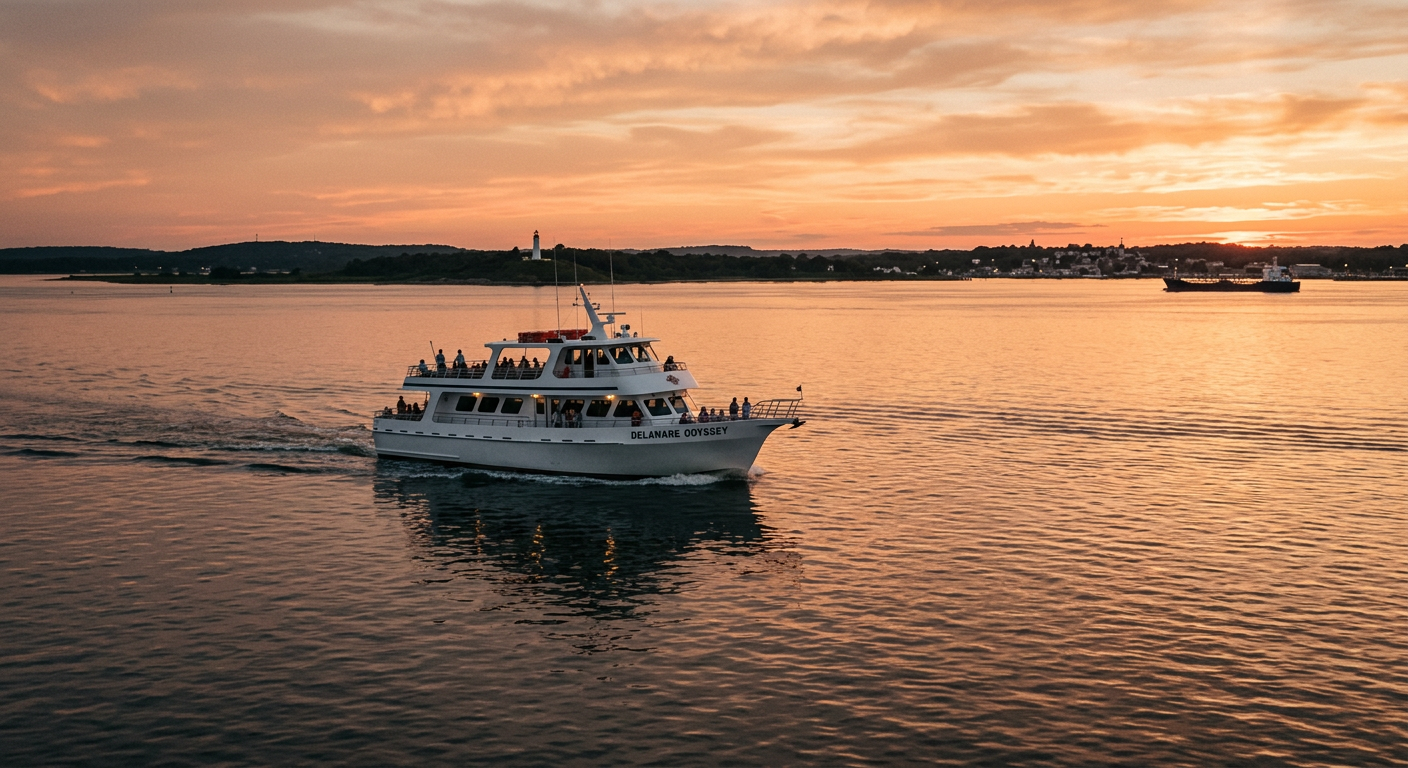
A commercial diesel engine vibrating through the deck plates is your first clue you picked an inferior tour. The low, rhythmic chug of a smaller outboard motor is what you want. Finding authentic Cape May excursions requires dodging the floating nightclubs. Skip the vessels radiating neon light from the stern.
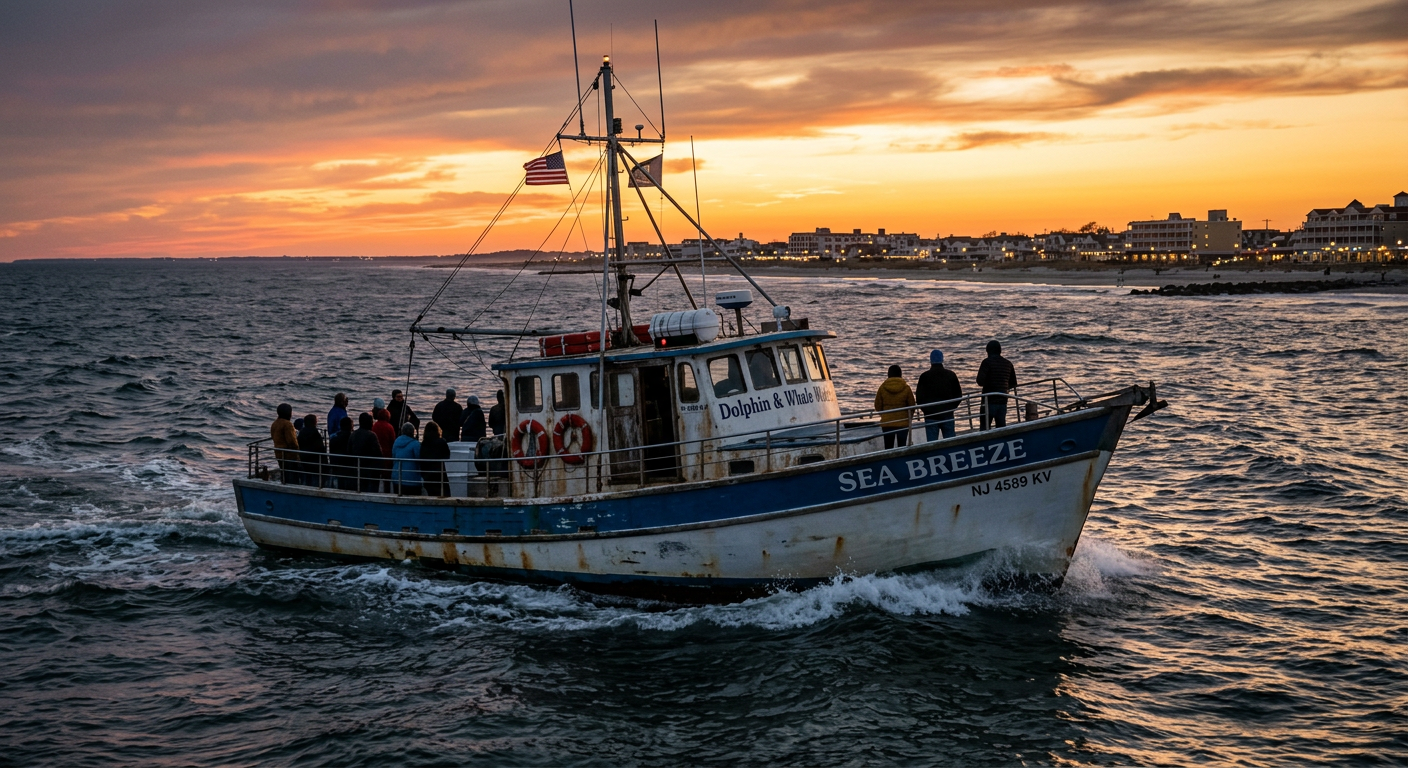
The group dynamic on a smaller boat shifts at dusk. I assumed sharing a deck with two dozen strangers would ruin the salt-air isolation. The reality proved different. When a small pod crested near our hull, nobody spoke. The collective silence made the encounter sharper.
The Port Side Avoidance Strategy
If a landmark appears on a glossy brochure, the water around it is already jammed with tourists idling in jet skis. Your best marine observations happen when you look in the opposite direction of the famous architecture.
Marine scientists at Rutgers University track how these complex feeding migrations follow the bait run, which rarely aligns with the most photogenic lighthouses. When operators turn off their engines and let the ecosystem talk, you hear the actual mechanics of the bay.
The Mainland Disconnect and Layers
Forget the municipal bank thermometer. The ambient temperature plummets the second the captain pushes the throttle past the final jetty. You sense the sudden drop on your arms before the shoreline even begins to shrink. The humid blanket of the town gets left behind in the wake.
The physical reality of an evening maritime departure requires specific logistical planning that brochures ignore. The temperature off the coast is unforgiving to the unprepared.
The Functional Wardrobe Protocol
Here is the unglamorous truth about dressing for the coastal evening draft.
- Leave the canvas boat shoes in your hotel room. Flat rubber soles hold steady when a random port-side tilt rocks the vessel. Bare feet seem tempting until you step on a stray fishing weight or a slick patch of seaweed dragged onto the deck.
- Pack a synthetic shell layer. A thick cotton hoodie acts as a damp sponge once the coastal spray hits it. Search the local listings and note what the working captains wear. Windbreakers remain your ultimate defense against the Atlantic chill.
- Sit near the aft bench. Claiming a spot near the bow guarantees a wet shirt. The forward hull slices into incoming swells and throws the displaced water backward. The pilot house blocks the worst gusts if you position yourself behind it.
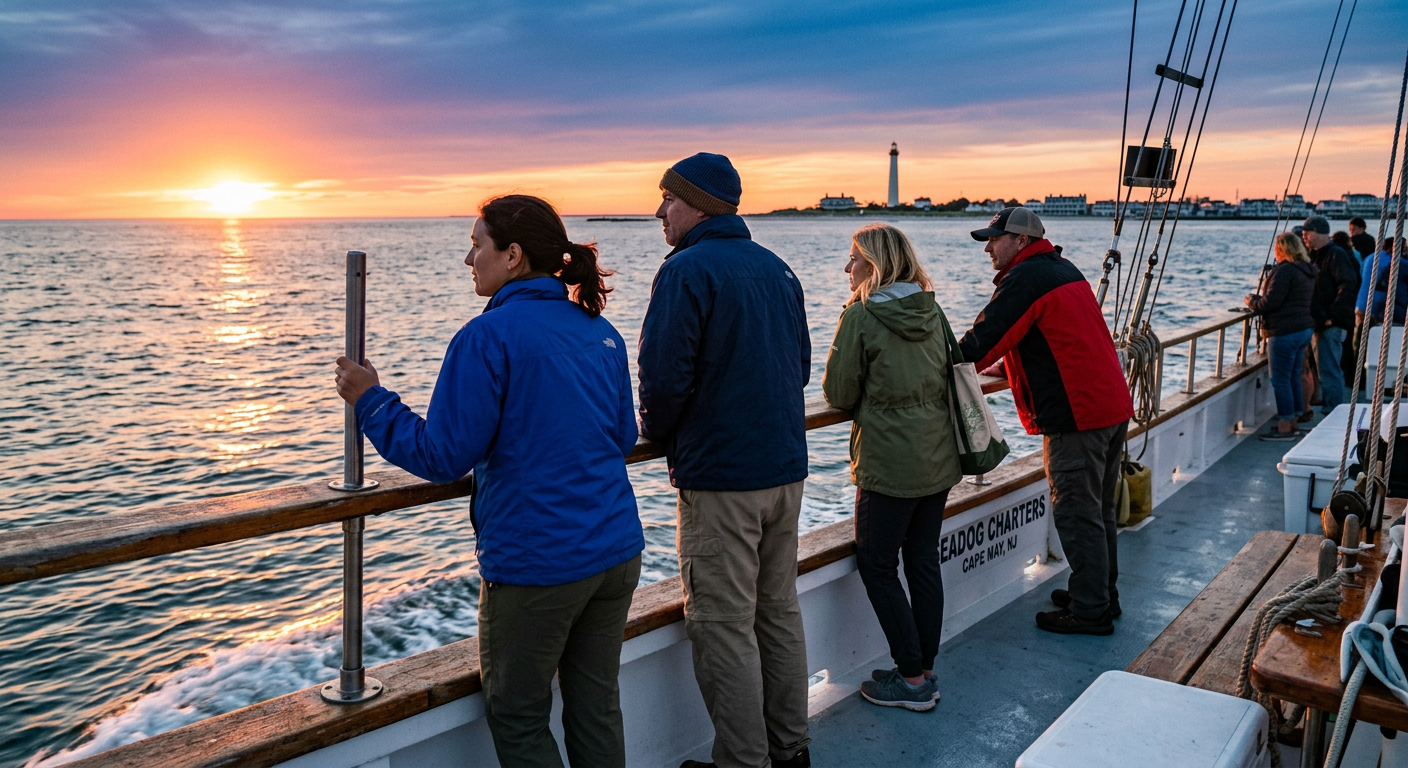
Passengers who board in thin tank tops inevitably end up huddled against the engine casing for warmth by hour two. It happens on every late departure. The ocean operates on its own climate rules. Respect the sudden shift.
Surface Tension and Final Approaches
Most tourists who stare at the horizon miss the structural changes occurring directly beneath them. Excellent maritime guides rely less on radar tracking and more on observing the changing water texture. Technology documents the depth of a trench, but a trained human eye identifies exactly where baitfish are staging against the incoming tide.
I sat on the wooden bench assuming a sudden stop meant a mechanical failure. Shutting off the motor near an active shipping lane felt like a rookie maneuver. Then a sharp exhalation broke the surface tension just off the front bow.
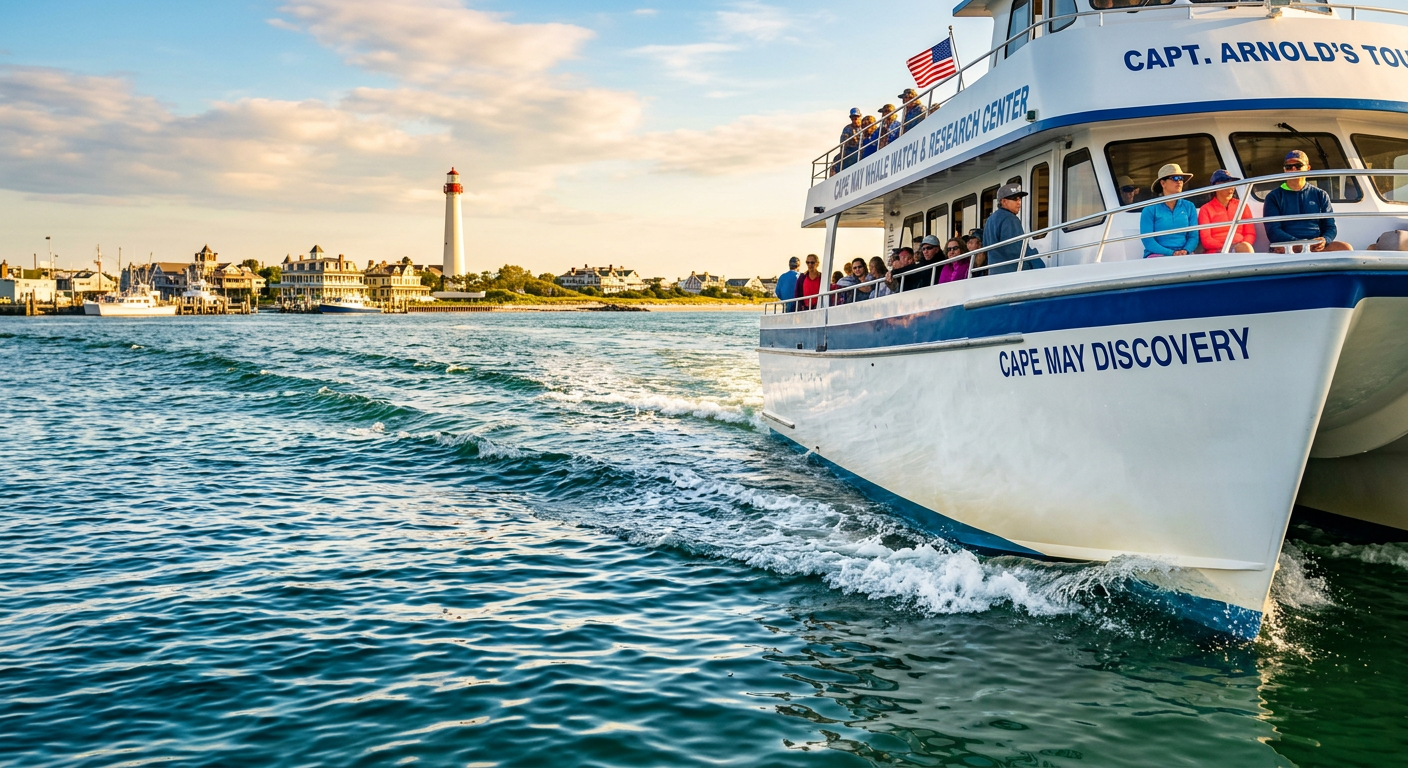
The pilot did not locate them on a brightly lit screen. He simply heard the current shifting defensively around their coordinated movement. The engine dropped into neutral. Four gray dolphins surfaced near the starboard rail. They swam parallel to the white hull for about ten minutes. The water was choppy. The wind felt cold.
Standard safety mandates from the United States Coast Guard dictate that commercial vessels carry specific electronic navigation tools. Those instruments are essential for avoiding barges in poor visibility, but they rarely find the quiet moments.
We secured the dock lines just as the municipal marina lights buzzed on. The wet fiberglass deck stopped swaying under our boots. I looked back at the channel. The dark tide continued pulling against the wooden pilings, rushing back toward the open ocean without us. The steakhouse line back in town was probably still out the door.
Plan your trip: Ready to experience this firsthand? Book Cape May Sunset Cruise – Wildlife and Scenic Views directly through our marketplace.