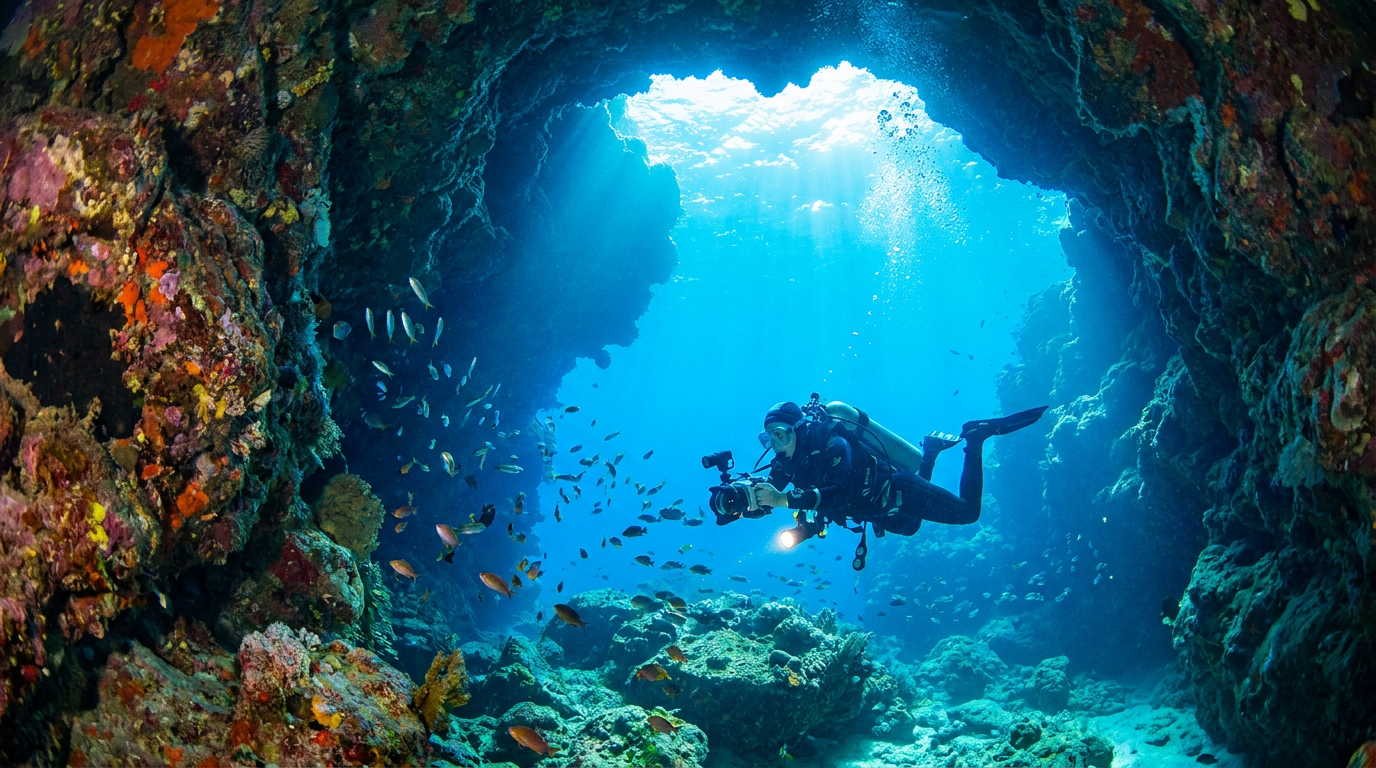
Is Blue Grotto Diving Worth It An Honest Guide To Florida Waters
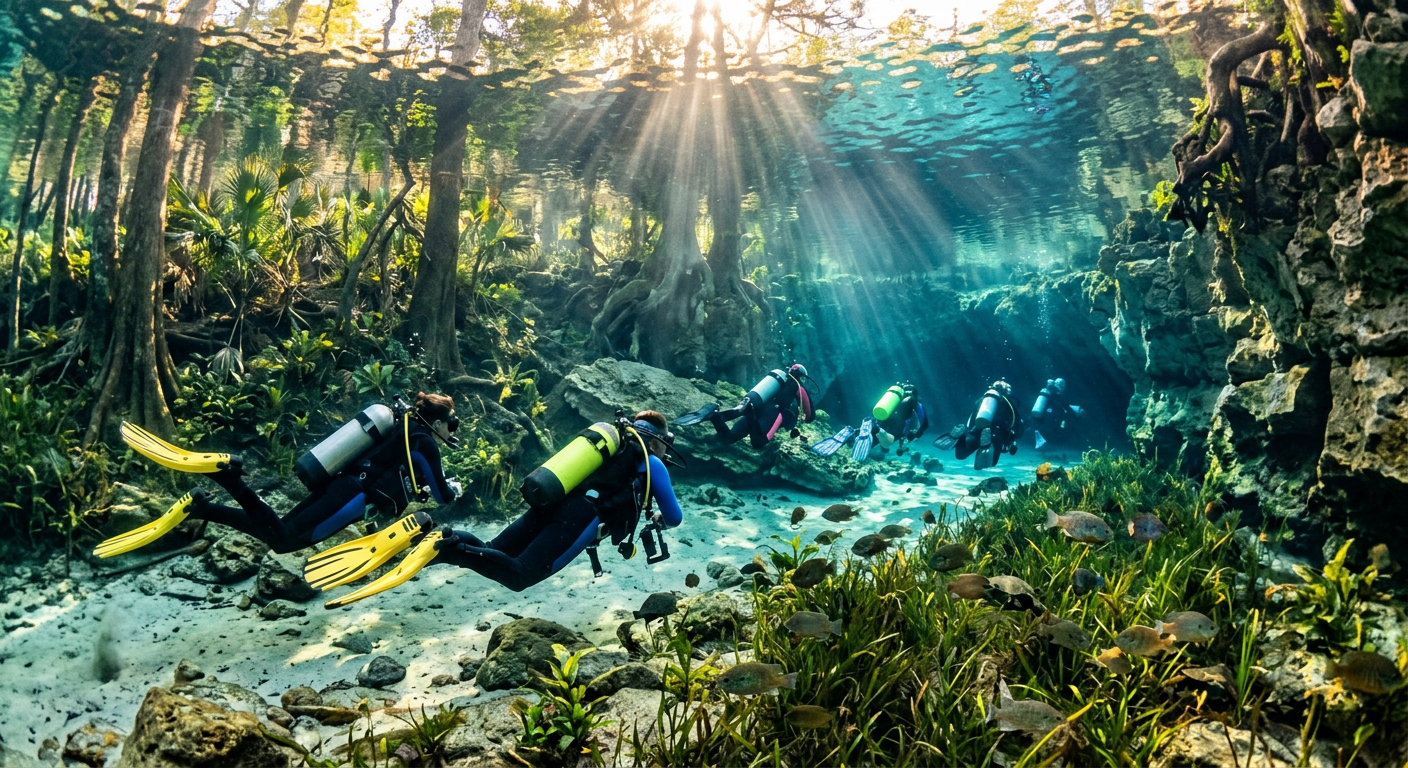
For most Florida visitors, blue grotto diving starts with the smell of diesel, wet neoprene, and the metallic tang of compressed air. It is early morning on a Tuesday. The overflow grass lot is full. According to Florida State Park visitor data, inland spring traffic has surged by roughly forty percent since 2019. The official capacity limits are supposed to keep the experience manageable. They do not. The gear benches are damp from the previous group.
Brochures promise an isolated descent into clear aquifer water. The reality is a staging area that feels like a bus terminal where everyone happens to wear a wetsuit. The main basin hits a depth of roughly a hundred feet. Looking down, the water is clear on paper. But the sheer volume of neon fins kicking up silt makes the bottom look like a hazy construction site. If it is on a postcard, it is a trap.
Finding The Quiet Water
2019 me would have written off the entire inland spring ecosystem as an unavoidable chore. 2026 me knows better. Ditch the main entry points and head toward the lesser-known coastal sites near Nokomis. The Florida diving scene redeems itself here.
The rhythmic slap of water against the fiberglass hull is the only sound as you slip backward off the boat at a quiet Gulf reef. Gulf currents push visibility to a reliable forty feet on a good day. It isn't the clarity of a freshwater cavern. The quiet makes the ocean feel vast and indifferent.
Basic blue grotto diving has its place for certifications and checking a box. But spending your vacation waiting in line for a safety stop is a miserable way to burn paid time off. Nokomis sits a short drive south of Sarasota. Down here, the focus shifts to open saltwater ledges. The only traffic jam is a school of passing tarpon.
Why Nokomis Beach Is The Antidote To Crowded Springs
The Sarasota County tourism site pitches Nokomis Beach as a pristine family shoreline. It is fine for families. The sand is notoriously coarse, and the weekend parking situation will test your patience. If you want the real draw, you have to look past the beachgoers and head off the coast.
Trading Caverns For Coastal Fossils
A lot of divers treat blue grotto diving as the pinnacle of a Florida trip. You get depth and predictable water temperature. You also get a monitored experience that feels like an amusement park ride. Beige is a sin.
Out here, the game changes to benthic fossil hunting. The Gulf sits around eighty degrees in late May. The ambient humidity wraps around your neck the moment you zip your wetsuit up to your chin. It feels like wearing a damp blanket.
Visibility offshore averages maybe twenty feet on a decent afternoon. You will not see across a football field. You will stare closely at the sandy bottom, listening to the metallic scrape of your own regulator.
The fossil beds are picked over. Decades of charter boats have stripped the Gulf floor bare, or so the rumor goes. According to researchers at the Florida Museum of Natural History, shifting sands expose new fossil layers after major storms. About half an hour into a drift dive, I found a three-inch Megalodon tooth half-buried in the silt.
The Bait Shop And The Boat Ramp
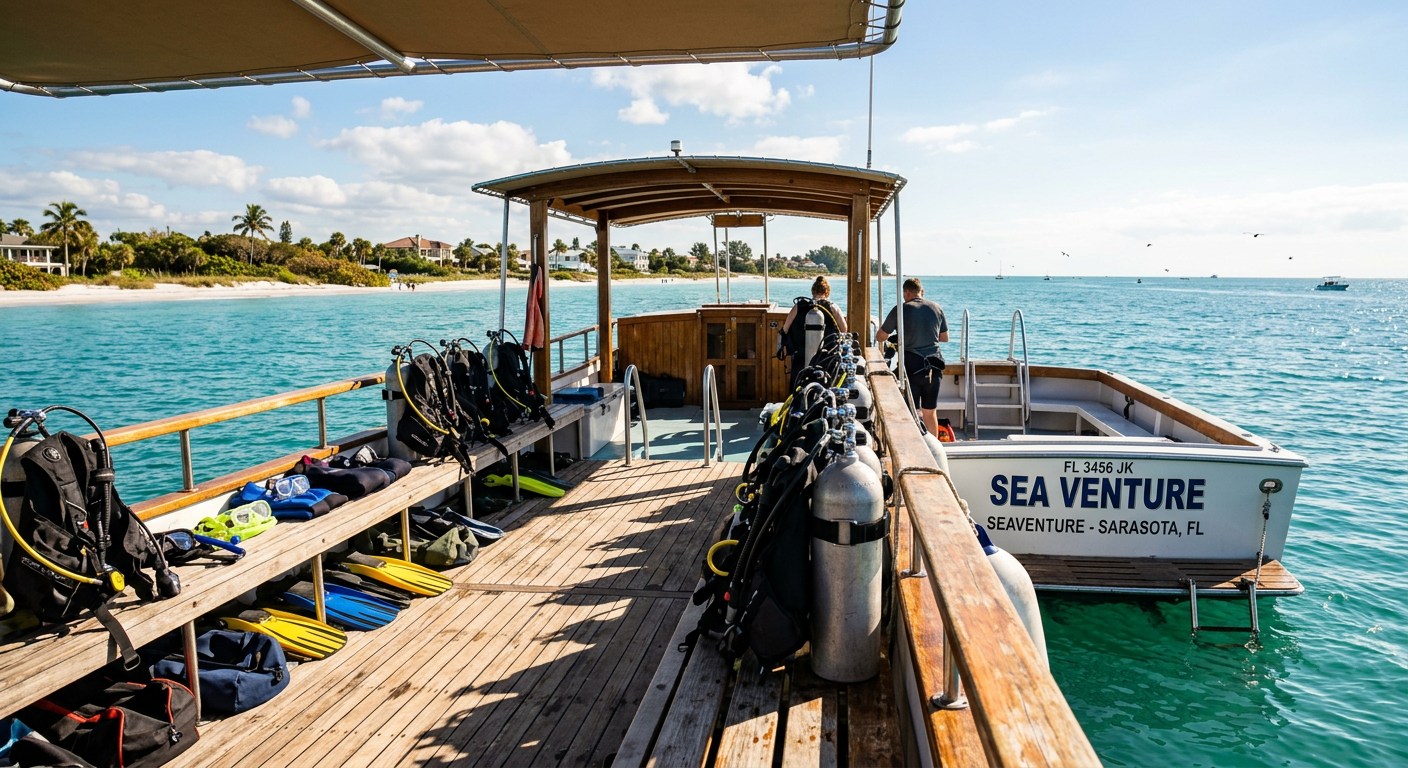
You launch near the Albee Road bridge. There is a bait shop near the Nokomis boat ramp with a faded neon sign. It buzzes loud enough to hear over the idling outboard motors. The sign has been missing the letter 'O' for years, giving the storefront a sort of gap-toothed grimace. The air around it smells of dead pilchards and engine grease.
Book a charter through Rockon Recreation Rentals, a VisitFlorida Travel Partner, to hit the fossil beds. Skip the logistical headache of launching a boat yourself. Let someone who actually knows the coastal currents drive.
The boat ride out takes under an hour. The coast slowly disappears behind the wake, replaced by the vast, unbroken horizon of the Gulf.
The Sensory Shift From Blue Grotto Diving To The Gritty Gulf
The briny taste of stirred-up Gulf sediment hits your mouthpiece the second you drop below the surface. The transition from controlled environments to tidal zones is sharp.
The 2026 NOAA buoy data promised a manageable two-foot chop. That sounded pleasant on paper. I cannot prove this, but local tourism boards seem to pretend the Gulf is a placid swimming pool year-round. It isn't. You will get tossed around.
Marketing brochures show divers floating over white sand. The reality out here is murky green water. It limits your sightline to maybe fifteen feet. It feels a bit claustrophobic for the first ten minutes.
The restricted sightline forces you to focus on the ground directly beneath you. That constraint actually turns the dive into a hyper-focused treasure hunt. The initial frustration vanishes the moment you spot a dark shape in the rubble.
Fossil Hunting In The Coastal Current
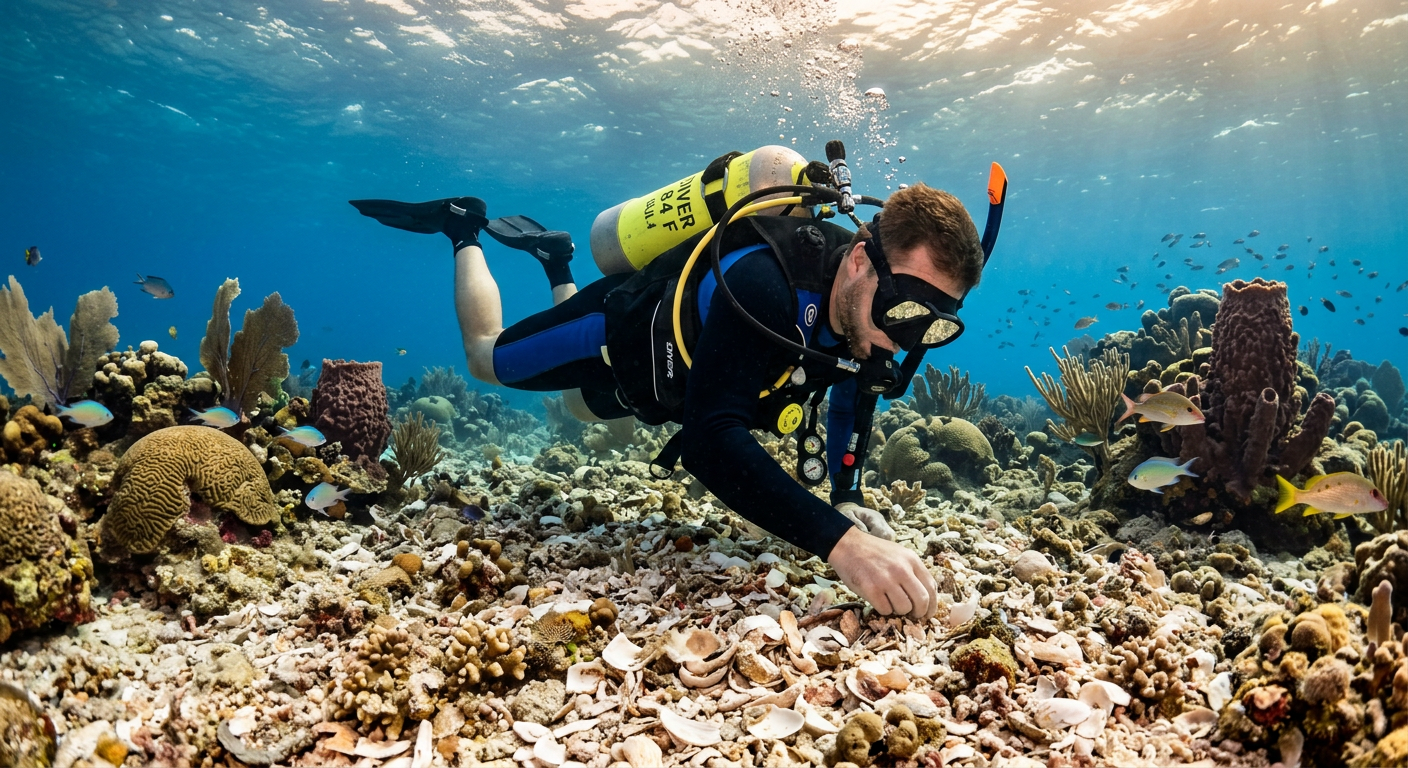
You drag your hands through the coarse shell hash. Broken fragments of clams and scallops scrape against your neoprene gloves. The texture is rough, like dragging your knuckles across shattered cinderblocks.
The tactile feedback rewires your brain. You stop looking for passing fish and start analyzing shapes in the dirt.
The prehistoric sharks that left these teeth lived millions of years ago. Holding a heavy, black fossil in your palm makes the surrounding ocean feel old. It does not care that you are there.
Regional paleontological surveys suggest looking near the exposed limestone ledges. Digging through this layer is exhausting work. The surge pushes you back and forth. It drags your knees across sharp barnacles that will ruin a cheap wetsuit. Watch your buoyancy.
A Different Kind Of Dive
We surfaced later with pockets full of fossilized dugong ribs and a few small shark teeth. The boat deck smelled of marine algae and diesel. It replaced the sterile chlorine scent of the inland gear wash stations you find after blue grotto diving.
Teeth you find are rarely the giant, intact triangles you see in museum gift shops. Most are chipped, worn, and half-buried in gray sludge. That imperfection makes them real.
The engine cut out as we drifted near the Venice jetties. Nobody spoke for a few minutes. We just sat on the fiberglass benches, watching the pelicans dive into the wake. The water lapped against the hull. It was late afternoon. The sky was turning a hazy purple over the Gulf. The boat swayed.
Megalodon Teeth And The Actual Reason We Head South
Forget the clear visibility of traditional blue grotto diving for a second. We are down here for something older and grittier. In Nokomis, we sift through mud looking for million-year-old apex predators.
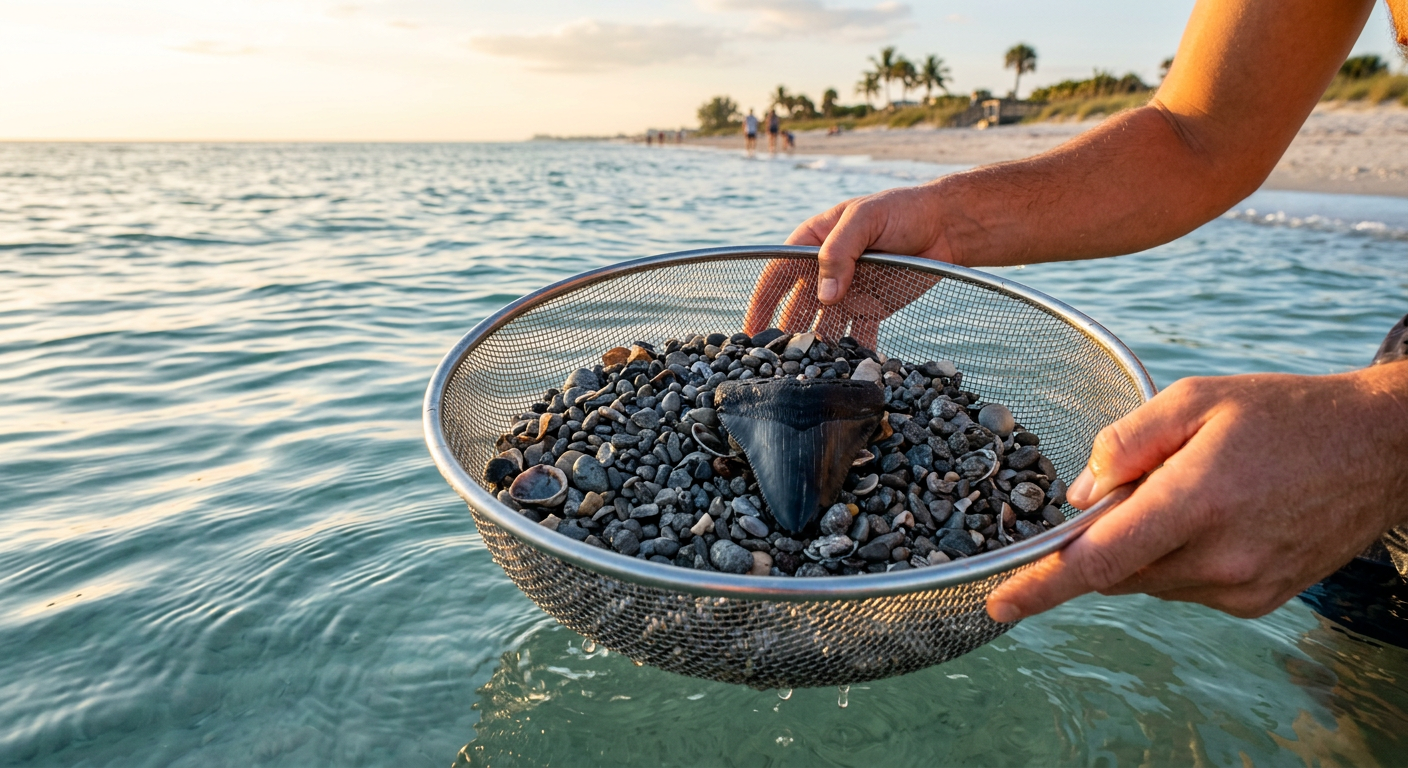
You step off the boat and your boots sink into soft, shifting sand. The Gulf water near the shore is murky today. It is a clouded greenish-brown. Underneath the surface, sifters scrape against the submerged shell beds.
It takes exactly 41 minutes of staring at grey rocks before your eyes adjust to the black sheen of a fossilized tooth. Once that visual switch flips, the ocean floor changes from a pile of rubble into a treasure map.
I spent years thinking the inland springs were the peak of Florida diving. Sitting on that boat, holding a chipped piece of black enamel, I realized I had been doing it wrong. The sterile clarity of the springs isn't an adventure; it's a swimming pool with a deeper bottom. This murky, shifting sandbank is the actual wild Florida.
Mastering The Nokomis Sift
The ideal window is a couple of hours before low tide. Currents pull back just enough to expose the richest fossil beds near the Venice and Nokomis coastlines. The guide hands out floating screens and small trowels. We wade chest-deep into the surf and start digging.
Booking a Shark Tooth Hunting Adventure through Rockon Recreation Rentals makes the process straightforward. But it is physically repetitive. Your shoulders will ache after an hour of shaking heavy, wet gravel against the surf. It is manual labor disguised as a vacation activity. The payout makes it easy to ignore the strain.
When you pull up an intact, two-inch Megalodon tooth, the skepticism fades. The serrated edges are sharp enough to catch your thumb. The late morning wind off the Gulf is warm. Dried salt tightens the skin on your face. The water rushing through the wire sifter sounds like heavy rain on a tin roof.
Understanding The Venice Anomaly
The geological mechanics of this coastline explain the abundance of teeth. The Peace River Formation runs beneath the Gulf here. It serves as a natural conveyor belt, depositing Miocene-era fossils along the coastal shelf whenever a strong storm stirs the bottom.
Most divers assume these teeth are simply scattered randomly. They aren't. They collect in specific depressions along the limestone ledges. Learning to read the ocean floor contours saves you from spending an hour sifting barren sand.
Finding a hot spot feels less like luck and more like reading a map nobody else has. You watch the way the current drops heavier debris into shallow trenches. That is where you dig.
Gear Adjustments For Blue Grotto Diving Vs Coastal Hunts
The heavy mesh collection bag feels rough and abrasive against your bare palm. It is cheap, neon yellow, and indispensable. What works in a controlled environment like blue grotto diving does not translate to a murky fossil bed.
The fossil ledge sits roughly thirty feet below the surface. At that depth, ambient light fades to a muted, greenish twilight. The sandy bottom looks like an endless lunar desert. Your standard gear configuration requires an overhaul. Half my expensive D-ring accessories were just liabilities. Retractors, bulky dive slates, and secondary lights turn into snag hazards when hugging the ocean floor.
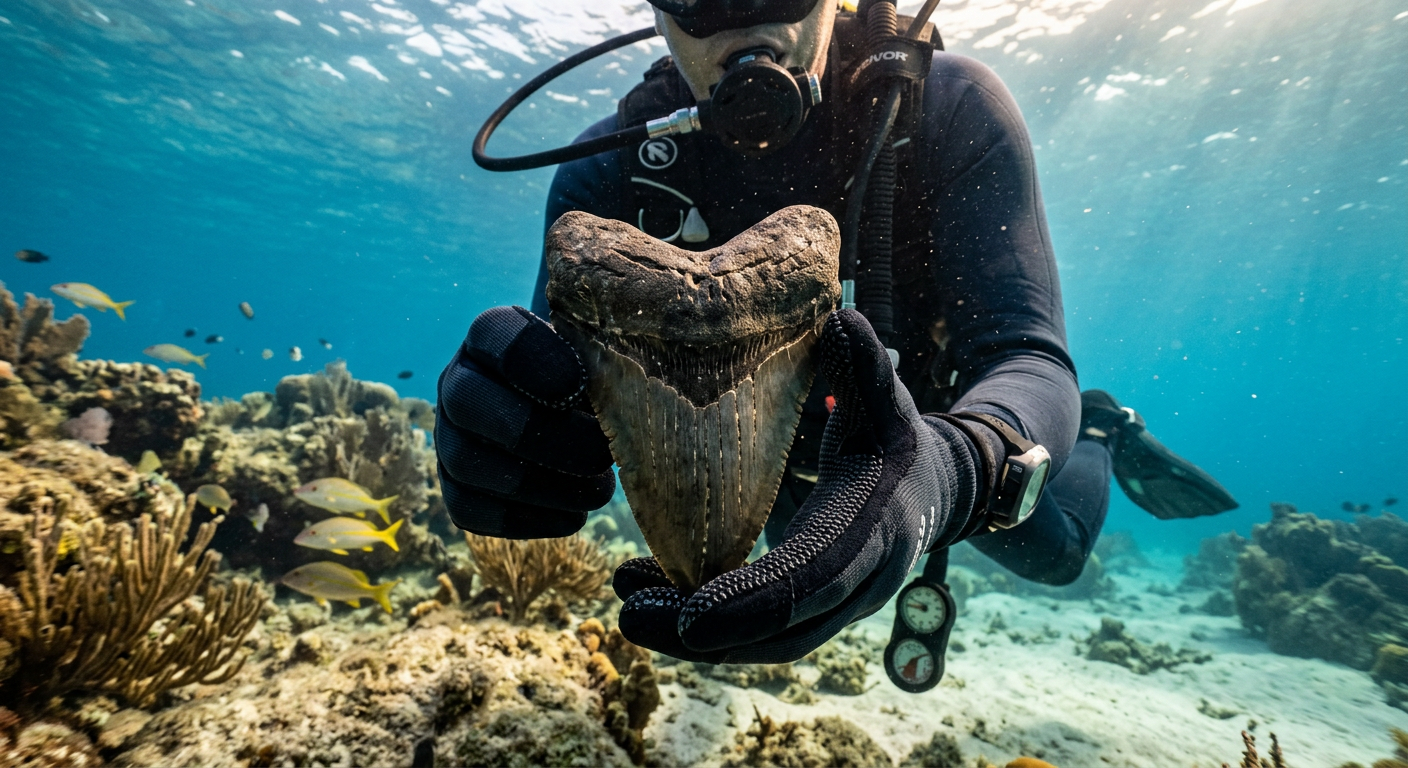
The current carries a faint, salty taste of disturbed sediment right through your mouthpiece. The water feels thick with suspended sand. Visibility drops to about three feet once you start digging. It feels less like diving and more like underwater gardening.
Essential Tools For The Gulf Floor
You drag your fingers through the sediment. A solid, serrated edge catches against your thick neoprene glove. That sharp edge is why good Kevlar-lined gloves are non-negotiable. A standard tropical reef glove will tear to shreds on the shell hash within twenty minutes. At minute twenty-one, the saltwater finds every tiny cut on your fingers.
Ask the local outfitters for fossil hunting gloves. They know the terrain. Their recommendations save you from arriving back at the boat with bleeding knuckles.
The mesh bag grows heavier with every fossilized shark tooth. You surface slowly. Your hands ache from gripping rocks, and you cannot wait to sink back down.
Logistics Bridging The Gap Between Springs And The Sea
The pavement on Interstate 75 hums with the relentless vibration of eighteen-wheelers heading south. The central Florida pine forests give way to the salty air of the Gulf Coast. The drive takes a couple of hours.
The stretch through Tampa is a necessary evil. Traffic there is a slow crawl of aggressive lane-changers and sudden stops. Leaving early helps beat the worst of it. Gas station coffee tastes like burnt cardboard, but the caffeine pushes you through the highway monotony. The stark contrast makes both sides of the trip better. It frames the quiet vastness of the ocean against the contained drama of the sinkhole.
Making The Schedule Work
Do yourself a favor and book the afternoon Nokomis dive. The light filtering through the Gulf water mid-afternoon is worth the highway drive.
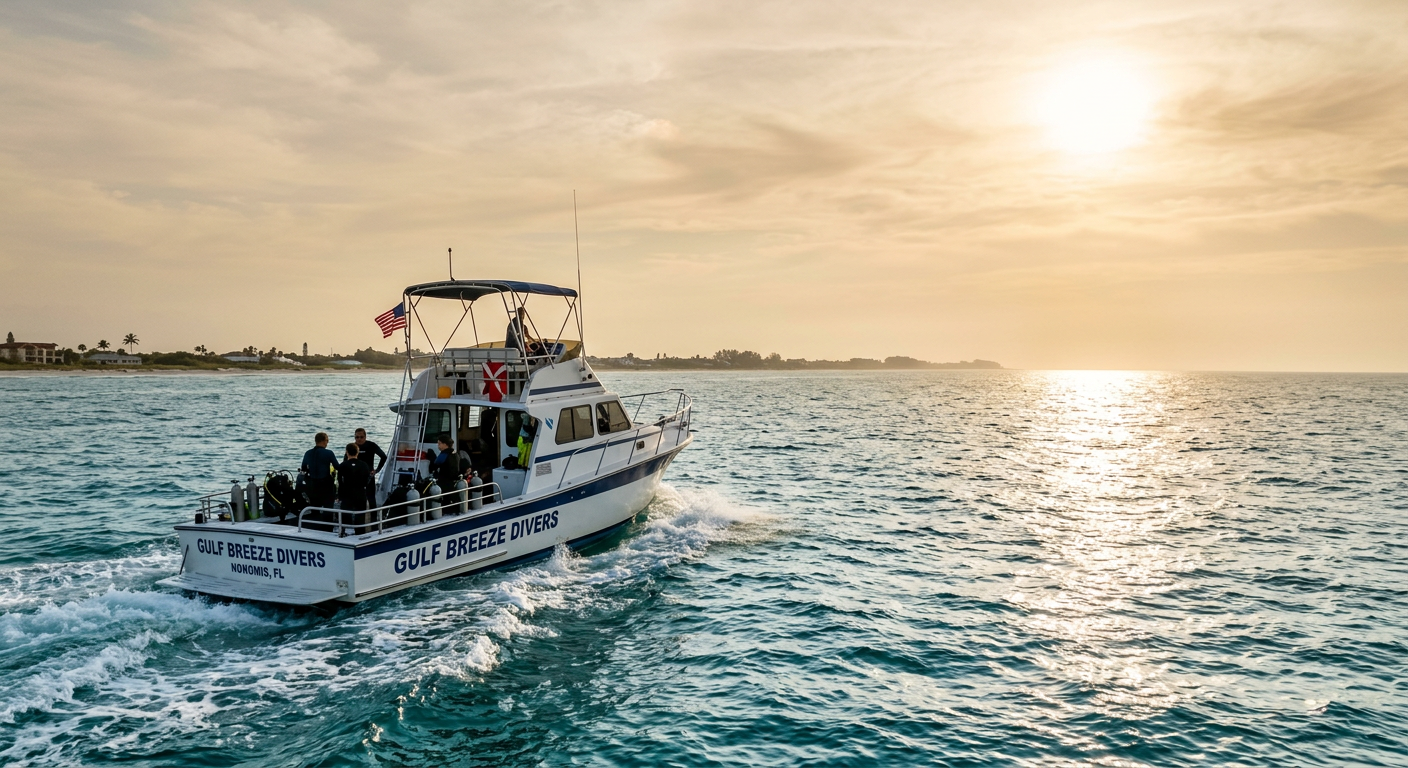
For many, blue grotto diving is the only thing on the itinerary. Expanding that to include the coastal fossil beds changes the trip entirely. If you plan the coastal leg, find a reliable charter. The boat deck smells like salt spray, zinc sunscreen, and a faint hint of outboard exhaust.
The Gulf wind whips the heat right off your shoulders. The metal bench vibrates under your legs. The anchor drops at the reef. You put your mask on and step off the boat. Research is my love language, but reality is a different beast. You can stare at maps and dive charts until your eyes blur. Eventually, the planning phase ends. You just have to get in the water.
Is Blue Grotto Diving Worth It Florida Scuba FAQ
1. How deep is a typical blue grotto diving experience?
The main basin reaches about a hundred feet. The lower sections contain fine silt that easily ruins visibility when disturbed by weekend crowds. Staying above fifty feet generally offers the clearest view of the limestone walls.
2. Can you find Megalodon teeth at inland Florida springs?
No. You need to head to coastal sites like Nokomis or Venice. Inland springs offer limestone formations and freshwater species, not the benthic marine fossil beds left behind by ancient oceans.
3. What water temperature should I expect in the Gulf vs the springs?
The springs stay in the low seventies year-round, requiring a full wetsuit even in summer. The Gulf of Mexico fluctuates significantly, reaching the low eighties by mid-summer and dropping into the sixties during winter months.
4. Do I need a special certification for blue grotto diving?
Standard open water certification covers the main basin area. The deeper cave sections require specialized overhead environment training and strict adherence to safety guidelines established by the property management.
5. Is visibility always perfect at Florida dive sites?
While springs boast clear aquifer water, high traffic often kicks up silt, reducing clarity in confined areas. Gulf visibility averages fifteen to twenty feet, heavily dependent on daily tides, wind chop, and recent storm activity.
6. What gear is essential for coastal fossil hunting?
Kevlar-lined gloves and a heavy mesh bag are mandatory. Standard reef gloves will tear on the coarse shell hash found on the Gulf floor, leaving your hands exposed to sharp barnacles and broken glass.
7. How far is Nokomis from the major inland dive sites?
The drive from central Florida springs down to Nokomis takes a couple of hours via Interstate 75. Tampa traffic serves as the main variable, often adding an hour to the trip during afternoon rush hours.
8. Can beginners participate in Gulf shark tooth dives?
Yes, many fossil ledges sit at manageable depths of roughly thirty feet. However, divers must be comfortable operating in low visibility environments and managing moderate surge currents near the bottom.
9. What is the best time of year to dive the Florida Gulf coast?
Late spring and early summer offer a solid balance of warm water and calmer surface conditions. According to 2026 weather patterns, checking local buoy data before planning a coastal trip remains the most reliable strategy.
10. Do I need to charter a boat for fossil diving?
Yes, for serious diving. While beach sifting yields small teeth, the substantial fossil beds sit a few miles offshore, requiring a local charter for reliable access and proper surface support.
Plan your trip: Ready to experience this firsthand? Book Shark Tooth Hunting Adventure in Nokomis Florida directly through our marketplace.