How Thermoregulation Dictates Swamp Activity
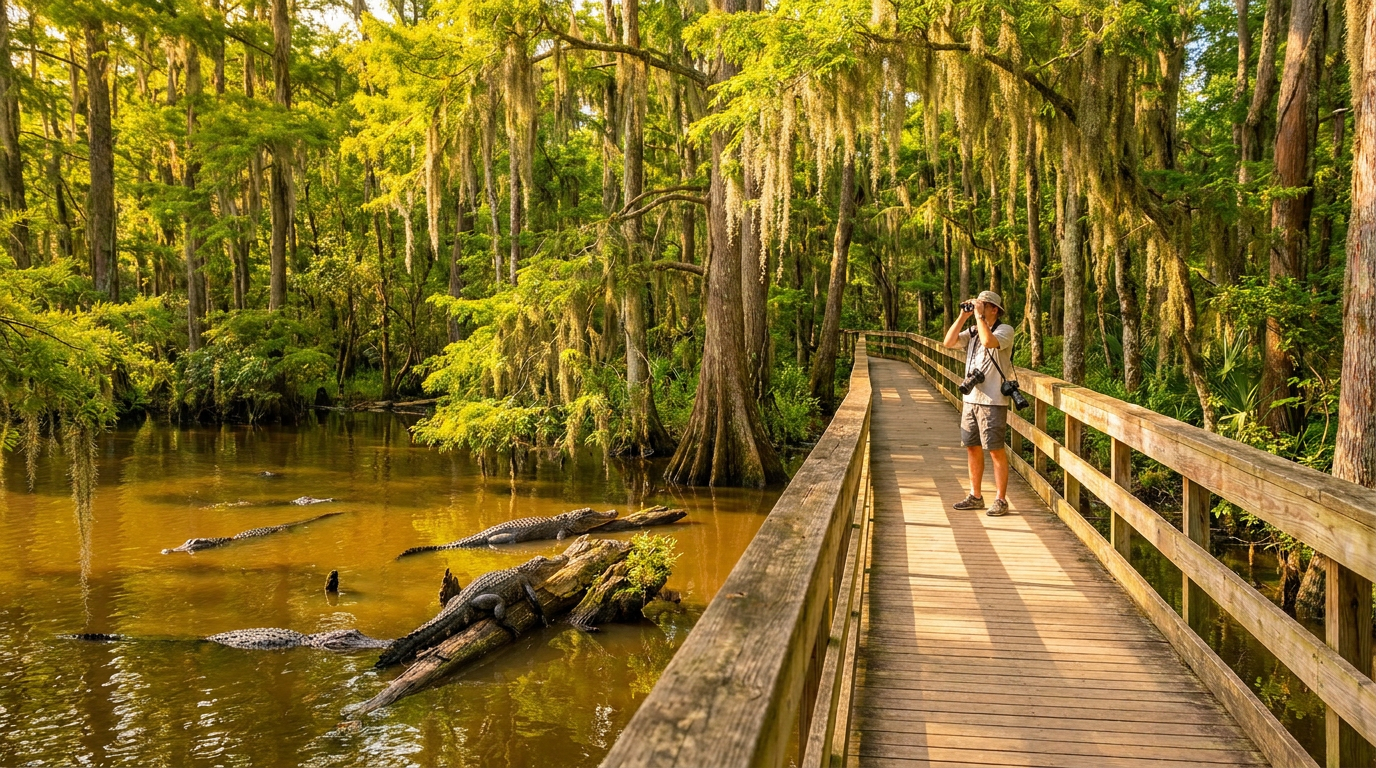
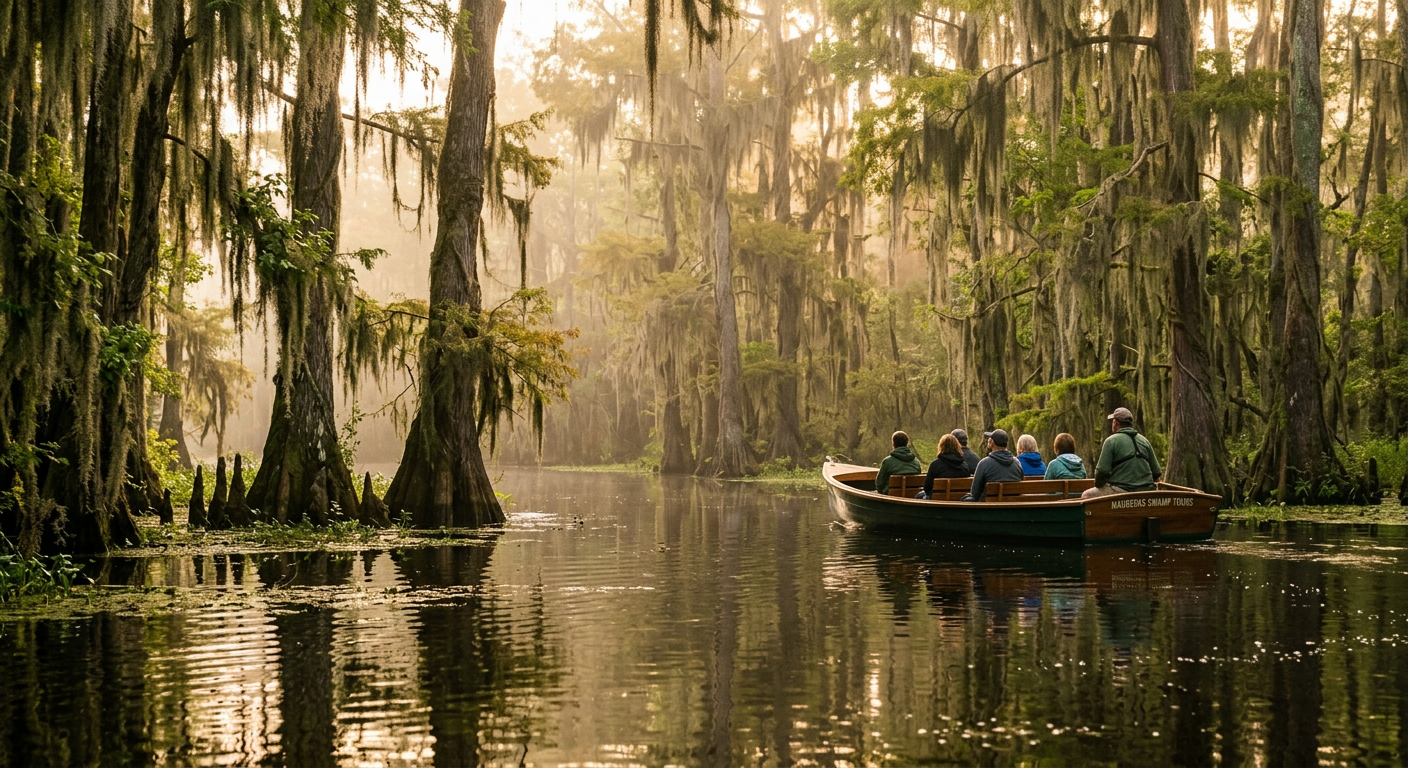
The boat engine cuts off, wrapping up the debate over the best time of year to see alligators in Maurepas Swamp. The silence drops like an anvil, broken only by the sharp hum of cicadas and a loose cooler lid rattling in the back. You sit in the 140,000-acre heart of Louisiana’s wildlife management area watching a wild reptile try to get warm.
According to biologists at the Louisiana Department of Wildlife and Fisheries, alligators need a core temperature of around 90 degrees to function. Hitting that target takes hours of awkward basking. They angle their dark bodies to block the morning breeze and soak up solar radiation. The math is simple. They just want a tan.
Spring Sunlight Creates a Fixed Window
This biological chore dictates everything about outfitter schedules. Summer ambient heat drives them into deep channels. Winter sends them down into muddy dens. Spring 2026 forces their hand. The nights run cold, pushing them up onto exposed banks by mid-morning.
The outfitter promised padded marsh transport. The reality is a flat aluminum bench. It conducts the damp morning chill straight through your jeans into your legs.
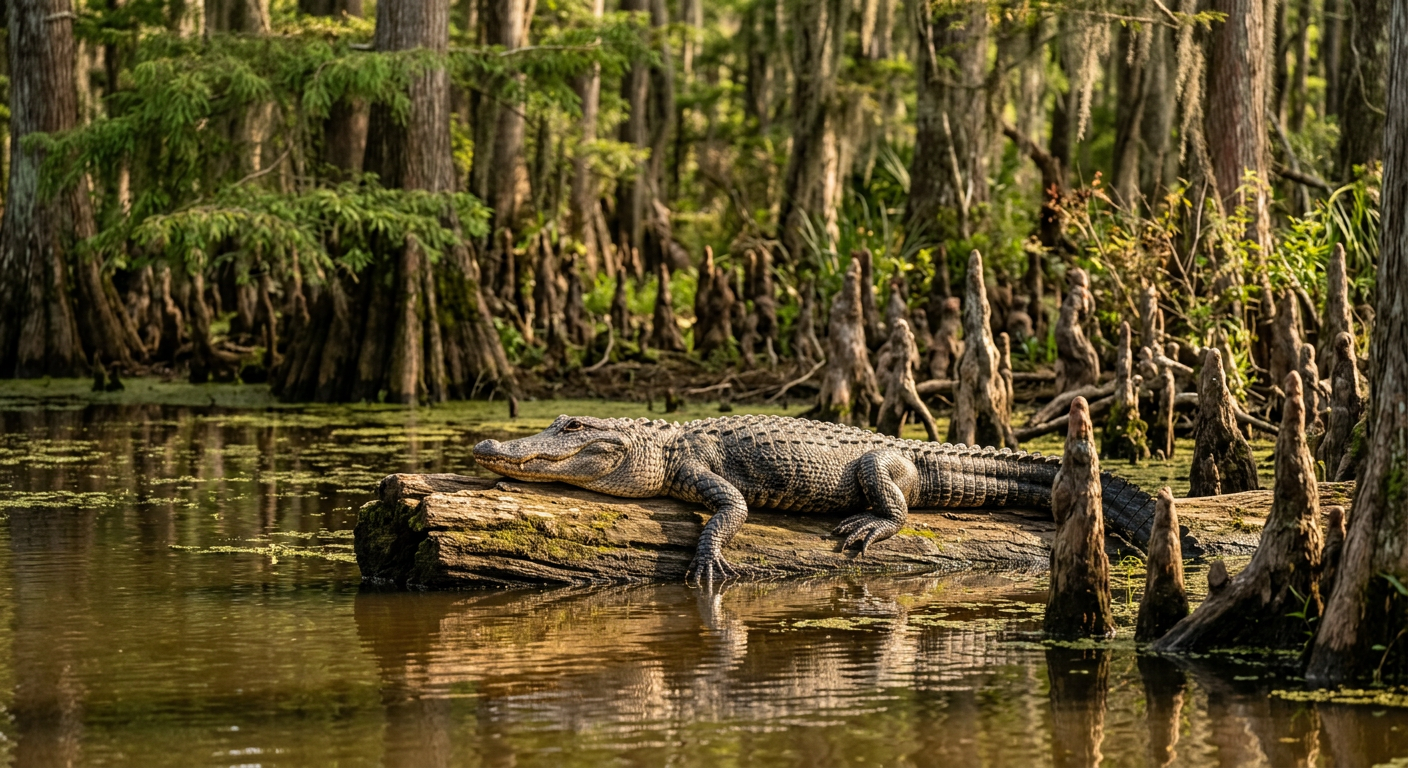
A male alligator sprawls on a rotting tupelo log. We float closer while the flat hull scrapes against a submerged root.
I can't prove that alligators judge us for shivering in windbreakers, but the steady eye contact suggests they notice. He keeps staring, letting the geometry of his armored scutes absorb the late March sun. We are temporary obstacles.
The 1-star reviews from last year paint a picture of empty afternoon tours starring disgruntled tourists. Once the midday sun hits peak intensity, the water reflects like a mirror, and reptiles slide back into shaded channels. Early April morning departures through Rockon Recreation Rentals—an official VisitFlorida Travel Partner branching out here—put you on the water at 9:00 AM. A crisp morning following a sixty-degree night proves to be the only metric that matters.
Why Thermal Gradients Defeat Summer Heat
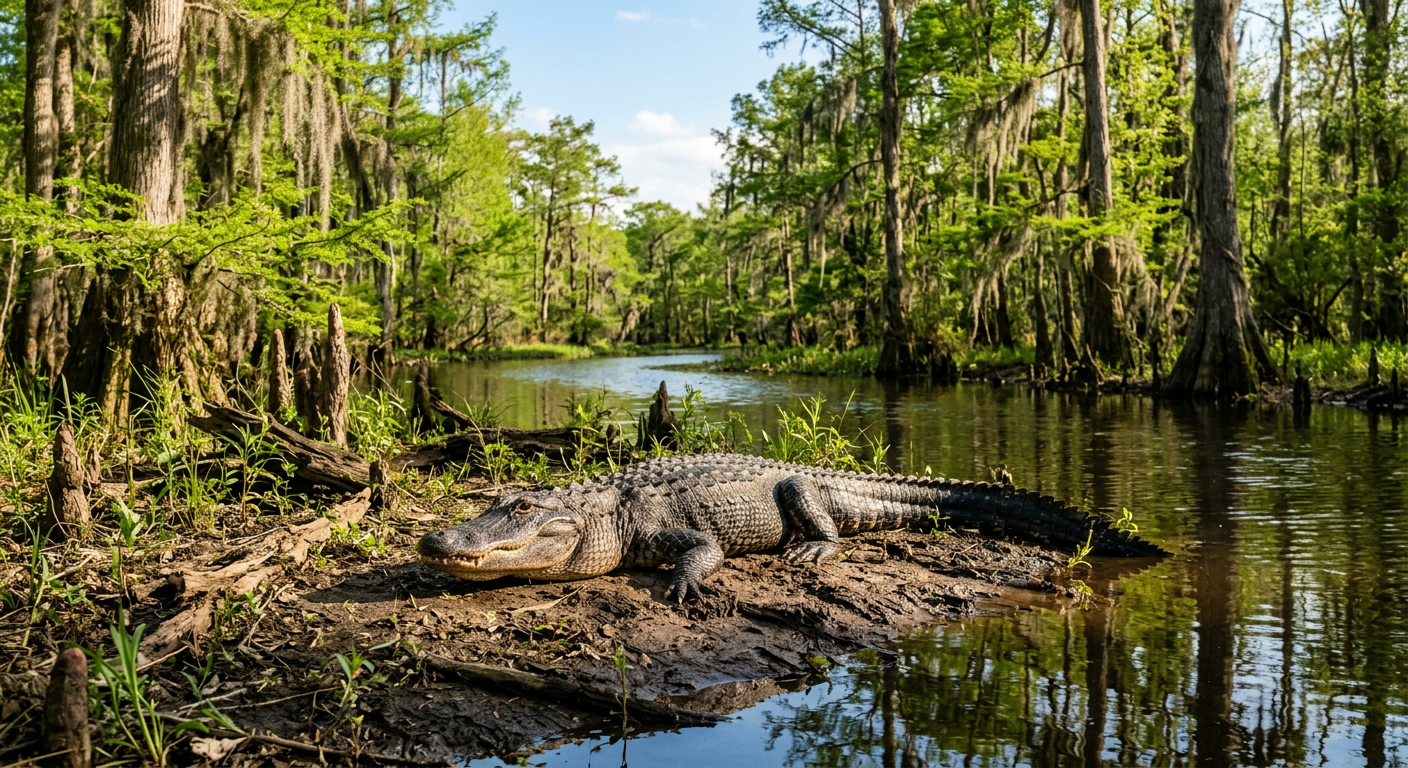
Water temperature in Maurepas holds in the low sixties during early spring. Trailing your hand over the gunwale stings your knuckles before you can count to three. The midday sun pushes those exposed mudbanks past eighty degrees. The reptiles have no choice.
To operate their digestion, cold-blooded animals demand hot mud. This stark thermal gradient is what dictates the best time of year to see alligators in Maurepas Swamp. It is a strict biological transaction occurring on the shoreline.
My Gulf Coast guiding days since 2018 taught me a hard lesson about Southern heat. I used to think the height of summer meant premium gator viewing. More heat equals more reptiles. I misread the environment. Pushing into the marsh in July means sweating through your shirt to stare at empty logs for a few hours.
Why Morning Departures Win
Daytime surface sightings plummet once June starts. Maurepas Swamp spans vast acreage, and when the engine cuts out, the sheer weight of that space settles over your shoulders.
Guides mapping their 2026 routes around these specific sun-exposed flats know the window narrows predictably. The patterns repeat like clockwork.
- Book a departure before 9:00 AM to beat the ambient heat.
- Wear synthetic layers you can peel off fast.
- Bring a rag to wipe the damp dew off metal benches.
The marsh air jumps from fifty to eighty degrees fast. You feel that sticky density coating your forearms. By noon, the banks sit empty again.
High Grass Ruins July Showings
The state tourism site promises fun in the sun for July swamp tours. If it is on a postcard, it is a trap. The provided life jackets smell of sour mildew from months of daily use.
Wildlife avoids the late summer glare because dark leathery skin absorbs harsh solar radiation efficiently. They solve this problem by sinking down into the cool mud beneath thick layers of duckweed.
You step off the wooden dock, and the air wraps around your shoulders like a hot towel. It is humidity you can practically chew. At over 90 percent moisture, the atmosphere stops being weather and starts being soup.
How Summer Weather Alters Wildlife Behavior
This biological reality dictates the best time of year to see alligators in Maurepas Swamp, rendering most summer afternoon trips frustrating for photographers. Stick to early routes if you visit in July.
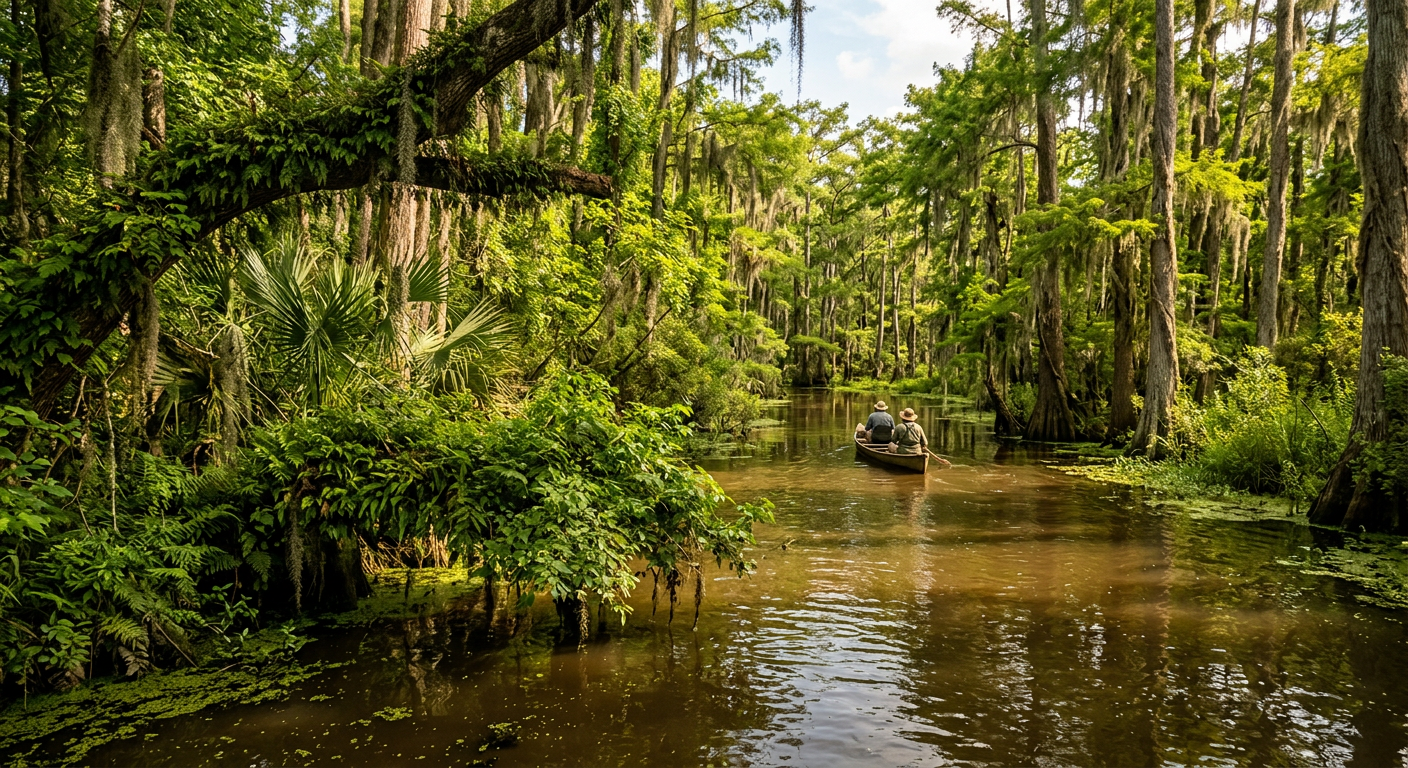
I figured the overgrown summer weeds would obscure the landscape and make the sweltering boat ride a total waste. I judged it wrong. The towering sawgrass creates massive, shaded green tunnels leaning over the channels. The sheer architectural scale of the summer vegetation makes the flat-bottom boats look tiny. It shifts the trip from a wildlife safari into a localized architectural botany tour.
A solitary heron stood on a sunken cypress log. The guy sitting next to me wore bright yellow Crocs. The guide spun the wheel, sending us back toward the main launch.
Check the raw heat index before committing to an afternoon slot. When braving the thick summer atmosphere, book early morning schedules through Rockon Recreation Rentals and pack twice the drinking water you think you need.
Locals Navigate Seasonality in Maurepas Swamp
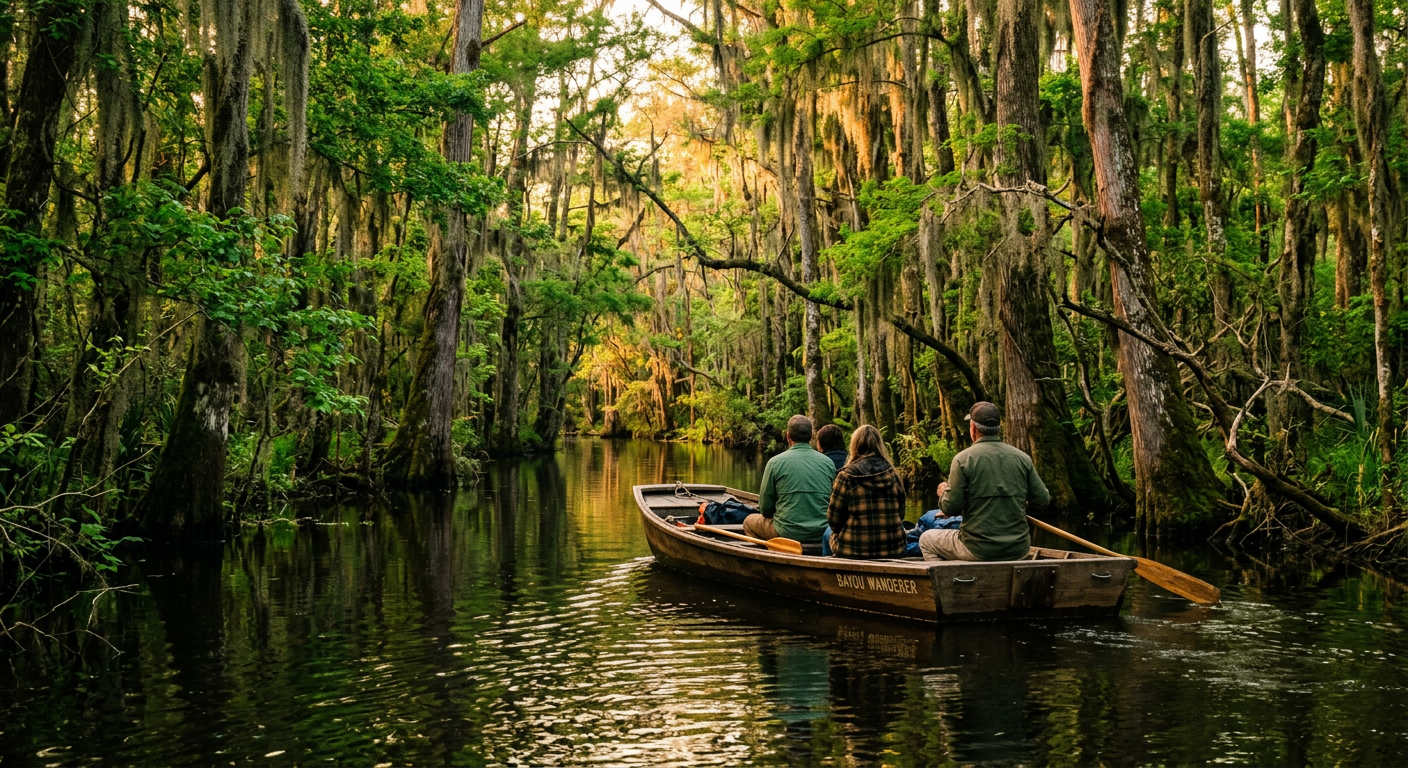
The sweet, rotting scent of disturbed duckweed kicks up behind the propeller. Official state maps direct tourists toward the wide-open main bayous, but veteran guides bypass those main arteries. They aim the bow into narrow, shadowed sloughs.
I can't prove this, but the older the boat captain, the better they are at reading the water. They sit at the helm reading tiny surface ripples instead of staring at the banks.
Glossy brochures point to late spring without mentioning the afternoon heat index. Early in the 2026 season, I tried a 3:00 PM tour hoping for golden hour photos. We swatted gnats for two hours while the gators stayed submerged. Reality always beats the brochure.
The geographical reality of Maurepas is strange. You have Interstate 55 slicing right over the eastern edge of the swamp on concrete pylons. Tens of thousands of commuters drive seventy miles an hour over prehistoric terrain every single morning. Most of them never look down. Below the concrete, the wetland ecology operates in slow motion. The noise from the eighteen-wheelers fades out once you push a half-mile into the winding cypress channels. It requires a sharp mental pivot to go from highway traffic to raw wilderness in under ten minutes.
The Secret to the Early Morning Advantage
The guy working the ticket booth had a tattoo of a toaster on his wrist. I never asked why.
2019 me foolishly thought the calendar month alone dictated the swamp experience. A cold April morning run through Blind River proved my scheduling theory wrong. A male gator slid off a log exactly 18.4 yards off the port side while the gray light caught the duckweed trailing off his back. The marsh operates on an uncompromising thermal schedule.
Even seasoned birders forget that Maurepas functions as a massive basin driven by incoming wind. Strong southern gusts push Lake Pontchartrain spillover back into the swamp, flooding the low mud banks where animals typically sun themselves. A perfect April morning yields zero sightings if a weather front just pushed the tide a foot higher than normal. You check the weather radar; locals check the hourly wind direction.
The Jarring Reality of Dual Destination Tours
You pull your boots from the heavy mud at the dock, tasting the metallic tang of outboard exhaust lingering in your throat. Ten minutes later, you stand in a manicured courtyard staring at towering Greek Revival columns. The abrupt aesthetic transition gives you whiplash.
Evaluating the best time of year to see alligators in Maurepas Swamp often forces you to juggle rigid plantation combo schedules. You end up riding an awkward shuttle between two clashing business models. Wildlife does not crawl up pristine white steps.
That short drive down the River Road yanks you out of the wild ecosystem and dumps you into modern climate control. You will welcome the cold air.
Navigating the Contrasts Demands Preparation
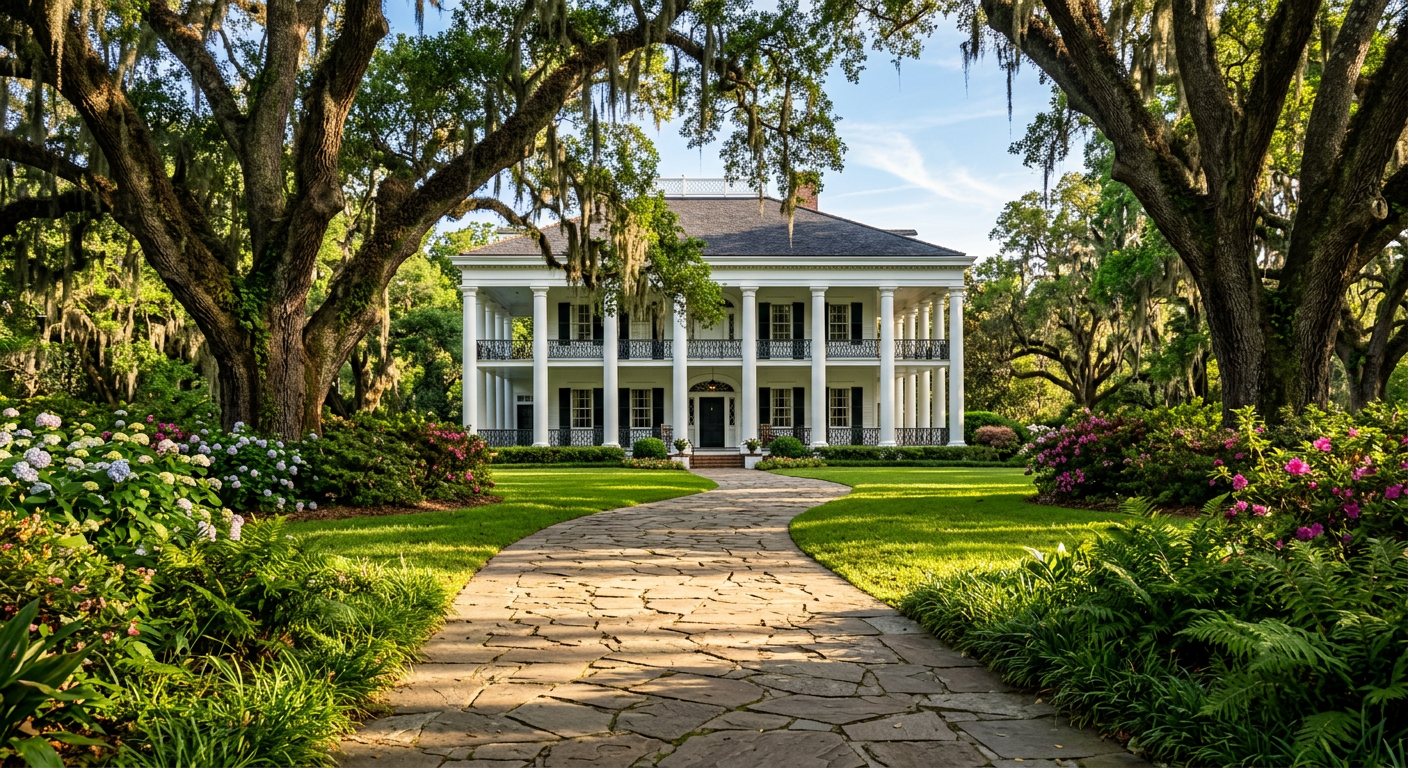
The tour group splits at the iron gate. Eight people walk toward the main house to hear the historian, while four retreat to the parking lot.
Historical archives confirm this specific property holds canopy oaks planted in the 1700s. Walking under those low, massive branches replaces the loud chaos of the outboard motor with a heavy, grassy silence.
I assumed the architectural history segment was just an overpriced add-on aimed at checking basic touring boxes. Another beige travel trap. The stark contrast between the chaotic marsh and the structured lawns actually makes both locations feel much heavier. The formal geometry of the lawns highlights the untamed mess of the swamp.
The official itinerary promises equal time at both sites, yet the pacing always slants toward driving revenue in the gift shop.
- Pack a sandwich in your day bag.
- The onsite cafeteria often serves an overpriced turkey melt that tastes like damp cardboard.
- Mentally separate your morning and afternoon expectations.
The shuttle pulls away from the painted gates. The vinyl seats stick to your damp shirt while the cabin smells distinctly of stale diesel fuel. The driver wisely leaves the radio off.
Early Strategies Outperform Midday Crowds
You lean against the window, feeling the vibration of the suspension rattle every time the front right tire hits a pothole. The van transitions from crushed shell to smooth asphalt, and the wild landscape snaps into organized rows of agricultural trees.
These dual-destination tours form an eight-hour loop from New Orleans that makes logistical sense for a short weekend trip. It just feels like walking off a gritty documentary shoot straight onto a historic stage set.
Handling the Afternoon Transition
Book the earliest departure available. Outfitter booking data shows midday boats run at maximum capacity. Unsurprisingly, the best time of year to see alligators in Maurepas Swamp aligns with peak tourist congestion. By noon, the narrow scenic waterways turn into an idling traffic jam of pontoon boats.
Standalone morning charters through Rockon Recreation Rentals allow you to escape before the large buses arrive.
The buffet lunch served at the midway point tastes like reheated styrofoam. Accept the mediocre catering and shift your focus outward. Beige travel is a sin, but starving in the humidity is worse.
I expected a sanitized look at Southern history complete with a polite dodge of the truth. Something shifted inside Laura Plantation. The original floorboards creak while guides detail the grim realities of the regional sugar trade.
The National Park Service archives document the forced labor that built these massive estates. It is a dense, necessary history lesson delivered without a drop of sugarcoating.
The air inside the main house is cooled to a firm 68 degrees, and that manufactured chill hits your damp shoulders like a brick. Outside, a landscaping tractor clatters distantly behind the oaks.
The drive back takes about forty-five minutes. Industrial plants line the nearby river levee, venting white steam into the gray sky. You step out at your hotel courtyard with marsh mud caked on your boots and a camera full of columns.
Packing for Swamp Reality Defeats the Elements
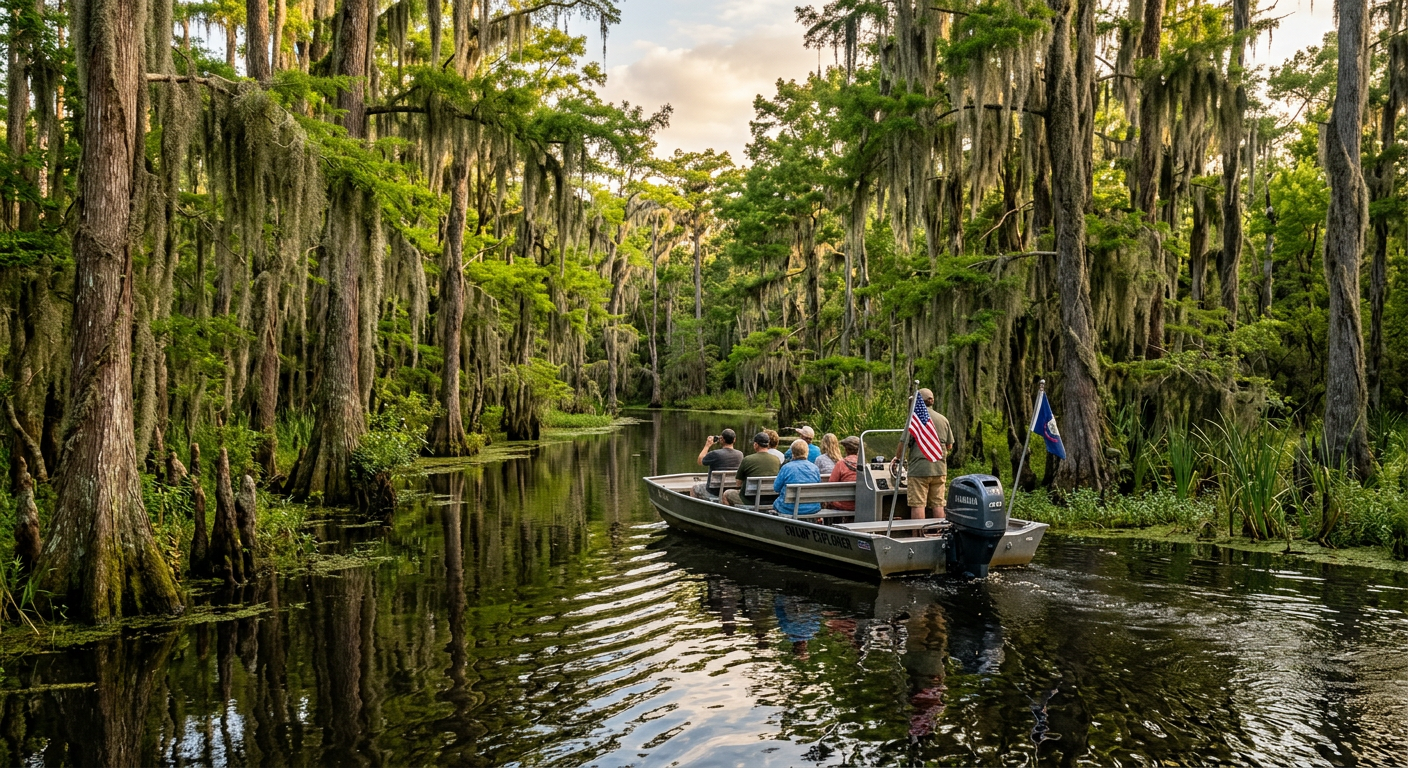
Your sole slips on an unexpected patch of slick algae as you step onto the metal pontoon deck. The wet slap of water against the aluminum hull echoes across the wooden launch. The swamp respects no one's vacation wardrobe.
Leave the pristine white sneakers in the hotel closet. Trust your gut on this, even if the brochure cheerfully encourages comfortable walking shoes.
The National Weather Service tracking data puts spring humidity averages hovering around the mid-seventies. It wraps around your arms before the boat even leaves the slip. The stagnant air sitting in the gravel parking lot feels heavy enough to crush you.
That oppression ends the second the propeller engages. Lake Maurepas opens up into tens of thousands of acres of flat water, and a crosswind immediately hits you in the chest. That blast of cold air pulls the warmth right out of your skin.
This unyielding wind dictates the best time of year to see alligators in Maurepas Swamp. It forces massive reptiles into the sun while freezing unprepared tourists on the metal benches.
2021 me packed a thick canvas jacket for these crisp mornings, which proved to be a rookie mistake. Dense fabric blocks the breeze but traps your body heat until you wear a personal sauna. A thin, breathable windbreaker handles the morning chill and stuffs easily into a cargo pocket.
Handling Local Mosquito Diets
Regional outdoor forums accurately document the bug situation in the sloughs. Botanical, all-natural sprays sold at the marina counter are a joke. They leave a greasy herbal film on your neck that seemingly attracts more gnats.
Buy individual, high-percentage DEET wipes instead of spray bottles. You drag the textured cloth across your collarbone and taste the sharp chemical residue in the back of your throat. It is an awful sensation, but it guarantees you won't spend two hours swatting your own ears in the wild.
Everyone arriving for the 2026 season wants bright blue skies, though light rain actually makes the damp forest look cinematic. Figuring out the calendar window won't matter if you arrive soaked and freezing. Booking transport through Rockon Recreation Rentals secures your seat, but you cannot dictate the cloud cover.
The pontoon bumps the wooden dock after a couple of hours. The guide tosses a thick braided rope around a piling. You pack your damp gear and step back onto the crushed shell gravel. The ecosystem dictates the terms.
Plan your trip: Ready to experience this firsthand? Book Maurepas Swamp & Plantation Tour directly through our marketplace.