The Problem With Following the Islamorada Crowd
The morning air at Whale Harbor Marina smells like diesel fumes and coconut sunscreen. It is early on a Tuesday, and dozens of people are cramming onto a fiberglass catamaran supposedly designed for intimate nature viewing. The brochure claims this vessel offers a premium snorkeling experience. The reality is a floating waiting room where you spend more time avoiding a stranger's fins than looking at coral. If it's on a postcard, it's a trap.
You step onto the dock and the wooden planks vibrate under your feet as the large commercial engines idle. A guy near the bait freezer is wearing mismatched Crocs. The tour boat covers the few miles to Alligator Reef in a matter of minutes. By the time it anchors, the water is already churned into a cloudy, sandy soup by the twin props.
The Illusion of Tourist Schedules
The 2026 departure schedules for the commercial tour operators reveal a rigid system. They all leave the dock at mid-morning or early afternoon. Who is this schedule designed for? Fish do not bite based on when a group is ready, and the tide doesn't wait for late arrivals to finish signing liability waivers.
The commercial boats group together in the same three spots. They drop anchor, unload passengers for a short window, and then pack up to leave. They aren't selling you the ocean. They are selling you a tightly managed slot of saltwater access, packaged with thirty strangers.
Explore boating near Islamorada
The Backcountry Reality Check
The grit of dried salt on the steering wheel scrapes against your palm when you take a vessel out yourself. Many people search for a bareboat rental florida keys style to escape the floating waiting rooms. 2019 me thought renting a bareboat was the ultimate flex. 2026 me knows that navigating the Florida Bay backcountry without local knowledge is just an invitation for a $3,240 lower unit repair bill.
You want autonomy, but a bareboat puts the heavy burden of navigation, liability, and anchor management squarely on your shoulders. The learning curve in Islamorada is steep and unforgiving. The shifting mud banks near Buchanan Bank change shape after every major storm, and paper charts are often outdated before they are printed.
Why a Private Captain Beats Doing It Yourself
The low hum of a Yamaha four-stroke replaces the chaotic shouting of the marina when you transition from a stressful rental to a guided private trip. You idle out past the channel markers on a flats skiff and hand the responsibility to someone who actually knows the water.
I can't prove this, but fish seem to bite better when you aren't fighting five other boats for the same channel edge. A private guided charter gives you the exact same freedom as a rental, minus the anxiety of reading deceptive sandbars.
The Edge of the Mooring Field
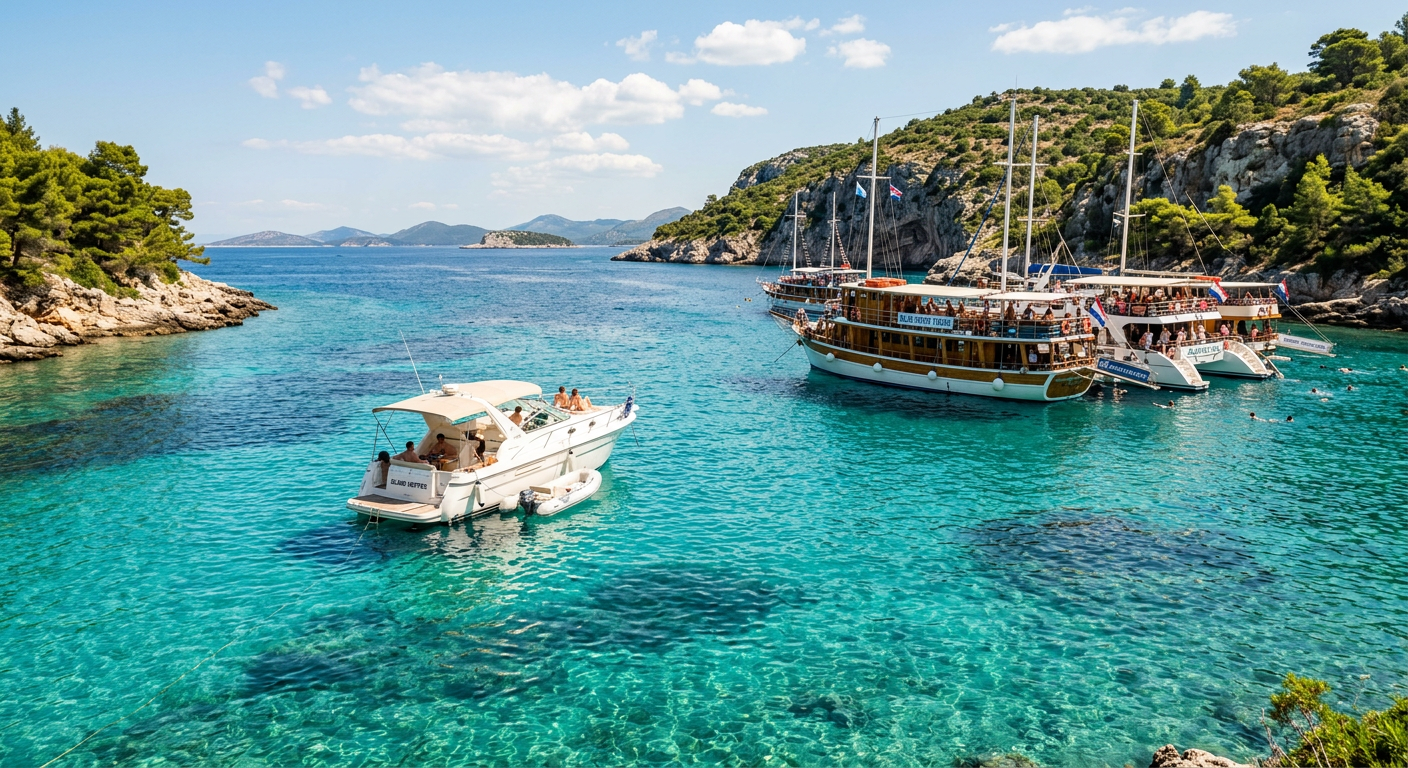
According to local depth charts from the National Oceanic and Atmospheric Administration, the sandbar drops from two feet to eight feet right at the edge of the public mooring field. A local guide anchors just past where the big catamarans stop, or where the amateur renters inevitably get stuck. Out there, the water is silent, the sand is untouched, and the captain adapts to the conditions.
Booking through a Visit Florida Travel Partner like Rockon Recreation Rentals guarantees vetted operators. If you want real local knowledge, Islamorada Fishing Boat Rentals for Inshore Charters beats renting a bareboat and guessing where the fish are.
The Tide Trap
The afternoon humidity settles thick over the deck as the ocean quietly recedes. According to NOAA station 8723970 at Whale Harbor, the local tide swings an average of 1.5 feet. On the water, an eighteen-inch drop is the difference between floating comfortably and sitting beached.
Last month, several rental boats learned this the hard way. They dropped anchor at high tide, turned on their stereos, and ignored the waterline. By mid-afternoon, the bay had drained. They were stuck for hours in the baking sun.
A seasoned charter captain reads the water. They know when to pull the anchor before the trap springs.
The Logistics of Private Inshore Charters
The faint taste of exhaust hangs in the air near the marina channel before you clear the no-wake zone. When booking a private inshore charter in the upper Keys, the logistics are straightforward. The captain provides the vessel, fuel, ice, bait, and all required state fishing licenses. Charters accommodate up to six passengers, though flats skiffs often max out at three or four due to weight distribution limits in shallow water.
Guests arrive at the marina shortly before the scheduled departure. You bring your own food, beverages, polarized sunglasses, and a long-sleeved UPF shirt. The boat departs the dock and stays within the protected waters of Florida Bay or the nearshore Atlantic, avoiding heavy offshore swells. The itinerary is dictated by weather conditions and target species rather than a rigid corporate schedule. At the end of the day, the captain cleans and fillets any legal catch at the cleaning station. Gratuity is standard and handed directly to the captain.
Digital Routing and Local Reality
Three different marine GPS applications highlight a scenic shortcut through the Cowpens anchorage area this season. The applications are wrong. Research is my love language; reality is my ex.
Digital routing tells you where you are supposed to be, but looking up and reading the water forces you to engage with the Islamorada ecosystem. In fact, following the guidelines set by the Florida Department of Environmental Protection helps preserve these sensitive seagrass beds. A local guide knows the shortcut is silted over, saving you the stress of finding out firsthand.
Reading the Islamorada Ecosystem
The offshore breeze drops the ambient temperature once you clear the mangroves. The official tourism site describes the Florida Bay backcountry as a calm mirror. The wind off the bay hits you fast, carrying the distinct, sulfurous smell of decaying mangrove leaves. It is calmer than the ocean side, but calm does not mean easy.
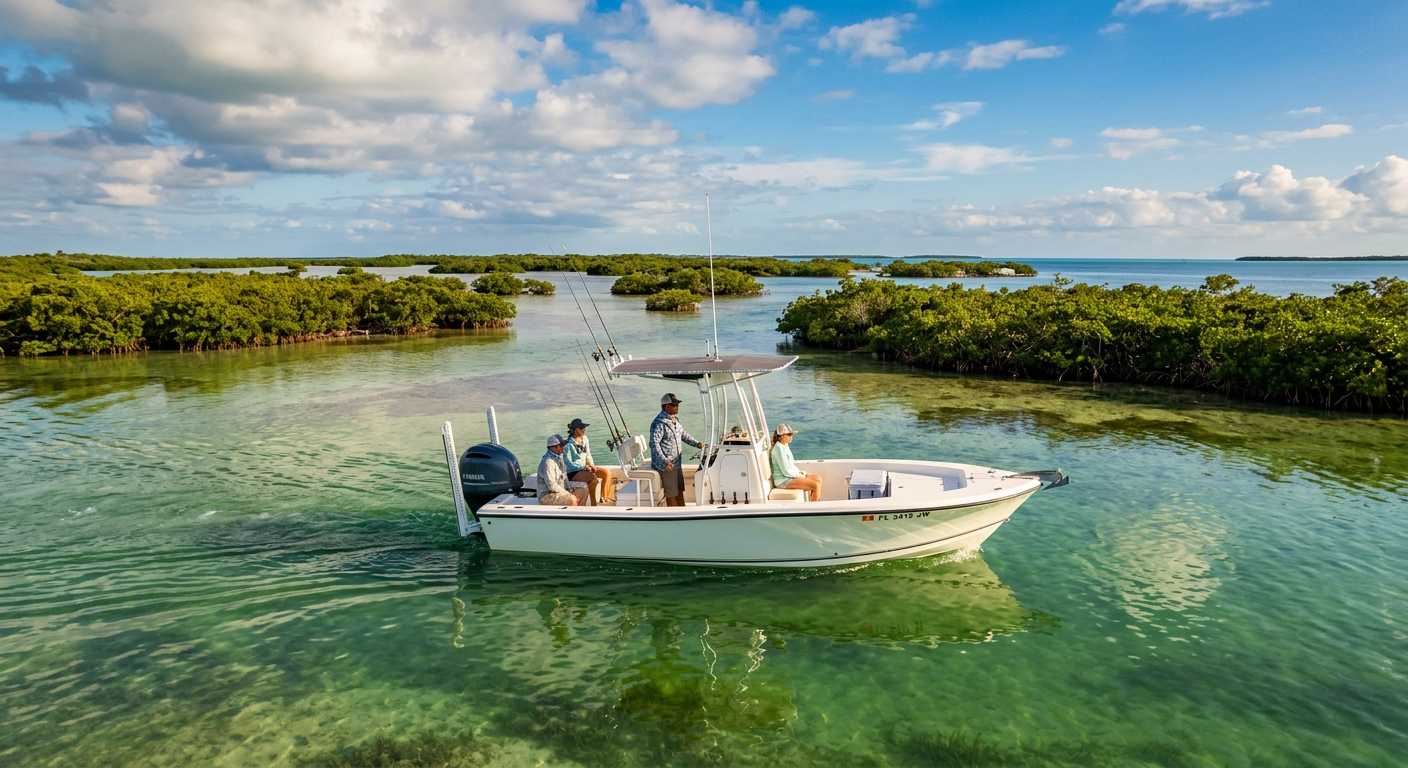
The reality is that the backcountry is a labyrinth of shallow mud flats. Channel Marker 72 stands out, mostly because it is permanently occupied by a pelican missing half its tail feathers. You glide past it, and the transition from a navigable channel to a shallow flat happens in a flash.
Explore backcountry tours in Islamorada
Essential Gear You Cannot Forget
The glare off the fiberglass deck hits your eyes before the boat even unties from the pilings. The air temperature is oppressive in late summer, and the NOAA weather buoy data shows surface water temperatures staying high through the afternoon.
Vision Protection
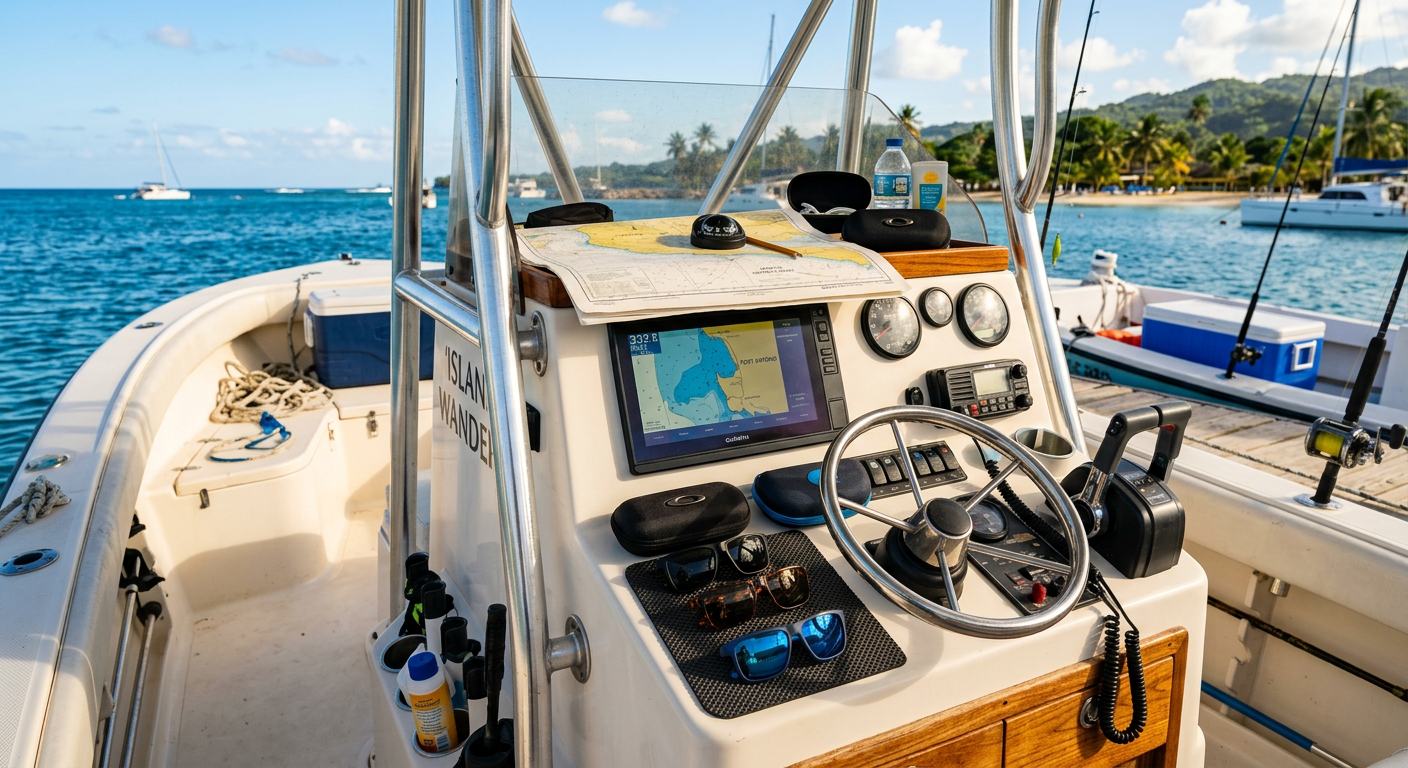
For my first few years down here, polarized sunglasses seemed like a marketing trick for tourists. Then I was on a skiff over the shallow flats near Indian Key and failed to spot a coral head until it was feet from the bow. Good polarization strips the surface glare away.
When you hire a local captain, they are the ones reading the water, but you still need eye protection to actually see the tarpon rolling or the permit tailing on the flats.
The Ice Equation
You reach into a soft-sided cooler after half a day on the water. A poorly insulated bag yields bottled water that is warm and tastes faintly like plastic.
Private charters supply top-tier hard coolers packed with fresh ice. It sounds like a minor detail until you are sweating through your shirt. Cold water is a baseline requirement, not a luxury.
Frequently Asked Questions About Islamorada Charters
Does a bareboat rental florida keys require a captain's license?
No. If you opt to drive yourself, you only need a valid driver's license if born before January 1, 1988. Those born after need a Florida Boating Safety Education Card. However, hiring a private charter eliminates this requirement because the licensed captain handles all operation.
What is the difference between a bareboat rental and an inshore charter?
A bareboat means you rent the vessel and drive it yourself, assuming all liability, fuel costs, and navigation duties. An inshore charter includes a licensed captain who drives the boat, provides the gear, and navigates the local waters safely.
Are fishing licenses included on private guided trips?
Yes. When you book a captained charter in Monroe County, the captain's blanket state charter license covers all passengers onboard. If you rent a bareboat, you must purchase individual Florida saltwater fishing licenses for everyone fishing.
How many people can fit on a standard flats skiff?
Technical poling skiffs typically hold two anglers plus the captain to maintain a shallow draft. Larger bay boats and center consoles used for inshore charters can usually accommodate up to four or six passengers, depending on the hull size and weight limits.
Can we customize the itinerary on a private charter?
Yes. Unlike commercial tours with fixed schedules, a private guide adapts the day to your preferences. You can spend the morning sight-fishing in the mangroves and the afternoon snorkeling a secluded patch reef, tide permitting.
Do inshore charter boats have bathrooms onboard?
Small flats skiffs and bay boats under 24 feet generally do not have enclosed heads. Captains plan routes near marinas or public facilities if stops are requested, but guests should plan accordingly before leaving the dock.
What happens if it rains during our scheduled trip?
Summer thunderstorms move through the Keys quickly. Captains monitor the radar closely. If a severe storm makes conditions unsafe, the captain will delay, reschedule, or cancel with a refund. However, light rain rarely stops a fishing trip.
Is fuel included in the charter price?
Yes, fuel is built into the standard rate of a guided charter. With a bareboat rental, you pay for the fuel you consume at the marina pump upon return, which can quickly add up if you run the boat hard all day.
Can a private captain take us to the Islamorada sandbar?
Yes. A captain can navigate to popular spots like the Islamorada sandbar. They often find better anchoring positions than the crowds and manage the tide swings so you never get stranded on the flats when the water recedes.
What should we pack for a half-day backcountry trip?
Bring polarized sunglasses, a long-sleeved UPF sun shirt, a hat, non-aerosol reef-safe sunscreen, and whatever food or beverages you want for the day. The captain provides the tackle, bait, ice, and safety equipment.