
Why Inland Gravel Sets the Stage
Wiping a layer of dust off the rental car bumper, the chalky streak left behind validates the decision to leave the city. It acts as physical evidence that we have crossed the county lines. The grit under your fingernails shines a pale gold in the morning light.
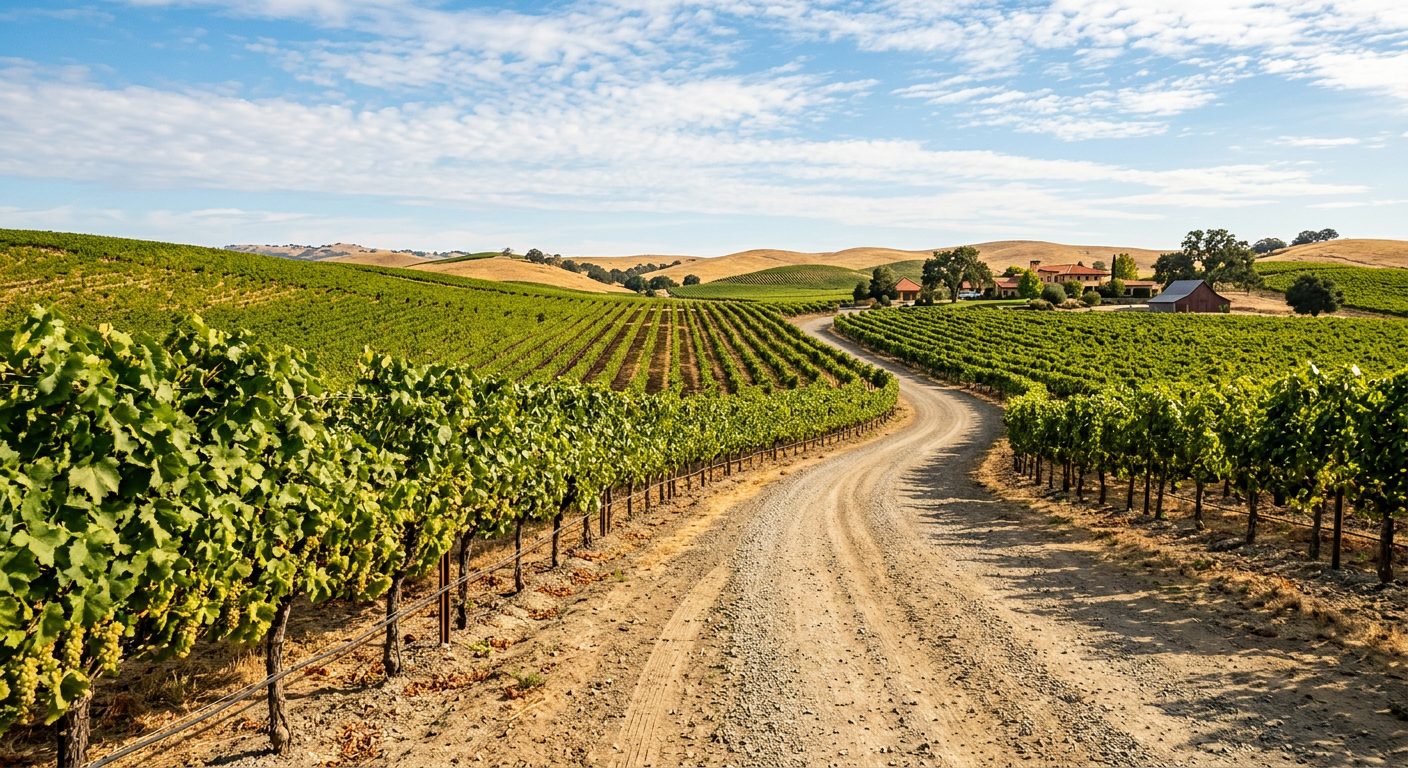
At this working parcel off Greenville Road, you will find no sanitized concrete walkways. Your boots crunch on actual crushed limestone. A tiny puff of earth kicks up with every step.
Dozens of beige travel brochures promise a glowing, friction-free paradise. They lie. Or at least, they omit the rough edges that make a destination worth remembering.
If it is on a postcard, it is a trap. According to geological surveys from the USGS, the Livermore Valley sits about forty-five miles east of the Pacific coastline. Yet the heavy marine layer burns off here before mid-morning to reveal heat-rippled asphalt.
The itinerary suggested this stop would be a brief formality. I expected those rehearsed tasting-room scripts you find up north. I was wrong.
Ten minutes into talking with a viticulturist whose hands were stained purple, the corporate routine dissolved. This was raw hospitality. It felt like standing in a friend's backyard while they complained about the seasonal frost.
Leave the engine running for a second and listen to the valley. The wind pulls through dry oak branches with a rushing rustle. It lowers your heart rate on the spot.
Pulling off the highway, roll the windows down. The sudden smell of sweet, sun-baked hay floods the cabin. It replaces the lingering scent of municipal exhaust.
I walked the southern perimeter of the estate. Unpaved paths connect the outer vines directly to the main tasting room. Regional land records indicate these local parcels have produced yields since 1883.
Resting your hand on the gnarly wood of historic vines sends a jolt of permanence straight through your palm. The gravel parking layout is annoying, forcing visitors into a minor three-point puzzle. But sit at a wooden picnic table with a glass of crisp Sauvignon Blanc, and the vehicular frustrations vanish.
This unpolished edge is why we favor independent routes for our Rockon Recreation Rentals inventory over big bus excursions. County records show the estate spans nearly fifty acres. The sheer scale forces you to slow down.
You walk at a rambling pace that matches the heavy, late-morning heat. Comparing day tours california itineraries seems trivial when the landscape requires this much physical attention.
Why Empty Cask Rooms Defeat Crowded Concourses
2019 me would have driven straight past this valley. I would have joined the mapped-out traffic jams heading to prestige estates further north. 2026 me knows better.
Walking toward the rusted cellar doors at one of the older properties, the air hits you. It carries the heavy scent of fermenting grapes and the sharp ozone of a dry breeze.
State archives note commercial vines here date back to the 1800s. Step inside the main brick building of Concannon Vineyard, and the temperature drops ten degrees in a single stride.
The chill cools the sweat on your neck. The hollow thud of wooden casks echoes from the back room. Run your hand over the original 1883 masonry, and the stone feels warm and slightly uneven.
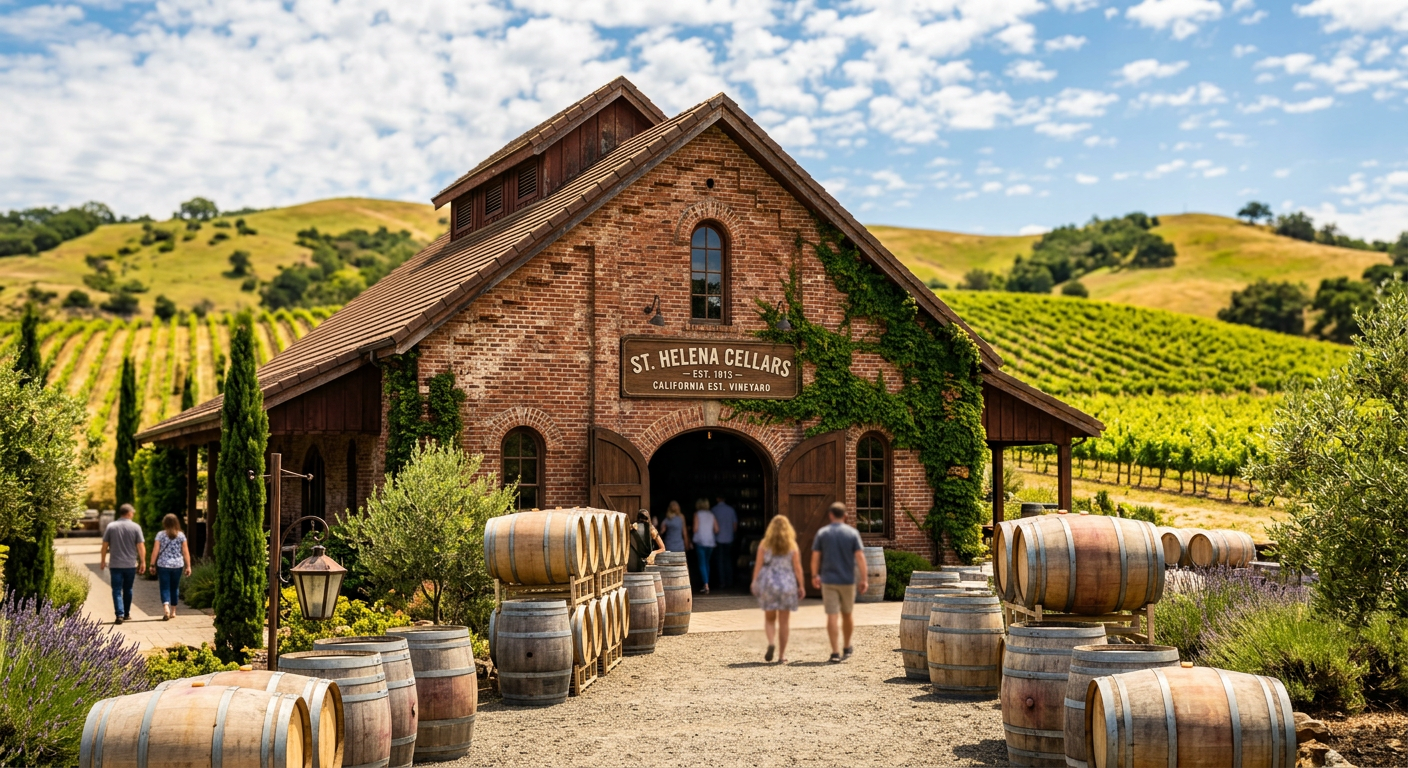
I expected the tasting to be a tired formality poured by someone reciting a corporate mission statement. Instead, the manager slid over a murky Grenache blend and spent twenty minutes explaining the local soil composition. I had to let go of my assumptions.
Take your time on the backroads. For visitors comparing the independent tours california presents, the sheer empty space is the draw. Agricultural maps from the CDFA detail roughly 96,000 acres of farmed land in the valley.
Standing on the patio, that acreage translates into unbroken silence. You can rent bikes through the regional outfitters. Ride right up to the vine rows without dodging a single tour bus.
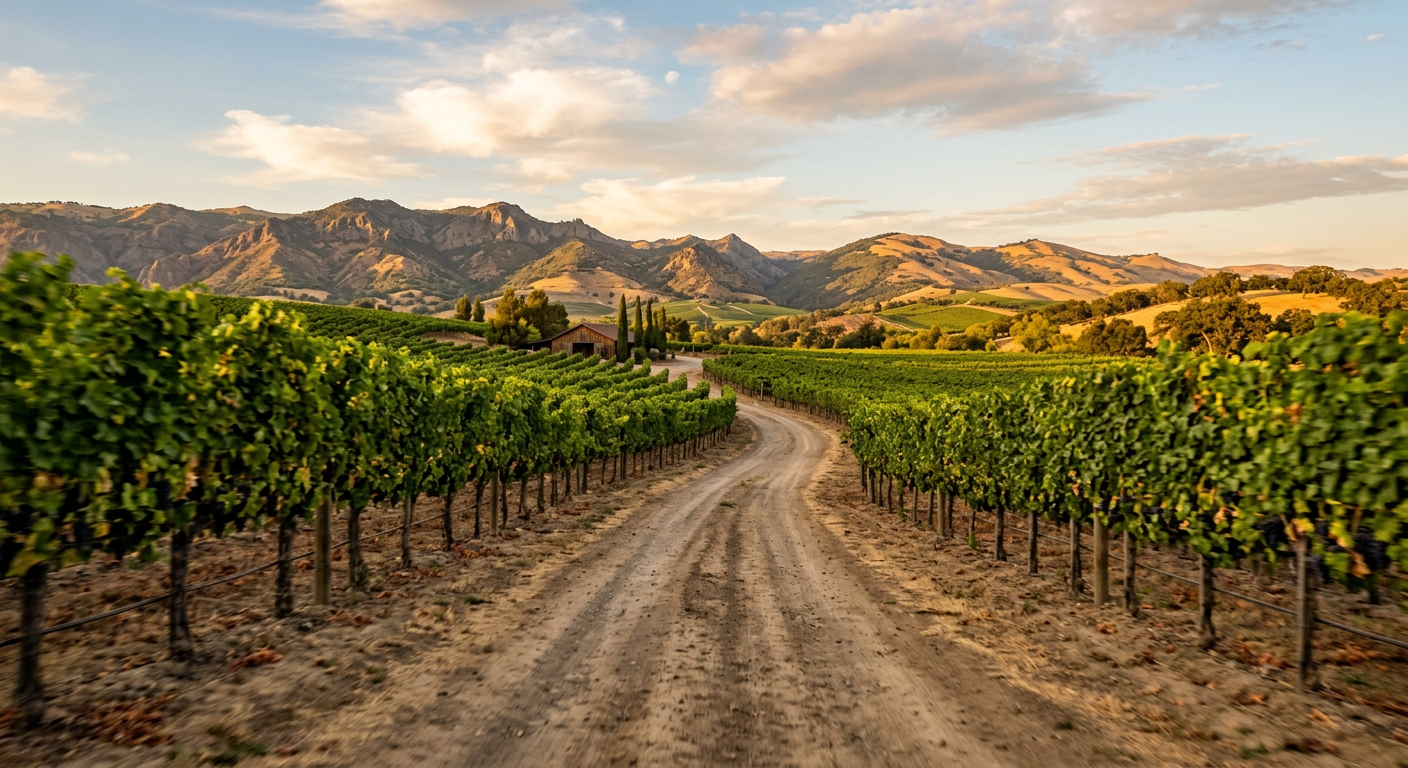
The vines stretch in uniform rows toward the eastern ridgeline. Their leaves turn pale brown at the edges by late afternoon.
Rural road signage is sporadic. It invites a few unintentional u-turns off Tesla Road, and your GPS will lose the signal. Trust your gut on this, even if the digital map insists a dirt cutoff is a maintained highway.
The dashboard thermometer reads exactly 94.7 degrees. The heat sits stagnant beneath the oaks. The humidity drops to twenty percent, pulling moisture straight from your lungs. It was right at this moment sitting on the patio, sweating through a collared shirt, that the illusion broke. The valley is stunning, but the afternoon heat is a trap.
The Pivot — Why the Coast Belongs on the Itinerary
The inland landscape builds a very specific craving. By two in the afternoon, the dust coats the back of your throat. The charm of the rugged agricultural life wears thin when the vinyl car seats begin radiating heat through your clothes.
This is the flaw in the single-region obsession. Agencies pushing you to spend three unbroken days in the valley ignore the physical toll of the climate. The heat demands an antidote.
Turning the rental car west toward the Pacific changes the structural reality of the day. A Half Moon Bay Coastal Tour is not just a scenic detour. It is the mandatory reset button.
Navigate over Highway 92, and within thirty miles, the topography rebels. The sun-baked brown grass shifts to deep green pines. The temperature gauge drops a degree a minute.
Rolling the window down on the final coastal approach, the dense fog bank smells of salt and iodine. The damp marine layer instantly cuts through the residual valley dust still clinging to your arms.
You cannot appreciate the bracing cold of the Pacific unless you have earned it in the inland heat. Comparison is the engine of a memorable trip.
Why Mass Itineraries Fail the Authenticity Test
The microphone emits a sharp, metallic hum. It settles into the hiss of a bad PA system. You sit there while a disembodied voice drones over the speakers on a typical mass transit loop.
They list oceanic facts you cannot hear over a heavy diesel engine idling. This is the soundtrack of the standard corporate excursion. You can avoid it.
Skip the fifty-passenger buses. Check the schedule yourself before surrendering your afternoon to a microphone.
Historic travel analysis from The New York Times suggests traditional excursion blocks average upwards of twenty people per group. The reality near the seawall of Pillar Point Harbor looks worse.
I watched a herd of forty tourists shuffling behind a guide with a laminated itinerary. One enthusiastic visitor wearing a heavy winter parka over board shorts dropped half a scone onto the pavement. A gull snatched it before the group had moved five feet. He just stared at his empty hand.
Online reviews for budget tours california operators agree on one thing. They run on time. But no one mentions learning anything about the coastal ecology.
Regional forums complain that coaches ruin the pacing. I can't prove this, but I suspect the local baristas give bus drivers terrible directions on purpose just to keep the quiet beaches clear.
Who exactly are those laminated outlines designed for?
How to Find the Quiet Coastal Routes
I went in expecting guided trips around the bay to feel like a scripted trap. I was prepared to hate the category. A smaller partner excursion accessed through Rockon Recreation Rentals broke the stereotype.
The guide didn't use a microphone. He didn't read from a script. He just watched the tidal charts and adapted the route.
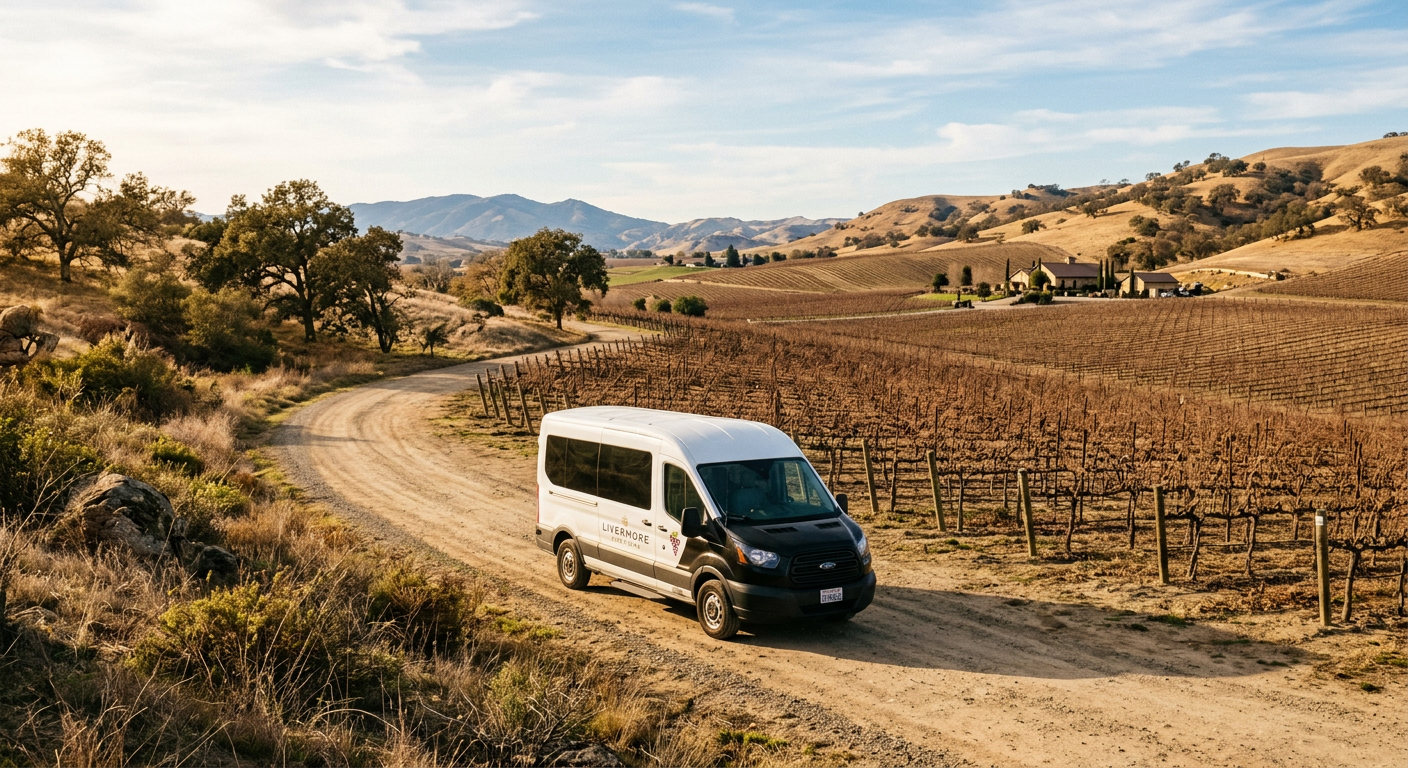
Booking independent tours california packages solves the pacing issue. The van covered a dozen miles hugging the ocean edge. We drove past rows of jagged rocks cutting through the surf and parked near a weathered lighthouse.
You step out of the van near the bluffs. The wind roaring off the water carries a biting chill. The noise of crashing waves drowns out the highway traffic entirely.
It is not tropical. Anyone claiming the Northern California coast is a warm beach destination in July is lying.
You walk down the wooden stairs to the sand. Wet kelp pops under your boots. Zoning maps show this corridor is heavily protected marine sanctuary, and the lack of commercial high-rises makes it feel remote.
Navigating the Coastal Grids
The regional transit system fails to serve most of the rugged bluffs. Visitors plotting their own loops must use personal vehicles, rideshares, or private charter services.
The coastal authority’s transit PDFs are functionally useless once you leave the municipal center. This infrastructure gap forces you to designate a driver or pay for localized transport.
- Monitor the fog banks: Early morning coastal views are often obscured. Booking a midday or afternoon window increases your chances of seeing the horizon.
- Budget for transport: Taking a smaller, organized shuttle removes the anxiety of navigating unfamiliar, winding cliff-side roads.
- Layer properly: The maritime climate demands a windbreaker, even if it was blazing hot fifty miles inland.
I wrongly assumed afternoon schedules on the coast meant massive crowds at every scenic pull-off. Getting past the primary state beach access points taught me otherwise.
Current 2026 rates across major bespoke operators run about $160 per person. Handing over that money buys the relief of not navigating blind corners perched a few hundred feet above the ocean.
Booking trusted tours california packages ahead of time solves the parking liability. Most historic pull-offs have spots for only three or four cars.
You grip the steering wheel tighter on narrow curves off Highway 1. The smell of raw diesel exhaust from delivery trucks hugging the double yellow line tests your patience.
Reviewing map applications for alternative routes while following a sputtering camper van through the fog is a brutal way to spend an afternoon.
Making a sudden ditch maneuver to dodge another driver staring at a pelican is a sobering end to a trip. Let someone else drive the van. Stand on the bluffs, let the salt spray coat your sunglasses, and appreciate the friction.
BIO TAGLINE: The Skeptic - This article was researched and written with AI assistance and editorially reviewed by Greg Faucher. Greg covers travel and outdoor recreation for Rockon Recreation Rentals, a VisitFlorida Travel Partner since 2018. He reads the fine print so you don't have to — but you probably should anyway.
Plan your trip: Ready to experience this firsthand? Book Half Moon Bay Coastal Tour directly through our marketplace.