Surviving the Pluff Mud Scent to Beat the Morning Heat
Booking the best tours charleston offers means standing near the seawall at sunrise while a guy in a neon green visor argues with a pelican over a Cheeto. The salty, sulfuric odor of low tide hits you before the car engine even clicks off. Locals call it pluff mud.
According to the South Carolina Department of Natural Resources, this decomposing marsh grass serves as a vital coastal nursery. The rest of us just know it smells like a sulfur pit.
Back in 2018, I thought lowcountry humidity was a design flaw. I used to march down King Street at noon, sweating through my clothes. Fast forward to 2026, I know the atmospheric soup requires adaptation.
Finding morning availability demands an early alarm. The sidewalks turn into skillets by midday. Having spent years running Florida watersports, I know firsthand that afternoon thermal shifts always push the crowds indoors. Let them leave.
The crosswalk signal near Waterfront Park sounds like a dying kazoo.
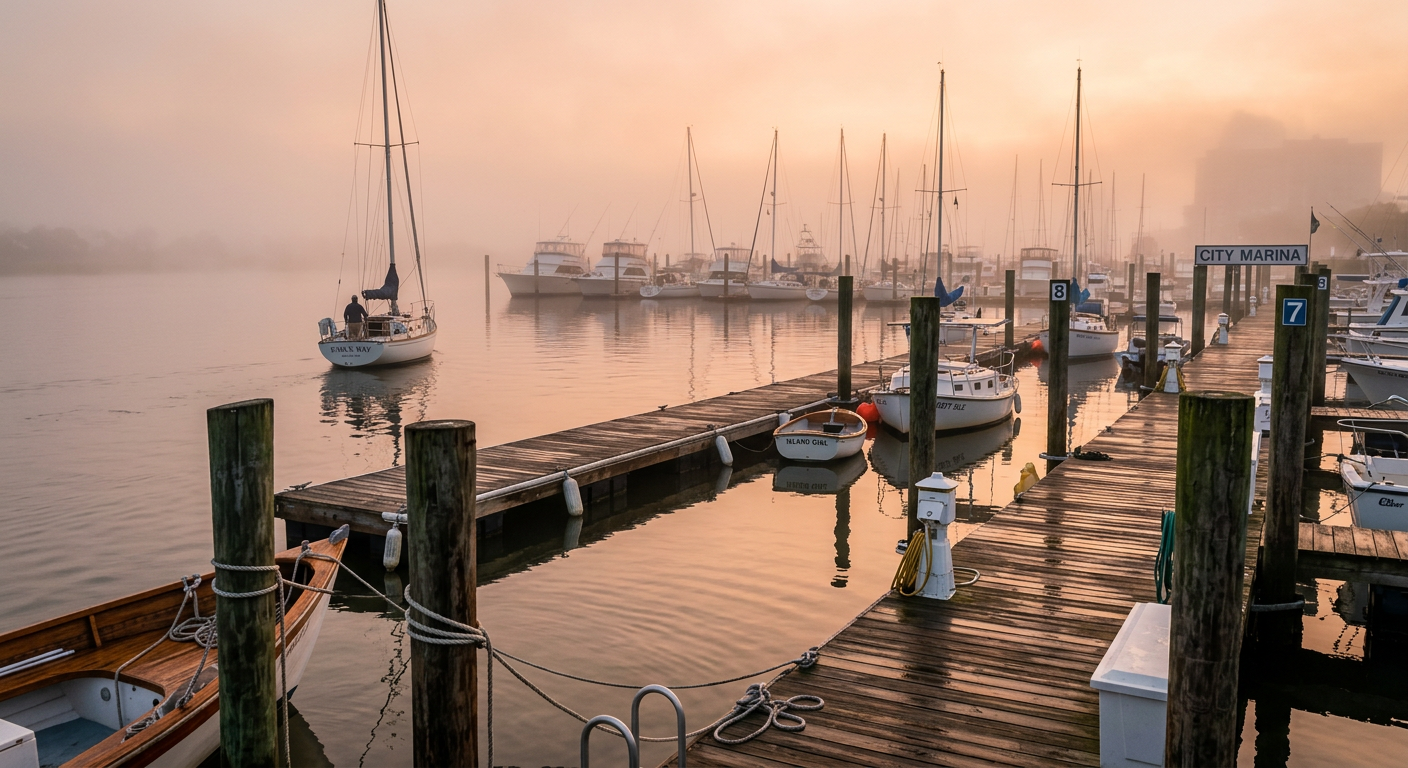
I used to book late-morning maritime excursions. I figured early coastal fog ruined the photos. A paddleboard guide corrected me, shifting my entire perspective. Dolphins feed near the shoreline during the morning haze, long before the heavy tourist barges arrive and churn up the harbor. You miss the wildlife just to get a clearer picture of the Ravenel Bridge. I was wrong about the mist.
Check the schedules on Rockon Recreation Rentals and secure the earliest departure. Grab an iced black tea, lean into the harsh marsh smell, and let the morning unfold before the asphalt bakes.
Why Early Carriages Unlock the Hidden Peninsula
The rhythmic clip-clop of hooves against pavement echoes down the block. Most people hear that sound and picture a glossy brochure promising romance. 2018 me thought the exact same way. I assumed these guided loops were expensive traps for honeymooners.
I wanted my boots on the pavement. I preferred to inspect the mortar at my own sluggish pace.
Spotting Secrets Over the Stucco Barriers
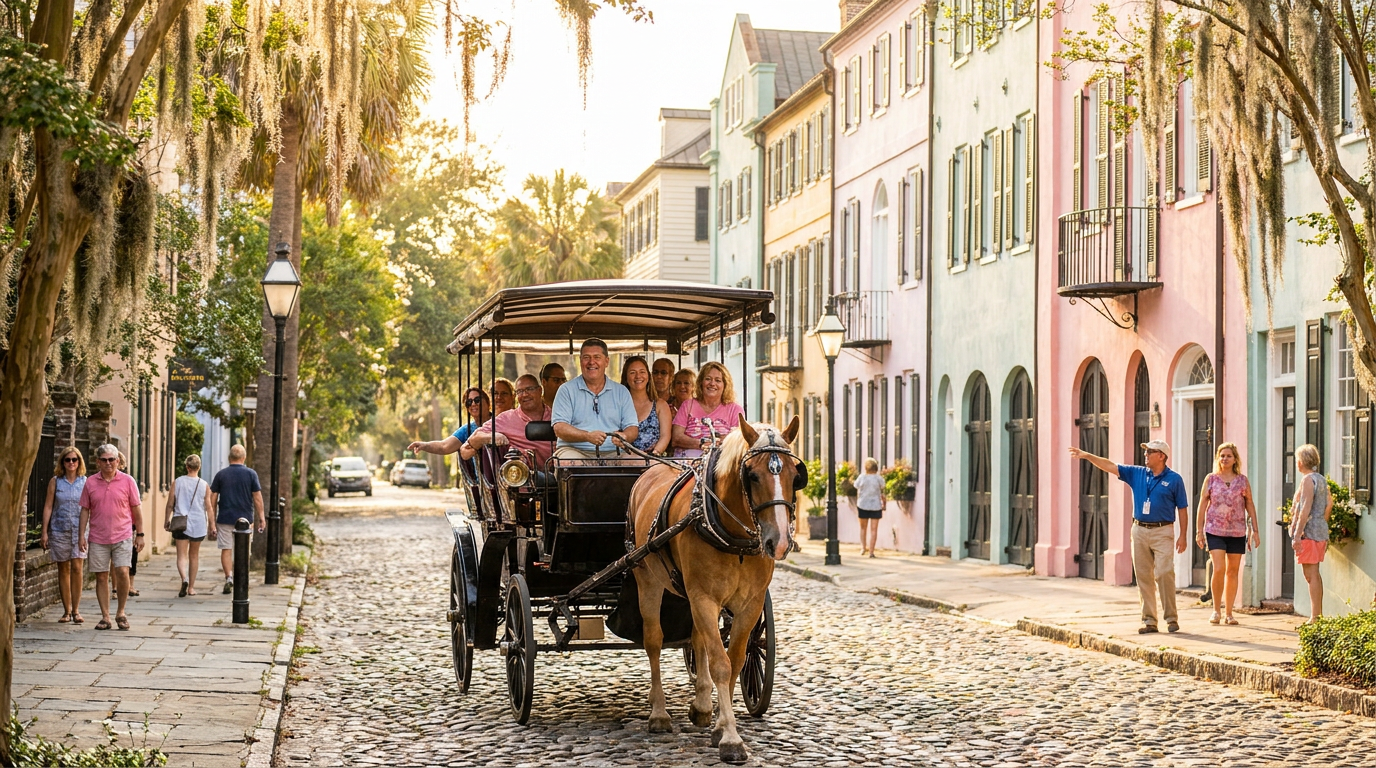
Then I realized the actual advantage the best tours charleston carriages provide at nine in the morning. It isn't romance. The real benefit is altitude, combined with the lack of delivery trucks.
Solid masonry barriers block your line of sight on foot. You spend the whole afternoon staring at flat stucco walls on Tradd Street. Sitting elevated in a wagon lets you look right over those historic property lines. Suddenly, the walled city opens up.
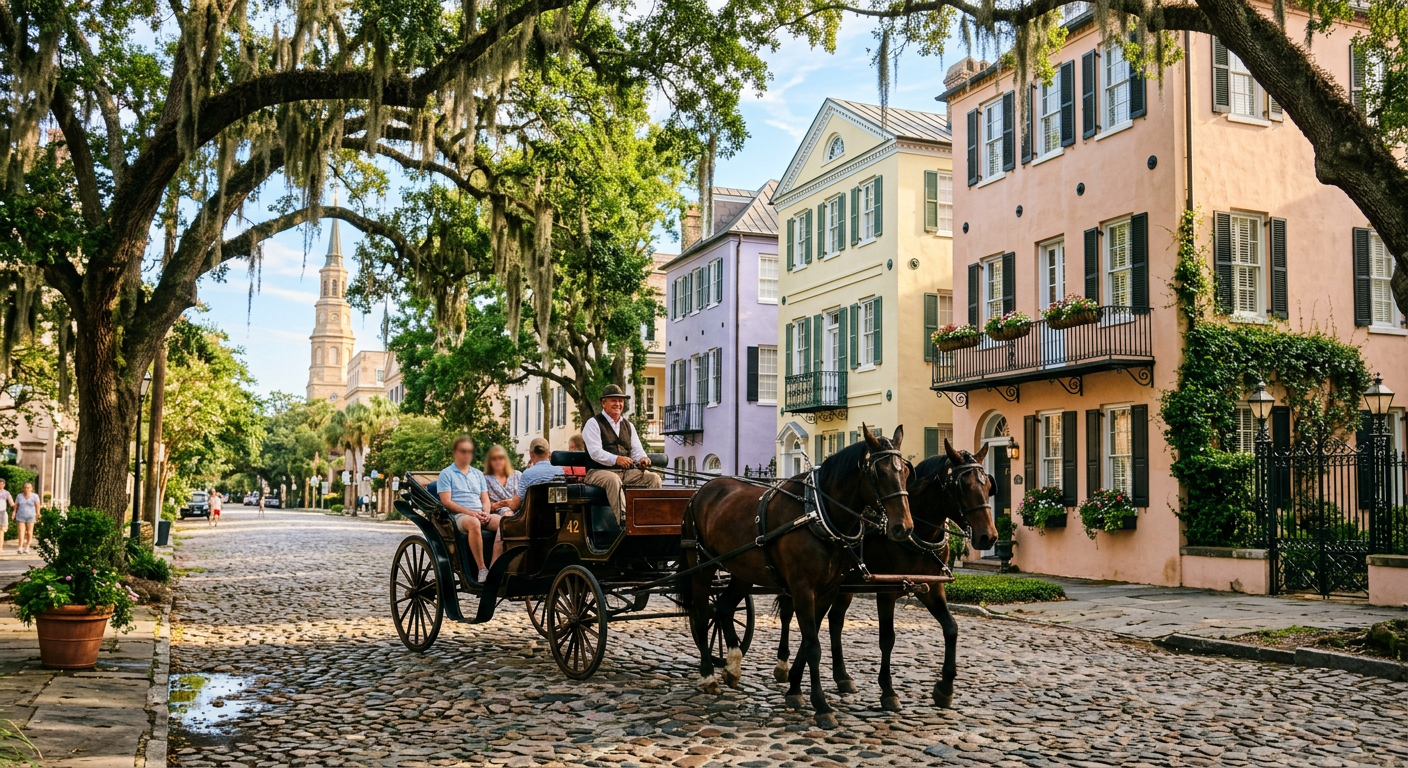
You finally see the hidden gardens. You also save your ankles from the treacherous paving stones.
I can't prove this, but draft horses know when to pause. A gray squirrel sat on a gate post this morning, chewing a stolen French fry. We rounded the corner, the breeze died, and the serious history began.
I wrote off the narration as stiff theater until our guide pointed to a rusted iron disc bolted to a wall. That metal plate held the structure together during the 1886 tremor. According to the National Park Service, that quake altered local building codes permanently. He didn't read from a script. He pointed out the architectural scars.
Beige is a sin, and this guy was painting in primary colors.
Reserving through Rockon Recreation Rentals secures a private cart. You ask questions without competing with ten strangers. Our specific loop through the French Quarter lasted exactly 54 minutes. That gave the unhurried pace time to sink in.
The Exact Moment Standard Guided Walks Miss the Mark
The grit of decades-old brickwork flakes off under your fingers in Philadelphia Alley. You leave a chalky orange smudge on your thumb. Two blocks over on Bay Street, fifty people follow a guide in a fake pirate hat. A memorized script is just an overpriced podcast you have to walk to hear.
Finding the best tours charleston hides in the shadows means looking past those glossy brochures. If it's on a postcard, it's a trap. A broken iron hinge hung off a nearby garden gate, covered in six layers of cheap green paint.
Municipal permits show dozens of walking routes hitting the main commercial streets this year. Heavy demand does not equal historical accuracy. Those mass-market group walks function as basic crowd control.
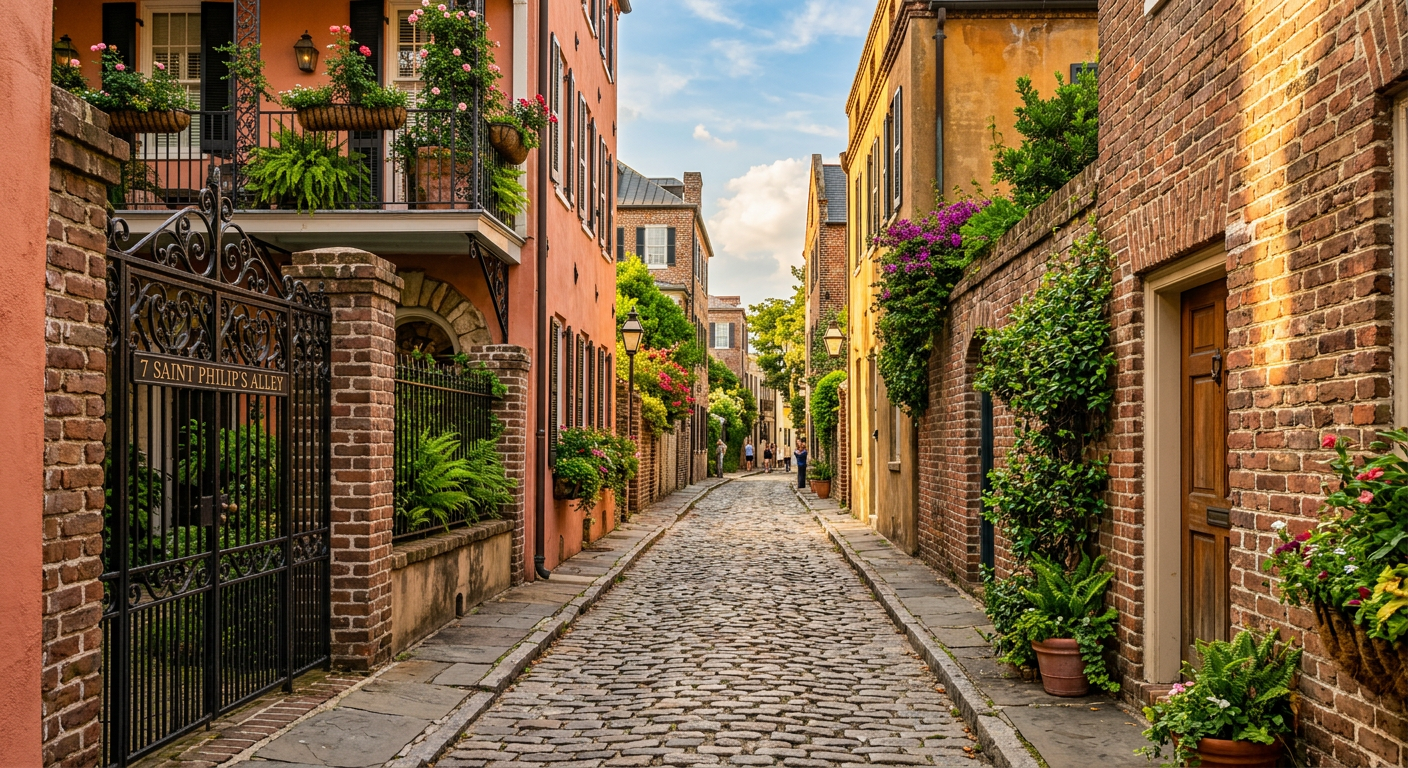
The true history survives in the empty corridors. The massive tour groups cannot physically fit through them.
Leaving the Fake Pirate Hats Behind
Specialized local historians reframe your understanding. Architectural researchers at the Preservation Society of Charleston note these alleys served as utilitarian access paths. They were meant for enslaved workers and livestock, an uncomfortable truth erased by the souvenir shops.
The layout makes sense only when you abandon the commercial noise. Exploring early limits your group to a handful of people maneuvering through narrow places like Longitude Lane quietly. You ask questions and get real answers.
Securing Street Parking Before the Gridlock Hits
The metallic clank of a street sweeper bouncing over cobblestones marks the actual start of the Charleston day. Getting ahead of the crowds offers a massive logistical advantage. You find street parking.
By midday, the tourist quadrant south of Broad Street turns into a slow-moving parade of cars hunting for non-existent spaces. The public garages fill up. The meter maids circle like hawks. Arriving early lets you slide right into a spot near White Point Garden. You kill the engine, step out, and the city belongs to you. No circling the block for an hour. No paying premium private lot fees.
Locals understand this traffic cycle. They run their errands and vacate the historic district just as the out-of-state license plates flood in. Get in, get the history, and get out before the congestion sets in.
How Real History Outperforms Commercial Sightseeing Traps
A sharp tang of bitter saltwater spray hits your tongue near the harbor kiosks. Ever noticed how the loudest ticket booths usually sell the worst experiences? Trust your gut on that. Crushed oyster shells crunch under your sneakers while a portable speaker blares steel drum music.
Keep walking. You do not want the sugar-coated version of the Holy City.
Most visitors wander into the main Battery park and just stare at the cannons. Tracking down the real history requires seeking out those easily missed marks in the masonry right behind them.
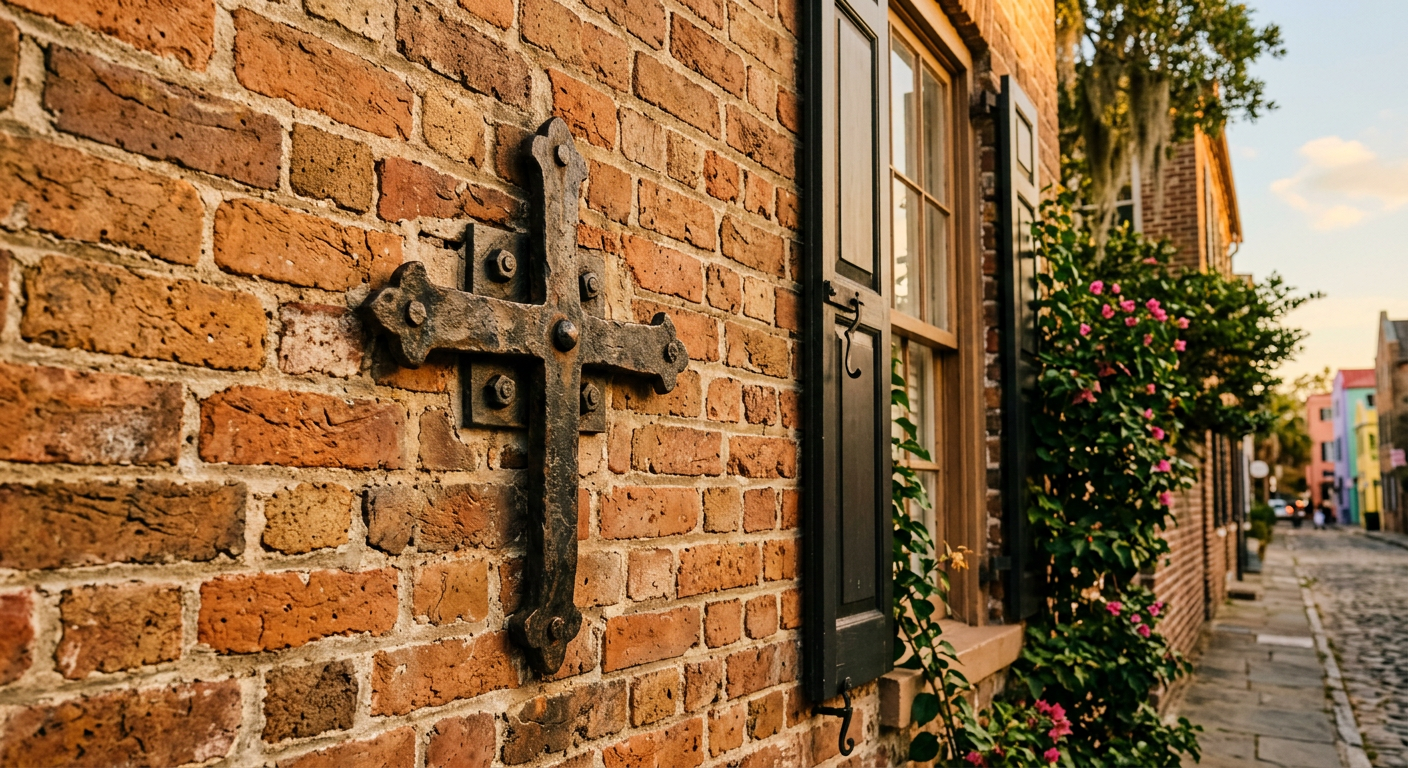
A local guide named Sarah bypassed the mansion gossip. She dove straight into the stark reality of the merchant trade. It felt honest.
We look for this unvarnished storytelling when approving the best tours charleston operators for Rockon Recreation Rentals. Seek out guides carrying battered binders of primary source documents. Research is my love language; reality is my ex.
Demanding the Messy Trade Route Records
Standardized scripts skip the harsh parts of coastal living. According to the National Park Service, this harbor served as a massive military and economic hub with a turbulent past.
You deserve the facts behind that stone seawall. A genuine guide talks about the yellow fever outbreaks and points out architectural quirks born out of desperation. Real history beats a generic ghost story.
Why Afternoon Thermal Shifts Dictate Your Schedule
The square paving stones radiate a furnace-like blast by two o'clock. By mid-afternoon, the harbor breeze stops refreshing you. The shaded alleys morph into humid tunnels.
Down near the seawall, the humidity shoots up fast in late August. That clinging film alters how you move. You cannot ignore the climate in a city built before air conditioning.
The Fallacy of Golden Hour Photography
I always assumed golden hour was the ultimate time to explore. The lighting softens, the shadows lengthen. The photos look great, but the crowds are miserable.
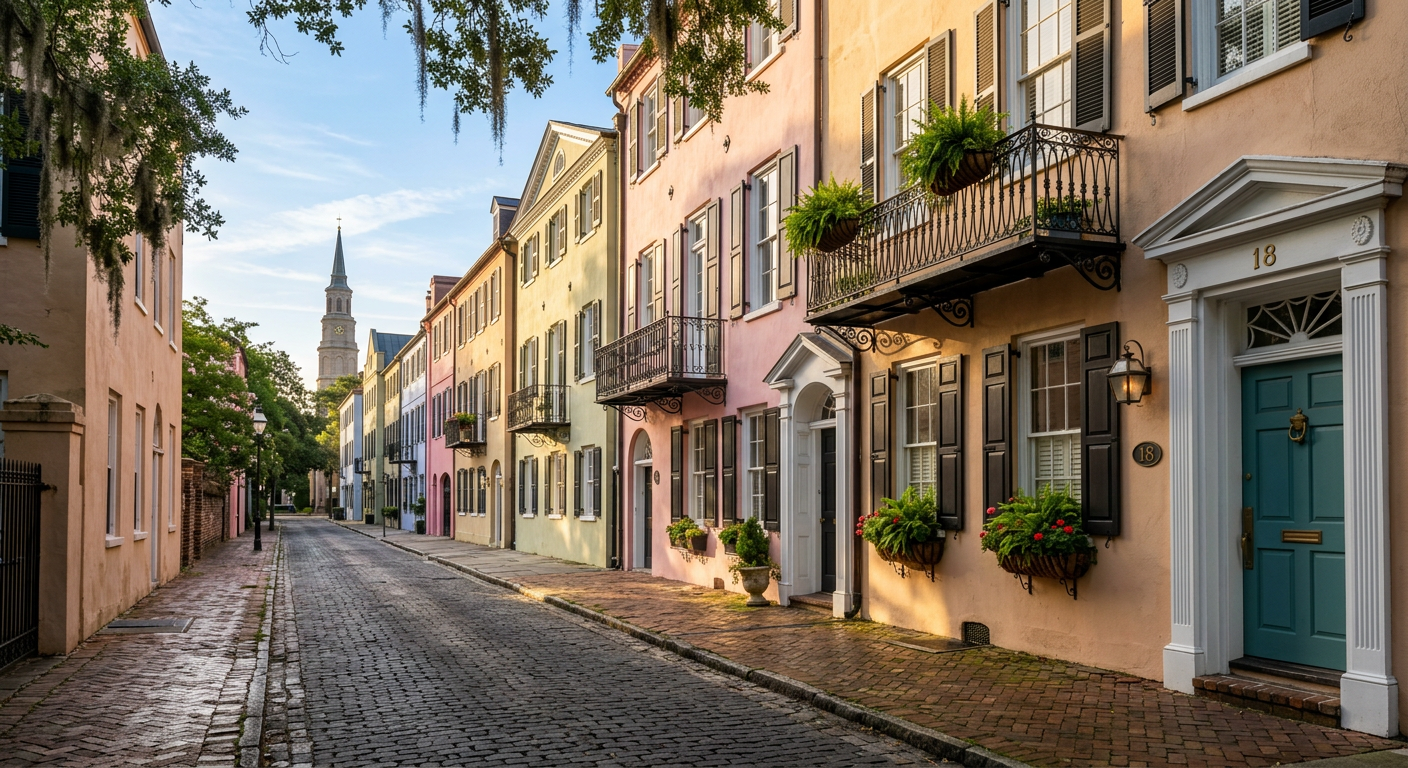
Sunrise is when you actually own the city. Pastel facades look pristine in that pale morning glow. In the evening, the main avenues pack shoulder-to-shoulder with exhausted travelers holding melting ice cream cones.
Defeating the Asphalt Heat Sink
Locking in a solid itinerary relies on checking the clocks. For the 2026 season, conclude your heavy walking routes by lunch. The local guides at Rockon Recreation Rentals suggest swapping your afternoon history walk for a shaded boat ride.
According to the National Weather Service, ambient heat and direct sun cause asphalt temperatures to spike, bouncing off the cobblestones to bake your legs.
Failing to plan for the thermal shift reminds you who is boss. You try pushing through a midday excursion. Sweat drips into your eyes. You end up standing next to a mansion, distracted and dreaming of ice water.
Find the best tours charleston boasts, book the first slot of the day, and let everyone else fight over the afternoon shade.
Plan your trip: Ready to experience this firsthand? Book Tours Charleston Embark on a Private Horse-Drawn Carriage Tour directly through our marketplace.