The Doors On Versus Doors Off Debate
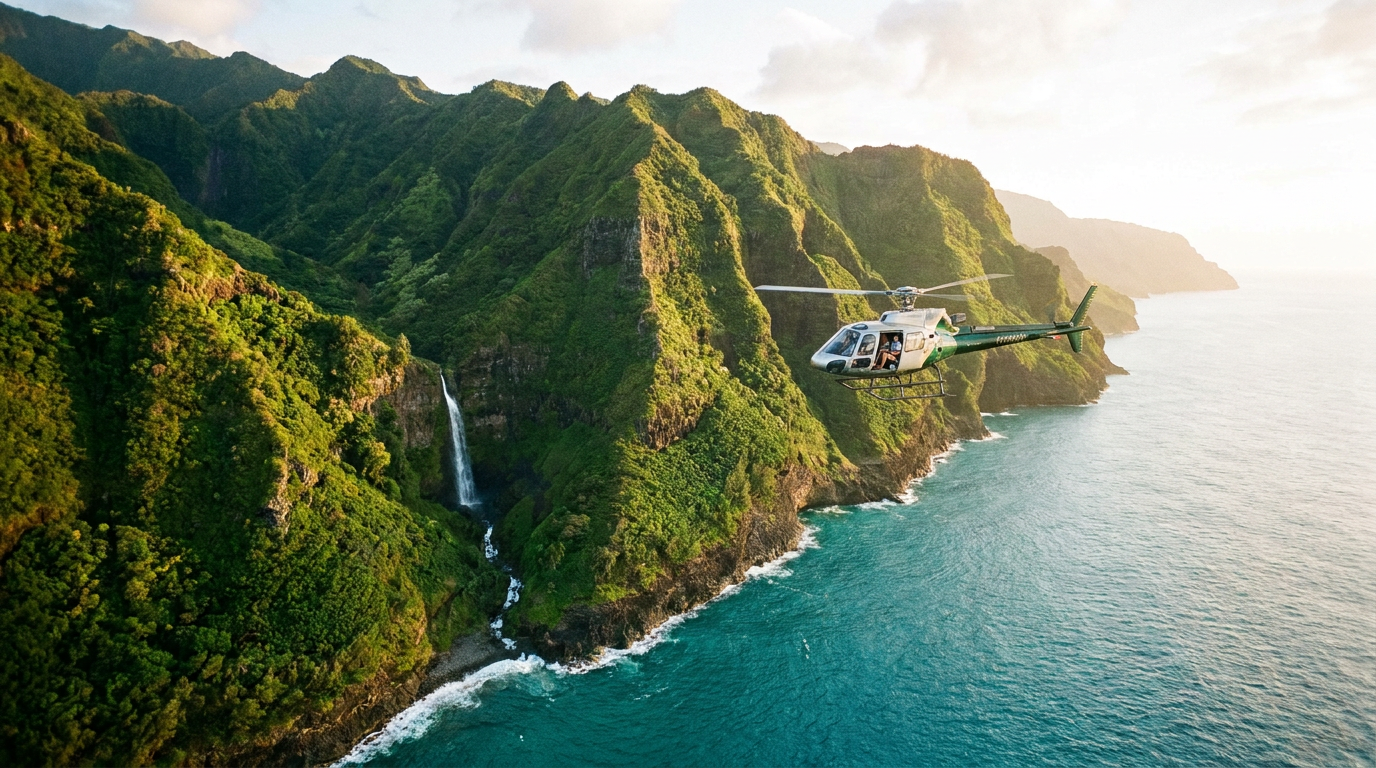
Booking a kauai hawaii helicopter tour introduces you immediately to the metallic smell of aviation fuel baking on the Eleele tarmac. Rotors generate a rhythmic thumping that rattles your ribs. You now face the primary dilemma of the day. Doors on, or doors off?
Doors-off flights mean wind hitting your face at highway speeds. Research is my love language; reality is my ex. The glossy 2026 brochure photos gloss over the atmospheric conditions up there. A sharp chill creeps up your jacket sleeves once you cross about three thousand feet above Waimea Canyon. You accept this discomfort. It is the only way to avoid perspex window glare in your photographs.
The Climate Controlled Alternative
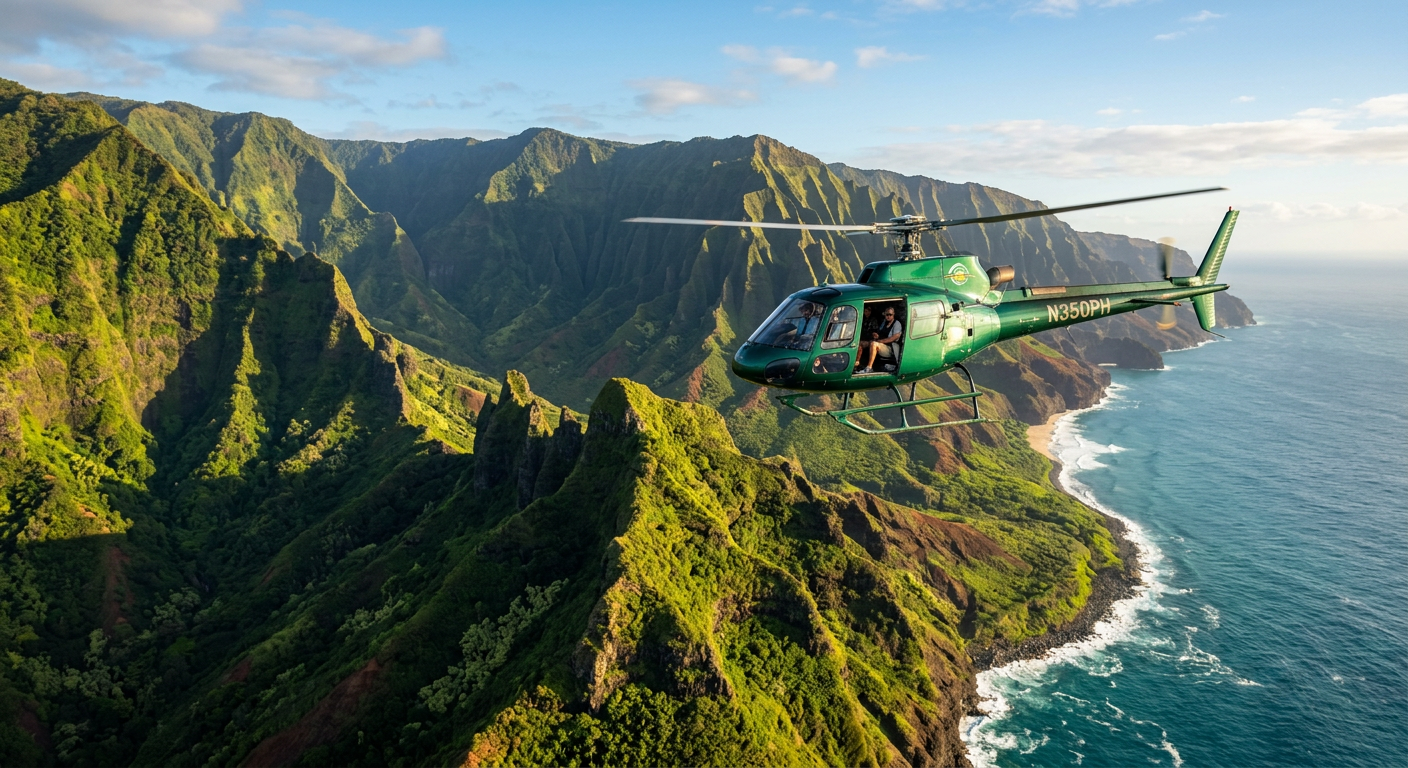
I can't prove this, but the climate-controlled cabins feel designed for the anxious traveler. Having a thick layer of glass between yourself and the Pacific drop-off helps. Standard turbine models seat six passengers. Four sit in back, two in front. A computer assigns seats by body weight.
Weighing The Tradeoffs
2019 me viewed doors-on flights as a gimmick. 2026 me knows better. According to the Federal Aviation Administration, passengers must physically tether all loose items on open-door aircraft. You wear a dense, yellow neoprene life vest strapped tight around your waist.
Wrangling a smartphone on a lanyard in fifty-mile-per-hour wind distracts you from the actual Manawaiopuna Falls. Pick your tolerance for windburn. You can browse your next kauai hawaii helicopter tour through Rockon Recreation Rentals.
Explore experiences near Eleele
The Headset Etiquette Nobody Mentions
The hard plastic ear cups clamp your temples with the pressure of a cheap vice grip. Every commercial helicopter tour uses a voice-activated intercom system. The microphone sits a millimeter from your lips. This technology exists so the pilot can point out hidden waterfalls without shouting over the turbine.
The system triggers whenever someone exhales too sharply. You spend sixty minutes listening to a stranger from Ohio mouth-breathe over the Jurassic Park theme song. The sudden pop of static before every transmission makes you flinch. Eventually, your brain tunes it out. You focus on the scenery. The audio intrusion fades into background noise.
The Pilot Interventions
Experienced pilots master the mute switch. They cut the passenger microphones when flying over sacred sites like the Kalalau Valley to mandate silence. The sudden quiet inside your headset forces you to actually look at the thousand-foot drop below. It works.
The Reality of Aerial Photography
The sticky humidity of the cabin fogs up viewfinders if you press your face too close to the glass. Everyone boards expecting to capture glossy magazine spreads. Holding a camera steady while a helicopter banks at forty-five degrees requires core strength you did not know you needed.
Most passengers spend their first fifteen minutes staring at their screens instead of the horizon. The vibration blurs half the shots anyway. Auto-focus systems panic when faced with a scratched window and a moving landscape simultaneously.
Managing Expectations
Put the camera down after Waimea Canyon. The human eye handles the dynamic range of the Na Pali Coast better than any sensor. If you must shoot, wear dark clothing. A bright white t-shirt reflects off the interior glass and ruins every photo you attempt to take looking outward. Trust your gut on this, even if the brochure says to wear comfortable resort attire.
What to Expect During Flights Over Kauai Hawaii
Vibration travels up your boots and through the floorboards at Port Allen. The rotors drown out all conversation as you lift off. You cross the broad green fields of the Kauai Coffee Estate within minutes. The aircraft banks inland toward the canyon.
It takes about a minute for the initial panic to turn into awe. The ground drops away. You finally grasp the scale of the island.
The Pilot Experience
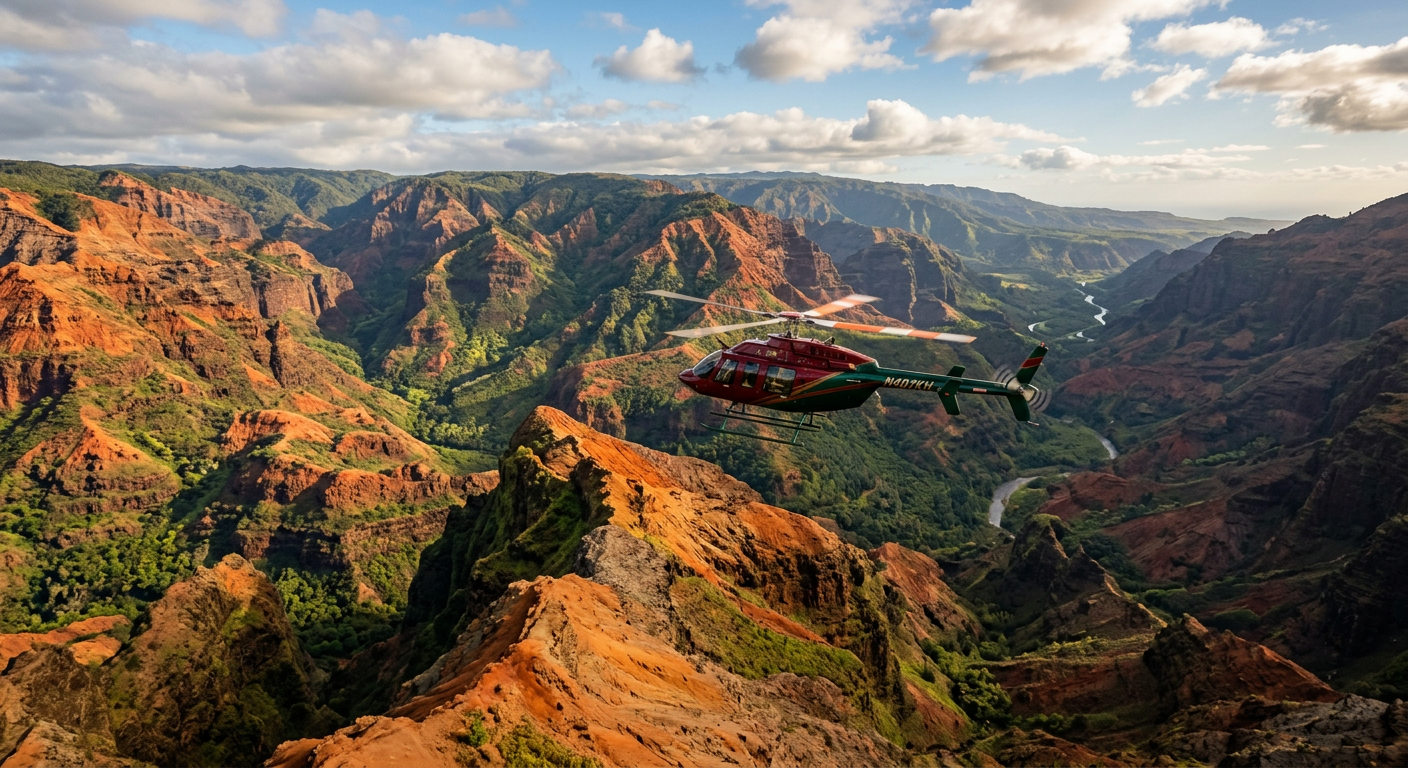
Your pilot doubles as a tour guide. They pipe a curated playlist through your headset. According to geological data from the United States Geological Survey, water carved these ridges over millions of years.
I assumed the canned music would feel cheesy. Then the soundtrack synced with the cresting ridges of the Na Pali Coast. The timing works. The helicopter clears the canyon rim. The dirt below is red, the trees are green, and the pilot banks left toward the ocean.
A standard flight route covers about a hundred miles before returning to Eleele.
The Truth About Na Pali Coast Weather Delays
The heavy air makes your smartphone screen feel greasy before you even check the morning forecast. Most weather apps pull data from Lihue or Princeville. They blanket the whole island with a single rain icon. This causes immediate panic for anyone holding a booking confirmation. Algorithms fail at island microclimates.
Why The Apps Lie
A downpour at the Eleele launch pad means nothing about the northern coast. The central mountain traps moisture. Rain dumps on the heliport while coastal ridges sit in bright sunlight. The check-in desk features a laminated sign about refund policies taped slightly crooked to the wall. A guy named Steve sat next to me wearing bright orange water shoes. We were miles from the ocean.
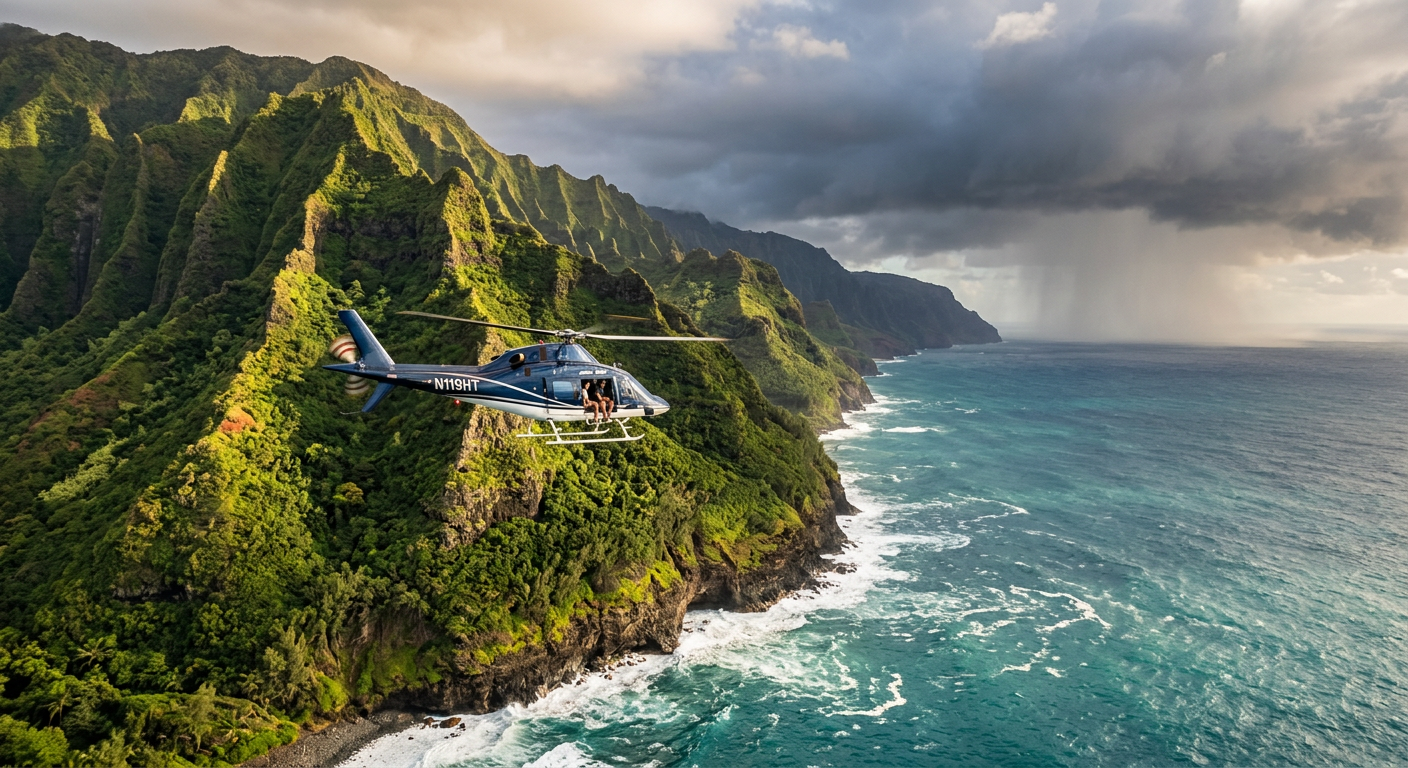
I used to cancel plans based on morning radar blocks. Then I stood on the western shore and watched clear skies hover over canyons my app claimed were flooding. My entire perspective shifted. Trust the local flight dispatchers. In 2026, aviation teams still rely on live pilot reports over generic radar feeds.
Booking With Realistic Expectations
Book your trip for your first full day on the island. If weather grounds you, operators move the reservation to an open slot. Having three buffer days saves your itinerary.
Reputable operators prioritize visibility over keeping a tight schedule. Low cloud cover hides the valleys. If a dispatcher tells you to wait until tomorrow, thank them. They just saved you from an expensive ride through gray fog. A delayed flight always beats a blind one.
Explore helicopter and coastal adventures
Picking the Right Time for Your Departure
The morning chill cuts through your layers as you walk across the tarmac at dawn. Early departures offer the most stable atmosphere of the day. The aircraft glides rather than bouncing through thermals. According to the National Weather Service, local trade winds strengthen as the island heats up.
Mount Waialeale usually stays visible for a morning departure. Clouds roll in by noon. Plan accordingly.
The Afternoon Shadow Problem
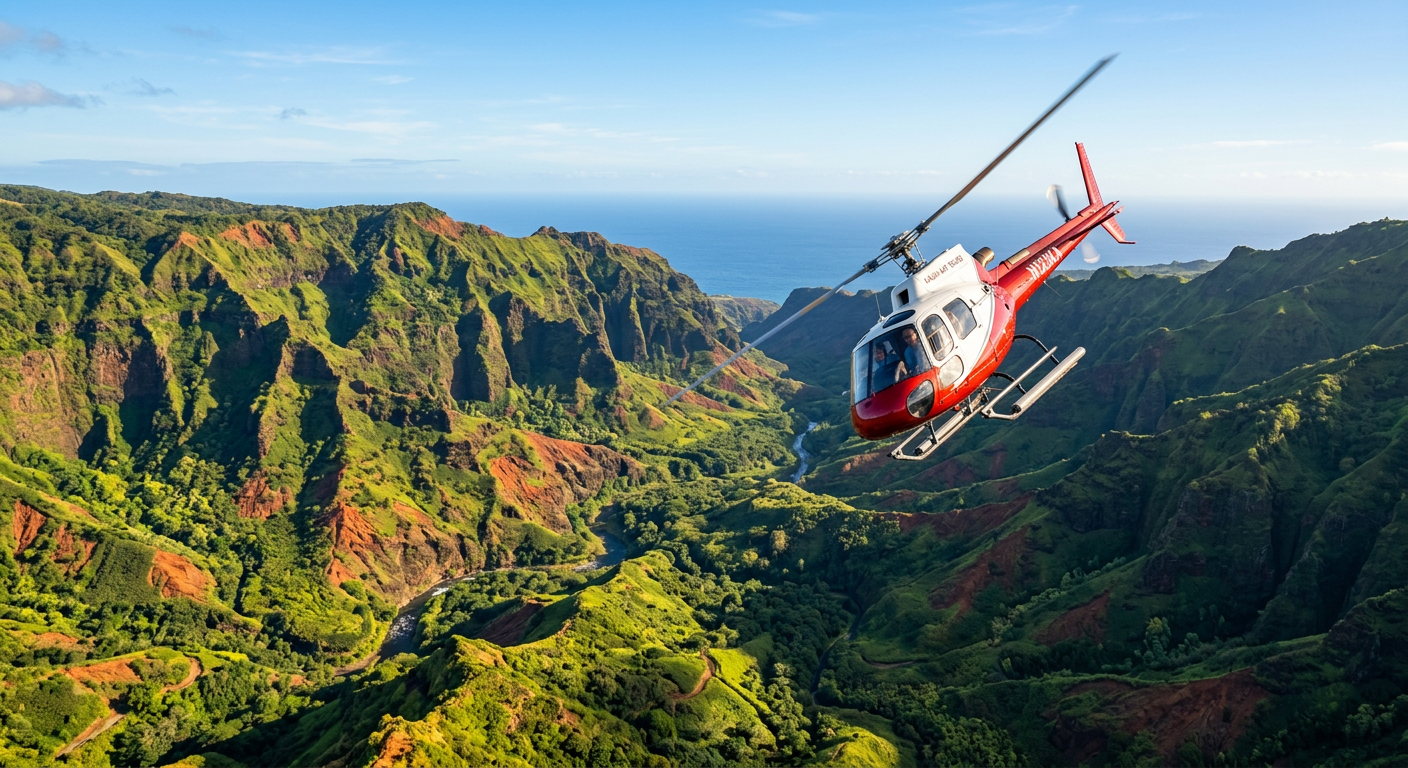
Late departures cast warm light across the Pacific. For years, I assumed sunset flights provided the best experience. Then I took a 4 p.m. trip over Waimea Canyon.
The sinking sun leaves the deepest sections of the gorge pitch black. You get brilliant ocean photos, but the canyon walls become dark silhouettes. People book midday flights just to accommodate their lunch plans. They trade clear mountain visibility for convenience. Do you want vibrant canyon details or golden light over the water? You have to choose.
Motion Sickness and the Weight Distribution Reality
The chalky, bitter taste of a motion sickness pill dissolving on your tongue beats ruining an expensive ride. You step into the heliport lobby and face the industrial scale. Everyone expects to stroll in and call dibs on a window seat. Gravity makes the rules.
A computer calculates the center of gravity for every flight. It groups passengers by mass. The waiting room features an old water cooler that drips with a faint, rhythmic tink against its plastic catch tray. A safety briefing video plays on loop.
The Window Seat Lottery
Do not argue if the ground crew assigns you an inboard position. They balance the manifest to keep the aircraft flying level. Your fate rests on exactly 1.4 pounds of carry-on gear shifting the payload formula.
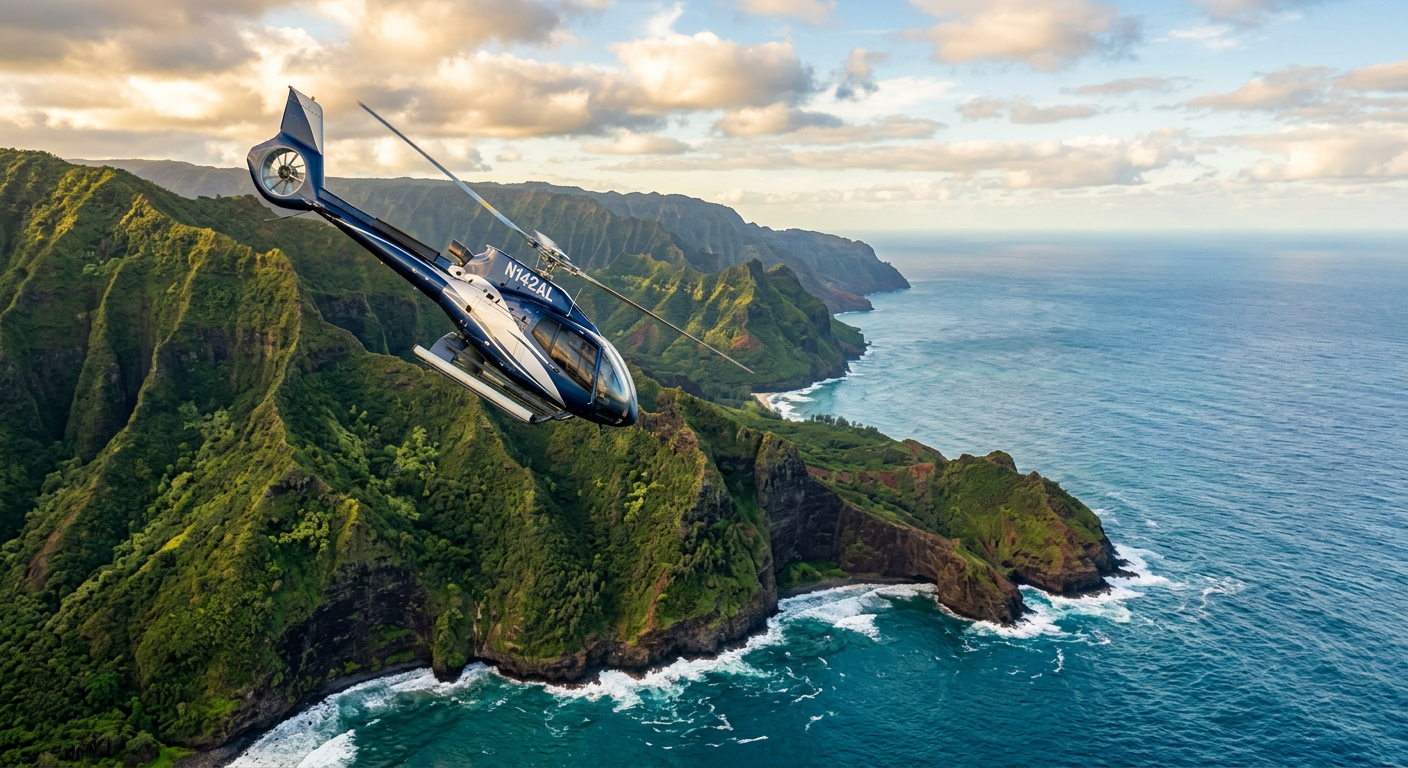
I used to think the middle seat was a scam. Then we banked hard over the Kalalau Valley. The middle seat provides a level horizon line when the aircraft dips. It reduces disorientation.
Managing the Movement
Helicopters pivot sharply. They drop into canyons to deliver those advertised views. These sudden altitude changes mess with cabin air pressure. Those complimentary sick bags behind the seats get used.
Take your medication about an hour before boarding. Booking heavier aircraft through Rockon Recreation Rentals provides a more stable ride against crosswinds. Gravity always wins.
Why Aerial Views Leave You Wanting the Ocean
The turbine whine fades into a dull ringing in your ears as you unbuckle the flight harness. Marketing materials claim a kauai hawaii helicopter tour provides the ultimate understanding of the Na Pali Coast. Beige travel brochures are selling you a trailer.

Looking down from the cabin, I realized the altitude ruins the scale. Grand cliffs just look like a textured map on a screen. The aerial view shrinks the majesty. You need to look up from the ocean floor to feel how small you are.
Bridging the Gap at Port Allen
Port Allen harbor sits just down the road from the helipads. Commercial catamarans and inflatable rafts launch from these concrete slips daily. Morning tours navigate waters overseen by the Hawaii Department of Land and Natural Resources.
Booking a sea-level expedition forces you to experience the topography at a human pace. The harsh salt spray hits your face while the hull slaps the Pacific swells. You watch spinner dolphins ride the bow wake mere feet away. It beats squinting at tiny grey shapes through the clouds. To complete your trip, learn more about what the islands offer from the Hawaii Tourism Authority.
The flight is just a scouting mission. It shows you the map. The boat trip puts you in the actual territory, especially on an excursion like the Hawaii Napali Coast Snorkel Adventure.
Frequently Asked Questions
How much does a kauai hawaii helicopter tour cost
Prices in 2026 generally range between 300 and 400 dollars depending on flight duration and whether you select a doors-off option. Longer flights covering the entire island cost more. Premium private charters push those numbers higher.
Can I request a specific seat
No. Federal safety regulations require companies to assign seating based on passenger body weight to balance the aircraft. You find out your seat right before boarding. Do not try to bribe the desk clerk; the computer makes the final call.
Are doors-off tours colder
Yes. At altitude, the temperature drops and the wind hits you at highway speeds. Wear a secure windbreaker and prepare for the chill over the canyons. The open air strips away the tropical heat fast.
What should I wear on my flight
Dark clothing minimizes glare on the perspex windows for doors-on flights. Wear closed-toe shoes and ensure long hair is securely tied back. Avoid hats entirely, as you cannot wear them under the bulky headsets.
Will motion sickness medication help
Non-drowsy options work for most passengers. Taking it an hour before takeoff helps your body adjust to the banking maneuvers and sudden altitude changes. Keep your eyes on the horizon if you start feeling rough.
Do flights get canceled due to rain
Yes. Safety and visibility dictate the schedule. Book your kauai hawaii helicopter tour early in your trip so you have buffer days to reschedule if weather moves in. Dispatchers monitor localized microclimates constantly.
How long do the standard tours last
Most basic flights last about an hour. This provides enough time to cover the major landmarks from Waimea Canyon to the Na Pali Coast before returning to base. Extended routes can run up to ninety minutes.
Can I bring my professional camera
Yes, but only with a secure neck strap. Loose lenses or lens caps are prohibited, especially on open-door flights where they pose a hazard to the tail rotor. Bring one versatile lens and leave the camera bag behind.
Is the middle seat a bad view
The middle seat offers a more stable visual horizon during steep banking maneuvers. Many passengers find it helps prevent nausea while still offering great forward views through the front canopy. It is not the penalty box people assume it is.
Are there age restrictions for passengers
Children under two often fly as lap children on standard doors-on flights. Doors-off excursions typically require passengers to be at least ten years old for safety reasons. Check with your specific operator for current 2026 guidelines.