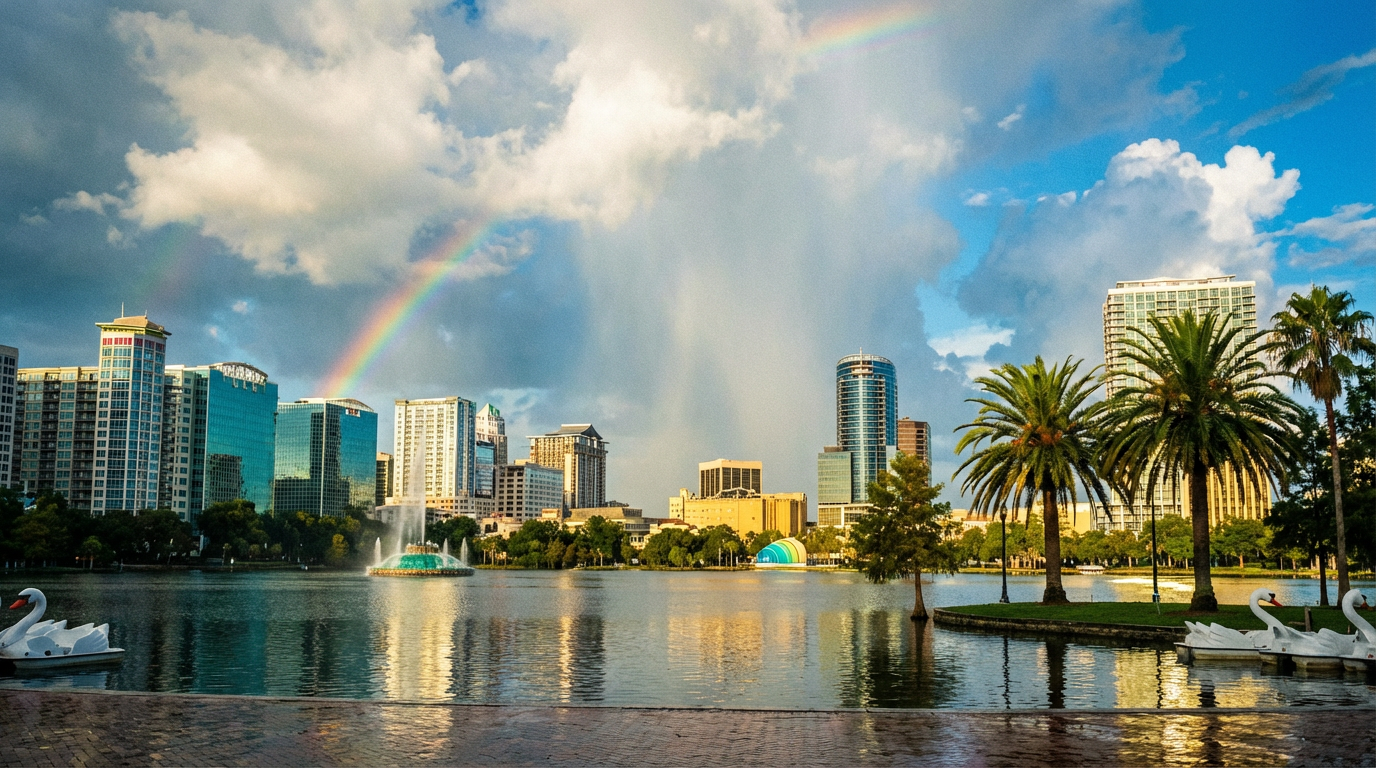
How to Analyze Your Local Weather Data
As a Central Florida guide navigating local atmospheric shifts since 2018, I constantly remind guests that checking the orlando weather forecast is the single most important operational step before leaving their hotel room. I consistently see visitors make the same costly mistake in 2026. They pull up a standard smartphone app, see a generic lightning bolt icon covering the entire week, and abruptly cancel a $300 half-day fishing boat rental without analyzing the underlying meteorological data.
To truly maximize your trip, you need to go well beyond the daily algorithmic summary. Analyzing your orlando weather forecast requires interpreting subtropical meteorology and knowing exactly what data points dictate a fully canceled itinerary versus a minor 20-minute shelter break under a covered marina.
Utilizing Hourly Precipitation Charts for Clear Windows
A highly effective tool in any Florida adventurer's arsenal is the hourly precipitation graph. A daily overview showing an 80 percent chance of rain is a notoriously misleading metric for uninitiated visitors. In the summer months, that high percentage often translates to a dense, isolated downpour covering just a 2.5-mile radius, occurring strictly between 2:30 PM and 4:00 PM.
By cross-referencing your orlando weather forecast with high-resolution radar models, you can almost always identify distinct three-to-four-hour windows of uninterrupted sunshine. Local charter operators know that morning slots—typically from 8:00 AM until 1:00 PM—offer the region's lowest Convective Available Potential Energy (CAPE). When you book a 21-foot bass fishing vessel through Rockon Recreation Rentals, you strategically leverage this predictable low-energy window before afternoon surface heating triggers towering precipitation columns.
Deciphering Scattered Showers and Severe Warnings
Understanding the strict terminology used by meteorologists is vital for Central Florida maritime travel. What most visitors do not realize is that the Probability of Precipitation (PoP) in your orlando weather forecast represents a strict mathematical formula. According to documentation from the National Weather Service, a 50 percent chance of rain means there is a 50 percent statistical probability that at least 0.01 inches of precipitation will fall at your specific coordinate.
Conversely, when the daily outlook upgrades from scattered thunderstorms to a Severe Thunderstorm Warning, this signifies organized atmospheric instability characterized by strong downdrafts. These specific warnings mean wind gusts exceeding 58 mph or hail at least one inch in diameter are imminent. These conditions generate localized microbursts fully capable of swamping a 21-foot center console on exposed lakes.
Predicting Rain Cells with Advanced Radar Apps
Because stationary weather icons lack the nuance required for safely navigating Florida waterways, you must learn to read live radar projections alongside your standard orlando weather forecast. Native smartphone apps often lag real-time skies by 5 to 10 vital minutes. Throughout the 2026 season, the unique geography of the Florida peninsula continues to create a daily meteorological battle between the Gulf Coast sea breeze and the Atlantic Coast sea breeze.
To anticipate exactly when these rain cells will impact your location, bypass basic applications and use analytical tools like the official NOAA Weather Radar. Watch the velocity and direction of the yellow and red storm cores. If you observe the sea breeze collision line forming west of Interstate 4 and moving east at 10 to 15 mph, you generally have a precise 45-minute window to securely dock your rental vessel.
Understanding Central Florida Weather Patterns for Outdoor Trips
Since beginning my guiding career eight years ago, the most common meteorological phenomenon I must explain to visitors is the rapid lifecycle of the daily summer thunderstorm. During the peak summer season, the Atlantic sea breeze pushes inland to the west while the Gulf of Mexico sea breeze aggressively pushes eastward.
When these two opposing fronts collide directly over the middle of the state, they force hot, humid air upward in a rapid convection cycle. According to the National Weather Service (NWS) Melbourne office, this violent collision zone frequently settles right over the I-4 corridor. This precise geographic quirk is exactly why your orlando weather forecast might look perfectly clear at dawn but suddenly predict isolated lightning strikes by 3:00 PM.
Why the Heat Index Matters More Than Air Temperature
Another critical metric that visiting boaters consistently misinterpret in their orlando weather forecast is the explicitly reported high temperature. A predicted afternoon peak of 92°F (33°C) might not sound overly oppressive until you factor in Florida’s trademark 70 to 90 percent summertime humidity levels. This combination degrades your body's physiological ability to efficiently cool itself via sweat evaporation.
The official NWS Heat Index chart demonstrates that an air temperature of 92°F at 70 percent relative humidity actually produces a dangerous heat index of 112°F. Furthermore, radiant UV reflection off the surface of local lakes intensifies this thermal load, making an exposed afternoon on a pontoon boat exceptionally dangerous without proper canopy shade and active hydration management.
Evaluating Wind Predictions for Safe Navigation
While unpredictable precipitation dominates local headlines, unseen wind drift remains the most underestimated variable for aquatic excursions. Whether you are navigating the Winter Park Chain of Lakes or maneuvering an Orlando fishing boat rental on Lake Tohopekaliga, heavy wind resistance drastically alters vessel handling. When reviewing your extended orlando weather forecast, you must look well beyond generic sun icons and explicitly examine sustained wind velocities.
According to strict safety guidelines heavily emphasized by the BoatUS Foundation, sustained winds exceeding 15 mph routinely create whitecaps and generate leeway drift that makes docking broad-sided 21-foot vessels highly difficult for novices. Because we operate as a verified VisitFlorida Travel Partner, we strongly recommend booking your waterway adventures on mornings predicting wind speeds strictly under 10 miles per hour.
The Benefits of Tracking Weather Trends Over Spontaneous Planning
By actively monitoring the scheduled orlando weather forecast over a three-to-five-day period, you transition from merely reacting to sudden downpours to deliberately bypassing them altogether. Spontaneous vacation planning might work adequately in arid west coast climates, but in the subtropics, hoping for the best is a fast track to forfeiting non-refundable deposits.
What most visitors do not realize is that Central Florida's summer storms are highly localized micro-events. Midday sea breeze collisions create intense thunderstorms that can easily dump an inch of rain on a specific zip code while leaving a marina just three miles away completely dry.
Comparing Morning Tours With Spontaneous Afternoon Bookings
Based on rigorous observation of local waterways, pre-planned early morning boat rentals boast roughly a 95 percent completion rate without severe weather interruptions. The atmosphere before noon remains highly stable, lacking the accumulated solar insolation required to actively fuel intense convective daytime thunderstorms.
Conversely, visitors who adopt a wait-and-see approach often attempt spontaneous afternoon bookings right as atmospheric instability peaks. If you wait until 2:00 PM to check your orlando weather forecast and secure a vessel, you are playing meteorological roulette. Pre-booking an 8:30 AM slot safely locks in the most stable barometric conditions of the entire day.
Maximizing Your Vacation Budget Through Proactive Scheduling
Tracking extended weather patterns actively protects your travel budget, a specific strategy endorsed by travel planning experts at Forbes Travel. Reliable outfitters enforce strict 24-hour non-refundable cancellation policies to protect their fleets. If you book a premium rental without analyzing the broader humidity and pressure trends in your orlando weather forecast, a predictable squall line could force you to forfeit hundreds of dollars.
Furthermore, verifiable climatological data from The Florida Climate Center indicates that July and August average 15 to 18 days of measurable precipitation in this region. Knowing this statistical trend allows you to deliberately front-load your most weather-dependent, high-ticket activities into the guaranteed clear morning windows at the start of your trip.
Typical Seasonal Conditions in the Greater Orlando Area
Central Florida does not experience traditional four-season environmental shifts. Instead, the region operates on a distinct wet-dry subtropical cycle, reliably transitioning around late May and mid-October. Aligning your itinerary expectations by following seasonal trends in your orlando weather forecast effectively prevents frustrating last-minute schedule scrambles.
Navigating Summer Humidity and Afternoon Monsoons
From early June through late September, relative humidity frequently exceeds 75 percent. According to empirical climatology tools from the National Weather Service in Melbourne, this intense surface heating consistently initiates the violent afternoon collision of prevailing sea breezes.
What most visitors objectively miss is that when reviewing your summer orlando weather forecast, the customary 60 percent afternoon rain probability usually covers a broad 12-hour predictive window for what is actually a fierce but brief 45-minute rain event. Securing morning watercraft slots allows you to completely bypass this monsoon window.
Exploring During the Mild Winter Dry Season
Late November through March offers fundamentally different environmental conditions, with daily high temperatures reliably stabilizing between 68 and 75 degrees Fahrenheit. Without the persistent threat of afternoon lightning detailed in the summer orlando weather forecast, you can safely commit to prolonged fishing excursions across the St. Johns River.
However, an edge case many visiting anglers overlook is that Florida winters feature significant micro-climate shifts. Strong continental cold fronts plunging south can occasionally drop overnight low temperatures into the upper 30s. Operating a 21-foot vessel at 25 mph when ambient air is 45 degrees feels significantly colder once you incorporate the aggressive wind chill factor over open water.
Safety Protocols During Atlantic Hurricane Season
For the active 2026 season, the National Hurricane Center provides a crucial 7-day tropical weather outlook that you should rigidly monitor starting two weeks prior to your arrival. The verifiable majority of severe storm activity biologically peaks between mid-August and late October.
Even if a centralized storm tracks 150 miles away from your location, sustained peripheral winds exceeding 20 knots will mandate the immediate suspension of marine activities. Fortunately, monitoring your orlando weather forecast and booking through authorized VisitFlorida partners like Rockon Recreation Rentals ensures you are protected by fair, strict local safety protocols regarding swift refunds during official tropical cyclone warnings.
Navigating Sudden Rain Showers During Your Vacation
If your daily orlando weather forecast indicates standard afternoon convective activity rather than a sweeping frontal boundary, you can confidently assume the deluge will pass quickly. According to extensive meteorological data from the Florida Climate Center, a typical summer thunderstorm in the region lasts strictly between 30 and 45 minutes over any specific location before moving laterally.
Establishing Reliable Indoor Backup Plans
The verifiable secret to salvaging a wet Florida afternoon is avoiding the amateur mistake of sitting idly inside a humid, fogged-up rental car at the marina. Instead, proactively develop a 10-mile geographical radius of indoor diversions situated securely near your primary outdoor destinations.
Pivoting to an expansive indoor educational complex like the Orlando Science Center (which maintains top ratings on Tripadvisor) provides immediate, high-quality shelter. When analyzing a questionable orlando weather forecast, we highly advise bookmarking at least two indoor, air-conditioned attractions located within a strict 15-minute driving distance of the boat ramp.
Swapping Rain Delays for Hardwood Action
If your extended orlando weather forecast predicts a sustained, multi-hour regional washout during cooler transitional months, leaning seamlessly into the local sports culture serves as a brilliant tactical pivot. Securing last-minute tickets to watch professional basketball downtown at the Kia Center transforms a ruined boating day into a climate-controlled victory.
For the highly anticipated 2026 regular season running from October through April, securing seats for a 7:00 PM evening tip-off strategically replaces a rained-out sunset cruise, ensuring your meticulously planned itinerary remains packed with high-energy local entertainment.
Resuming Your Outdoor Itinerary Promptly
Once the lightning threat officially passes your location, returning promptly to the local waterways yields distinct biological advantages. The sudden drop in barometric pressure and surface water temperature frequently triggers heightened wildlife activity in Florida's vast freshwater ecosystems.
Native largemouth bass aggressively resume feeding cycles after a storm cools the upper water columns. By observing the radar trends on your orlando weather forecast and launching immediately after the green cells confidently clear, you interact with the newly energized ecosystem exactly like a seasoned local charter captain.
Best Morning Activities Based on Daily Temperature Trends
The most strategic logistical move you can execute is checking your comprehensive orlando weather forecast the night before, identifying the precise local sunrise time, and planning to be on the water within thirty minutes of first light. I continually watch visitors sleep late and arrive at the boat ramp at 11:30 AM—precisely when the atmosphere aggressively shifts from comfortably warm to oppressively stifling.
Capitalizing on the Early Morning Dew Point Advantage
Between 7:00 AM and 9:00 AM, ambient summer temperatures usually hover around a tolerable 75 degrees Fahrenheit. Because the sun sits at an optimal low angle, intense solar radiation has not yet begun baking the marina asphalt and severely elevating the ambient humidity through rapid evaporation.
According to historical operational data from the National Weather Service Melbourne, planning your strenuous outdoor activities before 10:30 AM is the only verifiable method to outmaneuver the physical heat exhaustion that inevitably materializes after midday when the localized UV Index reaches a dangerous Level 11.
Why Glassy Morning Waters Maximize Wildlife Encounters
Before the ground thoroughly heats up and generates turbulent thermal breezes, the local lake surfaces lay remarkably flat. When your orlando weather forecast confirms sustained winds blowing at less than 5 miles per hour, vertical visibility through the water column improves exponentially regarding fish targeting.
The Florida Fish and Wildlife Conservation Commission emphasizes that trophy largemouth bass hunt aggressively in shallow coastal vegetation strictly during low-light dawn periods. Booking an early rental securely positions your vessel in these critical habitats during peak biological activity, well before the midday recreational wake-zone chop severely disrupts the water clarity.
Outpacing the Midday Crowds and Intense Sun
Effectively predicting the weather is heavily tied to successfully predicting human traffic bottlenecks at popular boat ramps. Highly trafficked pristine access points consistently max out their strict vehicle capacity limits and close front gates by 8:30 AM during peak 2026 summer weekends.
By monitoring the orlando weather forecast and successfully launching your 21-foot watercraft at 7:30 AM, you effortlessly bypass the chaotic loading zones and secure three pristine hours of quiet navigation. You comfortably return your vessel to the dock by noon, just as the suffocating humidity peaks and dark, threatening storm clouds begin predictably stacking on the horizon.
Securing Your Next Florida Excursion With Accurate Data
Ultimately, successfully navigating Central Florida's incredible but volatile aquatic environments requires respecting the raw data. The difference between a memorable five-pound bass catch and a miserable afternoon huddled under a bridge comes down strictly to how thoroughly you leverage your orlando weather forecast before your arrival.
By integrating verified radar tools, respecting wind drift forces on 21-foot vessels, and rigorously adhering to the proven 2026 seasonal morning strategies, you mathematically guarantee the safest, highest-yield vacation possible. When you are ready to implement these proven tactics, reserving your specialized equipment through Rockon Recreation Rentals ensures your time on the water is securely backed by industry-standard safety protocols.