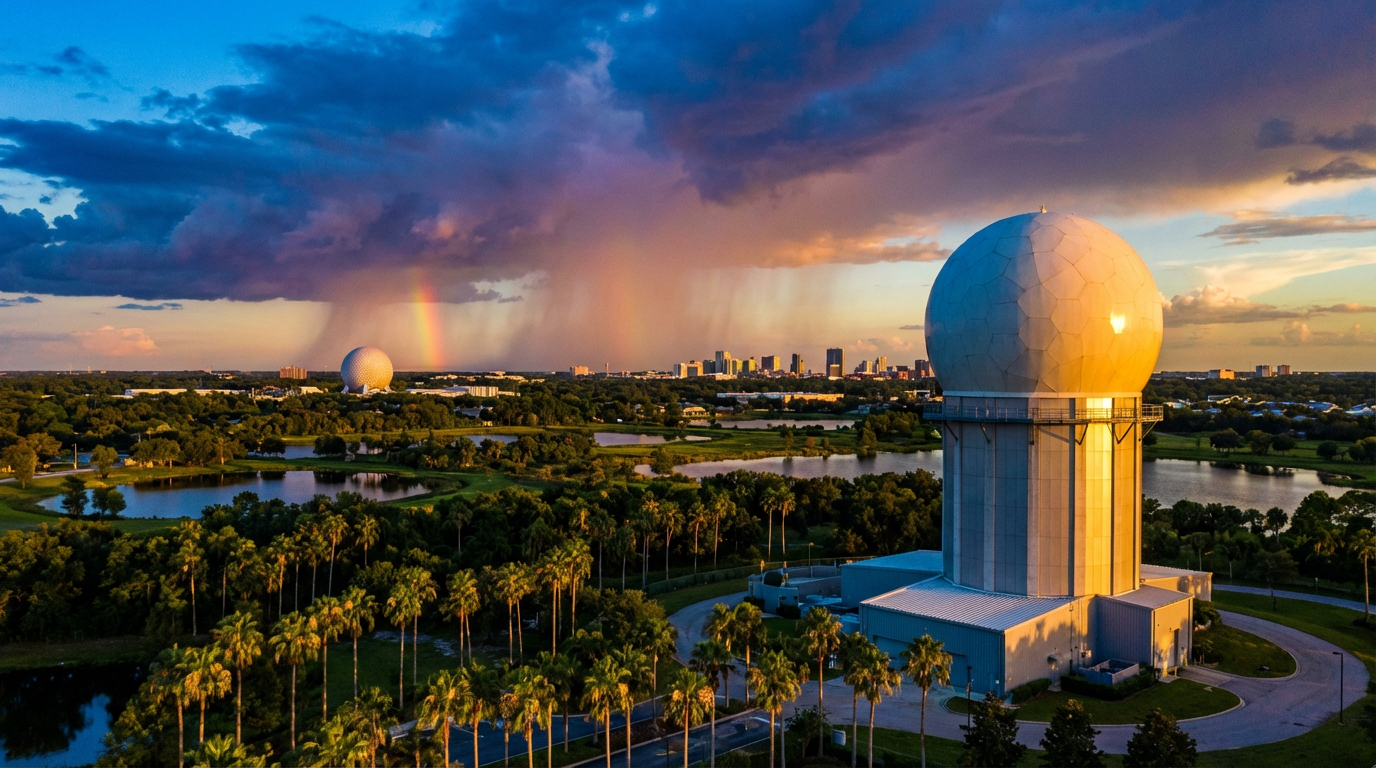
The Inevitable Three O'Clock Downpour
One glance at the orlando radar confirms what the metallic tang of ozone in the back of your throat already announced—the afternoon reset is here. It mixes with the scent of baking asphalt on Orange Avenue. The sky bruises into a dark purple over the downtown buildings. The generic national forecast lied, naturally.
A crumpled Publix grocery receipt cartwheels past my shoe, going nowhere in particular.
I used to think I could outrun these afternoon systems if I just drove fast enough. 2019 me would have complained about the wet air ruining a hike. 2026 me appreciates the physical warning that the atmosphere is about to tear itself apart. You learn to read the coming weather in the dull ache of your joints.
Where the Coasts Collide
The heavy weight of ninety percent humidity presses down on your chest before the sky finally opens up. According to the National Weather Service's 2026 summer models, sea breezes from the Gulf of Mexico and the Atlantic Ocean march inland every afternoon. They slam into each other over the center of the peninsula to build towering storm clouds.
The rain begins at exactly 15:14. Drops hit the pavement and turn into steam. Within five minutes, the ambient temperature falls about ten degrees. Water pushes through the storm drains along the street. People stand under store awnings and watch the cars drive past. An online map shows a thick red band moving east across the county. The storm lasts for about an hour before the clouds thin out.
I was standing under a leaky oak tree waiting out a downpour when I finally pulled up my phone. The orlando radar lit up with a solitary red dot sitting over my coordinates. The rest of the city was bone dry. Weather in Central Florida operates locally, not regionally. You don't ask if it will rain in the city today, but rather if it will rain on your specific street at three o'clock.
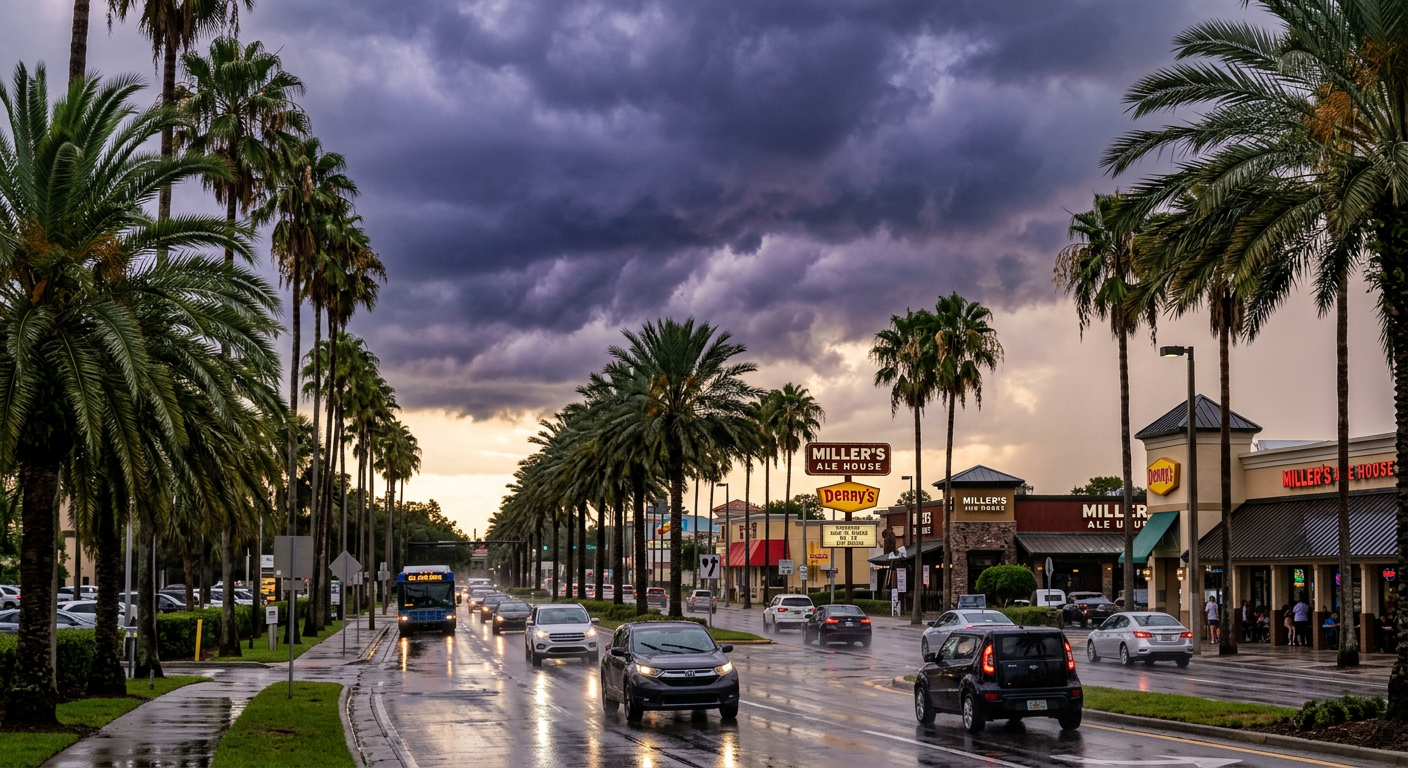
Ever wonder why locals never carry umbrellas? We know they just become lightning rods when the loud thunder starts rolling over the flat land. Instead, we keep a cheap poncho rolled up in a backpack for our Rockon Recreation Rentals outings. You can sit in a diner, watch the gutters flood, and emerge an hour later to wet sidewalks and clear skies. It forces a slow pause in a frantic travel schedule.
How the Orlando Radar Dictates Your Airboat Schedule
The low rumble of a large boat engine echoing across the marsh beats any hotel alarm clock. You feel the deep vibration through the wooden dock before you step onto the aluminum hull. Choosing a morning departure time is the smartest maneuver you can make for a swamp trip.
Dodging the Phantom Rain Icons
Those little rain cloud icons on your smartphone forecast mean nothing if your trip is more than two days away. Central Florida weather patterns shift by the hour. The latest 2026 weather apps still push out pessimistic long-term forecasts, giving travelers anxiety over ruined vacation plans.
Checking the orlando radar the morning of your trip is the only reliable way to plan your swamp launch. Meteorologists update these short-term models constantly to track afternoon sea breeze collisions.
The first airboat tours depart around eight in the morning. The water is flat and reflects the gray clouds above the marsh. The temperature stays near seventy degrees during these early trips. Passengers wear light jackets and sit in the metal seats.
I always dreaded setting an early alarm on vacation because I prefer sleeping past breakfast. I grumbled right up until our captain cut the engine in a remote cypress cove. The surface tension of the cool water amplified the chorus of native frogs. Seeing Florida wildlife gliding through the quiet mist won me over right there.
The Magic of the Morning Launch
I love sharing this trick with friends visiting town: the wildlife is active before the midday heat turns the swamp into green soup. According to wildlife biologists at the University of Florida, alligators lack sweat glands. They bask on mudbanks during the milder morning hours to regulate their body heat. By noon, they slide underwater to cool off and vanish from view.
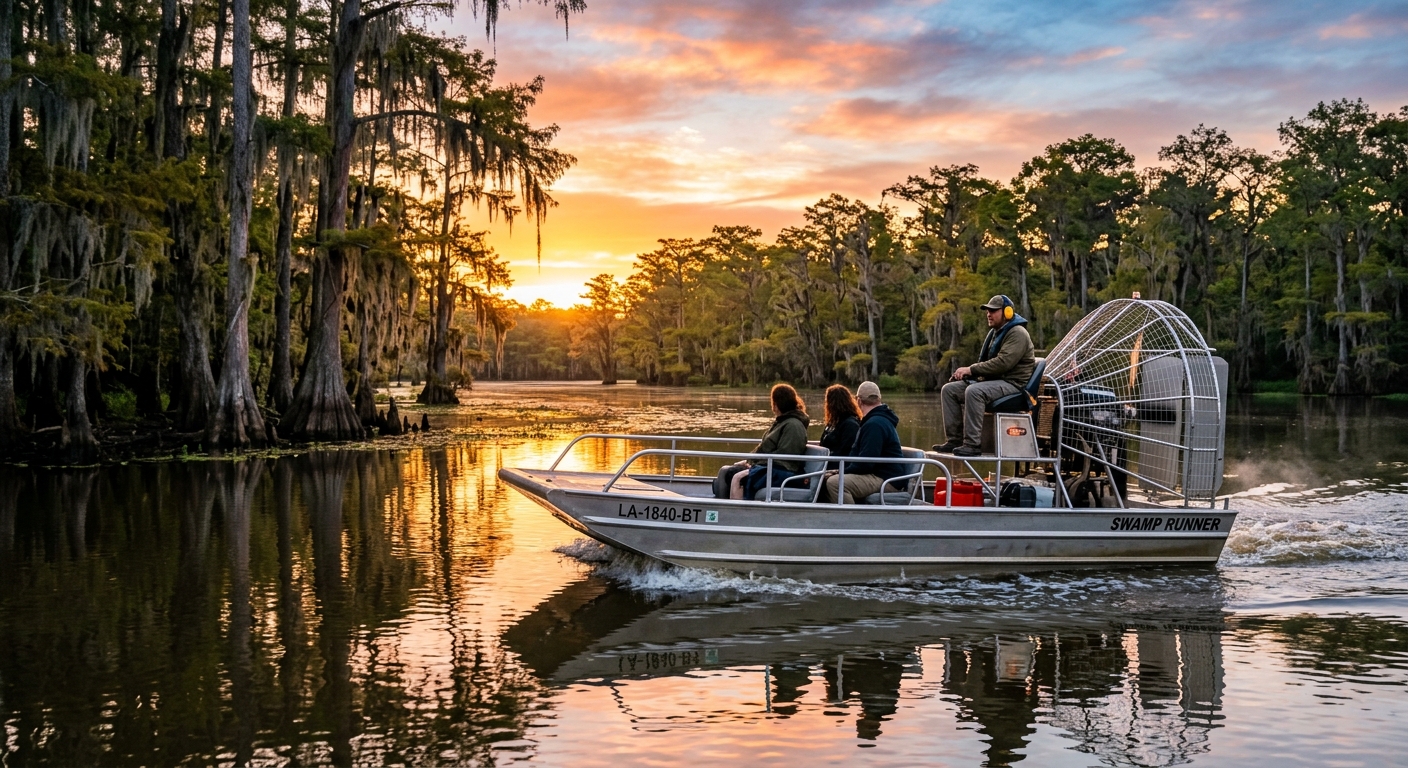
You also get the benefit of quieter engine runs on early trips. Sound travels differently over cooler air and glassy water, meaning captains don't have to throttle up as hard to glide over the morning dew.
Finding a captain who understands these weather patterns changes the experience. As a VisitFlorida Travel Partner, Rockon Recreation Rentals connects you with local operators who monitor the orlando radar to schedule around optimal weather windows. They guide you out to see the real Florida ecosystem without fighting the elements.
How Urban Heat Islands Trick Your Forecast
The radiating heat off miles of fresh pavement charges the inland concrete like a giant thermal battery. It bakes from sunrise until lunchtime. Urban sprawl swallowed the citrus groves decades ago, and now all that heat rises. The clouds build. The rain falls. A quick refresh of your orlando radar app often shows red blobs forming directly over downtown, locked in place by the heat island.
The Limits of Technology
Local news stations brag about their expensive Doppler arrays. They broadcast high-definition prognostications from air-conditioned studios. According to 2026 climate models from the National Oceanic and Atmospheric Administration, processing terabytes of atmospheric data looks great on a flat screen. You step outside and none of the models matter. The swamp ignores the algorithms.
A green anole lizard pauses on the brick wall to chew a dead moth.
We used to plan paddle tours around those digital barometers. The tools often failed. My perspective shifted when I stopped looking at screens and started listening to the drainage ditches.
I can't prove this, but the local fauna possesses more predictive power than a satellite cluster in low Earth orbit. Swamp locals know a storm is imminent by the noise. The native green tree frogs go silent. The invasive Cuban tree frogs take over. They emit a harsh, scraping trill that cuts through the wind. Research is my love language; reality is my ex.
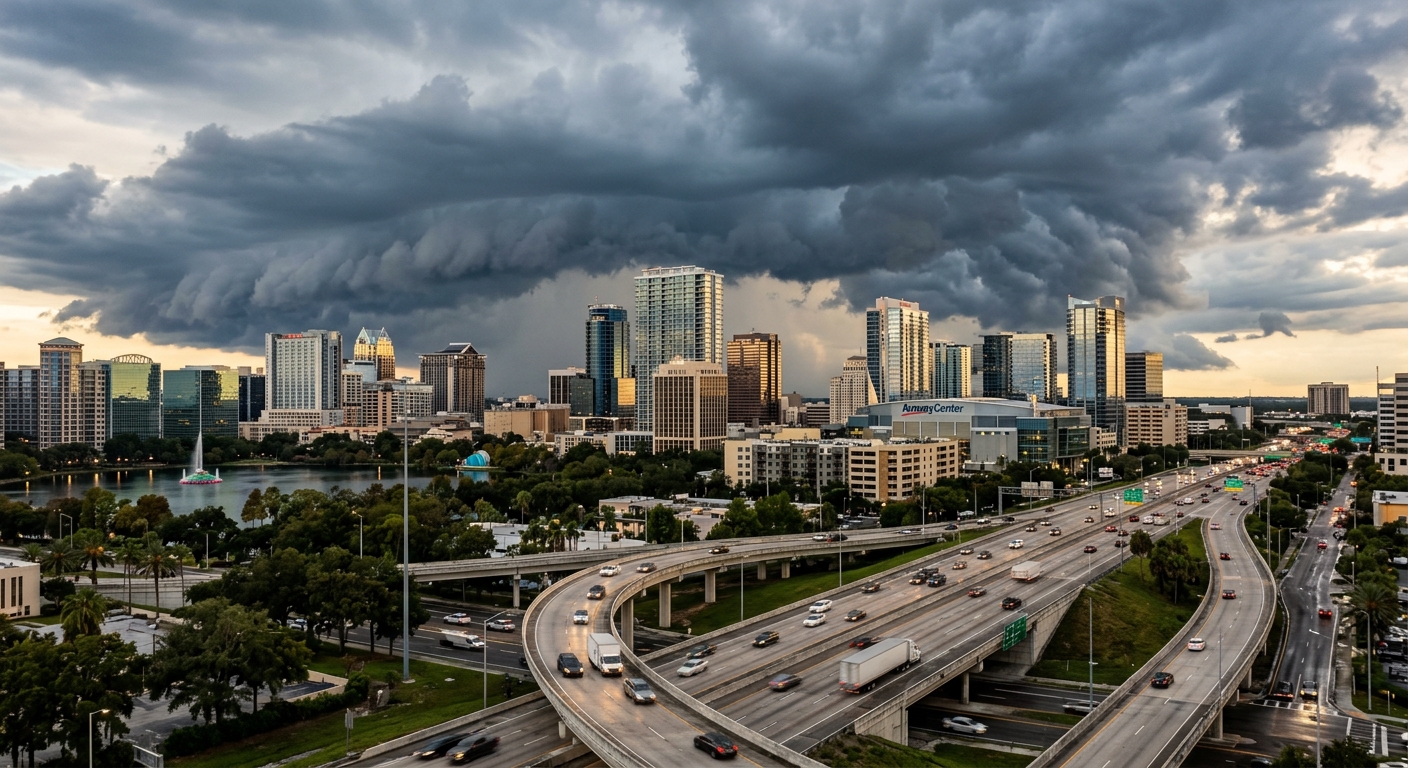
The asphalt holds warmth after the sun goes down. Storms develop over the center of the city. Water pools in the street gutters. The air stays damp.
If you want to know when to seek shelter, look at the sky. Watch the birds scatter. You either make peace with getting wet or you learn to read the local signs.
How Afternoon Storms Fix Swamp Crowds
The sharp smell of decaying cypress wood and wet fern fills the air right as the clouds break. Crickets and cicadas start a low hum, tuning their pitch to the dropping air pressure. A younger version of myself hated the inconvenience of wet gear, packing up dry bags to rush back to the truck. Now, I pull up the live orlando radar on my phone and watch the red weather bands slide east. You learn to sit still under a heavy canopy and wait for the swamp to exhale.
For years, I told anyone who asked that afternoon thunderstorms ruined a Florida paddling trip. I joined the mass exodus of disgruntled tourists running for their rental cars. Sitting under the marina overhang while the last few raindrops fall today, my perspective shifts. The downpour didn't wreck the afternoon water trails. It saved them.
The storm drove off the idling charter buses and dozens of noisy tour groups taking selfies by the docks. Finding a solitary moment on the water in 2026 takes effort, but the weather handles the crowd control for you. Once the dark clouds part, the expansive headwaters belong to the few scattered paddlers who know better than to run. Beige is a sin, and clear skies draw beige crowds.
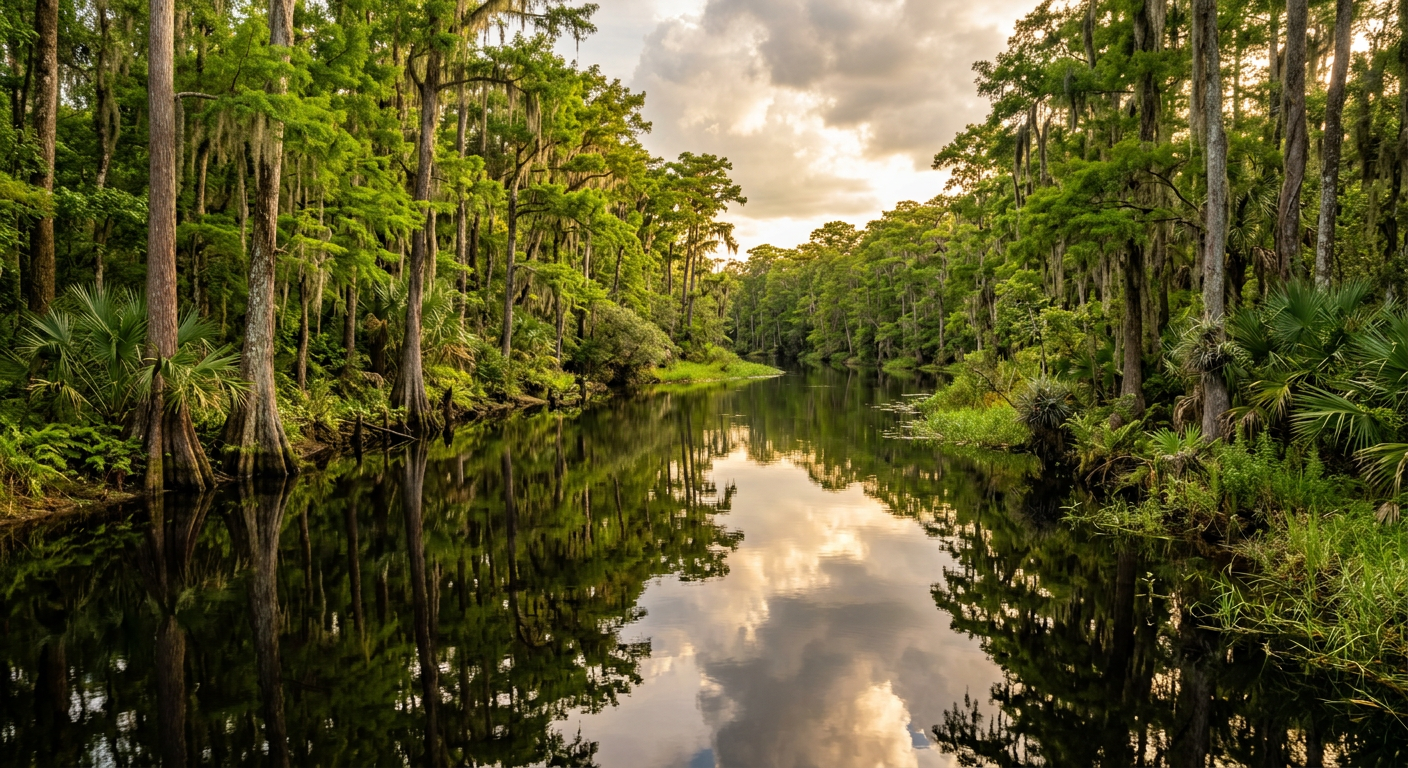
The water temperature shifts the moment the rain stops. Frogs begin calling from the damp reeds, and longnose gar roll in the tannin-stained shallows. Biologists at the Florida Fish and Wildlife Conservation Commission track how this cool rainwater stirs up small fish, drawing larger wading birds down from the trees.
I go where the signage is bad and the coffee is good, but out here, the lack of human engine noise is the main draw. You can paddle out through the mist rising off the lake without dodging pontoon boats.
The floating plastic dock shifts under my boots. The sky above the tree line is pale gray. I untie a yellow paddle and slide the boat off the launch ramp.
Timing Your Post Rain Paddle
Renting gear after the midday deluge requires a bit of patience. Most outfitters pause their water launches until nearby lightning strikes move east of the resorts. Watching the orlando radar helps you time your arrival at the marina right when the staff unlocks the life jackets.
Booking your equipment through Rockon Recreation Rentals lets you secure an afternoon slot that aligns with the post-storm clearing. The air feels lighter by late afternoon. Have you ever noticed how the flat evening light turns the brown swamp water into a dark mirror? You get a couple of quiet hours out on the creek before the mosquitoes mobilize at dusk.
Reading Between the Lines of an Orlando Radar Map
A gritty breeze kicks up dust from the limestone parking lot at Kelly Park, scattering oak leaves across the hood of my truck. You look down at the glowing screen in your hand to make sense of the sky, trying to reconcile the pixelated green blobs with the gray ceiling above you. The gap between what the digital map shows and what the Florida atmosphere is doing feels miles wide.
An ordinary 2026 orlando radar loop presents a chaotic smear of colors. Since I started guiding in 2018, I used to think my canvas hat was somehow allergic to moisture. I would cancel an afternoon on the water at the first sign of yellow on the display.
Spotting the Difference Between Showers and Fronts
The hum of distant thunder rolls across the pine flatwoods long before the rain starts. That rumble usually signals a scattered thermal shower, born out of the afternoon heat rising off the swamp. Historic weather data from Orange County confirms that most of these summer outbursts end quickly. They drop heavy rain over a tight radius for less than an hour before dissipating.
They are isolated tantrums, not enduring moods. Massive frontal systems behave differently, draping the map in a solid streak of orange that stretches back to the Gulf Coast. When the screen shows a bloated, organized line creeping eastward without breaking apart, that designates a long afternoon indoors.
The sharp scent of evaporating bug spray rises off my arms as the clouds thicken. I always believed staying dry was the goal of any excursion out here. The afternoon sun baked the canoe hull until it burned my legs. I checked the local orlando radar hoping to find clear skies, but a green cell was moving over our coordinates.
My chest tightened with frustration until the first cool drops hit the water. I realized the rain was a gift. A quick summer storm drops the temperature and chases off the crowds, leaving you with glass-like water and breathing room.
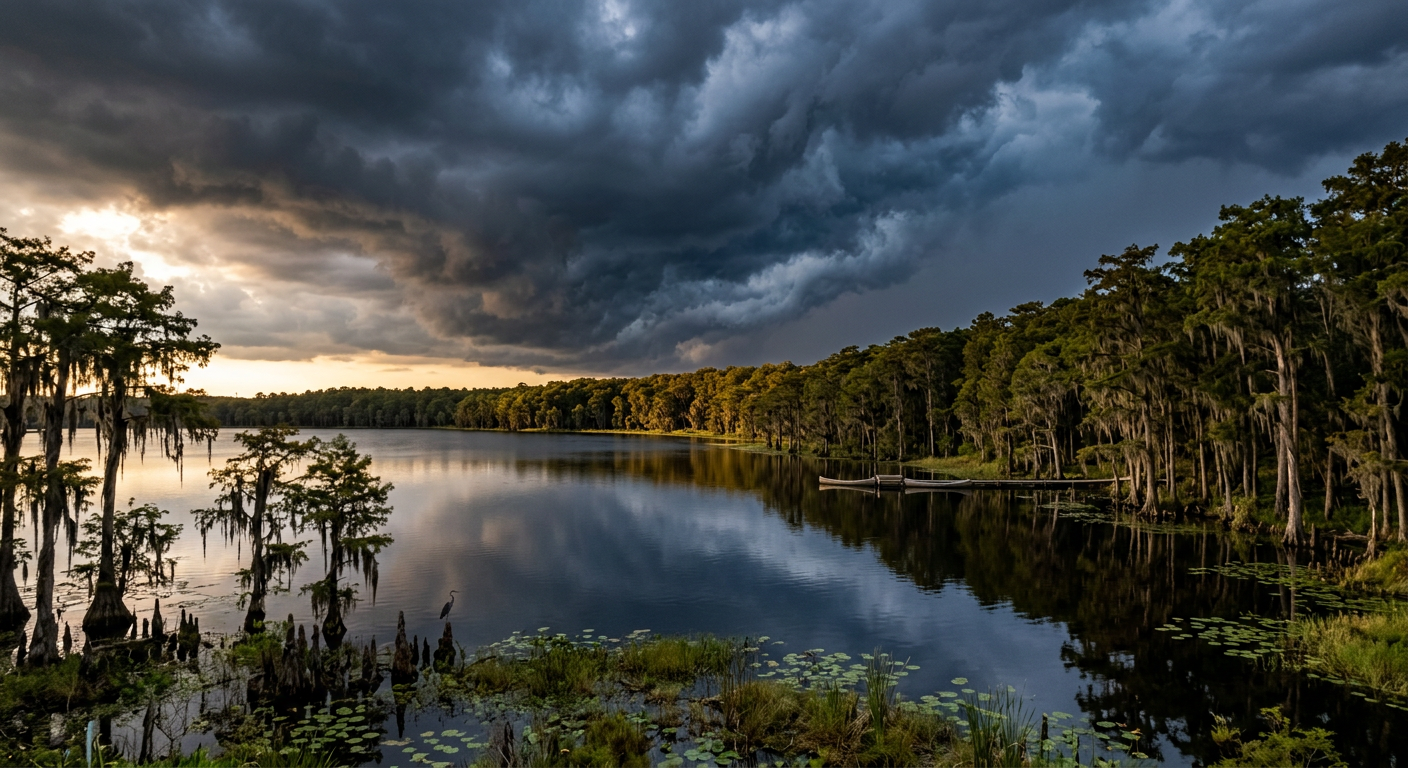
Embracing the Temporary Washout
You pull the boat onto the sandy bank when the lightning starts. The rain falls through the canopy of the trees and hits the muddy ground. The air temperature drops. You sit under the wooden pavilion at the edge of the water and listen to the drops hit the metal roof. The storm passes after about a half hour. The sky clears and the water becomes calm again.
The sticky warmth returns to the air the moment the clouds part. You resume your paddle with a different atmosphere than you started with. Is a dry day actually better than a dynamic one?
Getting caught in a brief downpour forces a pause in a hurried itinerary. It makes you sit and watch the water rough up before settling back down. If you want to book equipment without stressing over the sky, the Rockon Recreation Rentals platform has options for any weather window.
Knowing the difference between a passing shower and an all-day washout lets you navigate the swamp with more grace. A quick check of the orlando radar confirms the green cell will pass, leaving you to let the environment tell the rest of the story.
Plan your trip: Ready to experience this firsthand? Book Airboat Tour Orlando FL – Ultimate Adventure Package directly through our marketplace.