The Sluggish Physics of Bayou Navigation
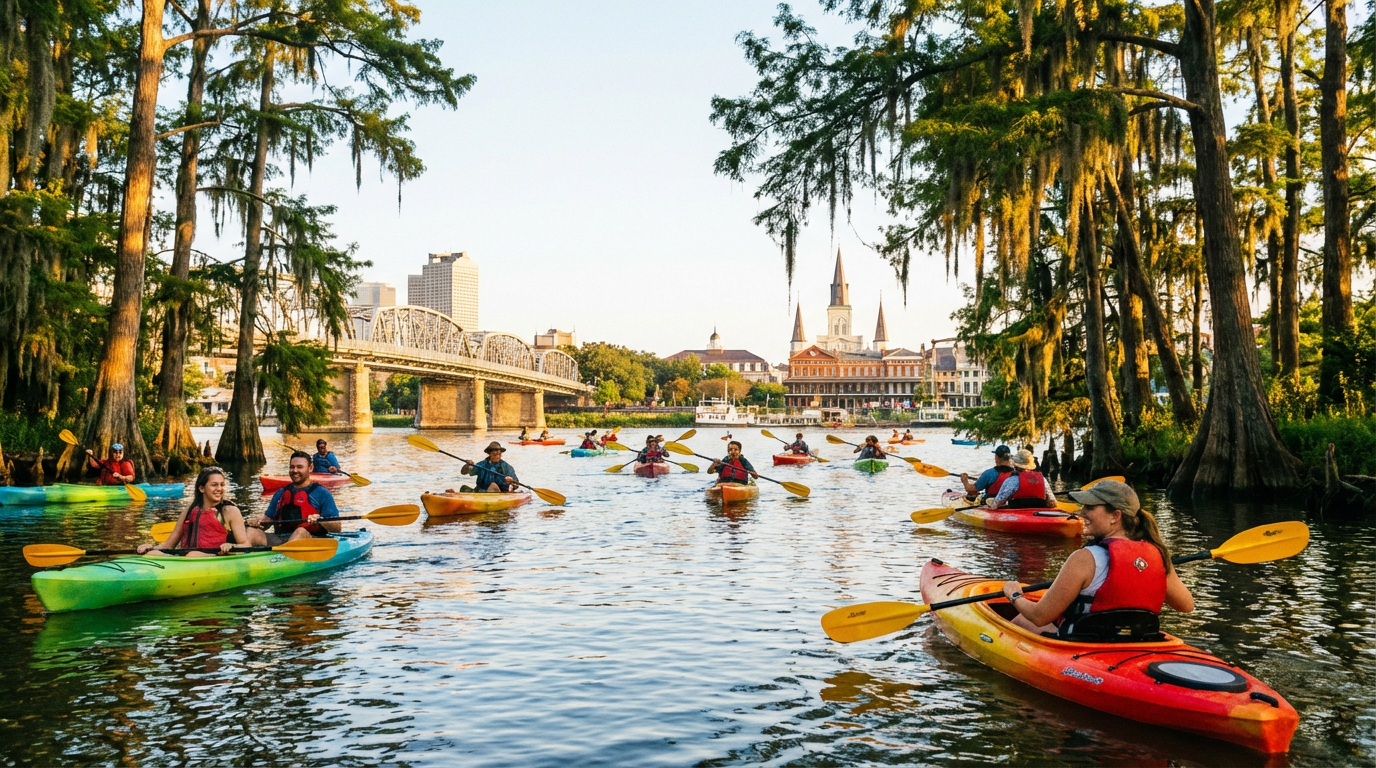
The smell hits before you even see the water. It is a pungent, heavy mix of damp earth, decaying cypress bark, and old pennies that settles deep in your sinuses. Booking kayak rentals in New Orleans means abandoning your expectations of a brisk river current for a static, moody puddle. You step out of your car, and the specific bayou humidity wraps around your shoulders like a wet woolen blanket retrieved from the bottom of a laundry pile. According to USGS flow data, the local river basin typically reads zero cubic feet per second anyway. That stillness feels physically present against your paddle blade.
First-timers often arrive right at the dock expecting the rush of moving water to effortlessly push them along. You get heavy resistance instead. I cannot prove this, but the dark bayou water seems to possess its own sluggish, reluctant personality. It forces you to paddle purposefully for every single inch of forward momentum. Navigating the options for kayak rentals in New Orleans frequently deposits visitors into these exact stagnant, maze-like channels where nature dictates the pace.
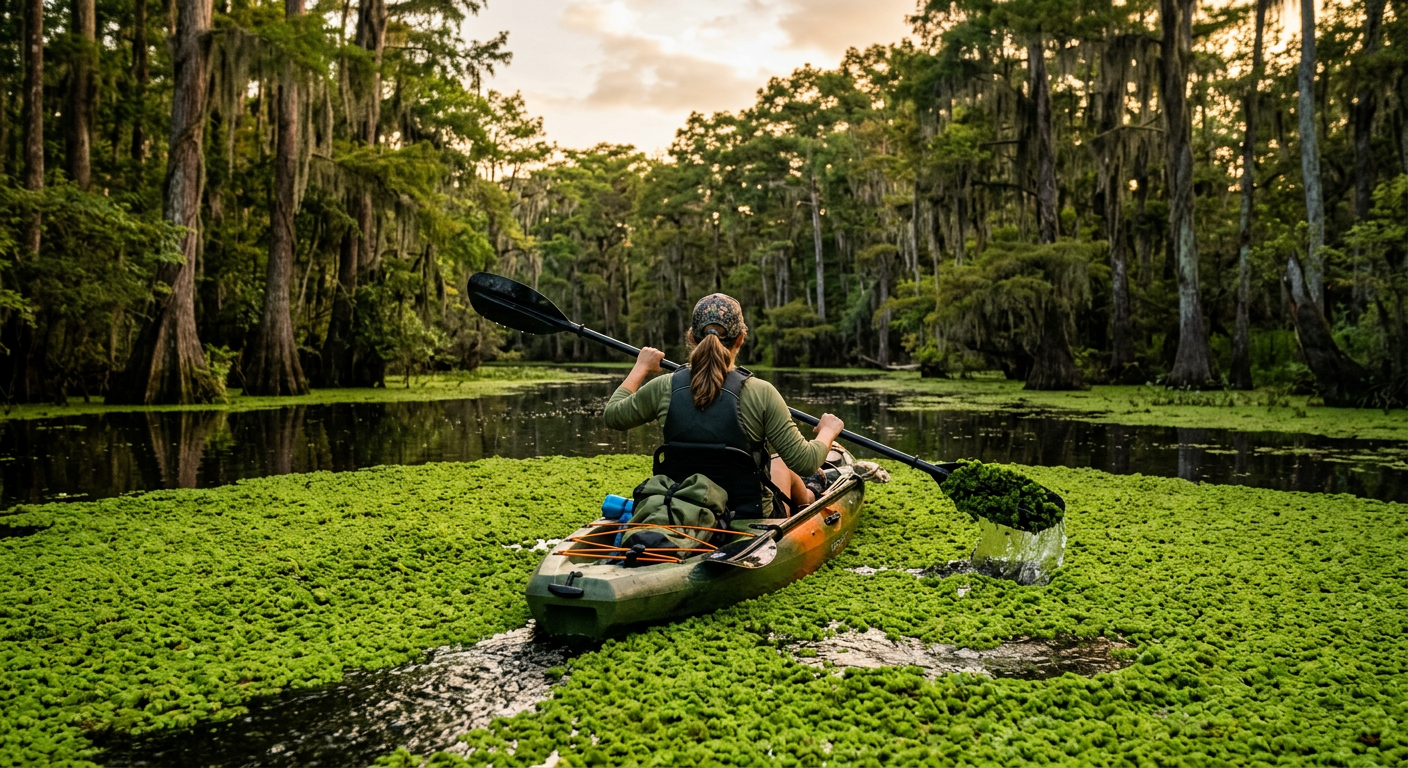
If it is on a postcard, it is a trap. Tour brochures routinely feature clear reflections on glass-like surfaces, conveniently omitting the thick mats of floating salvinia weed that suffocate your paddle blades every third stroke. You end up lifting your gear out of the water just to shake the heavy green sludge off, which ruins any rhythm you manage to build. According to the Louisiana Department of Wildlife and Fisheries, this invasive vegetation peaks during the late summer months of the 2026 season.
When organizing your trip through Rockon Recreation Rentals, it pays to ask the outfitter which channels were most recently cleared of overgrowth. It takes precisely 57 minutes to cover a single mile in the thicker sections. Plan your route timing accordingly. If you stop paddling out here, you simply stop moving.
Why The 2026 Calendar Demands Maximum Respect
The hollow thud of your sneaker hitting the plastic hull echoes off the concrete retaining wall at Bayou St. John. Regional travel guides often treat the local climate as a static backdrop, suggesting you can just throw on a hat and hit the water whenever. Truthfully, timing your trip wrong in Southern Louisiana carries heavy logistical consequences. Understanding your options for kayak rentals in New Orleans requires acknowledging that the swamp changes its identity every three months.
Spring The Deceptive Window
March and April offer a small window that feels like a geographic mistake. The days are clear, and the mosquitoes are still waking up. However, the water remains deceptively cold. If you take a splash hauling your boat over a submerged log, that chill sinks right through your clothes. Pack a long-sleeve rash guard and a pair of fast-drying synthetic pants. Spring water levels tend to run high, meaning channels that are usually impassable open up, allowing you to paddle deeper into the cypress groves. The downside is the crowds. Every bachelor party and corporate retreat converges on the launches during these eight weeks.
Summer An Exercise in Sun Management
Summer is just an exercise in endurance. The metallic tang of cheap, sweat-washed sunscreen always ends up on your lips by the second hour. The thermometer hits ninety degrees before noon, turning the flat channel surface into a vast, radiating mirror. According to 2026 National Weather Service precipitation logs, afternoon thunderstorms cancel more trips in July than any other time of year. Get on the water by 9 AM. Miss that window, and you spend your afternoon either baking in a stagnant oven or frantically outrunning black rain clouds.
Fall Navigating Shifting Water Levels
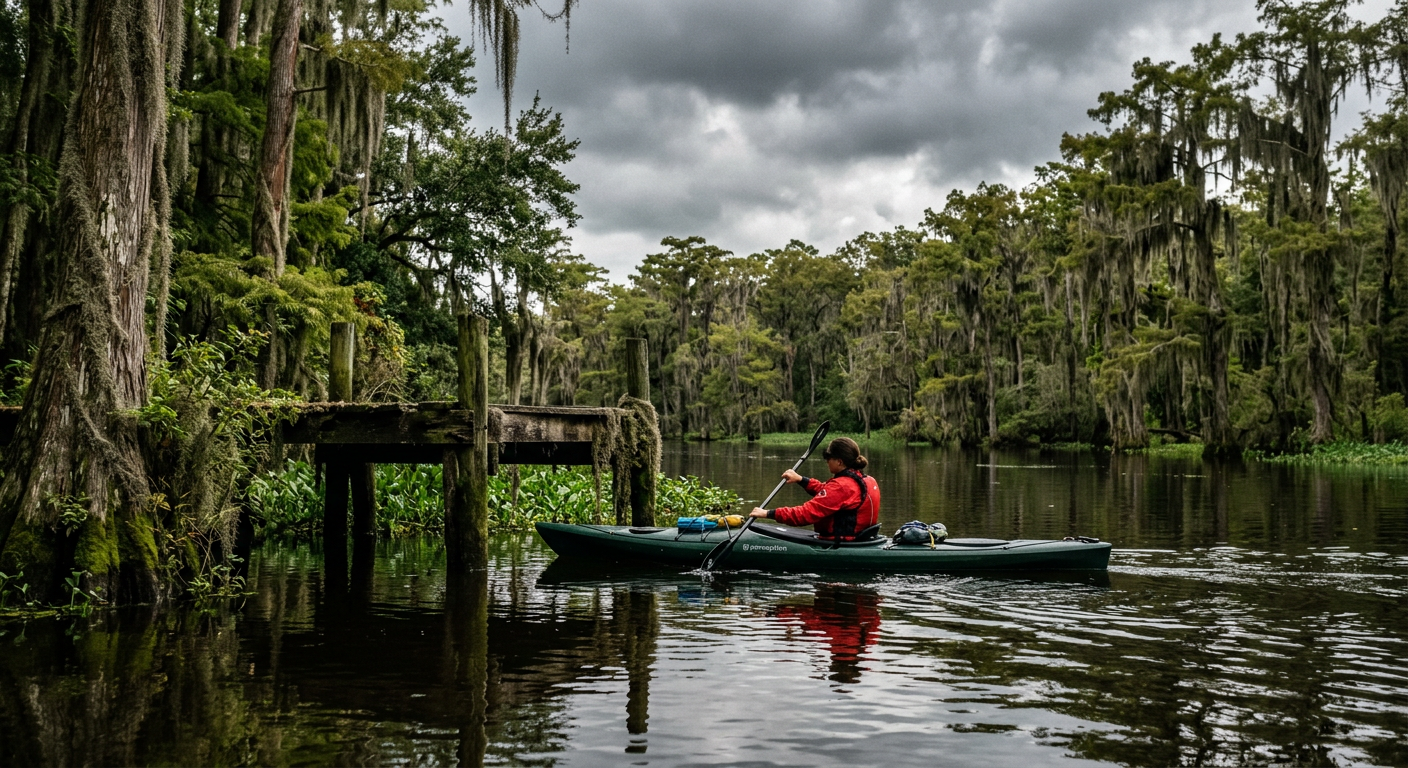
October brings relief from the oppressive humidity, but it introduces navigational friction. Water levels in the lower basin typically drop as the dry season sets in. Swamp channels offering clear, glorious passage in April often become muddy, shallow impasses by late October. You must check the current river stage data before finalizing your path, or risk spending half your afternoon dragging a plastic boat through ankle-deep sludge. The air finally smells sweet again, mostly like blooming wild jasmine rather than baking mud.
Winter Cold Hulls and Empty Canals
The daily high hovers around sixty degrees in January. The hull transmits the chill of the black water right to your molded plastic seat. You need base layers, wool socks, and a windbreaker that can handle a damp Gulf breeze. Yet, winter offers the clearest water and absolute silence. The insect population drops to zero. You practically have the entire wetland to yourself, minus a few migratory birds seeking refuge in the bare weeping willows.
A peeling yellow sign near the winter launch warns about feeding wildlife. The bottom half is scraped down to bare wood. A guy in the parking lot was drinking hot black coffee in 95-degree heat. I have no idea why.
Explore experiences near New Orleans
Why Your Standard Packing List Will Sink You
The coarse grit of marsh mud slides against your nylon shorts as you ease yourself into the kayak. It is a minor friction that stays with you all morning. People routinely pack for a two-hour bayou trip like they are outfitting a remote arctic expedition. The launch area restrooms are just sweltering metal boxes, so it pays to handle your clothing adjustments before you ever leave your hotel.
Beige is a sin out here. Regional tourism forums and established travel publications like Lonely Planet often recommend khaki clothing for some reason. That aesthetic just ensures you look like a muddy safari extra by noon. Cotton is your enemy during the humid Louisiana summer. It absorbs ambient moisture and clings to your skin like a cold bandage. You need a lightweight, synthetic shirt that sheds water.
2019 me would have showed up with a massive waterproof bag strapped to the deck. Today, I know better. I always assumed the perfect conditions made for the best trip, and that carrying maximum survival gear was just good sense.
Halfway through wedging a stuffed, rigid backpack behind a resin seat on a clear 70-degree day, surrounded by twenty noisy tourist groups, the realization hit. The miserable days are the actual prize, and over-packing is a rookie error. The friction—the suffocating heat, the thick weeds, the heavy water—acts as a natural filter that keeps the swamps feeling wild. Extra weight pushes the hull deeper into that water, making the boat much harder to pivot around submerged cypress roots. I pulled everything out, threw it back into my trunk, and kept just a single water bottle. Leaving gear behind feels liberating.
Urban Launch Zones and Operator Realities
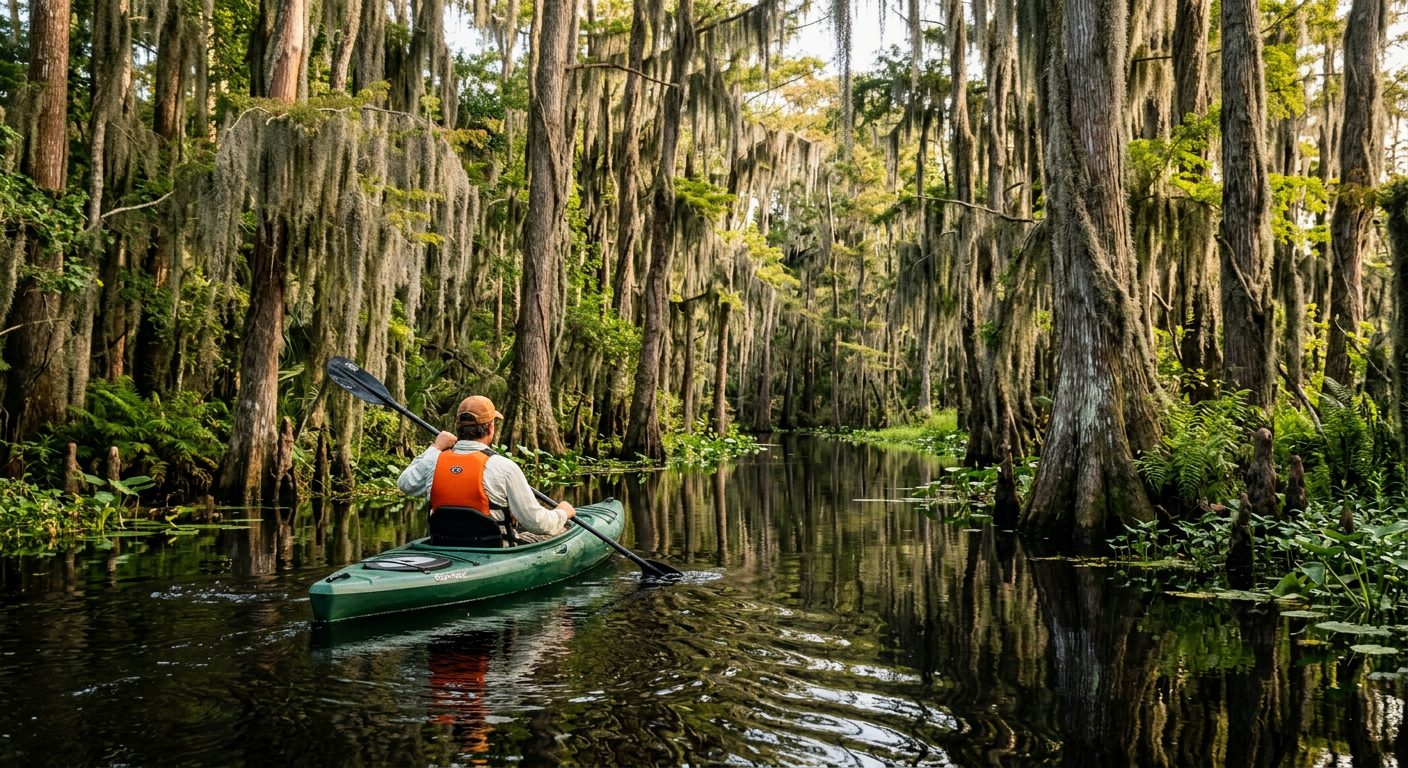
Organizing kayak rentals in New Orleans usually means meeting a vendor at a predetermined dirt patch near the water. Research is my love language; reality is my ex. The sleek booking websites make this process sound highly streamlined and polished. The reality of municipal dirt parking lots tells a different story.
Booking early guarantees a paddle in your hand. Walking up unannounced guarantees a long, hot walk back to your car. Local booking calendars fill up fast, and morning slots vanish by Tuesday. Walk-up availability is rare in the 2026 season. Connecting with established operators through Rockon Recreation Rentals secures your reservation ahead of time, which means you dodge the guesswork of wandering the shoreline hoping to find a spare sit-on-top kayak.
The pricing models here require careful reading. Some independent vendors strip out basic necessities to advertise an artificially low initial price online. A standard rental package should include the boat, a paddle, and a Coast Guard-approved life jacket for one flat price. Handing over another ten dollars at the muddy dock for a paddle sours the trip before it starts. A kayak without a paddle is just a plastic log.
Navigating Shared Waterways
Many kayak rentals in New Orleans operate out of grassy berms rather than formal concrete boat ramps. You walk up to the bank, an employee hands you a personal flotation device, and you step directly into a waiting boat. The dirt launch area smells slightly sour by mid-July, a mix of baking mud and stagnant storm runoff.
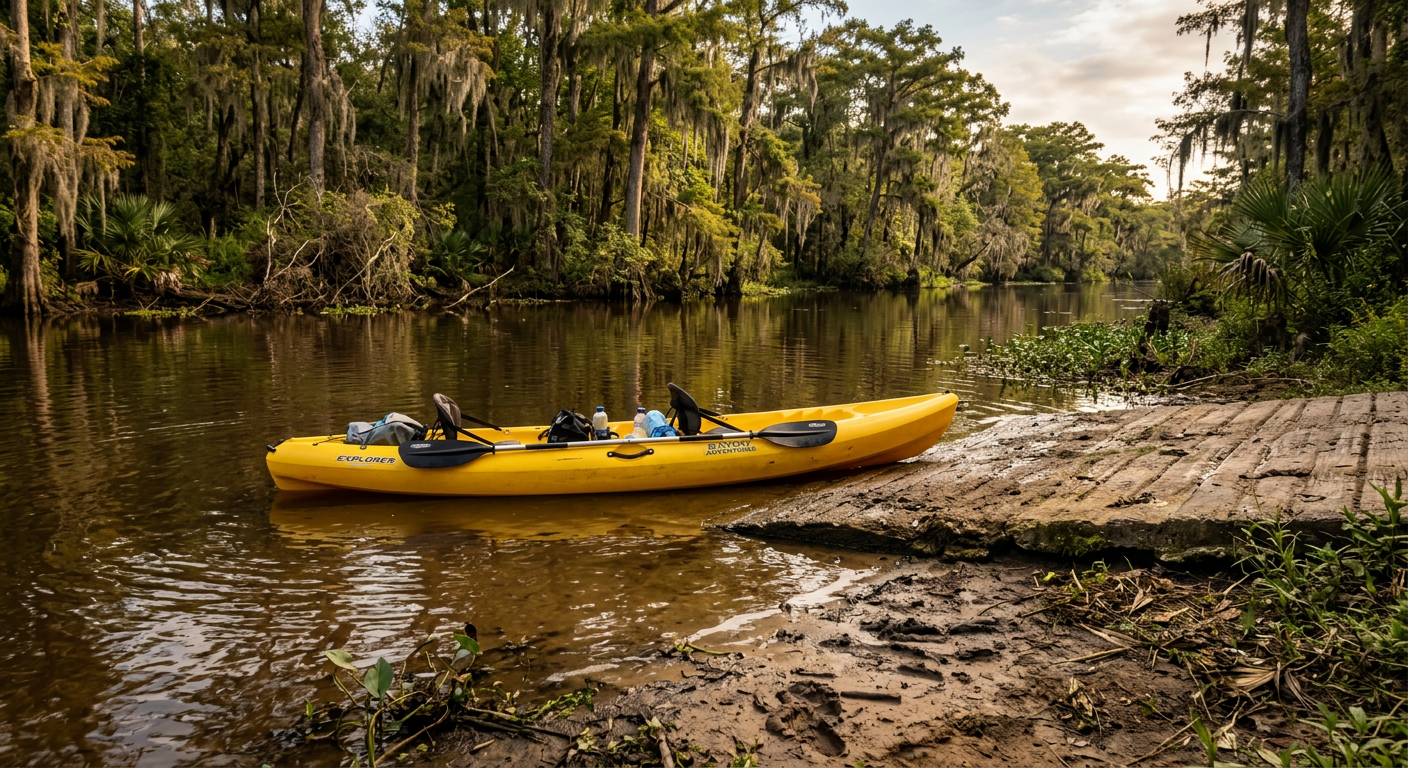
According to National Park Service safety recommendations for the Jean Lafitte wetlands, the average summer water temperature sits around 84 degrees. Anything dropped in the bayou steeps like a hot tea bag if you cannot grab it immediately. Keep your sunglasses securely attached to your neck with floating neoprene straps.
The channels narrow to about forty feet across in some of the dense inner sections. When you hear a motorized skiff approaching, or if you find yourself navigating cautiously around a faster New Orleans Airboat Rental, paddle your kayak to the right side of the waterway and wait for their wake to pass. Testing different vessels verifies one simple truth. The initial learning curve is physically demanding, but the payoff is absolute calm.
By the second hour, the sun warmed the damp nylon across my knees. A heron called out with a low scrape from the shoreline. Having very little gear protected meant I could lean back, close my eyes, and let the bayou wash over me without worrying about swamping expensive camera equipment.
You pull back up to the muddy bank at the end of the route. Your shoes finish the day noticeably heavier with clay than they began, gently pulling at your tired ankles as you walk back to the car. Eventually, your arms will need a break from the workout. Spending your evening on a New Orleans Evening Jazz Cruise offers a great way to let a massive paddlewheel navigate the currents while you sit still.
Explore outdoor activities near New Orleans
This article was researched and written with AI assistance and editorially reviewed by Greg Faucher. Greg writes about travel and outdoor experiences for Rockon Recreation Rentals, a VisitFlorida Travel Partner since 2018. He believes the best destinations look even better when you include the parts the brochure cropped out.